

How to Make Gym Clothing Brand: Step-by-Step Success Guide
How To Make Gym Clothing Brand
Building your own gym clothing brand sounds exciting. For many, it’s a dream that mixes passion for fitness with a love for fashion and entrepreneurship. But turning this dream into a real business takes more than just cool logo ideas and a catchy name. You need to understand the market, create real value, and build a brand that stands out in a crowded space.
This guide walks you step by step through the process of launching a gym clothing brand. Whether you’re starting with just an idea or you already have some designs in mind, you’ll learn how to move from concept to finished product, get noticed by your target audience, and build a brand with real staying power.
Understanding The Fitness Apparel Market
Before you design your first t-shirt or leggings, you need to know the market you’re entering. The fitness apparel industry is competitive, but it’s also growing. People want more from their gym clothes—comfort, style, performance, and sustainability.
Key Market Trends
- Athleisure is mainstream: People wear gym clothes everywhere, not just the gym.
- Sustainability matters: Shoppers look for eco-friendly materials and responsible manufacturing.
- Personalization: Unique designs, limited editions, and even custom fits are in demand.
- Tech fabrics: Moisture-wicking, stretch, breathability—these are expected, not optional.
- Inclusivity: Customers want a wide range of sizes and styles for every body type.
Market Size And Growth
The global activewear market is valued at over $300 billion, with steady growth. In the US alone, sports apparel makes up a large share of clothing sales. New brands succeed when they fill a gap—by serving a specific community, solving a real problem, or offering a fresh perspective.
Competitor Analysis
Look at top brands like Nike, Adidas, and Gymshark. What do they offer? How do they present themselves online? Notice which features, price ranges, and styles are popular. Study smaller, niche brands too—they often innovate faster.
Identifying Your Niche
You don’t need to compete with big brands directly. Instead, find your niche. Maybe you focus on eco-friendly yoga gear, street-style gym wear, or plus-size activewear. When you solve a real need for a group of people, you make your marketing and product design much easier.
Non-obvious insight: Don’t just look at what’s selling now—think about what’s missing. Browse reviews to see what customers complain about. These gaps are your opportunities.
Developing Your Brand Identity
Your brand identity is more than a name and logo. It’s how people feel about your brand and what they remember. Strong branding helps you stand out and build trust with your audience.
Finding Your Brand Voice
Decide how you want to sound. Are you motivational, playful, or technical? Your voice should match your target customer. For example, a brand for powerlifters might sound tough and bold. A yoga apparel line might use calming, supportive language.
Choosing A Name And Logo
Your brand name should be:
- Easy to say and spell
- Short and memorable
- Not already taken (check social handles and trademarks)
- Flexible, in case you expand products later
Design a simple, flexible logo. It should look good on clothing tags, websites, and packaging.
Crafting Your Story
People buy from brands that feel authentic. Share your story—why you started, your values, and what makes your products different. This helps turn casual shoppers into loyal fans.
Visual Identity
Pick a color palette and font style. Use these everywhere: website, tags, social media, and packaging. Consistency builds recognition.
Non-obvious insight: Make sure your logo looks good in black and white, not just color. Many printing methods (like embroidery) are limited in color.
Designing Your Product Line
Now, you move from ideas to actual products. Well-designed gym clothing does more than look good—it solves problems for the wearer.
Selecting Core Products
Start simple. Most new brands launch with 2–4 main products. Examples:
- Performance t-shirts or tanks
- Leggings or shorts
- Sports bras
- Hoodies or joggers
Focus on doing a few pieces well rather than making a huge collection.
Materials And Fabrics
Fabric choice is crucial. Key features to look for:
- Moisture-wicking: Moves sweat away from skin
- 4-way stretch: For comfort during movement
- Durability: Withstands frequent washing
- Soft feel: Comfortable for long wear
Popular fabrics include polyester blends, spandex, and new eco-materials like recycled nylon or bamboo.
Fit And Sizing
Offer a range of sizes. Fit should match your market—compression for high-intensity sports, relaxed for athleisure.
To help you compare materials, here’s a simple breakdown:
| Fabric Type | Pros | Cons |
|---|---|---|
| Polyester-Spandex Blend | Stretchy, durable, moisture-wicking | Can trap odor, not always eco-friendly |
| Bamboo | Soft, sustainable, anti-bacterial | More expensive, sometimes less durable |
| Cotton | Soft, breathable, natural | Absorbs sweat, less stretch |
| Recycled Nylon | Eco-friendly, durable | Higher cost, limited suppliers |
Prototyping
You’ll need samples (prototypes) to test fit, comfort, and performance. Work with your chosen manufacturer to create these. Test them yourself and get feedback from real users.
Unique Features
Consider adding special features like:
- Hidden pockets
- Reflective details for night workouts
- Customizable logos or colors
- Seamless construction for comfort
Remember, unique features help you stand out but can raise production costs.
Sourcing And Manufacturing
Turning designs into real clothes means finding reliable partners. This is where many new brands struggle, so take your time here.
Choosing A Manufacturer
You have two main options:
- Domestic manufacturers: Closer, faster shipping, easier communication, often higher cost.
- Overseas manufacturers: Lower cost, larger minimum orders, longer shipping times.
To compare the two, consider the following:
| Factor | Domestic | Overseas |
|---|---|---|
| Cost per unit | Higher | Lower |
| Minimum Order Quantity (MOQ) | Lower | Higher |
| Production speed | Faster | Slower (due to shipping) |
| Quality control | Easier to oversee | Requires trust or third-party checks |
How To Find Manufacturers
- Search online directories (e.g., Alibaba, Maker’s Row)
- Ask for recommendations in fashion entrepreneur forums
- Attend trade shows or fabric expos
Always ask for samples before placing large orders. Check quality, fit, and consistency.
Negotiating With Suppliers
Be clear about:
- Fabric specs and weights
- Stitching quality
- Minimum order quantity (MOQ)
- Production timeline
- Price per unit (including shipping and taxes)
Get everything in writing. Start with small orders until you trust the supplier.
Non-obvious insight: Visit the factory if possible. Seeing how your products are made helps you spot issues early and builds a better relationship.
Ethical And Sustainable Production
Many customers now care about ethical sourcing. Ask your manufacturer about labor practices and environmental impact. Certifications like WRAP or GOTS can help prove your commitment.

Credit: www.wix.com
Pricing Your Products
Setting the right price is both art and science. Too high, and you scare off buyers. Too low, and you lose money or look cheap.
Cost Breakdown
Your final price should cover:
- Production cost (fabric, labor, shipping)
- Branding (labels, tags, packaging)
- Marketing and website
- Shipping to customers
- Profit margin
A common rule: Retail price = 2.5–3 times your total cost.
Market Comparison
Check what similar brands charge. Are you premium, mid-range, or budget? Here’s a simple price comparison:
| Brand | Leggings Price | T-Shirt Price |
|---|---|---|
| Nike | $50–$90 | $25–$40 |
| Gymshark | $40–$60 | $20–$35 |
| Your Brand (example) | $40–$65 | $20–$30 |
Avoiding Pricing Mistakes
- Don’t forget taxes and shipping.
- Don’t underprice just to compete with big brands.
- Test higher prices first—you can always lower them, but raising prices later can upset early customers.
Non-obvious insight: Build in enough margin to offer discounts or wholesale pricing later. Many brands forget this and get stuck when trying to scale.
Building Your Online Store
Selling online is the easiest way to reach customers. Most gym clothing brands start with a direct-to-consumer (DTC) model—selling from their own website.
Choosing An Ecommerce Platform
Popular platforms:
- Shopify: Easy to use, great for beginners
- WooCommerce: Good for WordPress users
- BigCommerce: Scales well for larger stores
Look for platforms with built-in payment, shipping, and inventory tools.
Key Website Features
- Mobile-friendly design
- Fast loading speed
- Clear product photos (front, back, close-ups)
- Size guides and fit info
- Easy checkout process
- Return and shipping policies
Product Photography
High-quality images sell. Use real people of different sizes. Show the fit, details, and fabric up close. Consider short videos of clothing in action.
Setting Up Payments And Shipping
Offer several payment options: credit cards, PayPal, Apple Pay. Work with reliable shipping partners. Be transparent about costs and delivery times.
Store Launch Checklist
- Test all links and checkout flows
- Proofread product descriptions
- Set up customer support email or chat
- Prepare for launch day promotions
Marketing Your Gym Clothing Brand
Even the best product won’t sell if no one knows about it. Marketing is how you get attention, build trust, and turn visitors into customers.
Defining Your Target Audience
Who is your ideal customer? Are they students, young professionals, athletes, or fitness beginners? Create a simple profile with age, gender, interests, and where they hang out online.
Social Media
Choose 1–2 main platforms (Instagram, TikTok, Facebook). Share:
- Behind-the-scenes content
- Product launches and restocks
- Fitness tips and motivational quotes
- User-generated content (photos from real customers)
Use hashtags and partner with small fitness influencers to grow your reach.
Email Marketing
Start collecting emails from day one. Send:
- Welcome offers
- New product alerts
- Fitness tips or challenges
- Special discounts for loyal customers
Email is a low-cost way to build relationships and increase repeat sales.
Content Marketing
A blog or YouTube channel lets you share workout guides, style tips, or interviews with athletes. This builds authority and helps with SEO (search engine optimization).
Influencer Collaborations
Work with micro-influencers (1,000–50,000 followers). They cost less and have loyal, engaged audiences. Send them free gear to review or wear during workouts.
Paid Advertising
Use Facebook or Instagram ads to target your ideal customer. Start small and measure what works. Track how many clicks turn into sales.
Building Community
Consider creating a Facebook group or online community. Host fitness challenges or live Q&A sessions. Community builds loyalty and word-of-mouth sales.
External Resource: For detailed marketing ideas, see Shopify’s guide to clothing brand marketing.
Logistics And Order Fulfillment
Getting orders to customers smoothly is key for happy reviews and repeat business.
Inventory Management
Decide if you’ll store products at home, rent a warehouse, or use a fulfillment center. For small brands, start with small batches and grow as orders increase.
Shipping Options
Offer standard and express shipping. Show clear estimated delivery times. Consider free shipping above a certain order value.
Returns And Exchanges
Clear, fair policies build trust. Make returns easy, but set rules to avoid abuse (like worn clothes being returned).
Packaging
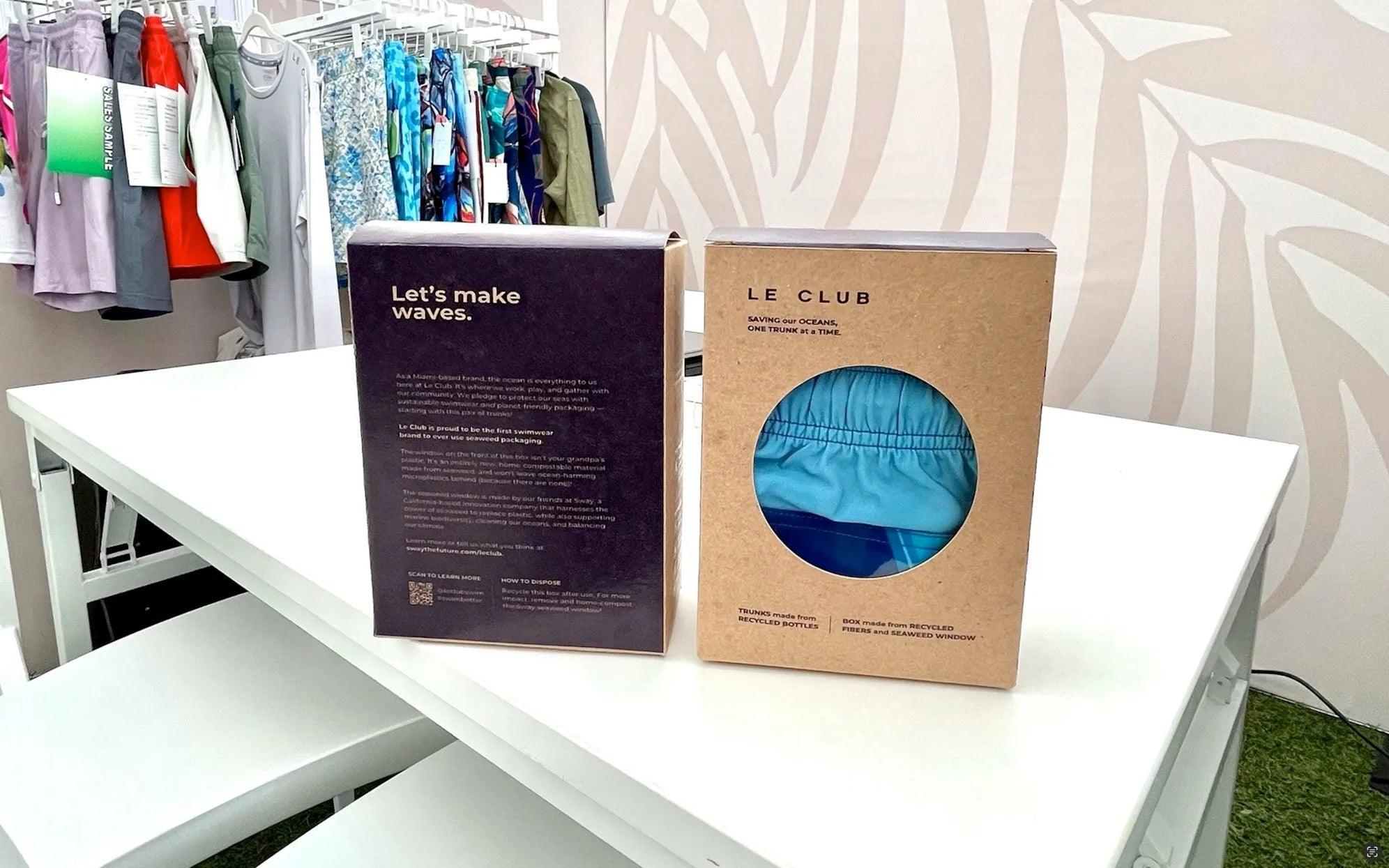
Good packaging protects products and adds to your brand’s image. Use eco-friendly materials if possible. Include thank-you notes or small extras (like stickers).
Practical tip: Test your packaging by shipping samples to yourself. This helps you spot any problems early.
Scaling And Growing Your Brand
Once you have steady sales, focus on growth. Scaling is about getting bigger without losing quality or brand identity.
Expanding Your Product Line
Listen to customer feedback. Add new colors, patterns, or product types. Avoid launching too many new items at once.
Wholesale And Retail
Sell to gyms, fitness studios, or local stores. Offer wholesale pricing for bulk orders.
International Sales
If you get interest from other countries, research shipping costs, customs, and taxes. Start with countries where you already have website visitors.
Brand Partnerships
Collaborate with other brands or gyms. Limited-edition collections or co-branded events can attract new audiences.
Automation
Use tools for email marketing, inventory tracking, and customer support as you grow. This saves time and reduces errors.
Non-obvious insight: Track which products have the highest repeat purchase rate. Push these in your marketing—they are your “core” products.
Legal And Financial Setup
Don’t skip the business basics. Setting up your company the right way protects you as you grow.
Registering Your Business
Choose the right structure: sole proprietorship, LLC, or corporation. Each has different tax and legal protections.
Trademarking Your Brand
Register your brand name and logo to stop others from copying you. In the US, check with the USPTO for conflicts.
Accounting And Taxes
Open a separate business bank account. Use accounting software to track income, expenses, and inventory. Save all receipts.
Insurance
Consider product liability insurance in case of defects or injuries. If you ship from home, add business coverage to your home insurance.
Practical tip: Many banks and accounting tools have starter packages for small businesses—use them to stay organized.

Credit: www.youtube.com
Common Challenges And How To Overcome Them
Every new brand faces hurdles. Here’s how to handle the most common ones:
- Cash flow issues: Start small, avoid over-ordering inventory, and keep fixed costs low.
- Quality problems: Test samples from every production run and work with trusted suppliers.
- Slow sales: Improve product photos, adjust pricing, or try new marketing channels.
- Copycats: Protect your designs with trademarks and keep innovating.
- Shipping delays: Communicate clearly with customers and offer tracking.
Pro tip: Don’t be afraid to ask your customers for feedback. Their insights can help you fix problems and guide your next steps.
Frequently Asked Questions
How Much Money Do I Need To Start A Gym Clothing Brand?
It depends on your product range, order size, and marketing budget. Many small brands start with as little as $2,000–$5,000 for samples, website, and an initial small production run. Larger launches with more products or custom designs can cost $10,000 or more.
Start small and grow with demand.
Do I Need A Fashion Design Background?
No, but it helps. Many successful founders learn as they go or work with freelance designers. Focus on understanding your customer’s needs, choosing good materials, and working with reliable manufacturers. You can learn technical skills or hire experts for parts you don’t know.
What Is The Best Way To Find Customers For My New Brand?
Start by building a presence on social media where your ideal customers spend time. Use Instagram, TikTok, and fitness forums. Work with small influencers and collect emails from day one. Offer friends and local gyms samples to get early feedback and word-of-mouth referrals.
Should I Manufacture Locally Or Overseas?
There are benefits to both. Local manufacturing offers better quality control and faster turnaround but is often more expensive. Overseas production is usually cheaper but requires larger orders and careful quality checks. Start with small test orders to compare both.
How Do I Stand Out From Other Gym Clothing Brands?
Find a clear unique selling point (USP). This could be sustainable fabrics, a fit for a specific body type, unique designs, or community involvement. Tell your story, offer excellent customer service, and keep improving based on real feedback.
Starting a gym clothing brand is a challenging but rewarding journey. With the right steps, careful planning, and a focus on what makes you different, you can turn your vision into a successful business that inspires and empowers others. Stay consistent, keep learning, and enjoy the process as you build your brand from the ground up.
Credit: lecluboriginal.com
