

How to Make Flare Leggings Tighter Without Sewing: Easy Tips
How To Make Flare Leggings Tighter Without Sewing
Finding the perfect fit in flare leggings can be a challenge. Sometimes, you buy a pair you love, only to realize they’re a little too loose in certain areas—maybe at the waist, thighs, or even through the flare. While sewing is one solution, many people don't have a sewing machine, sewing skills, or simply want a non-permanent change. The good news is, you can make flare leggings tighter without sewing, using simple methods and household items.
This guide explores the most effective ways to tighten flare leggings, from quick fixes to more lasting adjustments. Whether you need a snugger waist for your morning yoga, or you want to slim down the flare for a night out, you'll discover practical, easy-to-follow techniques that actually work.
Along the way, you’ll learn key tips, common mistakes to avoid, and how to choose the best method for your leggings and lifestyle.
Understanding Flare Leggings And Why Fit Matters
Before diving into adjustment methods, it’s helpful to understand why fit is so important for flare leggings. Unlike skinny or straight-leg styles, flare leggings are wider at the bottom, creating a balanced silhouette. When they’re too loose, they can look baggy, slide down, or lose their shape, affecting both comfort and style.
A good fit means:
- The waistband sits firmly without digging in or rolling down.
- The hips and thighs contour to your body without sagging.
- The flare starts at the right spot (usually below the knee) and doesn’t look overwhelming.
Loose flare leggings can make you look shorter, hide your curves, and even trip you up if they drag underfoot. Tightening them, especially without sewing, can boost your confidence and make the leggings look high-quality and intentional.
Key Areas That Often Need Tightening
Not all flare leggings need adjusting in the same place. You might notice looseness in one or more of these areas:
- Waistband: The most common spot that needs tightening.
- Thighs/Hips: If fabric bunches or sags here, it ruins the shape.
- Calves and Flare: Sometimes, you want a slimmer or more controlled flare.
Knowing which part you want to tighten helps you choose the right technique, as some methods only work for the waistband, while others can address the entire leg.
Preparation: What To Check Before Adjusting
Before you start, take a few minutes to prepare:
- Check the fabric: Most leggings are made of spandex, polyester, or cotton blends. Stretchy fabrics are easier to adjust using non-sewing methods.
- Try them on: Identify exactly where the fit feels loose.
- Wash and dry: Sometimes, leggings loosen after wear. Wash and dry them (using the highest recommended heat) to see if they shrink back to size.
- Read care labels: Some materials shrink or change texture with heat or certain treatments. Always check the label first.
These steps prevent surprises and help you pick the safest tightening method for your leggings.
Quick Fixes For A Tighter Fit
If you need a fast, temporary solution, these methods are your best bet. They’re perfect for when you’re getting dressed for an event or just want to experiment.
1. Use A Hair Tie Or Rubber Band
A simple hair tie or rubber band can quickly cinch the waistband. Here’s how:
- Gather a small section of the waistband at the back.
- Loop a hair tie around it, securing as tightly as needed.
- Tuck the gathered fabric inside the waistband for a neater look.
This trick is invisible under most tops and works well for minor size adjustments. It’s not ideal for all-day comfort, but it’s a great hack for emergencies.
2. Double Up With Another Pair Of Leggings
Wearing a second, tighter pair underneath your flare leggings creates friction and adds bulk, making the outer leggings fit more snugly.
- Choose a pair with a high compression fit.
- Put on the tight leggings first, then layer your flare leggings on top.
This method works especially well in cooler weather, and can help with both waist and thigh looseness. However, it may feel too warm in summer.
3. Fold Down The Waistband
Many flare leggings have a wide, high waistband. If it’s too loose, try folding it over itself once or twice.
- This makes the waistband tighter and can lift the leggings for a better fit.
- It also shortens the rise, which some people find more comfortable.
A folded waistband can add bulk, so check in the mirror to ensure it doesn’t show through your top.
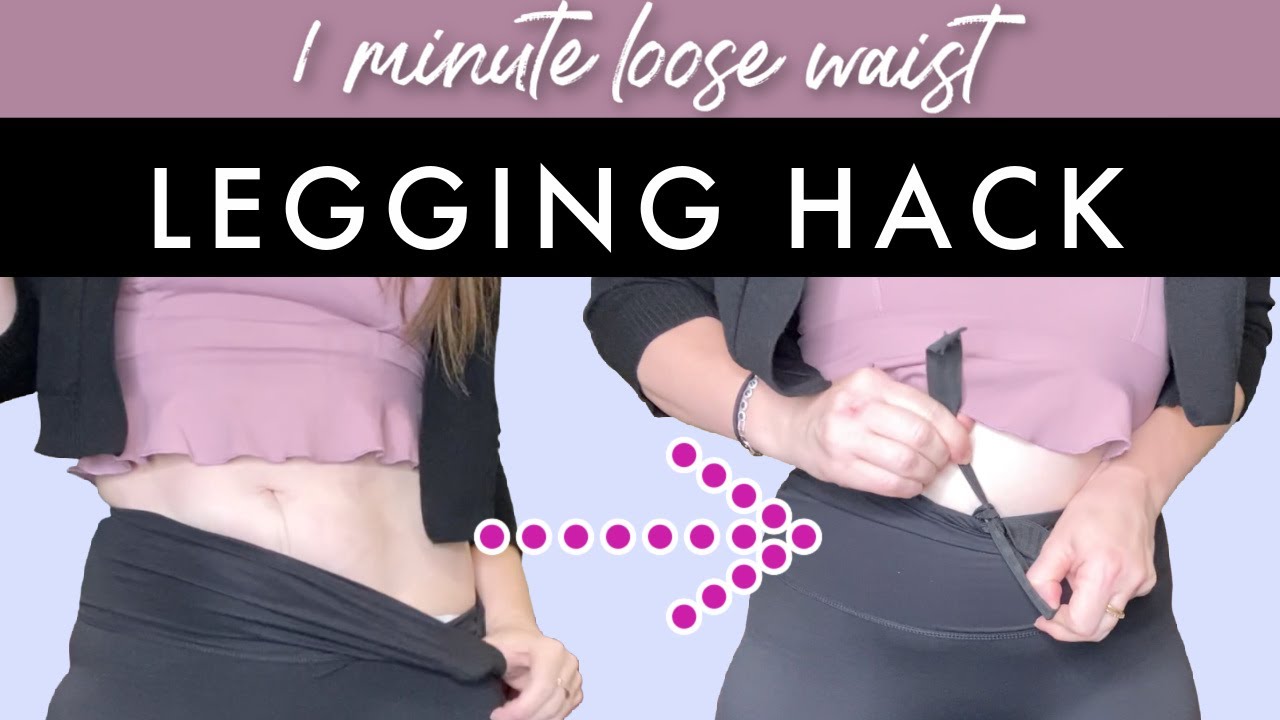
4. Tie A Knot Inside The Waistband
If your leggings have a hidden drawstring or enough stretch, you can tie a small knot inside the waistband to make it tighter.
- Reach inside the waistband from the back or side seam.
- Gather a bit of fabric and tie a knot, making sure it sits flat.
- Adjust until you get the desired tightness.
This is a quick, no-tool method, but be careful not to make the knot too big or uncomfortable.
5. Use Safety Pins (with Caution)
Safety pins can temporarily take in the waistband or side seams.
- Turn leggings inside out.
- Pinch the excess fabric and secure it with a pin.
- Test the fit carefully to ensure comfort.
Always use high-quality safety pins to prevent them from popping open or poking you. For best results, use this method only for short periods.
6. Wear With A Belt Or Sash
A thin belt, elastic band, or sash can be worn over the waistband (under your top) to hold leggings up and make them tighter.
- Choose a belt that’s slim and flexible.
- Position it at the narrowest part of your waist.
- Pull leggings up so they’re snug, then put on the belt and tuck in any excess.
This works best with long shirts or tunics to cover the belt.
Heat-based Methods For Shrinking Leggings
One of the most effective ways to make leggings tighter without sewing is to shrink them using heat. This takes advantage of the fabric’s natural response to high temperatures.
How Heat Shrinking Works
Most flare leggings contain spandex, polyester, or cotton. Each reacts differently to heat:
- Cotton: Shrinks easily with hot water and high dryer heat.
- Polyester/Spandex: Can shrink, but less dramatically; always check the label.
Hot Water Washing And Drying
Here’s a step-by-step way to shrink your leggings using heat:
- Turn leggings inside out to protect color and finish.
- Wash in hot water: Use your machine’s hottest setting (if allowed).
- Dry on high heat: Put leggings in the dryer on the highest heat safe for the fabric.
- Check the fit: Try them on after one cycle. Repeat if needed, but avoid over-shrinking.
Boiling Water Soak
For extra shrinking, especially with thick cotton blends:
- Boil a large pot of water.
- Submerge leggings for 10-20 minutes.
- Remove with tongs and let cool slightly.
- Dry on high heat.
This method can shrink leggings up to one full size. However, it can also fade colors or damage delicate materials, so use it with care.
Steam Iron Tightening
If you need to target a specific area (like the waistband or thighs):
- Place the leggings on an ironing board.
- Use a steam iron on the highest safe setting.
- Press the area, holding for 5-10 seconds at a time.
- Repeat, checking regularly for shrinkage.
Steam ironing is less aggressive than boiling and gives more control, but results are usually subtle.
When Heat Shrinking Works Best
- Leggings are mostly cotton or a cotton blend.
- You want a small reduction (half a size to one size).
- You don’t mind a slight change in texture or finish.
When To Avoid Heat Shrinking
- Leggings are 100% synthetic (like nylon or polyester), which don’t shrink much.
- The care label says “cold wash only.”
- You want a reversible change (shrinking is permanent).
Elastic-based Solutions
Elastic is a core part of how leggings fit. If yours feel loose, adding or adjusting elastic can help—without sewing.
1. Insert A No-sew Adjustable Elastic Band
Special no-sew elastic bands are available at craft stores. They have buttonholes or snaps, allowing you to tighten the waistband.
- Make a small cut on the inner waistband seam (use sharp scissors).
- Thread the elastic through, using a safety pin as a guide.
- Adjust the band until the waist feels snug.
- Secure the ends with the built-in snaps or tuck them inside.
This method is nearly invisible and customizable, but requires careful handling to avoid damaging the fabric.
2. Use Fabric Tape Or Hemming Tape
Fabric tape (also called hemming tape) can be used to “take in” the side seams or flare:
- Turn leggings inside out.
- Pinch the area you want to tighten.
- Place a strip of hemming tape inside the seam, then press with a hot iron.
- Hold for 30 seconds to fuse the layers together.
Hemming tape is a semi-permanent solution. It can last through several washes but may lose strength over time. It works best for slimming the flare or thighs.
3. Clip-on Waistband Tighteners
Clip-on waistband tighteners (also called button extenders) are small, removable devices that cinch the waistband.
- Attach the clip to the inside of the waistband.
- Pull the fabric through and snap in place.
These are popular for quick fixes and can be adjusted for different outfits.
Diy Tailoring Tricks Without Sewing
Some creative methods use household items or simple tools to customize fit—no needles required.
1. Use Body Tape Or Fashion Tape
Double-sided fashion tape is designed to hold clothing in place:
- Stick tape to the inside of the waistband or thighs.
- Put on leggings and press the tape onto your skin.
Fashion tape works best for short-term wear (like events or photo shoots). It’s gentle on most fabrics but may lose stickiness with sweat.
2. Create Temporary Pleats
- Pinch a section of loose fabric at the waist or thigh.
- Fold it flat against the inside.
- Hold in place with a bobby pin, small clip, or even a binder clip.
This method is adjustable and doesn’t damage fabric but may not hold up during vigorous activity.
3. Layer With Shapewear
Wearing shapewear shorts or compression shorts under your leggings can make them fit tighter, especially in the waist and hips.
- Choose a pair with a non-slip waistband.
- Layer under your flare leggings.
This also smooths out lines and provides support.
4. Use Silicone Grip Strips
Self-adhesive silicone strips (like those found in strapless bras) can be attached to the inside of the waistband to prevent slipping.
- Cut the strip to length.
- Peel and stick to the inside of the waistband.
- Press firmly.
Silicone strips are reusable and invisible, making them a favorite among dancers and athletes.
Adjusting The Flare Without Sewing
Sometimes, the flare itself is too wide or floppy. Here’s how to slim it down, no needle required.
1. Use Fabric Tape To Taper The Flare
- Turn leggings inside out.
- Lay them flat and pinch the flare to the desired width.
- Use hemming tape along the new edge.
- Press with a hot iron to bond.
This creates a slimmer silhouette. For best results, measure both legs to keep the shape even.
2. Add Elastic Bands Inside The Flare
- Cut a piece of elastic the length of the flare’s edge.
- Attach it inside the hem with safety pins or fabric glue.
The elastic gathers the flare, making it less wide and more controlled.
3. Temporary Tuck And Clip
- Fold the excess flare fabric inside.
- Secure with a small clip or pin at the seam.
This is perfect for testing out a slimmer look before making a permanent change.
Comparing The Most Popular Methods
To help you decide which method is best, here’s a comparison of the most common no-sew tightening techniques:
| Method | Best For | Durability | Time Needed | Reversible? |
|---|---|---|---|---|
| Hair tie/rubber band | Waistband | Temporary | 1 min | Yes |
| Heat shrinking | All-over tightening | Permanent | 1-2 hrs | No |
| Fabric tape | Flare/Thighs | Semi-permanent | 10-20 mins | Somewhat |
| Layering/shapewear | Waist/Hips | Temporary | 2-3 mins | Yes |
Pros And Cons Of Each Approach
Every method has its strengths and weaknesses. Here’s a quick overview to help you pick wisely:
| Technique | Pros | Cons |
|---|---|---|
| Heat shrinking | Simple, no tools, long-lasting | Permanent, may damage fabric, uneven results |
| Elastic band/hair tie | Fast, adjustable, reversible | Can feel bulky, temporary |
| Fabric tape | Neat finish, works for shape changes | May wear out, needs careful application |
| Shapewear/layering | Easy, no damage to leggings | May feel hot, not a true alteration |
Credit: www.walmart.com
Common Mistakes To Avoid
Many beginners try to tighten leggings without thinking about the consequences. Here are two mistakes people often make:
- Over-shrinking with heat: Some fabrics shrink too much, making leggings uncomfortable or unwearable. Always test with a short wash/dry cycle before repeating.
- Using sharp pins or clips: These can tear thin fabrics or cause runs. Always use smooth, fabric-safe tools and test on a small area first.
A third, less obvious mistake: forgetting to check symmetry. When adjusting the flare or legs, measure both sides to keep your leggings balanced.
How To Choose The Best Method For Your Leggings
Every pair of leggings is unique. Here’s what to consider before picking a tightening method:
- Fabric type: Heat works best for cotton, while spandex/polyester responds to elastic or tape.
- Where you need tightening: Waistband, hips, or flare? Some methods are specific.
- How permanent you want the change: Temporary fixes are best for experimenting; permanent ones are for committed changes.
- Comfort: Some quick fixes (like hair ties) may not be comfortable for all-day wear.
- Look and feel: Try on leggings after each step to check for bulges, lines, or unevenness.
Real-life Examples: What Works And What Doesn’t
To make this advice practical, here are some real-world examples:
- Case 1: Ashley bought polyester flare leggings that were loose at the waist. She tried heat shrinking, but it didn’t work. Inserting an adjustable no-sew elastic band gave her a perfect fit.
- Case 2: Michael’s cotton leggings stretched out after a few washes. He soaked them in boiling water, dried on high heat, and got them back to size.
- Case 3: Priya had a pair that fit at the waist but flared too much. She used hemming tape to slim the flare, creating a custom look without sewing.
These examples show that the right technique depends on your fabric and where you need a tighter fit.
When To Try Professional Help
Sometimes, even the best no-sew methods don’t give a perfect fit. If your leggings are expensive, sentimental, or you need a permanent change, consider a professional tailor. Many offer no-sew adjustments using industrial hemming tape or elastic, which look seamless and last longer.

Credit: www.instructables.com
Caring For Adjusted Leggings
Once you’ve tightened your leggings, keep them in good shape with these tips:
- Wash in cold water and air dry when possible.
- Avoid fabric softeners, which can weaken elastic over time.
- Check adjustments (tape, elastic, pins) after each wash.
- Store folded, not hung, to prevent stretching.
These habits will help your customized leggings stay tight and comfortable for longer.
Non-obvious Insights Most Beginners Miss
- Fabric memory matters: Some synthetic fabrics “remember” their original shape and will stretch back out, even after heat shrinking or taping. Repeated adjustments may be needed.
- Layering can change the look: Adding shapewear or a second pair of leggings may alter how the flare sits or how the fabric drapes, so always check the look before heading out.
- Invisible tape and silicone grips: These are often used by dancers and stylists to keep clothes in place—try them for a professional finish.
Frequently Asked Questions
How Can I Make Flare Leggings Fit Better At The Waist Without Sewing?
You can use a hair tie, add a no-sew adjustable elastic band, or try folding down the waistband. For a more lasting change, insert a silicone grip strip or use fabric tape inside the waistband. Always check comfort and make sure the adjustment is invisible under your top.
Will Heat Shrinking Damage My Leggings?
Heat shrinking is safe for most cotton leggings but can damage or warp polyester and spandex blends. Always check the care label and test with a short hot wash first. Avoid repeated cycles, as they can fade colors and weaken elastic fibers.
Can I Use Double-sided Tape To Tighten Leggings?
Yes, fashion tape or double-sided body tape can stick the waistband or thighs to your skin for a snug fit. It’s best for short-term use (like photo shoots or events), as sweat and movement may reduce its effectiveness.
Is Fabric Tape A Good Long-term Solution For Tightening Flares?
Fabric tape provides a semi-permanent bond. It works well for a few washes but may loosen over time. For a more durable finish, combine fabric tape with heat pressing, or consider professional no-sew hemming products.
Where Can I Find No-sew Elastic Bands For Leggings?
You can find no-sew elastic bands at craft stores, fabric stores, or online retailers. Look for adjustable bands with snaps or buttonholes designed for waistbands. For more information, check resources like WikiHow.
Making flare leggings tighter without sewing is possible with the right tools and techniques. Whether you use quick tricks, heat, elastic, or creative solutions, you can get the fit you want—no sewing skills needed. Try these methods and enjoy your leggings with new confidence and style.
Credit: www.youtube.com
