

How to Make Flare Leggings: Step-by-Step DIY Guide
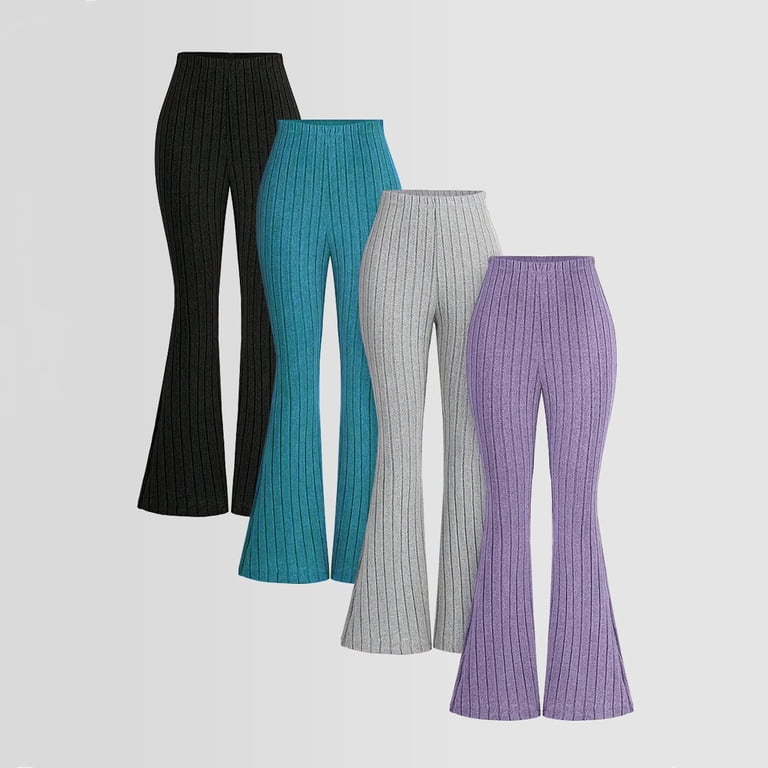
Flare leggings are back in style and more popular than ever. Their unique shape—fitted at the waist and thigh, then flaring out from the knee—makes them comfortable and flattering for many body types. Whether you want to create a custom pair that fits you perfectly, or you’re interested in sustainable fashion by making your own clothes, learning how to make flare leggings is a valuable skill.
In this guide, you’ll learn everything you need to know to create your own flare leggings from scratch. You don’t need to be a professional tailor; even if you’re a beginner, you can make a pair with patience and the right steps.
This article will cover choosing fabric, measuring, making or using a pattern, cutting, sewing, finishing techniques, and helpful tips that many beginners miss. You’ll also find answers to common questions at the end.
Let’s get started on your journey to making stylish, personalized flare leggings.
Understanding Flare Leggings
Before you begin, it’s important to know what makes flare leggings different from regular leggings. Classic leggings are tight from waist to ankle, while flare leggings become wider from the knee down. This design not only adds style but also offers more freedom of movement around the lower leg.
Many people choose flare leggings for yoga, dance, casual wear, or as part of a trendy outfit. The flare creates a flowing look that pairs well with different tops and shoes. When making your own, you can decide how dramatic the flare will be and choose colors or patterns that match your personality.
Selecting The Right Fabric
The fabric you choose will make a big difference in the comfort, appearance, and fit of your leggings. Flare leggings work best with materials that stretch and recover well. Here’s what you need to consider:
Key Qualities To Look For
- Stretch: Look for fabrics with at least 5% elastane (spandex or Lycra). This gives leggings their signature stretch and snap-back fit.
- Recovery: Good recovery means the fabric returns to its original shape after stretching.
- Weight: Medium-weight fabrics are best. Very thin fabrics may be see-through, while thick fabrics can feel heavy.
- Softness: Since leggings sit close to the skin, soft fabric is more comfortable.
Popular Fabric Choices
- Cotton-spandex blends: Soft and breathable, but may stretch out over time.
- Polyester-spandex blends: Very durable, keeps color well, and has excellent stretch. This is common in athletic wear.
- Nylon-spandex blends: Smooth and strong, often used for high-performance leggings.
- Bamboo-spandex: Eco-friendly, soft, and moisture-wicking.
Comparison Of Popular Legging Fabrics
| Fabric Type | Stretch | Breathability | Durability | Feel |
|---|---|---|---|---|
| Cotton-Spandex | High | High | Medium | Soft |
| Polyester-Spandex | Very High | Medium | High | Smooth |
| Nylon-Spandex | High | Medium | Very High | Sleek |
| Bamboo-Spandex | High | Very High | Medium | Very Soft |
How Much Fabric Do You Need?
For most adults, you’ll need about 1. 5 to 2 meters (about 1. 7 to 2. 2 yards) of fabric, depending on your size and the amount of flare you want. Always buy a little extra for mistakes or pattern matching.
Practical Tip: Avoid fabrics with no stretch. Without stretch, leggings will not fit or move well.
Taking Accurate Measurements
To make leggings that fit well, accurate measurements are essential. Here are the key areas to measure:
- Waist: Measure around the narrowest part of your waist.
- Hips: Measure the fullest part of your hips and bottom.
- Rise: From the crotch seam up to your waistline (front).
- Inseam: From the top of the inner thigh to where you want the legging to end (usually just below the ankle).
- Thigh: Around the widest part of your thigh.
- Knee: Around the knee where the flare will start.
- Calf: Around the widest part of your calf (for reference).
- Ankle/Flare Opening: Around the spot where the leggings will end; decide how wide you want the flare.
Use a flexible tape measure and write down your numbers. Measure over thin clothing or underwear for accuracy.
Example Measurement Guide
| Area | What to Measure | Common Range (cm) |
|---|---|---|
| Waist | Narrowest part | 65–85 |
| Hips | Fullest part | 90–110 |
| Inseam | Inner thigh to ankle | 70–85 |
| Knee | Around the knee | 35–45 |
| Flare Opening | Desired flare width | 50–70 |
Non-obvious insight: Always double-check your measurements. Even a 1 cm difference can affect how the leggings fit.
Choosing Or Making A Pattern
Patterns are templates that guide you in cutting the fabric to the right shape. You have two main options:
Using A Commercial Pattern
Many companies sell patterns for flare leggings. These are available in sewing stores or online as paper or digital downloads. Look for patterns marked for stretch fabrics and “flared” or “bootcut” styles.
Making Your Own Pattern
If you want a custom fit, you can make your own pattern using these steps:
- Trace Existing Leggings: Take a pair of leggings that fit well. Fold them in half and lay them on paper. Trace around them, adding extra width from the knee downward for the flare.
- Draw the Flare: Start at the knee and angle the line outward to your desired flare width at the bottom.
- Add Seam Allowance: Add about 1 cm (3/8 inch) around your traced lines for seams.
- Check Symmetry: Make sure both legs are the same shape.
Non-obvious insight: If you’re new to pattern-making, use cheap fabric (muslin) to test your pattern before cutting your final fabric. This is called making a “muslin” or “toile.”
Cutting Your Fabric
Once you have your pattern and fabric ready, it’s time to cut. Here’s how to do it properly:
- Wash and Dry the Fabric: Always pre-wash your fabric. Stretch fabrics can shrink, and this prevents surprises later.
- Lay Out the Fabric: Fold it in half, right sides together (the side you want to show on the outside should be inside at this stage).
- Pin the Pattern: Place your pattern on the fabric, aligning the grainline (usually parallel to the stretch).
- Cut Carefully: Use sharp fabric scissors. For best results, use pattern weights to keep the pattern in place.
Extra Tip: Don’t stretch the fabric as you cut. Let it lay flat to avoid pieces becoming misshapen.
Sewing Flare Leggings: Step-by-step Instructions
Sewing stretch fabrics can feel challenging, but it’s easy with the right approach and tools.
What You’ll Need
- Stretch needle (ballpoint needle) for your sewing machine
- Stretch or polyester thread
- Sewing machine with zigzag or stretch stitch settings (serger/overlocker is great, but not required)
- Pins or fabric clips
- Measuring tape and scissors
Step 1: Assemble The Legs
- Pin Front and Back Pieces: With right sides together, pin the inner leg seams (from crotch to ankle) on both legs.
- Sew Inner Leg Seams: Use a zigzag stitch or stretch stitch. This allows the seam to stretch with the fabric.
- Sew Outer Leg Seams: Pin and sew the outer leg seams from waist to ankle.
Step 2: Sew The Crotch
- Turn One Leg Right Side Out: Leave the other leg inside out.
- Insert Right-Side-Out Leg into the Other: Align crotch seams.
- Pin and Sew the Crotch Curve: This joins both legs into one pair of leggings.
Step 3: Attach The Waistband
Most leggings have a stretchy waistband for comfort and fit. You can make a simple elastic waistband or a wide yoga-style waistband from fabric.
Simple Elastic Waistband
- Cut Elastic: Use your waist measurement minus 2–3 cm for snugness.
- Join Elastic Ends: Overlap and sew together.
- Divide Waistband and Legging Waist into Quarters: Mark both with pins.
- Pin Elastic to Legging Waist: Stretch elastic as you pin.
- Sew Elastic to Waist: Use zigzag stitch, stretching elastic slightly as you sew.
- Fold Over and Topstitch: Fold waistband down and sew again to encase the elastic.
Yoga-style Fabric Waistband
- Cut a Waistband Piece: About twice as high as you want the finished band, and as wide as your waist (plus seam allowance).
- Sew Short Ends Together: Form a loop.
- Fold in Half: Wrong sides together, so raw edges meet.
- Pin to Leggings: Match raw edges, stretching slightly as needed.
- Sew Around Waist: Use a stretch stitch.
Pro Tip: Some prefer the yoga waistband for comfort and a smooth look under tops.
Step 4: Finish The Hem
The hem at the bottom of the flare is important for a neat, professional look.
- Try On the Leggings: Mark the desired length.
- Fold Up the Hem: Usually 1–2 cm.
- Pin and Sew: Use a zigzag stitch or twin needle for stretch.
If you have a coverstitch machine, use it for a truly professional hem.

Credit: themomedit.com
Customizing Your Flare
One of the best parts of making your own leggings is choosing how dramatic the flare will be. Here are ways to customize:
Adjusting Flare Width
- Subtle Flare: Only add a few centimeters to each side below the knee.
- Extreme Flare: Add much more width for a bold, bell-bottom look.
Flare Shape
- Straight Flare: The flare widens evenly from the knee to the hem.
- Curved Flare: For a flowy, swishy hem, curve the flare line outward more.
Length Options
- Full Length: Traditional, hits below the ankle.
- Cropped Flare: Ends above the ankle, pairs well with sneakers or sandals.
Decorative Touches
- Contrast Waistband: Use a different color or pattern for the waistband.
- Side Slits: Add small slits at the hem for extra movement.
- Appliqués or Embroidery: Personalize your leggings with simple decorations.
Common Mistakes And How To Avoid Them
Many beginners make similar errors when making leggings. Here are some to watch out for:
- Using Non-Stretch Fabric: The leggings will not fit or move properly.
- Forgetting Seam Allowance: Always add extra fabric around your pattern for seams.
- Cutting Fabric the Wrong Way: Stretch should go around the body, not up and down.
- Not Testing Stitch Stretch: Some stitches break when stretched. Test on a scrap first.
- Skipping the Try-On Step: Always try on your leggings before hemming to check fit.
Key insight: If your seams pop when you stretch the leggings, your stitch is not stretchy enough. Switch to a zigzag or stretch stitch.

Credit: www.youtube.com
Flare Leggings Vs. Other Styles
To understand what makes flare leggings unique, here’s a quick comparison with other popular styles.
| Feature | Flare Leggings | Classic Leggings | Bootcut Pants |
|---|---|---|---|
| Fit at Thigh | Snug | Snug | Semi-fitted |
| Leg Shape | Flares below knee | Tight to ankle | Straight/boot flare |
| Fabric | Stretch knit | Stretch knit | Often woven |
| Best for | Movement, style | Layering, sport | Smart casual |
Tips For Sewing Stretch Fabrics
Sewing with stretch fabric can feel different from regular cotton or woven fabric. Here are some practical suggestions:
- Use a Stretch Needle: Regular needles may skip stitches or damage fabric.
- Choose the Right Stitch: Zigzag or stretch stitches move with the fabric and prevent seams from breaking.
- Don’t Pull the Fabric: Let the machine feed the fabric; pulling can stretch and distort seams.
- Test Stitches First: Try your stitch on a scrap of fabric before sewing your leggings.
- Press, Don’t Iron: Press seams gently with a warm iron and use a pressing cloth if needed.
Hidden detail: If you don’t have a serger, a narrow zigzag stitch can mimic the same effect for joining seams.
Caring For Your Flare Leggings
Homemade leggings can last a long time with proper care. Here’s how to keep them looking and feeling good:
- Wash in Cold Water: Helps maintain elasticity and color.
- Use Mild Detergent: Avoid bleach and fabric softeners that damage stretch fibers.
- Air Dry or Tumble Dry Low: High heat can break down spandex fibers.
- Avoid Ironing Directly: If needed, use a low setting and a cloth between the iron and leggings.
Sustainable Sewing: Why Make Your Own?
Making your own leggings isn’t just fun—it’s also a step toward sustainable fashion. When you sew at home:
- You control fabric quality: Choose organic or recycled materials.
- Reduce waste: Use leftover fabric for headbands or small projects.
- Repair and reuse: If leggings stretch out or tear, you can fix them instead of throwing them away.
- Personal expression: Design leggings that truly match your style.
Sewing clothes at home is growing in popularity as people look for ways to save money, reduce waste, and avoid fast fashion. If you’re interested in learning more about sustainable fashion and DIY clothing, check out this resource on sustainable fashion.
Troubleshooting And Advanced Tips
As you gain experience, you might want to try advanced techniques:
- Twin Needle Hems: Gives a professional finish and stretches with the fabric.
- Serging Seams: If you have a serger, use it for strong, stretchy seams.
- Adjusting Fit: If leggings are too loose, take in the seams. If too tight, use a smaller seam allowance or add a side panel.
Common Issues
- Waistband Rolls Down: Try a wider waistband or firmer elastic.
- Fabric Pilling: Choose higher-quality fabric and wash gently.
- Seams Break: Switch to a more flexible stitch or loosen thread tension.
Pro tip: Mark the back of your leggings with a small tag or piece of ribbon inside. This makes it easy to tell front from back.
Frequently Asked Questions
What Type Of Fabric Is Best For Flare Leggings?
The best fabric is a stretch knit with at least 5% spandex or elastane. Polyester-spandex and nylon-spandex blends offer great stretch and durability. Cotton-spandex blends are soft but may lose shape faster. Always choose a fabric that feels comfortable against your skin.
Do I Need A Serger To Sew Leggings?
No, you don’t need a serger. A regular sewing machine with a zigzag or stretch stitch will work well. A serger makes seams look more professional and durable, but it’s optional, especially for beginners.
How Do I Make Sure My Leggings Fit Perfectly?
Take accurate measurements and test your pattern with a cheap fabric first (making a muslin). Try on the leggings before hemming, and adjust seams as needed. Customizing the pattern to your body shape is the best way to get a perfect fit.
Can I Add Pockets To My Flare Leggings?
Yes, you can add side pockets or hidden waistband pockets. Cut pocket pieces and attach them to the side seams or inside the waistband before sewing the final seams. Pockets add functionality but may require a little extra sewing skill.
How Do I Keep The Flare Shape After Washing?
To keep the flare shape, wash leggings in cold water and avoid high heat in the dryer. Lay flat or hang to dry. Choose good-quality, stretch fabrics that hold their shape. If the hem flares too much after washing, press it gently with a warm iron.
Sewing your own flare leggings is a creative and rewarding project. You’ll learn new skills, create something unique, and enjoy leggings that fit and flatter your body. With patience and the right techniques, you’ll be able to make stylish flare leggings for any occasion.
Credit: www.walmart.com
