

How to Make Flare Leggings: Step-by-Step DIY Guide
Making your own flare leggings at home is not just a fun DIY project—it is also a way to create a wardrobe piece that fits you perfectly. If you love the look of retro-inspired pants or want to add some personality to your style, learning how to make flare leggings gives you full creative control.
Many people believe sewing clothes is hard, but with the right steps and guidance, it becomes an enjoyable process. This guide will show you everything you need to know, from choosing fabric to adding finishing touches, even if you are new to sewing.
Along the way, you’ll discover tips that help you avoid common mistakes, and you’ll see why homemade leggings can outperform many store-bought options. Let’s begin this journey to stylish, custom flare leggings.
Understanding Flare Leggings
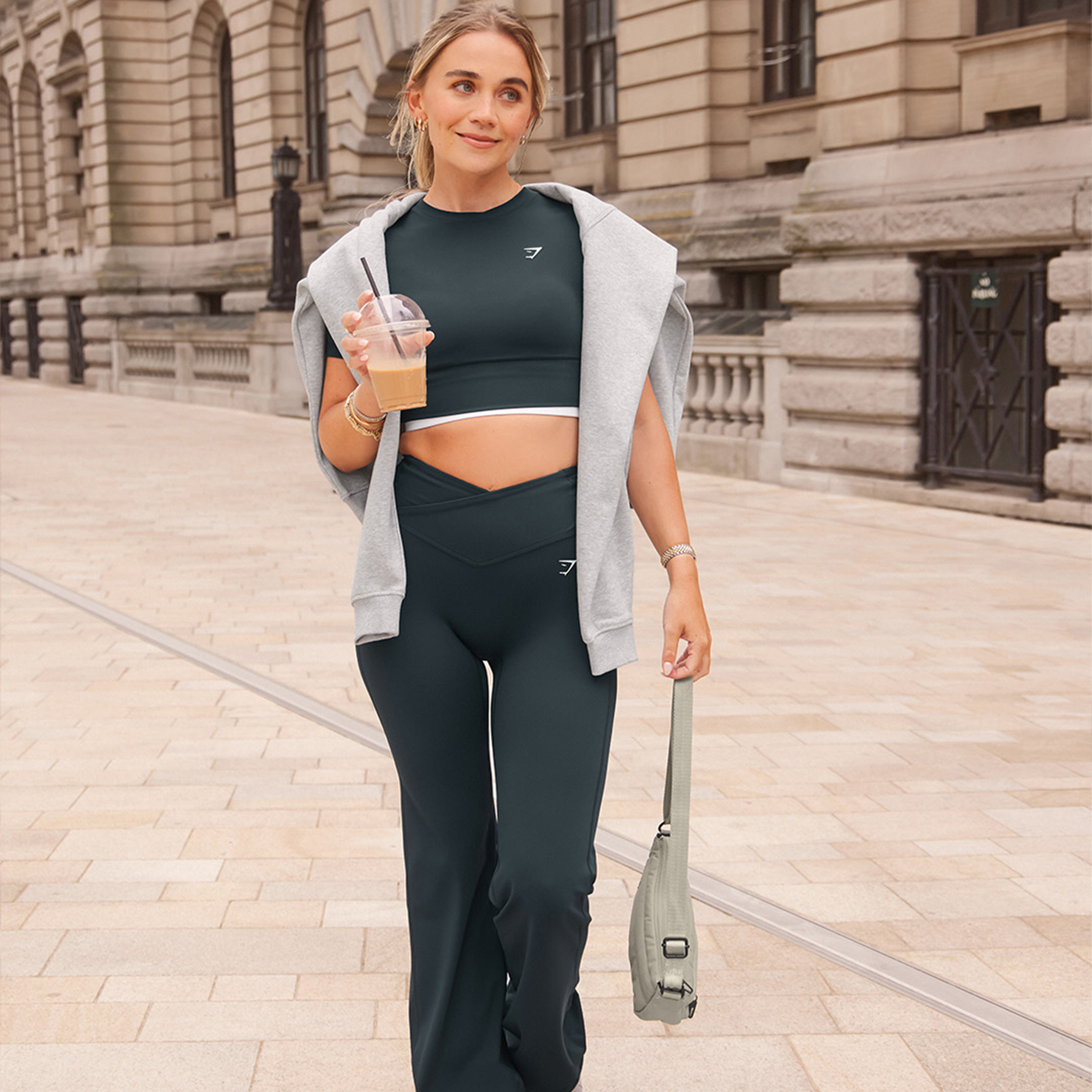
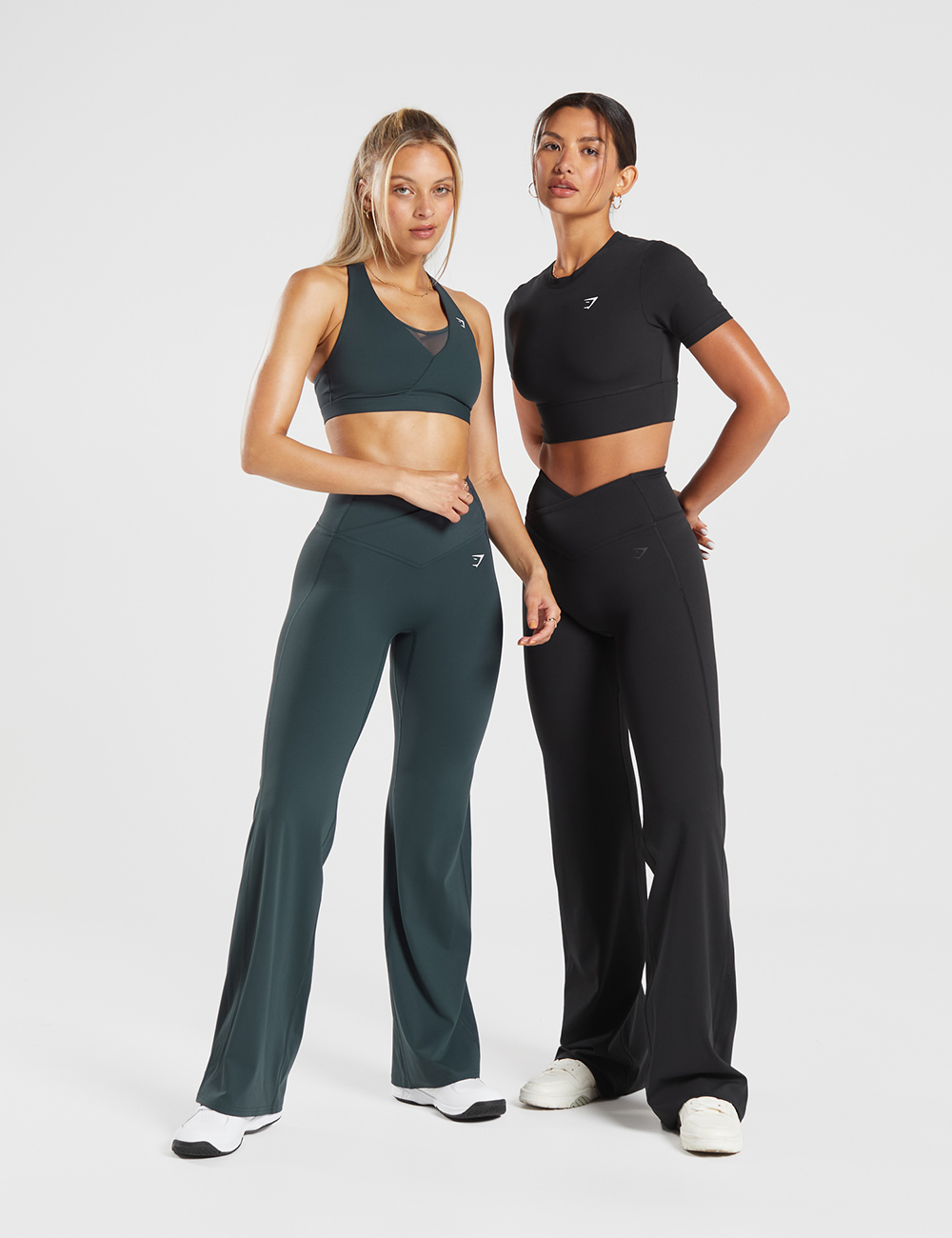
Flare leggings are different from regular leggings because they are fitted at the top and flare out from the knee or calf to the ankle. This shape creates a flattering silhouette for many body types. Flare leggings are popular in yoga, dance, and casual wear because they combine comfort with a fashionable look.
They move easily with the body and offer a bit more ventilation and style than straight-cut leggings.
There are several types of flare leggings:
- Subtle flare: Slightly wider at the ankle, almost straight.
- Wide flare: Dramatic, bell-bottom style.
- Cropped flare: Ends above the ankle, with a smaller flare.
You can make any of these styles at home. The most important thing is to plan the shape and width of the flare before you begin.
Materials And Tools You Need
Before you start, gather all the materials and tools. Having everything ready will save time and make the process smoother.
Essential Materials
- Stretch fabric: Look for fabric with at least 4-way stretch, such as spandex, lycra, or jersey knit. You’ll need about 1.5 to 2 yards, depending on your size and the flare width.
- Matching thread: Choose a color that blends with your fabric.
- Elastic: For the waistband. 1–2 inches wide is most comfortable for leggings.
Tools
- Sewing machine: A machine with a zigzag or stretch stitch is best.
- Ballpoint needle: Special needle for stretch fabrics.
- Scissors or rotary cutter: For precise cutting.
- Measuring tape: To take accurate body and fabric measurements.
- Pins or clips: To hold fabric pieces together.
- Chalk or fabric marker: For marking lines on fabric.
- Seam ripper: Useful if you need to correct mistakes.
- Iron: For pressing seams.
Optional Tools
- Serger: For professional-looking seams.
- Pattern weights: To hold pattern pieces in place.
- Paper for pattern making: If you want to draft your own pattern.
Choosing The Right Fabric
The fabric you choose will make a big difference in how your flare leggings look and feel. Not all stretch fabrics behave the same way.
| Fabric Type | Stretch | Breathability | Best For |
|---|---|---|---|
| Lycra/Spandex | High | Medium | Yoga, Dance |
| Cotton Jersey | Medium | High | Casual Wear |
| Polyester Blend | High | Low | Performance |
| Bamboo Knit | Medium | High | Eco-Friendly |
Non-obvious insight: When choosing fabric, always check the stretch direction. Leggings need to stretch both ways—across and down the leg. Avoid woven fabrics with little or no stretch, as they will not fit well and could tear when you move.
Another tip: Test the fabric recovery by stretching and releasing it. Good fabric snaps back to its original shape, which means your leggings will not sag after wearing.
Taking Accurate Measurements
To make leggings that fit perfectly, measurements are critical. You don’t need advanced skills—just a flexible measuring tape and a mirror.
Measure these key areas:
- Waist: Find your natural waist, usually just above the belly button.
- Hips: Measure around the fullest part of your hips and buttocks.
- Rise: Measure from the crotch seam up to your natural waist.
- Inseam: From the top inner thigh to the ankle.
- Knee: Around your knee, where the flare will begin.
- Calf: For a custom fit above the flare.
- Ankle: For the hem opening.
Practical example: If you want a dramatic flare, measure the ankle opening wider—up to 24 inches around for bold bell-bottoms. For a subtle flare, keep it just a few inches wider than your calf.
Write down each measurement. Double-check for accuracy. Small errors can lead to leggings that are too tight or loose.
Making Or Choosing A Pattern
You have two choices: buy a commercial pattern or make your own. Both work well, but creating your own pattern allows for more customization.
Using A Commercial Pattern
Many brands offer flare leggings patterns. Look for those marked “stretch” or “knit fabrics only. ” Check reviews online to see how easy they are to follow. Patterns usually include instructions and size charts. Always compare your measurements to the chart before cutting.
Making Your Own Pattern
If you have a favorite pair of leggings, you can trace them to make a custom pattern.
Step-by-step:
- Fold your leggings in half, with the back side out. This reveals the entire leg shape.
- Place them on large paper (or wrapping paper).
- Trace around the leggings, adding 1/4 inch for seam allowance.
- At the knee, draw a gentle outward curve down to the ankle to create the flare.
- For the waistband, add a rectangle pattern that matches your waist measurement plus seam allowance.
Non-obvious insight: When making your own pattern, add a little extra to the flare width. It’s easier to trim later than to add fabric if it’s too narrow.
Cutting The Fabric
Once your pattern is ready, it’s time to cut the fabric. This step affects how your leggings will fit and stretch.
Tips for precise cutting:
- Lay your fabric flat, with no wrinkles.
- Position the pattern so the greatest stretch runs across the leg.
- Pin or weigh down the pattern before cutting.
- Cut slowly and carefully, following the chalk or marker lines.
Cut two mirrored leg pieces and the waistband piece. If your fabric has a right and wrong side, keep them consistent.
Credit: www.gymshark.com
Sewing The Leggings Together
Now comes the fun part—sewing your flare leggings. Even if you’re a beginner, these steps are manageable.
Step 1: Sewing The Legs
Place the two leg pieces right sides together. Pin along the inner leg seam from crotch to ankle. Sew with a stretch stitch or a narrow zigzag. This lets the seam stretch as you move.
Common mistake: Using a straight stitch. This can snap the thread when you stretch the leggings. Always use a stitch that moves with the fabric.
Step 2: Sewing The Crotch
With both leg pieces sewn, turn one leg right side out. Insert it into the other leg so the crotch seams line up. Pin and sew the crotch seam in a U-shape. This connects both legs.
Step 3: Adding The Waistband
Take your waistband piece, fold it in half lengthwise (right sides out), and sew the short ends together to make a loop. Pin the waistband to the top of the leggings, matching the seams. Sew around the top, stretching the waistband slightly as you go.
Step 4: Inserting Elastic
Cut elastic to fit your waist snugly but comfortably. Overlap the ends and sew them together to make a circle. Insert the elastic into the waistband, either before or after attaching it, depending on your design.
Pro tip: Sew the waistband with a zigzag stitch, or use a twin needle for a professional finish.
Step 5: Hemming The Flare
Try on the leggings and check the flare length. Trim if needed. Fold the raw edge under 1/2 inch and pin. Sew with a stretch stitch or zigzag.
Example: For a dramatic look, use a contrasting thread color for the hem.
Customizing The Flare Shape
You can adjust the flare for different looks. Here’s how:
- For a subtle flare, draw a small outward curve from knee to ankle.
- For a wide flare, make a sharp outward angle starting just below the knee.
- To add a side slit, cut a small slit at the outer hem before hemming.
If you want to experiment, sew a test flare first using scrap fabric. This lets you see how the shape falls without risking your final fabric.
Tips For Professional Finishing
Even homemade leggings can look store-bought if you finish them well.
- Press all seams with an iron. This helps them lie flat.
- Trim threads and tidy up inside seams.
- Use a serger for seam edges, or a zigzag stitch if you don’t have one.
- Add a tag or small piece of ribbon inside to mark the back.
Non-obvious insight: Wash your fabric before sewing. Some stretch fabrics shrink after the first wash, which can ruin the fit.
Adding Details And Personal Touches
Homemade leggings are a blank canvas. Try these ideas:
- Add a small pocket inside the waistband for keys or coins.
- Sew a decorative seam or piping along the flare for contrast.
- Attach small buttons or studs at the hem.
- Use fabric paint or iron-on patches to add patterns or logos.
Example: Make matching headbands or wristbands with leftover fabric.
Caring For Your Flare Leggings
To keep your flare leggings looking new, care for them properly.
- Wash in cold water on a gentle cycle.
- Avoid fabric softener, which breaks down elastic fibers.
- Hang dry or lay flat to keep the shape.
- Fold instead of hanging to prevent stretching.
Stretch fabrics can pill over time. Turn leggings inside out before washing to reduce friction.
Common Mistakes And How To Avoid Them
1. Choosing the wrong fabric: Always use fabric with 4-way stretch. Too little stretch means leggings won’t fit or will tear.
2. Incorrect measurements: Double-check all body measurements. Small mistakes can make a big difference.
3. Sewing with the wrong stitch: Use a zigzag or stretch stitch. Straight stitches break easily on stretch fabric.
4. Skipping the test fit: Try on the leggings before hemming. Adjust length and flare as needed.
5. Not pre-washing fabric: Shrinkage after sewing can ruin the fit.
Credit: www.gymshark.com
Comparing Homemade Vs. Store-bought Flare Leggings
Making your own leggings can be more rewarding than buying them. Here’s a quick comparison:
| Feature | Homemade | Store-Bought |
|---|---|---|
| Fit | Custom to your body | Standard sizes |
| Style | Fully customizable | Limited options |
| Price | Often lower, especially for basics | Can be expensive for unique styles |
| Fabric Choice | Any you like | Chosen by manufacturer |
| Durability | High, if made well | Varies by brand |
Non-obvious insight: Many people find homemade leggings last longer because you can reinforce seams and choose better-quality fabric than some fast fashion brands.
Troubleshooting Common Issues
Sometimes, things don’t go perfectly. Here’s how to fix common problems:
- Leggings too tight: Unpick the side seam and resew with a smaller seam allowance.
- Waistband rolls: Use wider elastic or top-stitch the waistband to keep it flat.
- Flare shape looks odd: Trim the flare more evenly or sew a deeper hem.
- Seams pop open: Double-check you are using a stretch stitch and enough seam allowance.
Learning from mistakes is part of the sewing process. Don’t be afraid to experiment and adjust.

Credit: www.youtube.com
Sustainable Sewing Tips
Making your own leggings can be more eco-friendly than buying new ones.
- Use leftover fabric from other projects.
- Repurpose old t-shirts or stretch dresses into leggings.
- Choose bamboo or organic cotton knits for less environmental impact.
- Donate scraps to textile recycling.
Example: Cutting leggings from a large old t-shirt reduces waste and creates a unique look.
Pattern Adjustments For Different Body Types
Everyone’s body is different. Here’s how to adjust the pattern for a perfect fit:
- Long legs: Add length to the inseam before cutting.
- Short legs: Shorten the pattern at the knee, not the hem, to keep flare shape.
- Curvy hips: Add a small curve to the hip area for a better fit.
- Small waist: Reduce waistband width, but keep enough stretch for comfort.
If you want leggings for children or men, adjust the rise and hip measurements as needed.
Creating A Flare Leggings Pattern From Scratch
If you want complete control, draft your own pattern based on your measurements.
- Draw a straight line equal to your inseam.
- Mark points for waist, hip, knee, and ankle along this line.
- At each point, draw a perpendicular line equal to half the measurement (waist, hip, etc. ).
- Connect the lines with gentle curves for the inner and outer leg.
- From knee to ankle, angle outward for the flare.
- Add seam allowance (usually 1/4 to 1/2 inch) around all sides.
This method is detailed but gives the best fit. You can reuse the pattern for future projects.
Frequently Asked Questions
How Much Fabric Do I Need For Flare Leggings?
Most adult sizes need about 1. 5 to 2 yards (about 1. 4 to 1. 8 meters) of stretch fabric. If you want extra-wide flares or are taller than average, buy a little more to be safe.
Can I Make Flare Leggings Without A Sewing Machine?
It’s possible to sew by hand using a stretch stitch, like a backstitch, but it takes much longer. A sewing machine with a zigzag stitch makes the process faster and the seams more durable.
What Kind Of Elastic Is Best For The Waistband?
Choose knit elastic that is 1 to 2 inches wide. It stretches with the fabric and stays comfortable against the skin. Avoid braided elastic, as it can twist or lose shape.
How Do I Make Sure The Flare Looks Even On Both Legs?
After sewing but before hemming, lay the leggings flat and compare the flare shapes. Trim as needed for symmetry. Pin the hems while the leggings are on your body for a perfect match.
Where Can I Find Good Sewing Patterns For Flare Leggings?
You can find patterns online at fabric stores, sewing websites, or in books. For a reliable source, check out Seamwork, which offers clear patterns and tutorials.
Making flare leggings at home lets you design clothes that fit your body and your personal style. With practice, you’ll gain confidence in sewing, and soon you’ll be making leggings that rival those from any boutique. Remember to enjoy the process, experiment with fabrics and styles, and wear your creations proudly.
