

How to Make Flare Leggings Shorter: Easy DIY Alteration Tips
Flare leggings are stylish, comfortable, and make a bold statement. But if you’re not tall or you’ve bought a pair that’s too long, the extra fabric at the bottom can drag, fray, or simply look awkward. Many people face this problem—flared hems that puddle over shoes or sweep up dirt.
The good news? You don’t need to be a sewing expert or spend a lot of money at a tailor to get the perfect fit. With a little patience and the right steps, you can make your flare leggings shorter at home and keep them looking professionally finished.
Let’s explore the different methods, the right tools, and all the details you need to confidently shorten your flare leggings. Whether you want a no-sew solution or plan to hem by hand or with a machine, this guide covers every step.
You’ll also find practical tips, common mistakes to avoid, and answers to questions that beginners often have but forget to ask.
Understanding Flare Leggings And Why Length Matters
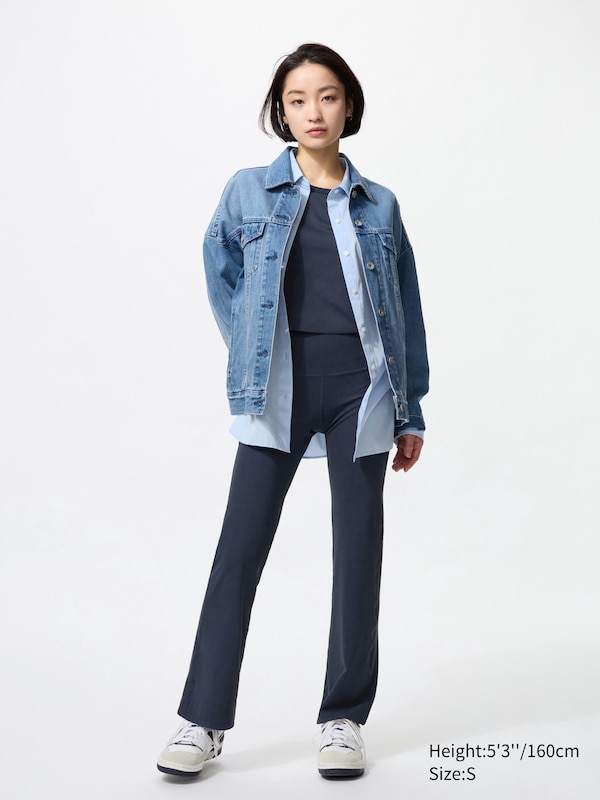
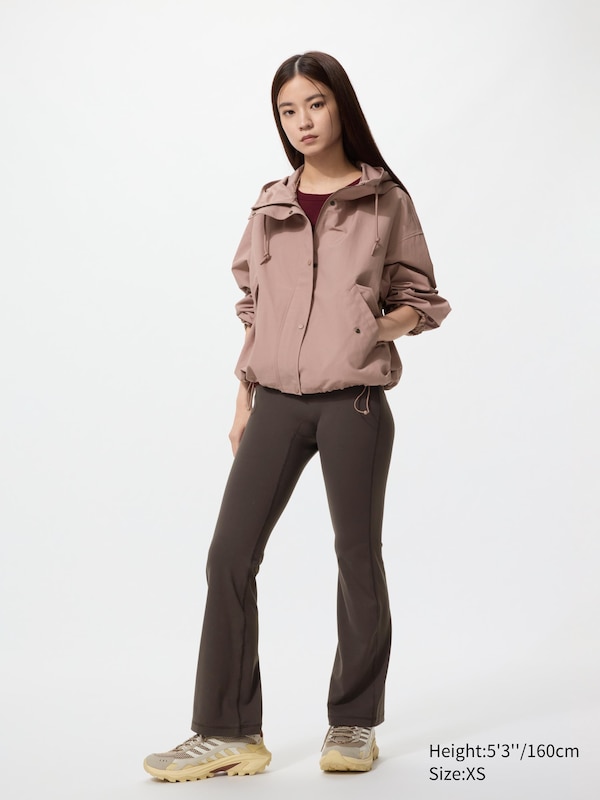
Flare leggings, sometimes called bell-bottom leggings, are fitted at the thigh and widen from the knee to the ankle. This shape makes them comfortable and flattering for many body types. However, length is especially important for this style. If flare leggings are too long, the wide hem will drag on the ground, making you look shorter and possibly ruining the fabric.
On the other hand, a pair that is too short can look awkward and unbalanced.
Key reasons to shorten flare leggings:
- Prevent tripping on excess fabric
- Avoid fraying and dirt on the hem
- Show off your shoes and style
- Achieve a tailored, polished look
Before you start cutting or hemming, it’s important to understand the fabric and construction of your leggings. Stretchy fabrics like spandex, polyester, or blends behave differently from cotton or wool. Some flare leggings have raw edges, while others have sewn hems.
Each detail affects how you should approach shortening them.
What You Need To Know Before Shortening Flare Leggings
Before you pick up the scissors, there are a few things to check. Taking time for preparation can prevent costly mistakes.
Fabric Type And Stretch
Most leggings are made from stretchy fabric. This gives you comfort but also means the hem can curl or lose shape if not handled correctly. Always check if your fabric is a four-way stretch (stretches in both directions) or two-way stretch (usually only side-to-side). This affects how the fabric will react to sewing or cutting.
Flare Shape
Flare leggings widen at the bottom. If you simply cut straight across, you might lose the “flare” and end up with a strange angle or even a bootcut look. It’s important to maintain the original angle of the flare.
Desired Length
Decide if you want your leggings to skim the top of your shoes, stop at the ankle, or hit somewhere in between. Put on the shoes you plan to wear most often with your leggings before marking the new length.
Tools And Materials
Having the right tools will make your project smoother. Here’s what you need:
- Sharp fabric scissors
- Measuring tape
- Chalk or fabric marker
- Pins or clips
- Sewing machine (for a strong, professional hem)
- Needle and thread (for hand sewing)
- Iron and ironing board
- Seam ripper (optional, for removing old hems)
- Hem tape or fabric glue (for no-sew methods)
- Stretch/ballpoint needle (if using a sewing machine)
- Matching thread
Some tools, like a sewing machine or stretch needle, are optional but make the process easier and give a better finish.
Methods To Make Flare Leggings Shorter
There are several ways to shorten flare leggings, each with its own benefits and challenges. Here are the most effective methods:
1. Cutting And Sewing A New Hem
This is the most common and durable way to shorten flare leggings. You remove the extra length, then sew a new hem that matches the original.
Steps:
1. Try On And Mark
Put on your leggings and the shoes you’ll wear. Stand straight and use a mirror or a helper to mark where you want the leggings to end. Use chalk or a washable marker for a clear line.
2. Add Seam Allowance
Add about 1–2 cm below your marked line for the hem fold. Most people forget this step and end up with leggings that are too short.
3. Lay Flat And Cut
Take off the leggings and lay them flat on a table. Make sure both legs are lined up evenly. Use sharp scissors to cut across, following the angle of the flare.
4. Pin And Fold
Fold up the extra fabric to the inside, using the amount you left for the seam allowance. Pin or clip the fold in place. If you want to keep the flare’s shape, pin along the curve of the hem, not straight across.
5. Sew The Hem
Use a sewing machine with a stretch or zigzag stitch, or hand sew with a stretch needle and matching thread. Sew slowly to avoid stretching the fabric. Remove pins as you go.
6. Press The Hem
Use an iron to press the new hem flat. This helps it look neat and professional.
Non-obvious Insights
- Don’t use a straight stitch on stretchy fabric—it will snap when you put on the leggings. Use a zigzag or stretch stitch.
- When pinning, match up the side seams on both legs to keep the hems even.
2. Reattaching The Original Hem (hemming With A Professional Finish)
If you want your leggings to look exactly like they did before, you can cut off the original hem, shorten the leggings, and then sew the old hem back on. This is called “hemming with original hem” or “euro hemming.
”
Steps:
1. Mark And Cut Off The Original Hem
Mark the new length, add seam allowance, and then cut off the hem (the finished edge at the bottom) about 2 cm above the seam.
2. Cut Leggings To New Length
Cut the leggings at the new length, remembering to subtract the height of the hem you just removed.
3. Pin And Sew Hem Back On
Place the original hem over the new edge, right sides together. Pin in place, matching seams. Sew with a stretch stitch.
4. Press And Finish
Fold the hem down, press flat, and enjoy a professional look.
Practical Tip
- This method keeps the original stitching and texture, which can be hard to match by hand.
3. Using Hem Tape Or Fabric Glue (no-sew Method)
If you don’t want to sew, hem tape or fabric glue can give you a quick fix. This method is best for those without sewing skills or tools.
Steps:
1. Mark And Cut
Mark your new length, add seam allowance, and cut.
2. Fold And Press
Fold the fabric up to the inside. Use an iron to press the fold sharply.
3. Apply Hem Tape Or Glue
Place hem tape between the folded edge and the leggings. Iron to activate the adhesive, or use fabric glue and press. Let dry or cool as directed.
4. Check The Bond
Gently tug at the hem to make sure it’s secure.
Limitations
- Hem tape and fabric glue may not hold as well as sewing, especially for very stretchy or thick fabrics.
- It’s not recommended for heavy use, workouts, or frequent washing.
4. Hand Sewing A Hem
For those who don’t have a sewing machine, hand sewing is a reliable method. It gives you control and can be done almost anywhere.
Steps:
1. Mark And Cut
As above, mark your new length and cut.
2. Fold And Pin
Fold the fabric up and pin in place.
3. Sew With Stretch Stitch
Use a needle and stretch thread. A catch stitch or blind hem stitch works well for leggings. Keep stitches small and even.
4. Press And Finish
Iron the hem for a neat finish.
Hidden Insight
- Hand sewing allows for more subtle, invisible hems, especially if you use a matching thread and careful stitching.
5. Creating A Raw Edge (if Your Leggings Allow)
Some leggings look great with a raw edge (no hem at all), especially if the fabric doesn’t fray. This is the fastest and easiest method.
Steps:
1. Mark And Cut
Put on the leggings, mark the new length, and cut with sharp scissors.
2. Test The Edge
Stretch the edge gently. Some fabrics will curl slightly, which can look stylish.
3. Optional: Use Fray Check
For peace of mind, apply a small amount of fray prevention liquid to the edge.
Example
- Many yoga brands use a raw edge on their leggings. This method works best on synthetic, knit fabrics that do not unravel.
Step-by-step Example: Shortening Flare Leggings With A Sewing Machine
Let’s walk through the most common way—cutting and sewing a new hem using a sewing machine.
- Preparation: Wash and dry your leggings first. Fabric can shrink, and you want to make any changes after shrinkage has occurred.
- Marking: Wear the leggings, stand straight, and use a mirror to mark the ideal length. Remember to add at least 1.5 cm for the hem fold.
- Cutting: Lay the leggings flat, line up both legs, and cut across at the mark. Use the first leg as a guide for the second leg to keep the lengths even.
- Folding: Fold the edge up by 1.5 cm and pin in place. Use plenty of pins to prevent slipping.
- Sewing: Use a stretch stitch or narrow zigzag. Start at an inner seam and sew around the hem, gently stretching the fabric as you sew.
- Finishing: Remove pins, press the hem flat, and check for loose threads.
Pro Tip: Practice on a scrap piece of fabric before sewing your leggings. This helps you test your stitch length and tension.

Credit: www.youtube.com
Comparing The Main Methods
Here’s a quick comparison of the most popular methods for shortening flare leggings:
| Method | Skill Level | Durability | Time Required | Best For |
|---|---|---|---|---|
| Cutting & Sewing New Hem | Beginner-Intermediate | High | 30-60 min | Most fabrics |
| Reattaching Original Hem | Intermediate | Very High | 60-90 min | Professional finish |
| No-Sew Hem Tape/Glue | Beginner | Medium-Low | 20-30 min | Quick fixes |
| Hand Sewing | Beginner | Medium-High | 40-60 min | No machine |
| Raw Edge | Beginner | Varies | 10 min | Non-fray fabrics |
Choosing The Right Method For Your Leggings
Your best method depends on several factors:
- Fabric type: Stretchy, non-stretch, or thick material?
- Desired finish: Do you want a professional look or a quick fix?
- Tools available: Do you have a sewing machine or only basic supplies?
- Skill level: Are you comfortable with sewing or do you prefer no-sew options?
Decision Guide
Use this guide to help you decide:
| Situation | Recommended Method |
|---|---|
| Stretchy, expensive leggings | Reattaching original hem |
| No sewing machine | Hand sewing or no-sew tape |
| Quick, temporary fix | Hem tape or fabric glue |
| Fabric that doesn’t fray | Raw edge |
| Everyday leggings | Cutting & sewing new hem |
Credit: www.uniqlo.com
Tips To Get A Perfect Finish
Shortening flare leggings can be simple, but small mistakes can ruin the look. Here are some expert tips:
- Always mark both legs separately. Even a small difference in length is visible when you wear them.
- Test your method on a fabric scrap if possible. This is especially important for no-sew adhesives or new sewing stitches.
- Use a stretch needle and thread to avoid skipped stitches or broken thread.
- Press after every step. Ironing helps set the fold and gives a cleaner finish.
- Don’t cut too much at once. If you’re unsure, cut less. You can always trim more, but you can’t add fabric back.
Common Mistakes And How To Avoid Them
Everyone makes mistakes when learning, but you can avoid the most common ones:
- Forgetting seam allowance: Always add extra fabric for folding and sewing.
- Using the wrong stitch: A straight stitch is not flexible and can break when the leggings stretch. Use a zigzag or stretch stitch.
- Uneven cuts: Use a ruler or measuring tape, and cut both legs together if possible.
- Sewing too tight: Don’t pull on the fabric while sewing, or the hem will pucker.
- Ignoring the flare angle: Cut along the flare, not straight across, to keep the shape.
Special Challenges: Wide Flares, Double Layers, And Printed Fabrics
Wide Flare Leggings
If the flare is very wide, you may need to adjust your pinning and sewing to avoid puckers. Pin more frequently and sew slowly around the curve.
Double-layer Leggings
Some leggings have a double layer at the hem for weight or opacity. You’ll need to carefully fold both layers or sew them together to prevent shifting.
Printed Or Patterned Fabrics
With prints, make sure the pattern looks even after shortening. If the pattern is directional (like stripes), line up both legs before cutting.
Caring For Your Shortened Flare Leggings
Once you’ve made your leggings the perfect length, you want them to last. Here’s how to care for them:
- Wash inside out to protect the hem
- Use a gentle cycle and cold water for stretchy fabrics
- Avoid high heat when drying—air dry or use a low setting
- Check hems after washing for loose threads or adhesive
These steps help your leggings look new and fit perfectly for a long time.
When To See A Professional Tailor
Sometimes, it’s worth investing in a professional. Consider a tailor if:
- The fabric is expensive or delicate
- The leggings have special features (zippers, unique hems)
- You don’t feel confident doing it yourself
- You want the hem to look exactly like the original
A tailor has the right tools and experience to handle tricky fabrics or complex hems. For more on tailoring costs and services, check the Tailor Institute.
Practical Example: Shortening Flare Leggings Without A Sewing Machine
Let’s say you have a pair of flare leggings, but no machine and little sewing skill. Here’s how you could use hem tape for a clean, no-sew finish:
- Wear the leggings, mark the new length, and add 1.5 cm for the fold.
- Cut both legs evenly.
- Fold the new edge up 1.5 cm inside, press with an iron.
- Slip hem tape inside the fold, iron again to activate the adhesive.
- Let the leggings cool, then turn right side out and check the hem.
This method works well for most knit leggings and takes only a few minutes.
Real-life Data: How People Fix Legging Length
A survey by a popular sewing forum found that:
- 45% of people use a sewing machine to hem leggings
- 25% prefer no-sew methods (hem tape, glue)
- 15% hand sew
- 10% leave a raw edge
- 5% visit a professional tailor
This shows that many prefer DIY methods, with only a small number choosing professional tailoring.
Frequently Asked Questions
How Do I Keep The Flare Shape After Shortening?
The key is to cut along the same angle as the original hem. Don’t cut straight across unless the flare is very slight. Pin the fabric so the new hem follows the curve. If you’re unsure, use the original hem method, which keeps the original shape.
Can I Shorten Leggings With A Serger?
Yes, a serger is great for stretchy fabrics. Use it to finish the raw edge before folding up the hem. Then sew with a stretch stitch or coverstitch for a professional look. Sergers also help prevent fraying on some fabric types.
What If My Leggings Have Side Slits Or Details At The Hem?
For leggings with side slits, decorative stitching, or other details, you’ll need to remove and reattach or recreate these features after shortening. Carefully mark and cut above the detail, then re-sew the slit or apply new finishing touches.
Is Fabric Glue Safe For All Legging Materials?
Fabric glue works best on synthetic knits. Always test a small hidden area first. Some glues can harden or peel on very stretchy fabrics. For heavy use or frequent washing, sewing is a more reliable method.
Credit: www.uniqlo.com
How Much Shorter Should I Make My Flare Leggings?
It depends on your height, shoe choice, and style preference. A good rule is to aim for the hem to sit about 1–2 cm above the ground when wearing your chosen shoes. Always err on the longer side—you can trim more if needed, but you can’t add fabric back.
Flare leggings can look amazing at any height if they’re the right length. Shortening them at home is possible with careful steps, the right tools, and a little patience. Now you’re ready to give your flare leggings a perfect, custom fit—no more dragging hems or wasted pairs in the closet.
With these tips, you can confidently tackle any pair and enjoy your favorite style every day.
