

How to Make Business Casual Look Good: Style Tips That Work
How To Make Business Casual Look Good
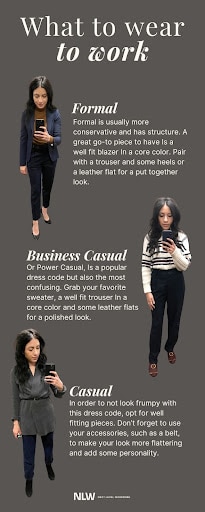
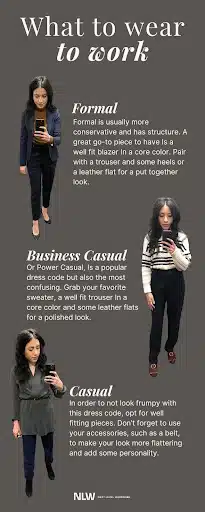
Business casual can feel confusing. Some people wear jeans and sneakers. Others show up in dress shirts and chinos. There are many styles, and the rules are not always clear. But there is good news: with the right approach, business casual can help you look sharp, feel comfortable, and make a strong impression at work or any semi-formal event.
A good business casual outfit helps you fit in but also stand out for the right reasons. It’s about balance—relaxed, but not sloppy; smart, but not stiff. Many people struggle to get this balance right. A jacket might feel too formal.
A polo shirt might look too relaxed. Choosing colors, fabrics, and accessories can feel overwhelming. But if you know what matters, you can master business casual and look great, even on a tight budget.
This guide will show you how to make business casual look good—whatever your body type, workplace, or personal style. You’ll learn the key elements, common mistakes, and simple tricks that give your outfit extra polish. We’ll also look at how business casual differs for men and women, how to build a wardrobe, and how to dress for different seasons or industries.
If you want to look confident and stylish in a business casual world, read on.
Understanding Business Casual
The term business casual means different things in different offices. In some places, it’s almost like wearing a suit without a tie. In others, it’s much more relaxed—think khakis and a neat polo shirt. The key is to look professional but feel comfortable.
Core Elements
- Tops: Collared shirts, blouses, knit sweaters, and sometimes polos
- Bottoms: Chinos, dress pants, skirts (not too short), or tailored jeans (if allowed)
- Shoes: Loafers, flats, oxfords, ankle boots, and clean sneakers (if your workplace allows)
- Layers: Light blazers, cardigans, or vests
Jeans, T-shirts, and sneakers are sometimes acceptable, but only in very casual offices. Athletic wear, ripped clothes, and flip-flops are rarely appropriate.
Why It Matters
Looking good in business casual helps you feel more confident. It tells others you care about your work and your appearance. Studies show that dressing well can improve both how others see you and how you perform. In one survey by OfficeTeam, over 80% of managers said that how an employee dresses affects their chances of getting promoted.
Building A Business Casual Wardrobe
Starting with a strong foundation makes business casual much easier. You don’t need a huge closet. You just need a few well-chosen pieces that fit well, work together, and suit your job.
Must-have Pieces For Men
- Collared shirts (white, blue, or light patterns)
- Neutral chinos (beige, navy, or gray)
- Blazers or sport coats (navy or gray works well)
- Dark, tailored jeans (if allowed)
- Dress shoes (brown or black)
- Leather belt (matches your shoes)
- Knit sweaters (crew or V-neck)
Must-have Pieces For Women
- Blouses or tops (solid colors or simple patterns)
- Dress pants (black, navy, or gray)
- Pencil or A-line skirts (knee-length)
- Cardigans or blazers (neutral colors)
- Simple dresses (not too short or flashy)
- Flats, loafers, or ankle boots
- Minimalist jewelry (nothing too bold)
A smaller wardrobe with the right basics is easier to manage. Choose pieces that mix and match well. This makes it easy to create many outfits with a few clothes.
Making The Most Of Your Budget
Quality matters more than quantity. One well-made blazer will look better and last longer than three cheap ones. Look for good fabric, neat stitching, and a fit that suits your body. Thrift stores and online sales can be great places to find bargains on quality brands.
Key Tip For Beginners
Invest first in neutral colors. These work with almost everything and are less likely to look dated. Add color or patterns later, once you know what looks good on you.
The Importance Of Fit
Even the most expensive clothes look bad if they don’t fit. Fit is the single most important part of looking good in business casual.
What Good Fit Looks Like
- Shirts should sit smoothly on your shoulders, with sleeves ending at your wrist bone.
- Pants should not bunch at the waist or drag on the floor.
- Blazers should hug your shoulders and close comfortably, without pulling or sagging.
- Skirts and dresses should skim your body, not squeeze or hang loose.
A common mistake is wearing clothes that are too big. Many people think baggy means comfortable, but it often just looks sloppy. If you’re unsure, ask a trusted friend or take a photo of yourself. A tailor can make simple changes for a low cost that make a huge difference.
Alterations: A Secret Weapon
Many beginners skip tailoring, but small changes can make cheap clothes look expensive. Shortening sleeves, hemming pants, or taking in the waist costs less than buying new clothes. It’s especially worth it for jackets and dress pants.
Choosing The Right Colors And Patterns
Color can change the whole mood of an outfit. For business casual, simple and neutral colors work best. But you don’t have to wear only black, gray, or navy.
Color Basics
- Neutrals (black, navy, gray, beige, white) are safe and versatile.
- Accent colors (burgundy, forest green, mustard, soft pink) add personality.
- Avoid loud or neon colors—they look unprofessional in most business settings.
Patterns
- Simple patterns (stripes, checks, small dots) are fine for shirts, skirts, or blouses.
- Bold patterns can work, but keep them limited to one piece per outfit.
- Matching tip: Pair a patterned item with solid colors elsewhere.
Skin Tone And Color Choice
One insight beginners miss: some colors look better on you based on your skin tone. If you have cool undertones, blue and gray look great. Warm undertones work well with beige and olive. Try different shades to see what makes your skin look healthy and bright.
Layering For Style And Comfort
Layering adds interest to your outfit and helps you stay comfortable as temperatures change. The trick is to keep it simple and avoid bulky or mismatched layers.
How To Layer Well
- Start with a base layer: A shirt or blouse.
- Add a middle layer: A lightweight sweater or vest.
- Finish with an outer layer: A blazer, cardigan, or smart jacket.
Avoid wearing more than three layers—too many can look messy. Each layer should fit well and not be too tight over the one beneath it.
Example: Men’s Layering
- Light blue shirt + gray sweater + navy blazer
Example: Women’s Layering
- White blouse + beige cardigan + tailored black pants
Common Layering Mistake
Wearing all thick fabrics makes you look bulky. Mix lighter and heavier materials for balance.
Shoes: The Foundation Of Every Outfit
Shoes are often overlooked, but they can make or break your business casual look. Worn-out shoes or sneakers with holes ruin an otherwise good outfit.
Best Business Casual Shoes
For men:
- Leather loafers
- Derby or oxford shoes
- Chelsea boots
- Clean, minimalist sneakers (if allowed)
For women:
- Ballet flats
- Loafers
- Ankle boots
- Low to mid heels (not too high)
- Smart sneakers (in very relaxed offices)
Shoe Colors
Stick with black, brown, tan, navy, or gray. Bright colors or patterns are risky unless you know your office well.
Care Tips
Polish leather shoes regularly. Replace laces and wipe dirt off fabric shoes. Rotate shoes to avoid wear and smell.
Credit: nextlevelwardrobe.com
Accessories: Less Is More
Accessories can add polish but also distract if overdone. The best business casual accessories are simple and functional.
For Men
- Leather belt (match to your shoes)
- Simple watch
- Subtle tie or pocket square (if desired)
- Minimal jewelry (like a wedding band)
For Women
- Small earrings or studs
- Delicate necklace or bracelet
- Classic watch
- Simple belt
- Structured handbag or tote
Avoid big, flashy jewelry or anything that makes noise when you move. Scarves can add color, but keep patterns simple.
Grooming And Personal Care
No outfit looks good if you ignore grooming. Clean hair, tidy nails, and fresh breath matter as much as your clothes.
Key Grooming Habits
- Hair: Keep it neat, trimmed, and styled simply.
- Facial hair: Well-groomed beards or clean-shaven looks both work.
- Nails: Short and clean.
- Hygiene: Use deodorant and avoid heavy cologne or perfume.
- Clothes: Make sure they’re clean, ironed, and free of lint or pet hair.
Fragrance
A light, pleasant scent is fine. Avoid strong fragrances, as some people are sensitive or allergic.
Business Casual For Different Body Types
Looking good is not about being thin or tall. It’s about knowing what flatters your shape and choosing clothes that fit well.
For Men
- Broad shoulders: Avoid shoulder pads. Choose fitted shirts and jackets.
- Slim build: Layering can add shape. Avoid super-skinny pants.
- Larger build: Dark colors and vertical patterns can slim. Avoid baggy clothes.
For Women
- Curvy: A-line skirts, wrap dresses, and fitted blazers look great.
- Petite: High-waisted pants, vertical stripes, and cropped jackets create length.
- Tall: Mid-length skirts and wide-leg trousers balance height.
One insight many miss: Tailoring is not just for suits. Even casual pants or skirts look much better when adjusted to your body.
Adapting Business Casual To Your Workplace
Different industries have different ideas about business casual. A tech startup’s dress code is not the same as a law firm’s. If you’re new to a company, watch what others wear before making bold choices.
Examples Of Business Casual By Industry
| Industry | Typical Business Casual | What to Avoid |
|---|---|---|
| Finance | Blazers, dress shirts, tailored pants | Jeans, sneakers, loud colors |
| Tech | Polo shirts, chinos, clean sneakers | Shorts, flip-flops, graphic tees |
| Creative | Patterned shirts, smart jeans, boots | Anything too formal or too casual |
| Education | Knit sweaters, skirts, loafers | Ripped jeans, tank tops, sandals |
If your workplace has a dress code policy, read it carefully. If not, dress one step above the most casual outfit you see until you learn the limits.
Credit: nextlevelwardrobe.com
Seasonal Business Casual Tips
Weather changes what feels comfortable and looks good. Plan your wardrobe to work in both hot and cold months.
Summer
- Lightweight, breathable fabrics (cotton, linen)
- Short-sleeve shirts or blouses (with collars)
- Lighter colors to reflect heat
- No shorts or tank tops
Winter
- Wool or cashmere sweaters
- Layered shirts and cardigans
- Darker, richer colors
- Smart boots
Rainy Weather
Keep a compact umbrella and water-resistant shoes at work. Wet shoes or clothes look unprofessional.
Mixing Business Casual With Personal Style
You can look professional and still show your personality. Small touches make your outfit unique, as long as you stay within business casual limits.
How To Add Personality
- A patterned scarf or pocket square
- A bright but tasteful handbag or tie
- Subtle jewelry or interesting socks
- Signature glasses
The key is to add one or two personal items, not too many at once.
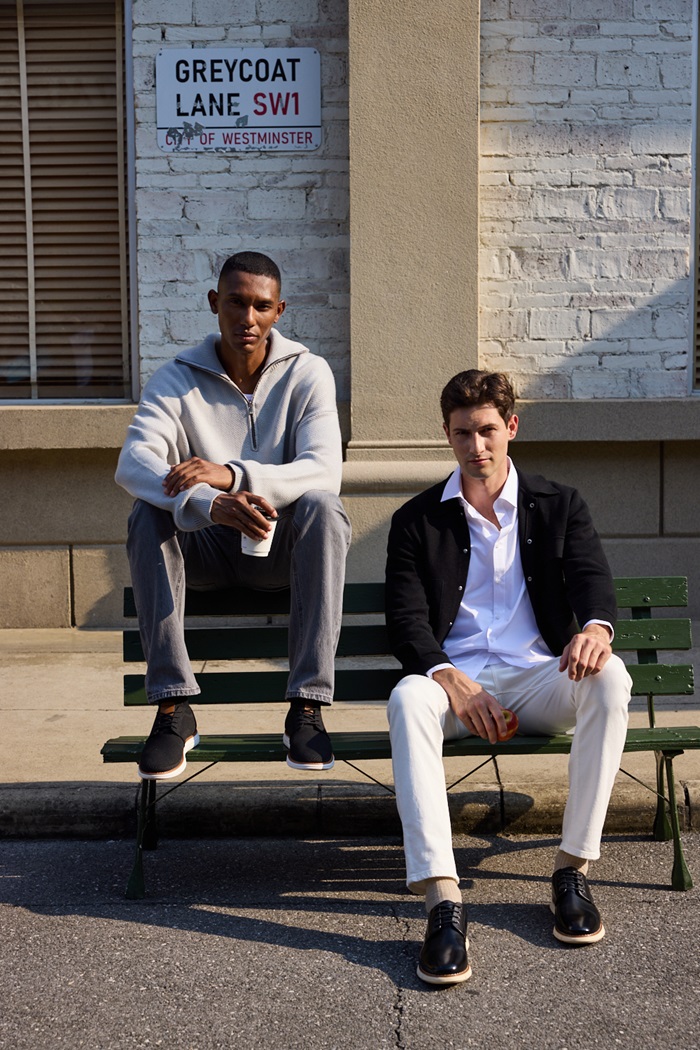
Example: Standout Accessories
A woman might wear a simple black dress and add a colorful necklace. A man might choose fun socks under classic gray pants.
Credit: www.brunomarc.com
Mistakes To Avoid
Many business casual outfits fail because of small mistakes. Here are some common ones and how to avoid them.
- Wearing wrinkled clothes: Always iron or steam your outfit.
- Too many patterns: Stick to one per outfit.
- Dirty or old shoes: Clean or replace them regularly.
- Exposed underwear: Make sure shirts are long enough and pants fit well.
- Logos or slogans: Avoid big brand names or funny sayings.
- Too casual: T-shirts, ripped jeans, and flip-flops almost never work.
- Ignoring fit: Baggy or tight clothes look sloppy.
- Over-accessorizing: Keep jewelry and extras simple.
One thing beginners often miss: Your bag counts as part of your outfit. A worn-out backpack can ruin a polished look. Choose a simple tote, briefcase, or laptop bag that matches your style.
How To Shop For Business Casual
Shopping for business casual is easier if you know what to look for. Here’s a quick guide to help you buy smart.
Shopping Tips
- Try before you buy: Sizes vary by brand. Always check fit.
- Buy in person when possible: You can feel the fabric and see the color.
- Check return policies: If you shop online, make sure you can return items that don’t fit.
- Look for sales: Many stores have big discounts at the end of each season.
- Read reviews: Other buyers can tell you if items fit true to size.
Comparing Brands For Value
Here’s a comparison of popular US brands for business casual shopping.
| Brand | Price Range | Strengths | Weaknesses |
|---|---|---|---|
| Uniqlo | Low to Moderate | Affordable basics, good fit | Limited styles |
| J.Crew | Moderate | Modern styles, high quality | Can be pricey |
| Banana Republic | Moderate to High | Classic business casual | Some fits run large |
| Nordstrom Rack | Low to High | Designer brands, discounts | Inconsistent sizes |
Try mixing brands to find what suits your style and budget best.
Sustainability And Business Casual
Looking good doesn’t have to harm the planet. Many brands now offer sustainable fabrics and ethical production.
How To Dress Sustainably
- Buy less, choose better: Invest in quality, not quantity.
- Look for natural fabrics: Cotton, linen, and wool are better for the environment.
- Support ethical brands: Check if a brand is transparent about its factories and materials.
- Care for your clothes: Wash in cold water, air dry, and repair rather than toss.
A helpful resource for finding ethical brands is the Good On You directory.
Business Casual For Remote Work
With more people working from home, business casual still matters for video calls. Looking put-together boosts your confidence and helps you focus.
Tips For Remote Business Casual
- Wear a neat shirt or blouse, even if you’re in sweatpants.
- Choose colors that look good on camera (avoid bright white or busy patterns).
- Keep hair tidy and check your background for distractions.
- If you stand up on camera, make sure your lower half matches your top.
A non-obvious insight: Good lighting and posture make as much difference as your clothes on video calls.
Frequently Asked Questions
What Is The Difference Between Business Casual And Smart Casual?
Business casual is more formal than smart casual. Business casual usually means collared shirts, dress pants or skirts, and closed shoes. Smart casual can include neat T-shirts, trendy jeans, and stylish sneakers. Business casual always looks polished and professional, while smart casual is more relaxed.
Can You Wear Jeans In Business Casual?
Yes, but only in some workplaces. If jeans are allowed, choose dark, tailored jeans with no rips or fading. Avoid baggy styles or overly tight fits. Pair jeans with a blazer or smart shirt to keep the look professional.
Are Sneakers Okay For Business Casual?
Clean, minimalist sneakers are fine in some modern offices, especially in tech or creative jobs. Avoid athletic or flashy sneakers. Leather or canvas sneakers in black, white, or navy are safest. Always check your company’s dress code.
How Can I Look Stylish In Business Casual On A Budget?
Buy a few quality basics in neutral colors. Mix and match to create different outfits. Visit thrift stores or shop sales for bargains. Focus on fit and keep clothes clean and well cared for. Accessories like a nice watch or scarf can make a basic outfit look more stylish.
What Should I Avoid Wearing In Business Casual?
Avoid ripped or wrinkled clothes, flip-flops, athletic wear, and big logos. Stay away from very short skirts or shorts, tank tops, and loud colors or patterns. Always choose clothes that fit well and look tidy.
Looking good in business casual is about understanding the basics and making them work for you. With the right fit, colors, and a few smart choices, you can feel confident and look great every day—whatever your job or style.
