

How to Make Business Casual Cool: Fresh Tips for Effortless Style
How To Make Business Casual Cool
Business casual is everywhere. Offices, coworking spaces, client meetings, and even after-work events—this dress code is now a standard. But while it’s supposed to be easy, most people struggle to make business casual look good. Many just play it safe: khaki pants, plain shirts, boring blazers. This doesn’t just make you blend in; it can make you feel uninspired at work. But what if you could make business casual not just acceptable, but cool?
You don’t have to follow fashion trends or spend a lot of money to stand out. With smart choices, a few style upgrades, and a little creativity, you can turn business casual into something that feels modern, personal, and sharp.
This guide will show you how—step by step. From understanding the business casual basics to mixing in your own style, you’ll discover how to upgrade your wardrobe, feel more confident, and get noticed for all the right reasons.
What Is Business Casual—and Why Does It Matter?
Business casual is a dress code that sits between formal business wear and everyday casual clothes. It’s professional, but relaxed. The goal is to look competent without feeling uncomfortable. But the line between “smart” and “sloppy” can be thin.
The reason business casual matters is simple: first impressions count. The way you dress affects how colleagues, managers, and clients see you. Even if you’re great at your job, looking put together adds to your credibility and helps you feel more confident.
Still, business casual means different things in different places. A tech startup might allow jeans and sneakers, while a law firm expects chinos and dress shoes. The real challenge is making business casual look polished—but also unique to you.
The Foundation: Get The Basics Right
Before you start adding color or new accessories, you need to have the right basics. These are the pieces you’ll wear again and again, so it’s worth investing in quality.
Essential Business Casual Pieces
- Button-down shirts: Stick to solid colors, light patterns, or subtle stripes. Aim for a good fit—too loose or too tight doesn’t look sharp.
- Chinos or dress pants: Neutral colors like navy, gray, and khaki are versatile. Avoid pants that are too baggy or too skinny.
- Blazers or sport coats: Choose unstructured blazers for comfort, but make sure they fit your shoulders well.
- Knit polos or smart sweaters: These add variety and are less formal than a shirt but still professional.
- Leather shoes or clean loafers: Shoes can make or break an outfit. Stick to classic styles like oxfords, derbies, or loafers.
The real secret? Fit is more important than price or brand. A well-fitted shirt from a budget store will always look better than an expensive shirt that doesn’t fit.
How To Check Fit
- Shoulders: Seams should sit at the edge of your shoulders.
- Sleeve length: Cuffs should stop at your wrist bone.
- Pants: The hem should just touch the top of your shoes—no bunching or sagging.
Small tailoring changes can completely upgrade your look, so consider getting basics altered for a perfect fit.
Upgrade With Smart Layering
Layering isn’t just for cold weather. It adds depth and personality to your look, making basic pieces feel new again.
Layering Ideas
- Wear a crew-neck sweater over a button-down for a classic look.
- Throw a well-fitted vest or cardigan over a polo for a mix of casual and smart.
- Pair a light blazer with a t-shirt for after-work events.
Layering also helps you adjust to office temperatures. But don’t overdo it—two layers are usually enough for a business casual setting.
Add Color And Pattern (without Going Overboard)
Most people stick to navy, gray, and white for business casual. While safe, it’s easy to look boring. The trick is to add color and pattern in small, controlled ways.
Where To Add Color
- Shirts: Try pastels or earth tones for a fresh look.
- Accessories: Add a colored belt, watch strap, or pocket square.
- Socks: A pop of color or a fun pattern can show personality without being distracting.
For patterns, start with simple stripes or checks. Avoid loud prints unless your office is very relaxed.
A useful comparison for color impact:
| Color Style | Perception | Best For |
|---|---|---|
| Monochrome (all neutral) | Serious, safe | Formal meetings |
| Muted colors | Modern, approachable | Daily office wear |
| Bold accents | Creative, confident | Networking, presentations |
The key is balance: if you wear a bright shirt, keep the rest simple.
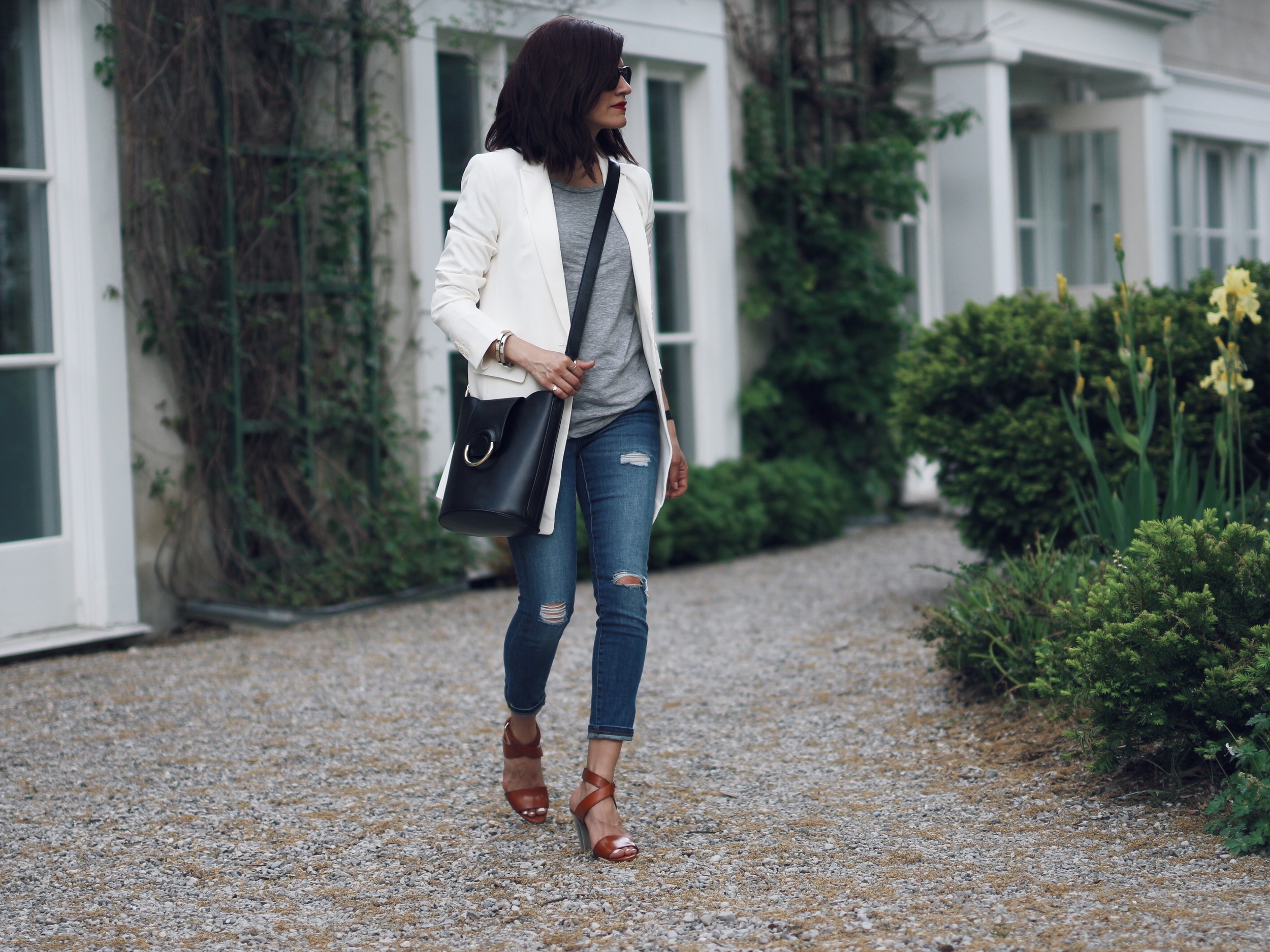
Credit: www.woahstyle.com
Accessorize With Purpose
Accessories are the fastest way to make business casual look cool. But less is more—choose a few good pieces rather than overloading your outfit.
Top Accessories For Men
- Leather belt: Match it to your shoes.
- Watch: A simple, classic watch works everywhere.
- Pocket square: Adds color and interest to a blazer.
- Bag: Choose a clean messenger or leather briefcase over a backpack.
- Socks: As mentioned, subtle patterns or colors can show personality.
Top Accessories For Women
- Statement necklace or earrings: Instantly update a simple blouse.
- Scarf: Adds color and can be removed if too bold.
- Structured tote: Looks professional, holds everything.
- Simple belt: Defines your shape and adds polish.
Two insights beginners miss: First, accessories should match the formality of your outfit. Flashy jewelry or bright ties look out of place with very simple basics. Second, quality over quantity—it’s better to own a few high-quality pieces than a lot of cheap ones that wear out fast.
Shoes: The Most Underrated Style Move
Shoes are often ignored in business casual. But they have a huge effect on your style. Clean, classic shoes can lift even a basic outfit.
Best Shoe Styles For Business Casual
For men:
- Oxfords: Traditional, always stylish.
- Derbies: Slightly more relaxed.
- Loafers: Comfortable, easy to slip on.
- Minimalist sneakers: Only in creative or tech workplaces.
For women:
- Ballet flats: Comfortable and versatile.
- Low block heels: Add height but still easy to walk in.
- Loafers or brogues: Sharp and modern.
- Ankle boots: Great for cooler weather.
A lot of people choose shoes just for comfort, but style matters too. Neutral colors (black, brown, navy) go with everything. And always keep them clean—scuffed shoes ruin a good look.
Choose Fabrics That Work All Day
You might not think about fabric, but it makes a big difference. Some fabrics wrinkle easily or get sweaty fast, which isn’t cool at work.
Smart Fabric Choices
- Cotton: Breathable and soft—great for shirts and chinos.
- Wool blends: Keep you warm but breathe well in blazers.
- Performance blends: Modern fabrics that stretch and resist wrinkles.
Avoid 100% polyester for shirts—it can look shiny and feel hot.
Here’s a quick fabric comparison:
| Fabric | Pros | Cons |
|---|---|---|
| Cotton | Comfortable, breathable | Wrinkles easily |
| Wool blend | Durable, looks sharp | Can be warm in summer |
| Performance fabric | Stretches, resists wrinkles | Can be pricey |
If you travel or commute, wrinkle-resistant fabrics will save you time and stress.
Mix Formal And Casual For A Fresh Look
Business casual gives you freedom to combine different pieces. Mixing formal and casual elements is one way to make your look stand out.
Mix & Match Examples
- Pair a dress shirt with dark jeans and loafers.
- Wear a polo under a blazer with chinos.
- Try a knitted tie with a casual shirt and unstructured blazer.
These combinations break the “uniform” feel of business casual and make your style more personal.
A big mistake beginners make is mixing styles without thinking about balance. If you wear jeans, upgrade the shoes and shirt so you don’t look too relaxed. If you wear a blazer, skip the tie to keep it casual.
Personalize Your Look (without Breaking The Rules)
How do you add your own touch without looking out of place? Start with small changes, then build confidence.
Easy Ways To Personalize
- Unique lapel pin: Subtle but memorable.
- Fun socks: Show personality without being loud.
- Signature color: Find a color that suits you and use it in accessories or shirts.
- Textures: Mix smooth cotton with rougher fabrics like tweed or corduroy.
Don’t try to copy someone else’s style exactly. Instead, adapt ideas you like to fit your body shape, skin tone, and comfort level.
Understand Your Office Culture
Not all workplaces see business casual the same way. What’s “cool” in one company might be too much in another.
How To Read The Room
- Watch what managers and stylish coworkers wear.
- Notice what’s acceptable on “casual Friday.”
- When in doubt, dress one step more formal than the average.
If you’re new, it’s safer to start simple and add style once you know the culture. Some offices love bright colors and modern sneakers; others expect muted tones and classic shoes.
Grooming And Presentation
Even the best outfit looks bad if you ignore grooming. Clean hair, trimmed nails, and fresh breath are part of the package.
Quick Grooming Checklist
- Hair neat, styled, or tied back (no bedhead).
- Face clean-shaven or beard trimmed.
- Nails clean and trimmed.
- No heavy cologne or perfume.
- Clothes free of lint, stains, and wrinkles.
If you wear makeup, keep it simple for daily office wear. Save bold looks for after-hours events.
Don’t Overlook The Power Of Confidence
Clothes can help, but confidence makes business casual look truly cool. When you feel good in your outfit, people notice.
How To Build Confidence
- Try new combinations at home before wearing them to work.
- Ask for honest feedback from a friend.
- Stand tall, make eye contact, and smile.
Remember, style is about self-expression. You don’t need to look like a fashion model—just the best version of yourself at work.

Credit: www.merricksart.com
Common Mistakes To Avoid
Even with good intentions, it’s easy to go wrong with business casual. Here are the most frequent mistakes people make:
- Ignoring fit: Baggy or tight clothes never look good, no matter the brand.
- Wearing wrinkled or stained items: Looks unprofessional instantly.
- Over-accessorizing: Too many items distract from your outfit.
- Choosing loud or flashy prints: These can look unprofessional in most offices.
- Confusing casual with sloppy: Ripped jeans, athletic sneakers, or faded t-shirts are rarely business casual.
- Neglecting shoes: Dirty or old shoes ruin a sharp look.
- Not adjusting for the office: Each workplace is different—match your style to your company culture.
A practical tip: Take a photo of yourself in your outfit before leaving for work. You’ll see mistakes in the photo that you might miss in the mirror.
How To Shop For Business Casual (without Wasting Money)
You don’t need a huge budget or a closet full of clothes. Smart shopping is about buying the right pieces that mix and match easily.
Shopping Tips
- Start with basics in neutral colors. They go with everything.
- Spend more on items you’ll wear often (like shoes and blazers).
- Don’t buy something just because it’s on sale—only if it fits well and works with other clothes you own.
- Try things on before buying, or check return policies if shopping online.
- Add new pieces slowly, focusing on versatility.
For smart shoppers, quality always beats quantity. One well-made shirt is better than three cheap ones that wear out quickly.
If you want more expert shopping advice, sites like Real Men Real Style have helpful guides.
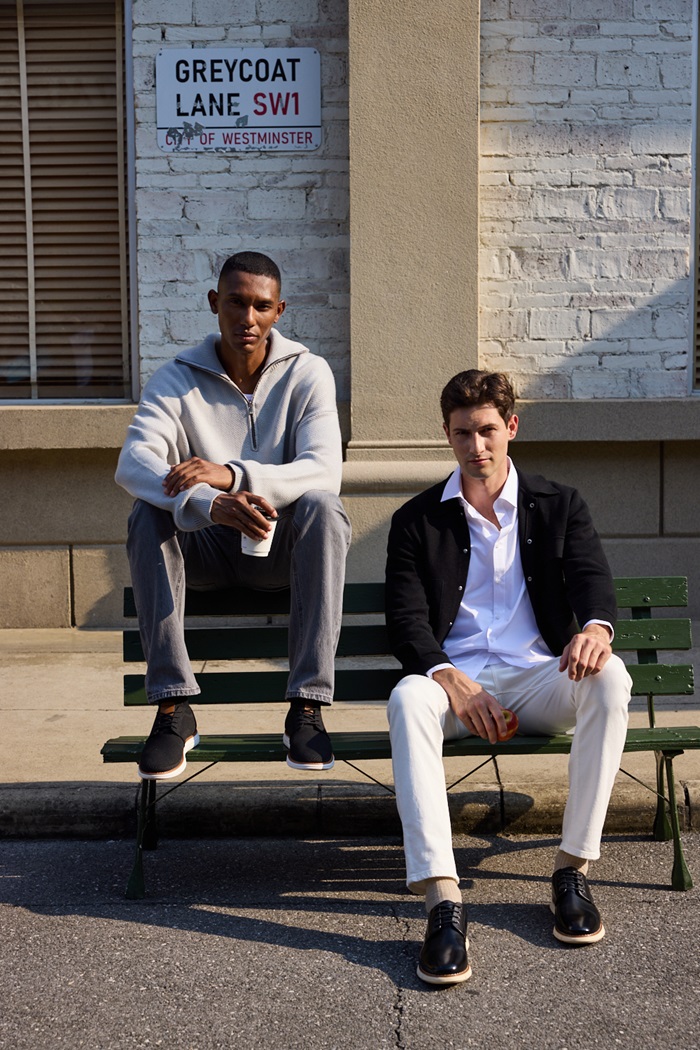
Credit: www.brunomarc.com
Seasonal Changes: Stay Cool Or Warm In Style
Business casual isn’t the same all year round. You need to adapt for the weather.
Warm Weather
- Choose lightweight fabrics (cotton, linen blends).
- Short-sleeve shirts or polos are okay in many offices.
- Avoid heavy layering—one good shirt is enough.
- Try unlined blazers for breathability.
Cold Weather
- Add sweaters or cardigans under blazers.
- Try wool trousers instead of thin chinos.
- Layer with scarves or smart coats for the commute.
If your office is very cold from air conditioning, keep a neutral sweater or jacket at your desk.
Quick Business Casual Outfit Formulas
If you’re in a rush, these outfit combinations always work:
For men:
- Navy blazer + white shirt + gray chinos + brown loafers
- Light blue button-down + navy chinos + tan belt + oxfords
- Polo shirt + khaki pants + casual watch + loafers
For women:
- Black blazer + white blouse + ankle pants + block heels
- Knit sweater + pencil skirt + statement necklace + flats
- Patterned blouse + black trousers + simple earrings + loafers
Having a few “go-to” outfits makes mornings much easier.
The Role Of Sustainability In Business Casual
More people now care about where their clothes come from and how they’re made. Sustainable fashion isn’t just a trend—it’s a smarter way to shop.
Why Choose Sustainable Pieces?
- Better quality means clothes last longer.
- Natural fabrics (like organic cotton or wool) feel better and look sharper.
- Supporting ethical brands shows you care about more than just style.
You don’t need to replace your whole wardrobe. Start by adding one or two sustainable pieces each season.
Real-world Examples: Business Casual That Stands Out
Sometimes, the best way to learn is by example. Here’s how a few real professionals make business casual cool:
- The Tech Startup Manager: Pairs dark jeans with a tailored blazer, a simple t-shirt, and minimalist leather sneakers. Adds a bright watch strap for color.
- The Creative Director: Wears patterned shirts under muted blazers, slim-fit trousers, and statement jewelry. Keeps shoes classic to balance the look.
- The Consultant: Chooses well-fitted chinos, a pale blue shirt, and a navy sport coat. Uses a pocket square for a touch of flair.
- The Marketing Executive: Mixes a knit sweater with a pleated skirt and ankle boots. Adds a bold necklace and a structured tote.
In all these cases, the details—fit, accessories, color—make the outfit stand out.
Data: What People Really Think About Business Casual
Understanding perception can help you get it right. According to a survey by a major HR firm:
- 74% of workers say they feel more productive when dressed well.
- 62% believe business casual increases confidence at work.
- 54% think those who dress better get more respect from peers.
Another insight: many managers admit they’re more likely to promote employees who look polished and professional. Dressing well isn’t just about looks—it can boost your career.
Frequently Asked Questions
What Is Not Considered Business Casual?
Anything too casual is not business casual. This includes ripped jeans, t-shirts with logos, athletic sneakers, flip-flops, and hoodies. Avoid clothing that looks like weekend or gym wear.
Can I Wear Jeans For Business Casual?
Dark, well-fitted jeans are sometimes okay, especially in creative or tech workplaces. Avoid distressed or faded jeans. Always balance jeans with a smart shirt, blazer, and good shoes to keep the look professional.
How Can I Add Personality To My Business Casual Outfit?
Try bold socks, a unique watch, or a colorful bag. You can also mix patterns carefully (like a striped shirt with a solid blazer) or add subtle textures. Keep the rest of the outfit simple so your personality pieces stand out.
Are Sneakers Ever Business Casual?
In some modern offices, minimalist leather sneakers are acceptable, especially with chinos or smart jeans. Avoid running shoes or anything with big logos. When in doubt, stick to classic shoes.
How Often Should I Update My Business Casual Wardrobe?
Aim to refresh basics every 1-2 years or if they look worn. Add one or two new pieces each season to keep your style current. Investing in quality items means you’ll replace them less often.
Business casual doesn’t have to be boring. With the right basics, smart accessories, and a little creativity, you can make this dress code your own—and look cool, confident, and professional every day.
