

How to Look Good in Business Casual: Expert Tips for Effortless Style
How To Look Good In Business Casual
Business casual is a dress code that confuses many people. It’s not as formal as a suit, but it’s not as relaxed as jeans and a t-shirt. The goal is to look professional while feeling comfortable. But how do you strike the right balance, and how can you make sure you look good and confident every day?
This guide will help you master business casual, whether you’re new to the workplace or just want to refresh your style. You’ll find practical tips, common mistakes, and real examples to help you look your best.
What Is Business Casual?
Business casual is a mix of professional attire and comfortable clothing. It’s usually required in offices, meetings, or events where a suit is too much, but casual clothes are not enough. The rules can change depending on the company, industry, and even the region.
Key Elements Of Business Casual
- Dress shirts or blouses
- Slacks or khakis
- Skirts (knee-length or longer)
- Dress shoes or loafers
- Sweaters or blazers
Jeans, sneakers, and t-shirts are often not allowed unless your company says otherwise. Business casual lets you show your personality, but you still need to look neat and polished.
Why It Matters
Wearing business casual correctly can help you feel more confident at work, make a good impression on coworkers and clients, and even open new opportunities. In some offices, your appearance is a sign of respect for the people around you.
Dressing For Your Body Type
Everyone is different. What looks good on one person may not work for someone else. Choosing clothes that fit your body shape can make a big difference.
Common Body Types
- Slim: You can wear fitted shirts and straight-leg pants. Avoid baggy clothes—they make you look smaller.
- Athletic: Try slim-fit shirts and pants. Avoid tight clothes that restrict movement.
- Curvy: Choose clothes that highlight your waist. Wrap dresses or fitted blazers work well.
- Tall: Look for longer sleeves and pants. Patterns or layers can break up your height.
- Petite: Wear clothes that don’t overwhelm your frame. Shorter jackets and vertical lines help.
If you’re unsure, ask a friend or use a tailor. A good fit is more important than following trends.
Choosing The Right Fabrics
The fabric you choose affects comfort and appearance. Some materials wrinkle easily or look cheap. Others keep their shape and look professional.
Best Fabrics For Business Casual
- Cotton: Comfortable, breathable, and easy to care for. Cotton shirts and pants are common.
- Wool: Used for blazers, trousers, and skirts. Wool is warm and looks high-quality.
- Polyester blends: Often used in shirts and pants. They resist wrinkles and are durable.
- Silk: Great for blouses, but it needs careful washing.
Avoid fabrics that are too shiny, too thin, or see-through. If you sweat easily, choose breathable materials. If you sit for long periods, look for fabrics that don’t wrinkle.
Color And Pattern Choices
Color is important. It affects how people see you and how you feel. Patterns can add interest, but too many can look messy.
Safe Color Options
- Navy: Looks professional and suits most people.
- Gray: Neutral and easy to match.
- Beige: Warm and friendly.
- White: Clean and classic.
- Black: Elegant but can look severe if overused.
Bright colors can show personality, but use them in moderation. Avoid neon and very bold patterns in most business settings.
Using Patterns
- Stripes: Slim or wide stripes are fine, but avoid mixing too many.
- Checks: Small checks are more subtle.
- Florals: Small floral prints can work, especially on blouses or skirts.
If you mix patterns, keep the color scheme simple. One patterned piece per outfit is usually enough.
Essential Pieces For Men
Men’s business casual is usually simpler, but every piece matters. Here are some essentials:
Must-have Items
- Dress shirts: Solid colors or subtle patterns. Long sleeves are safer.
- Polo shirts: Acceptable in some offices, especially in warmer climates.
- Slacks or chinos: Avoid jeans unless allowed.
- Blazers: Optional but add polish.
- Sweaters: V-neck or crew neck. Avoid hoodies.
- Dress shoes: Loafers or oxfords. Leather is best.
Example Outfit
- Navy dress shirt
- Gray slacks
- Brown leather belt and shoes
- Optional navy sweater
A well-fitted shirt and pants make you look sharp, even without a tie or jacket.
Essential Pieces For Women
Women have more options, but it’s easy to go wrong. Focus on fit and simplicity.
Must-have Items
- Blouses: Solid colors or small prints. Avoid sheer fabrics.
- Knee-length skirts: Pencil or A-line are safe.
- Dress pants: Straight or boot-cut.
- Blazers: Adds structure.
- Cardigans: Soft and comfortable, but not oversized.
- Closed-toe shoes: Flats, loafers, or low heels.
Example Outfit
- White blouse
- Navy pencil skirt
- Gray blazer
- Black flats
Accessories should be simple. A small necklace or earrings are fine, but avoid large, flashy items.
The Role Of Accessories
Accessories can make or break your look. They add personality, but too many can look messy.
Best Accessories
- Belts: Match your shoes.
- Watches: Simple and professional.
- Bags: Clean, structured bags look best.
- Jewelry: Small and classic.
Avoid big sunglasses, hats, or loud jewelry. Your accessories should support your outfit, not distract.
Business Casual Vs. Other Dress Codes
Many people confuse business casual with other styles. Here’s how it compares.
| Dress Code | Main Features | Allowed Items | Not Allowed |
|---|---|---|---|
| Business Casual | Professional, comfortable | Blouses, slacks, closed-toe shoes | Jeans, sneakers, t-shirts |
| Formal | Very professional, strict | Suits, ties, dress shoes | Polo shirts, casual shoes |
| Smart Casual | Relaxed, stylish | Dark jeans, neat sweaters | Shorts, flip-flops |
| Casual | Relaxed, informal | T-shirts, jeans, sneakers | Dress shirts, formal shoes |
Knowing the difference helps you choose the right outfit for any situation.
Grooming And Hygiene
Clothes are important, but grooming matters just as much. Even the best outfit can’t fix bad hygiene.
Key Tips
- Hair: Keep it neat and clean. Avoid messy styles.
- Skin: Use moisturizer, avoid oily or dry patches.
- Nails: Trim and clean. Avoid bright nail polish.
- Breath: Use mouthwash or mints if needed.
A fresh appearance makes you look reliable and professional.
Common Business Casual Mistakes
Many people make simple mistakes that ruin their look. Here are some to avoid:
- Wearing wrinkled clothes: Always iron shirts and pants.
- Too many colors: Limit to two or three per outfit.
- Over-accessorizing: Keep jewelry and accessories simple.
- Ignoring fit: Baggy or tight clothes look unprofessional.
- Casual shoes: Avoid sneakers and sandals.
- Visible underwear: Make sure shirts and pants aren’t see-through.
- Ignoring company culture: Some offices allow jeans, others don’t.
If you’re unsure, look at what your manager or coworkers wear.

Credit: www.cottoncashmerecathair.com
Building A Business Casual Wardrobe
You don’t need to spend a lot. Start with basics and add slowly.
Starter Pieces
- 3-4 shirts or blouses
- 2 pairs of pants or skirts
- 1 blazer or cardigan
- 2 pairs of shoes
Mix and match these for different looks. Quality matters more than quantity.
Investing In Quality
Cheap clothes wear out quickly and can look sloppy. Spend a bit more on key items:
- Shoes: Good leather shoes last longer.
- Blazers: Choose one that fits well.
- Shirts: High-quality cotton looks better.
Avoid buying many low-quality items. Over time, you’ll save money.
Dressing For Different Seasons
Business casual changes with the weather. You need to adjust your wardrobe.
Summer
- Light fabrics: Cotton or linen
- Short-sleeve shirts or blouses
- Light colors: White, beige, pale blue
- Closed-toe sandals (if allowed)
Avoid shorts or tank tops unless your office allows them.
Winter
- Wool sweaters or blazers
- Dark colors: Navy, gray, black
- Layering: Add a thin shirt under a sweater
- Boots (if allowed)
Keep warm without looking bulky. Avoid hats or scarves indoors.
Business Casual For Remote Work
Working from home is common. You may not need full business casual, but looking good still matters.
Tips For Virtual Meetings
- Wear a clean shirt or blouse
- Avoid loud patterns that distract on camera
- Groom hair and face
- Choose colors that look good on screen
Even if you’re not wearing pants, a neat top makes you look professional.
How To Shop Smart
Shopping for business casual can be overwhelming. Here’s how to make good choices.
Smart Shopping Steps
- Know your size: Try on clothes before buying.
- Check the return policy: Some stores allow returns.
- Look for sales: Quality items go on sale often.
- Buy basics first: Start with shirts, pants, and shoes.
- Avoid impulse buys: Don’t buy trendy items you’ll never wear.
If possible, shop with a friend or ask store staff for advice.
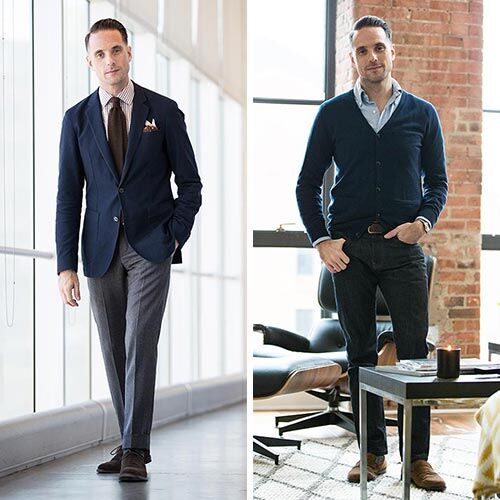
Credit: hespokestyle.com
Real-life Examples
Sometimes, seeing real examples helps more than rules. Here are a few:
Example 1: The Confident Manager
Maria is a manager in a tech company. She wears navy slacks, a white blouse, and a gray blazer. Her shoes are black flats, and her accessories are a small silver necklace and a simple watch. Her outfit is simple but polished.
She feels confident in meetings, and her team respects her style.
Example 2: The Creative Designer
James works in an advertising agency. He wears beige chinos, a pale blue dress shirt, and brown loafers. His belt matches his shoes. Sometimes, he adds a patterned sweater. He looks relaxed but professional, and his clothes fit well.
Example 3: The New Graduate
Priya just started at a bank. She wears a black pencil skirt, a light pink blouse, and black pumps. She uses a structured bag and keeps jewelry simple. She feels comfortable and ready for her new job.
These examples show that you don’t need expensive clothes or bold colors to look good in business casual.
Business Casual For Different Industries
Business casual changes depending on your industry. Tech companies may be more relaxed, while law firms are stricter.
| Industry | Common Business Casual Items | Extra Tips |
|---|---|---|
| Finance | Dress shirts, slacks, blazers | Stick to classic colors |
| Tech | Polo shirts, chinos, sweaters | Can be more relaxed |
| Education | Blouses, cardigans, skirts | Comfort is important |
| Creative | Pattered shirts, fitted pants | Show personality with colors |
Before dressing, check your company’s policy or ask HR.
How To Care For Your Clothes
Looking good isn’t just about buying the right clothes. You need to keep them in good shape.
Laundry Tips
- Wash clothes according to labels
- Use gentle cycles for delicate fabrics
- Hang shirts and pants to dry
- Iron or steam to remove wrinkles
Storage Tips
- Use hangers for shirts and blazers
- Fold sweaters and pants to avoid stretching
- Keep shoes clean and polished
Proper care makes clothes last longer and keeps you looking sharp.
Quick Tips For Looking Good Every Day
- Check your outfit in the mirror before leaving
- Make sure clothes are clean and ironed
- Match your belt and shoes
- Keep accessories simple
- Groom hair and nails
- Ask for feedback from trusted friends
Small changes can make a big difference.
Non-obvious Insights
Many guides repeat the same advice. Here are a few things beginners often miss:
- Proportions matter: The balance between your top and bottom matters more than the brand. For example, a loose blouse pairs well with fitted pants.
- The right socks: Visible socks should be neutral and match your pants or shoes. Bright or patterned socks can ruin a polished look, unless you work in a creative field.
- Fit over fashion: Even a simple outfit looks great if it fits well. Don’t chase trends—find what works for your body.
- Seasonal layering: Use thin layers to adjust for temperature. For example, a shirt under a sweater lets you remove the sweater if it gets warm.
- Personal comfort: If you’re uncomfortable, it shows. Choose clothes that let you move freely.
Business Casual For Different Ages
Your age can affect what looks good, but style is personal. Here are some tips:
- Young professionals: Avoid trendy items that look too casual. Focus on fit and basics.
- Mid-career: Invest in quality pieces. Show experience with simple, classic outfits.
- Older professionals: Choose comfort and structure. Avoid oversized or too-tight clothes.
No matter your age, confidence is key.
Sustainability And Ethical Choices
Many people want to dress well and help the planet. Sustainable business casual is possible.
How To Shop Ethically
- Buy fewer, better items
- Choose brands that use sustainable fabrics
- Avoid fast fashion if possible
- Repair clothes instead of throwing away
Sustainable choices can also save money and reduce waste.
Business Casual For Plus Sizes
Finding clothes that fit well can be hard. Here are some tips:
- Choose brands that specialize in plus sizes
- Look for clothes with structure, like blazers or fitted pants
- Avoid baggy clothes—they hide your shape
- Use accessories to draw attention to your best features
Confidence is more important than size.

Credit: www.youtube.com
The Importance Of Confidence
Looking good is not just about clothes. Confidence changes how people see you.
- Stand up straight
- Smile
- Make eye contact
- Speak clearly
Even the best outfit won’t help if you look unsure. Practice posture and positive thinking.
Frequently Asked Questions
What Is The Safest Business Casual Outfit For Interviews?
A safe choice is a solid dress shirt, slacks, and closed-toe shoes. Add a blazer if you want to look more formal. Avoid jeans, sneakers, or loud patterns.
Can I Wear Jeans For Business Casual?
Usually, jeans are not allowed in business casual, unless your company says it’s okay. If you do, choose dark, fitted jeans and pair them with a blazer and dress shoes.
How Do I Know If My Outfit Is Too Casual?
If your outfit includes t-shirts, sneakers, or shorts, it’s too casual. Stick to dress shirts, slacks, and closed shoes. If you’re unsure, check your company’s dress code or ask HR.
What Shoes Are Best For Business Casual?
Loafers, oxfords, flats, and low heels are best. Avoid sneakers, sandals, and flip-flops. Leather shoes look more professional and last longer.
Where Can I Find More Business Casual Ideas?
You can find inspiration on sites like Business Insider or by looking at office fashion blogs and brand catalogs.
Looking good in business casual is not about following every rule perfectly. It’s about finding what works for you, respecting your workplace, and feeling confident. Start with basics, learn from others, and remember that comfort and fit are just as important as style.
With the right choices, you’ll always look your best.
