

How to Hang Gym Clothes: Simple Tips for Odor-Free Drying
How to Hang Gym Clothes: The Complete Guide for Freshness, Longevity, and Ease
Everyone who works out knows the struggle: sweaty gym clothes end up bunched in a bag, smelling bad and sometimes even ruined by the next day. Hanging gym clothes might seem simple, but the way you do it can make a big difference. Whether you’re a fitness beginner or a regular athlete, learning the right way to hang your gym clothes will save you time, money, and hassle. In this guide, you’ll discover not just how to hang gym clothes, but why it matters, what tools help, and the best tips for keeping your workout gear fresh and ready for your next session.
Why Hanging Gym Clothes Correctly Matters
It’s easy to throw your gym clothes on a hook or let them pile up. But this habit can lead to problems that most people don’t realize at first.
Odor control is a big issue. Gym clothes are often made from synthetic fabrics that trap sweat and bacteria. If you don’t hang them to dry quickly, bacteria multiply, and the smell gets worse. This can even lead to permanent odors that are hard to wash out.
Fabric lifespan also suffers. Leaving damp clothes in a heap causes fabric to break down faster. Colors fade, elasticity weakens, and the material can lose its performance. Proper hanging can double the life of some workout clothes.
Another hidden risk is mold and mildew growth. Wet gym clothes, especially in a closed gym bag or laundry basket, create the perfect environment for these fungi. Mold is not just smelly; it can cause skin irritation and allergies.
Quick drying is important if you use the same clothes often. Hanging them properly helps them dry faster, so you can reuse them and avoid buying extra outfits.
Choosing The Right Place To Hang Gym Clothes
Where you hang your gym clothes is almost as important as how you hang them. Some places are better than others for drying, odor control, and convenience.
Best Indoor Spots
1. Laundry Room
This is often the most practical spot. It’s designed for wet clothes, usually has good air circulation, and is close to your washing machine. Some laundry rooms have retractable drying racks or rods for hanging.
2. Bathroom
Bathrooms have towel bars and hooks, but they can be humid. If you use this space, open a window or run a fan for better airflow. Avoid hanging clothes right after a hot shower to prevent trapping moisture.
3. Bedroom Closet (with Door Open)
If you have space, you can hang gym clothes in your closet. Leave the closet door open and, if possible, use a small fan to help air movement.
4. Near A Window Or Balcony
Sunlight helps kill bacteria and dries clothes faster. If you can, hang your clothes near a window or on a balcony. Sunlight can fade colors, so turn clothes inside out if you want to protect them.
Outdoor Hanging
Hanging outside is effective but requires attention to weather and pollution:
- Direct Sun: Fastest drying, kills bacteria, but can fade colors.
- Shade: Slower but safer for colors.
- Covered Porch: Protects from rain and dust.
Places To Avoid
- Closed gym bag: Traps moisture, encourages bacteria.
- Laundry basket: No airflow, slow drying.
- Basement: Often damp, encourages mold.
Types Of Hanging Tools And Their Pros And Cons
Not every hanger or rack is the same. The tool you pick affects how your gym clothes dry and stay in shape. Here’s a comparison of popular options:
| Tool | Pros | Cons |
|---|---|---|
| Wire Hanger | Cheap, easy to find, saves space | Can stretch fabric, leaves marks |
| Plastic Hanger | Lightweight, gentle on clothes, doesn’t rust | Can break under heavy items |
| Wooden Hanger | Sturdy, holds shape, looks nice | Bulky, more expensive |
| Clip Hanger | Great for shorts, leggings, keeps items separate | May leave clip marks |
| Drying Rack | Holds many items, allows air flow, foldable | Takes up space, can be unstable if overloaded |
| Shower Rod | Good for hanging multiple items, uses existing space | May sag under weight, can block shower use |
| Hooks | Quick to use, space-saving, easy for single items | Not good for heavy items, can deform fabric |
Preparing Gym Clothes For Hanging
Before hanging, take a few steps to get the best results. Rushing this part is a common mistake, but these few extra seconds really pay off.
Steps To Prep Clothes
1. Shake Out Sweat And Debris
After your workout, give each item a quick shake. This removes dirt, grass, or loose hair. It also helps air pass through the fabric.
2. Turn Clothes Inside Out
Most odor and sweat collect on the inside. Turning them inside out helps the dampest parts dry first and lets sunlight reach bacteria.
3. Smooth Out Wrinkles And Folds
If you hang clothes bunched up, the inside parts can stay wet. Lay them flat or shake them open so all parts get air.
4. Remove Accessories
Take out removable pads from sports bras, empty pockets, and detach any belts or bands. These can trap moisture and slow drying.
5. Rinse (if Needed)
For very sweaty clothes, a quick rinse under water helps wash out some sweat and salt. Wring out the water gently before hanging.
How To Hang Different Types Of Gym Clothes
Every gym clothing item has its own needs. Hanging a heavy hoodie is not the same as drying a pair of leggings. Here’s how to handle each type:
Tops (t-shirts, Tanks, Sports Bras)
- Use a hanger to keep the shape.
- For sports bras, drape them over the bar of a hanger or use a clip hanger to hang from the bottom band.
- Spread straps and seams so nothing is bunched.
- Turn inside out for better odor control.
Shorts, Leggings, And Tights
- Clip hangers are best. Hang from the waistband to avoid stretching legs.
- If using a regular hanger, fold over the bar but avoid tight creases.
- Lay flat on a drying rack if you have space.
- For thick leggings, open up the legs to help air flow inside.
Hoodies, Sweatshirts, And Jackets
- Use wide, sturdy hangers (wood or thick plastic) to avoid shoulder bumps.
- Fasten zippers or buttons, so the shape holds.
- Hang with arms slightly away from the body so air moves freely.
Socks
- Hang in pairs using clips or over a thin bar.
- If using a rack, lay flat or drape over rods.
- Avoid bunching; socks dry faster when spread out.
Towels And Headbands
- Spread out fully on a rack or over a rod.
- Don’t fold or layer, as thick spots dry slowly.
Shoes
- Remove insoles and laces.
- Hang by the tongue using a clip or place upside down on a rack.
- Never leave shoes in a closed bag; they need lots of airflow.
Airflow: The Secret To Fast And Fresh Drying
One mistake many people make is hanging gym clothes in a closed, still place. But airflow is key for quick drying and odor prevention.
How To Increase Airflow
- Use a fan to speed up drying, especially in closed rooms.
- Open windows for cross-ventilation.
- Don’t overcrowd drying racks. Leave space between each item.
- Rotate clothes halfway through drying if possible.
Comparing Drying Speed
Here’s how drying time can change with and without airflow:
| Drying Method | Average Drying Time |
|---|---|
| Still air, closed room | 8-12 hours |
| Open window, light breeze | 4-6 hours |
| Fan directed at clothes | 2-4 hours |
| Direct sunlight, outdoors | 1-3 hours |
As you can see, a small change like using a fan can cut drying time in half. This also reduces the time bacteria can grow.
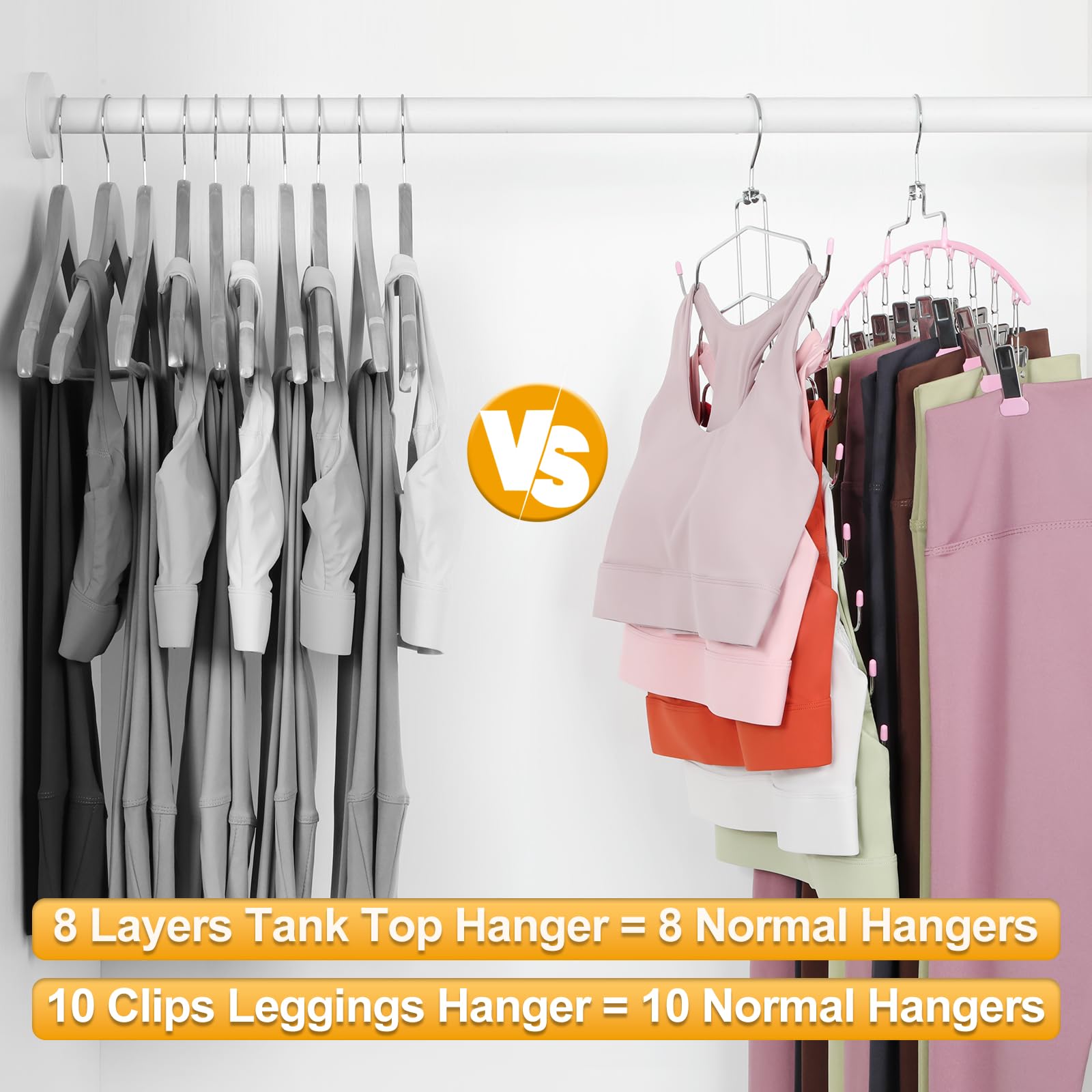
Credit: www.amazon.com
How To Hang Gym Clothes After Washing
Many people focus only on drying sweaty clothes after a workout, but how you hang clothes after washing also matters.
Wet Laundry Tips
- Shake out each item after washing to smooth out wrinkles.
- Hang immediately after washing to prevent mildew.
- Use wide hangers for heavy items to avoid stretching.
- For delicate items, lay flat on a rack or mesh surface.
Avoiding Common Drying Mistakes
- Never hang soaking wet clothes directly; wring out excess water first.
- Don’t overlap items. Overlapping traps moisture and slows drying.
- If possible, dry outdoors for better freshness.
What To Do If You Can’t Hang Clothes Right Away
Sometimes you finish your workout but can’t hang your clothes immediately—maybe you’re at work, school, or traveling. Here’s how to avoid problems:
Temporary Solutions
- Use a breathable bag: Mesh or cotton laundry bags allow airflow and reduce odor until you get home.
- Roll in a towel: Lay gym clothes flat on a dry towel, roll up, and squeeze gently. The towel will absorb some moisture.
- Open your gym bag: If you must use a gym bag, leave it unzipped as soon as possible to let air in.
- Spray with a deodorizing mist: Some sprays can neutralize odor-causing bacteria. This is not a replacement for washing, but it can help temporarily.
What Not To Do
- Don’t leave sweaty clothes in a plastic bag for hours. This traps moisture and lets bacteria multiply quickly.
- Don’t hide damp clothes under other laundry—they need air.

Credit: www.walmart.com
How To Hang Gym Clothes In Small Spaces
Living in a small apartment or sharing a room makes hanging gym clothes tricky. But there are smart ways to save space and still dry your gear.
Creative Solutions
- Over-the-door racks: These hang on the back of a door and hold several items.
- Collapsible drying racks: Fold them out when needed, then tuck away.
- Retractable clotheslines: Pull out a line only when you need it.
- Multipurpose hangers: Some hangers have multiple bars or hooks to hold several items vertically.
Example: Small Space Drying Plan
Let’s say you have a tiny bathroom. You could:
- Use the shower rod for shirts and shorts.
- Hang socks and headbands on a rack over the radiator or towel bar.
- Place shoes near an open window or on a balcony ledge.
With a bit of planning, even the smallest space can work.
How To Hang Gym Clothes In Shared Living Spaces
If you live with roommates or family, you might have to share drying space. This can lead to problems if everyone hangs clothes everywhere.
Tips For Shared Spaces
- Set drying schedules: Agree on times for each person to use the best spots.
- Label hangers: Use colored hangers or tags to keep your clothes separate.
- Use personal drying racks: Small racks can fit in bedrooms or closets.
- Be considerate: Don’t let clothes hang for days after they’re dry.
Mistakes To Avoid When Hanging Gym Clothes
Even experienced gym-goers sometimes make simple mistakes. Avoiding these can save time and keep your clothes fresher.
- Hanging too close together: Clothes need space for air to move.
- Using metal hangers on wet clothes: Metal can rust and stain fabric.
- Forgetting to turn clothes inside out: This keeps odors trapped.
- Leaving items in direct sun for too long: Sunlight is good, but too much can fade colors and weaken fabric.
- Not checking pockets: Wet items in pockets (like tissues) can stick and leave residue.
- Not cleaning hangers or racks: These can collect dust, sweat, or mold over time.
- Hanging heavy items by thin straps: This can stretch or break the straps.
Advanced Tips For Fresh And Long-lasting Gym Clothes
Once you master the basics, these advanced strategies can give you even better results.
Use Specialized Laundry Products
- Sports detergents: Specially made to break down sweat and odor in synthetic fabrics.
- Fabric sprays: Some are designed for sportswear and help kill bacteria between washes.
- Odor absorbers: Place baking soda or charcoal bags near drying clothes to reduce smells.
Rotate Gym Clothes
Don’t wear the same set every day. Rotate between at least two or three outfits so each has time to dry completely. This prevents bacteria buildup and prolongs fabric life.
Use Uv Or Ozone Sanitizers
Some advanced home gadgets use UV light or ozone to kill germs and remove smells from gym clothes. These can be especially helpful if you have sensitive skin or allergies.
Store Dry Clothes Properly
After gym clothes are fully dry, store them in a well-ventilated drawer or shelf. Avoid sealing them in plastic, which can trap any leftover moisture.

Credit: www.etsy.com
Comparing Hanging Vs. Machine Drying
Some people prefer to throw gym clothes in the dryer, but this isn’t always best. Here’s a quick comparison:
| Method | Pros | Cons |
|---|---|---|
| Hanging (Air Dry) | Gentle on fabric, saves energy, prevents shrinking | Slower, needs space, may feel stiff if over-dried |
| Machine Drying | Fast, convenient, softens fabric | Can damage elastic, fade colors, uses more energy |
For most gym clothes, especially those made from synthetic fibers like polyester and spandex, hanging is the safer choice. If you do use a dryer, choose a low-heat or air-dry setting.
Non-obvious Insights Most People Miss
While most advice covers the basics, here are two important tips that beginners often overlook:
1. Hang Clothes In Sunlight, But Not Always Directly
Sunlight is a natural disinfectant and helps remove odors. However, strong direct sun can damage elastic fibers and fade colors. For best results, hang gym clothes in a bright spot with indirect sunlight. This balances bacteria killing and fabric protection.
2. Don’t Ignore The Seams And Waistbands
Sweat and bacteria collect around waistbands, armpit seams, and hems. When hanging, stretch these parts open slightly or place a small rolled-up towel inside. This extra airflow dries the thickest parts and prevents “hidden” smells.
How Long Should You Hang Gym Clothes?
Drying time depends on fabric, humidity, and airflow. Here are rough estimates:
- Lightweight synthetics (t-shirts, shorts): 2–4 hours in good airflow
- Heavy cotton or hoodies: 5–8 hours
- Shoes: 12–24 hours (remove insoles for faster drying)
- Socks and headbands: 1–2 hours
If clothes are still damp after these times, check for poor airflow or too much overlap.
Common Questions About Odor And Bacteria
Do gym clothes always smell after hanging?
No. If you hang them quickly, use good airflow, and wash regularly, you can prevent most odors. Persistent smells often mean bacteria have built up—wash with a sports detergent or use a vinegar rinse.
Can you hang gym clothes in the bathroom?
Yes, but only if you keep the bathroom well-ventilated. Use a fan or open window, and avoid hanging clothes right after a shower.
Is it better to hang outside or inside?
Outside is usually better for drying speed and odor removal, as long as the air is clean and weather is dry.
The Environmental Impact Of Hanging Gym Clothes
Choosing to hang your gym clothes instead of using a dryer saves energy. This reduces your carbon footprint and can lower electricity bills. According to the U.S. Department of Energy, air drying clothes can save hundreds of pounds of CO2 emissions each year. Plus, your clothes last longer, so you buy less—another win for the planet.
Frequently Asked Questions
How Can I Hang Gym Clothes To Avoid Wrinkles?
To avoid wrinkles, shake out your clothes before hanging. Smooth seams and stretch the fabric gently. Use wide hangers for tops, and never bunch up clothes on a rack. Hanging them while still slightly damp will also help reduce wrinkles.
Is It Okay To Hang Gym Clothes In The Sun?
Yes, sunlight can help kill bacteria and speed up drying. However, too much direct sun can fade colors and damage elastic fibers. For best results, hang gym clothes in a bright but shaded area, or turn clothes inside out to protect the outer fabric.
What Should I Do If My Gym Clothes Still Smell After Hanging?
If odors remain after hanging, wash your clothes with a sports detergent or add a cup of white vinegar to the rinse cycle. Make sure you hang them with good airflow. Persistent smells may mean bacteria have built up in the fabric, so consider a deeper clean.
How Do I Hang Shoes And Accessories Like Gloves Or Headbands?
Remove insoles and laces from shoes, and hang them by the tongue or place them upside down for better airflow. For gloves and headbands, use clips or lay them flat on a drying rack. Make sure they are fully spread out and not touching other items.
Can I Use The Same Hangers For Gym Clothes And Regular Clothes?
You can, but it’s best to use hangers made from plastic or wood for gym clothes. Avoid wire hangers, as they can stretch or damage activewear. If possible, keep separate hangers for sweaty gym gear to avoid transferring odors to your regular clothes.
---
Taking care of your gym clothes isn’t just about looking good—it’s about hygiene, saving money, and making your daily routine easier. By choosing the right place, using the right tools, and following these practical tips, you can keep your workout gear fresh and ready for every session.
Whether you’re in a small apartment, sharing space, or always on the go, there’s a way to hang your gym clothes that fits your life. Try these methods and notice how much longer your favorite workout clothes last, and how much better they smell—no more embarrassing moments at the gym or in your bag.
