

How to Flare Pants Men: Easy Styling Tips for a Trendy Look
How To Flare Pants Men
Men’s fashion changes over time, but some trends return again and again. Flared pants are one of those bold styles that keep coming back. Many men want to know how to flare pants, either to update their look or because they can’t find the perfect flare in stores.
Flared pants can add personality and movement to your outfit. They can also help balance your body shape and make your legs look longer. But getting the flare just right is not as simple as it seems. If you try to do it yourself, you need the right technique, a clear plan, and an understanding of the best ways to wear this style.
This guide will show you everything you need to know about how to flare pants for men. Whether you’re a beginner at sewing or just want to understand the process before visiting a tailor, you’ll find practical advice, helpful comparisons, and style tips.
We’ll cover what flare means, what pants work best, different methods to add a flare, and how to wear them with confidence. By the end, you’ll know how to get that stylish look with your own personal touch.
What Does "flare" Mean In Men’s Pants?
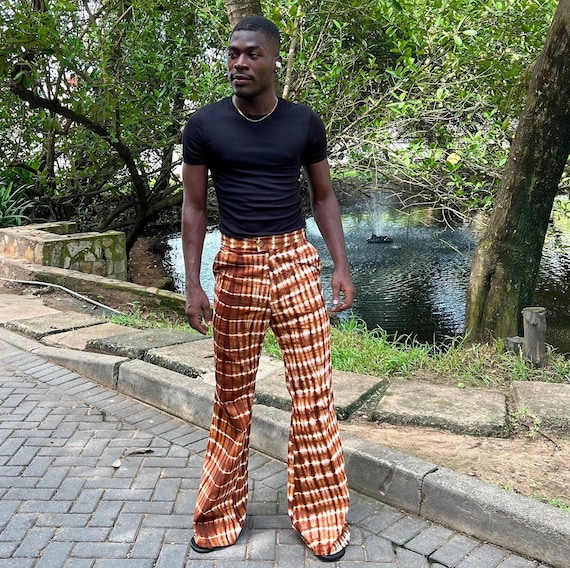
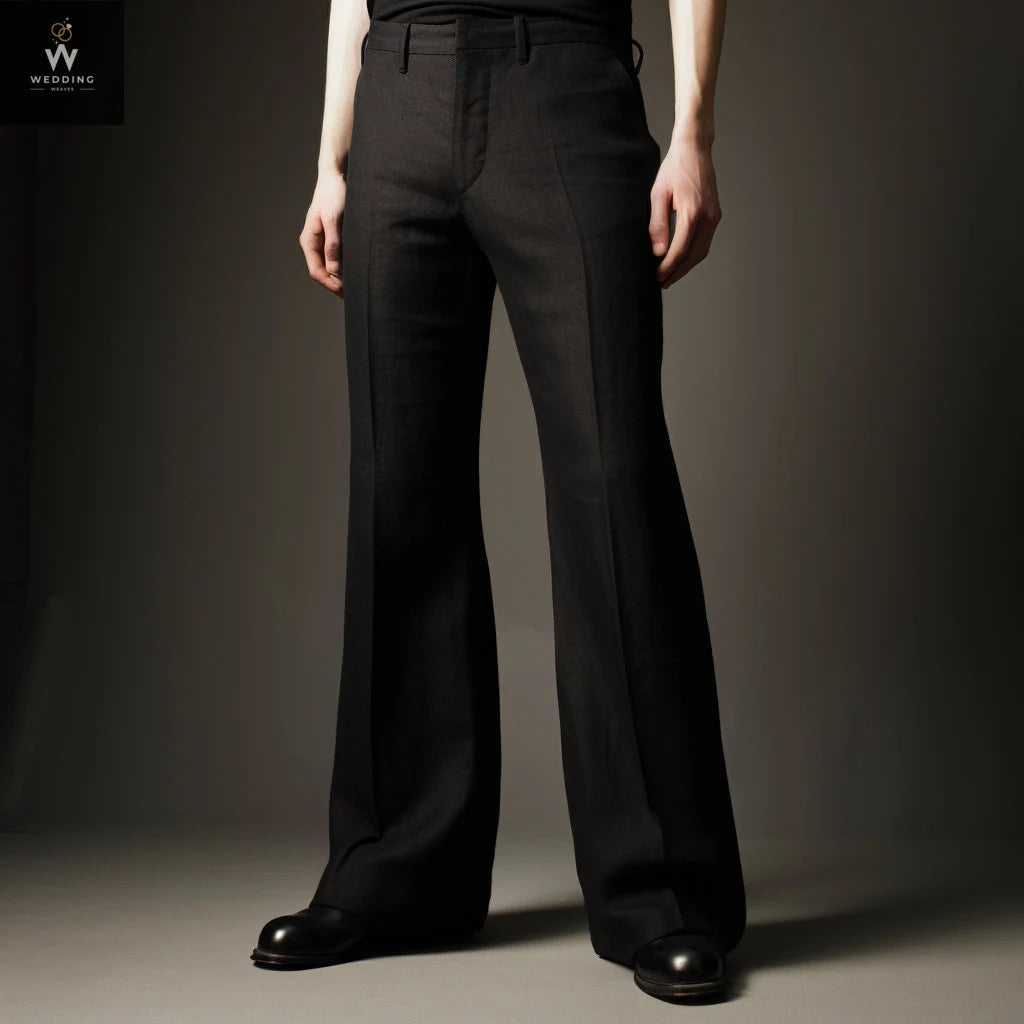
When people talk about flared pants, they mean trousers that become wider from the knee down. The flare can be slight or very dramatic. The classic flare is often found in bell-bottoms, which are tight at the thigh and very wide at the ankle. But not all flared pants are extreme; some have a gentle widening that just gives a hint of retro style. Flared pants are different from wide-leg pants, which are loose all the way down.
Why Flared Pants Stand Out
Flared pants create a visual impact. They draw attention to your legs and shoes. They can balance wider shoulders, making your whole look more proportional. Many people also find them comfortable because the extra fabric allows easy movement.
Who Can Wear Flared Pants?
Anyone can wear flared pants. However, they look especially good on men who want to add height or balance a larger upper body. If you have slim legs, flares can give the illusion of more shape. If your legs are muscular, a moderate flare prevents pants from looking too tight.
Choosing The Right Pants To Flare
Not every pair of pants is a good candidate for flaring. The starting shape, fabric, and fit all matter.
Best Types Of Pants For Flaring
- Straight-leg jeans or trousers: These are easiest to alter. The straight line gives you room to add a flare without making the thigh too tight or loose.
- Bootcut pants: Already have a slight flare, so you can increase it for a bolder look.
- Slim-fit pants: You can flare these, but be careful. If the thigh is too tight, adding a wide flare will look unbalanced.
Fabrics That Flare Well
- Denim: Classic for flared jeans. Holds its shape.
- Twill: Often used for casual pants, strong enough for alterations.
- Wool blends: Good for dressier flares, but harder to sew.
- Corduroy: Gives a vintage vibe and works well with a moderate flare.
Avoid lightweight fabrics, as they may not hold the flare or could look limp.
What To Avoid
- Skinny jeans: Too tight at the top, may not look natural with a flare.
- Pants with big side seams: Harder to alter evenly.
- Thin or stretchy fabrics: Don’t keep the flare shape.
Methods To Flare Pants For Men
There are several ways to make pants flared. Some require sewing skills, others are easier but may not last as long. Let’s look at the main options.
1. Sewing A Flare (inserting A Godet Or Panel)
This is the most permanent and professional way. It involves opening the side or inseam of the pants and adding a triangle-shaped piece of fabric (called a godet or panel) to create the flare.
Steps:
- Try on the pants and mark where you want the flare to start (usually at or just below the knee).
- Use a seam ripper to open the side or inseam from the knee down.
- Cut a matching fabric panel in a triangle shape. The wider the base, the bigger the flare.
- Pin and sew the panel into the open seam.
- Finish the edges and hem.
Tips:
- Use matching fabric for a subtle look, or contrast for a bold style.
- Practice on old pants first to avoid mistakes.
- If you’re not confident sewing, a tailor can do this for you.
2. Cutting And Re-sewing The Legs
If you want a dramatic change, you can cut open the pant legs, add extra fabric, and sew them back together. This works best with thick fabrics like denim.
Steps:
- Mark the flare start point.
- Cut the outer seam of the pants from knee to ankle.
- Cut a large triangle of matching or contrasting fabric.
- Sew the triangle into the open leg.
- Finish the seams and hem.
Extra Insight:
Many beginners forget to pre-wash new fabric before adding it as a panel. This can cause shrinking or color bleeding after washing.
3. Temporary Flare With Inserts Or Snaps
If you don’t want to alter your pants permanently, you can use fabric inserts or snaps.
- Buy or make triangle-shaped inserts with snaps or Velcro.
- Attach them to the inside seam from the knee down for a removable flare.
This is a good way to try the style before committing. However, it may not look as seamless as sewing.
4. Stretching The Fabric (for Minor Flares)
Some men want only a small flare. For denim or cotton, you can wet the lower leg, put a bottle or a wide object inside, and let it dry stretched out. This won’t give a dramatic flare but can add 1-2 cm.
Warning:
This method can weaken the fabric and is not suitable for all types of pants.
Essential Tools And Materials
Before you start, gather these supplies:
- Measuring tape: For marking where the flare begins.
- Tailor’s chalk or washable marker: To draw cutting lines.
- Fabric scissors: Sharp blades for clean cuts.
- Sewing machine (or needle and strong thread): For sewing panels.
- Pins and clips: To hold fabric in place.
- Matching fabric: For inserts or panels.
- Iron: To press seams for a neat finish.
Optional:
- Seam ripper: For opening seams carefully.
- Hem tape: For no-sew hemlines.
Step-by-step Guide: How To Flare Pants For Men
Let’s walk through the most common method—adding a fabric panel for a custom flare. This suits beginners with basic sewing skills.
Step 1: Plan Your Flare
Try on your pants. Mark with chalk where you want the flare to begin. Usually, this is just below the knee. Decide how wide you want the flare at the hem—start with 3–5 inches wider than the original hem for a moderate flare.
Step 2: Open The Seam
Remove the pants and lay them flat. With the seam ripper, carefully open the seam on the outer side of each leg from your mark down to the hem.
Step 3: Cut The Insert
Take your extra fabric and cut two triangle shapes. The top of the triangle should match the width of the open seam at the knee, and the base should match your desired flare width.
Step 4: Pin And Sew
Pin the triangle into the open seam, right sides together. Sew along both sides, making sure the points match at the knee.
Step 5: Press And Finish
Press the new seams flat with an iron. Trim any extra threads. Try on the pants. If the flare is too wide or narrow, you can adjust the insert and sew again.
Step 6: Hem The Bottom
If you added fabric to the bottom, you might need to adjust the hem so it’s even. Fold and sew to finish.
Advanced Tip:
If you want a more professional finish, topstitch the new seams for extra strength.
Comparison: Flare Methods For Men’s Pants
To help you decide, here is a comparison of the main ways to flare pants:
| Method | Skill Level Needed | Durability | Best For |
|---|---|---|---|
| Adding a Panel | Intermediate | High | Custom, permanent flare |
| Cutting and Sewing | Advanced | High | Major flare change |
| Temporary Inserts | Beginner | Low | Trying the style |
| Stretching Fabric | Beginner | Low | Subtle flare |
Credit: www.etsy.com
Style Tips: Wearing Flared Pants With Confidence
Adding a flare is just one part. Knowing how to wear flared pants well makes a big difference in your style.
Match With The Right Footwear
Flared pants draw attention to your shoes. The wrong shoes can ruin the look.
- Boots: Classic choice. Both heeled and flat boots work.
- Chunky sneakers: Adds a modern twist.
- Dress shoes: For formal flares, pick a wider toe.
- Avoid slim shoes: They get lost under wide flares.
Balance Your Upper Body
If your pants are wide at the bottom, balance with a fitted or structured top.
- Tuck in your shirt: Makes legs look longer.
- Jackets or blazers: Add sharpness.
- Avoid oversized tops: Too much volume on top and bottom looks messy.
Choose The Right Length
The hem should just touch the top of your shoe or boot. If the flare is too long, you’ll trip or fray the hem.
Pro Tip:
When fitting, wear the shoes you plan to use with the pants.
Keep Accessories Simple
Let the pants stand out. Simple belts and minimal jewelry help focus attention on the flare.
When To Wear Flared Pants
Flared pants work for many occasions:
- Casual: With T-shirts or denim jackets.
- Business casual: With fitted shirts or lightweight sweaters.
- Night out: With bold prints or retro shirts.
Flared pants are less suitable for very formal events unless made from dress fabrics.
Common Mistakes When Flaring Pants
Many men make simple errors that ruin the look or waste a good pair of pants.
Making The Flare Too Wide
A very wide flare can look like a costume. Start with a moderate flare and increase if you like the look.
Not Matching Fabric
If you add a panel, the color and texture should be close to the original. Otherwise, the flare looks obvious and unfinished.
Ignoring Your Body Shape
Flared pants should balance your body. If you have a slim upper body, a huge flare will look out of place.
Poor Stitching
Weak or uneven stitches can cause the flare to tear when you move. Use strong thread and go slowly.
Forgetting To Pre-wash
Always wash new fabric before adding it to pants. This prevents shrinking and color change later.
Diy Vs. Tailor: Which Is Better?
Some men want to try altering pants themselves. Others prefer to pay a professional. Here’s what to consider:
| Option | Pros | Cons |
|---|---|---|
| DIY | Cheaper, custom look, learn a new skill | Risk of mistakes, needs tools, time-consuming |
| Tailor | Professional finish, less risk, advice on style | Cost, less control over details |
If you’re new to sewing, try flaring an old or cheap pair first. For expensive or favorite pants, a tailor is a good choice.
How To Maintain Flared Pants
Once you’ve got the perfect flare, keep them looking good.
Washing
- Wash inside out to protect seams.
- Use cold water for denim and colored fabrics.
- Avoid high heat drying to prevent shrinking.
Ironing
- Iron seams flat after washing.
- Use a pressing cloth for delicate fabrics.
Storing
- Hang pants to keep the flare shape.
- Avoid folding at the hem, which can create creases.
Repairs
- Check the flare seams regularly.
- Reinforce loose threads right away.
Real-life Examples: Flared Pants In Men’s Fashion
Flared pants have been worn by musicians, actors, and style icons for decades. John Lennon and Jimi Hendrix made them famous in the past. Today, celebrities like Harry Styles have brought the look back in a modern way.
Streetwear brands and luxury designers also include flared pants in their collections. This style is not just a costume—it’s a flexible trend you can use your own way.
Non-obvious Insights For Beginners
- The flare doesn’t need to start at the knee. Starting the flare higher (mid-thigh) creates a softer look, while starting lower creates a sharper shape.
- You can experiment with split hems. Instead of a standard flare, add a small slit at the hem for movement and a modern twist. This is easier to sew and adds style.
Most men focus only on width, but the flare shape and starting point are just as important for a balanced look.
Credit: www.weddingweavesshop.com
Top Resources For Inspiration
If you want to see flared pants styled well, look for fashion shows, street style blogs, or music festival photos. You can also check out inspiration on style platforms like Vogue for runway looks.
Frequently Asked Questions
What’s The Difference Between Flared Pants And Bootcut Pants?
Flared pants get much wider from the knee to the ankle, while bootcut pants widen only slightly to fit over boots. Flared pants are more dramatic, while bootcut offers a subtle shape.
Can I Flare Stretchy Skinny Jeans?
It’s possible but not recommended. Skinny jeans are tight through the thigh, so adding a wide flare looks unbalanced. The fabric may also not hold the new shape well. Start with straight or slim pants for best results.
How Wide Should My Flare Be?
This depends on your style and body shape. A moderate flare is about 3–5 inches wider at the hem than the knee. Try on different widths to see what suits you best. Too wide can look costume-like, too narrow may not show the flare.
Is It Expensive To Have Pants Flared By A Tailor?
It depends on where you live and the tailor’s skill. In most places, flaring pants costs less than buying a new designer pair. Bring your own fabric if possible to reduce the cost. Always ask for a quote before starting.
Will Flared Pants Go Out Of Style Soon?
Fashion trends change, but flared pants have come back many times. If you like the look and style it your own way, you’ll always stand out. Choose classic colors and moderate flares for a timeless approach.
Flaring pants is a creative way to add something special to your wardrobe. With the right technique and style choices, you can make this trend your own and wear it with confidence.
Credit: www.phixclothing.com
