

How to Flare Pants: Easy DIY Steps for a Trendy Look
How To Flare Pants: A Complete Step-by-step Guide For Beginners
Flaring pants is more than just a fashion trend—it’s a creative way to transform your wardrobe and express your style. Many people want to give their straight or skinny pants a flared look, but often feel unsure about where to start.
Whether you want a dramatic bell-bottom or a subtle bootcut, flaring pants at home is easier than it seems. With the right tools, techniques, and a careful approach, anyone can turn plain pants into a stylish statement.
This guide is designed to help beginners, even those with little sewing experience, learn how to flare pants successfully. You’ll discover different methods, learn how to choose the best fabric for inserts, and avoid common mistakes that can ruin your project.
Plus, you’ll get tips on personalizing your flared pants and caring for them so they last longer. Let’s dive into the world of DIY flared pants and unlock a new level of creativity in your wardrobe.
Understanding The Flared Pants Trend
Flared pants have been a popular style in fashion for many decades. They are known for their wide bottoms that start to expand from the knee or below. The look can be soft and flowy or bold and dramatic, depending on the width of the flare and the fabric used.
Why Flared Pants Are Popular
- Comfort: The wider leg allows more movement and airflow.
- Versatility: They work with many outfits—casual, business, or party wear.
- Body Shape Enhancement: Flares can balance body proportions, making legs look longer and slimmer.
- Personal Expression: With so many fabrics and styles, flared pants let you show your unique taste.
Different Types Of Flares
- Bell-bottoms: The flare is very wide, usually starting at the knee.
- Bootcut: The flare is slight, just enough to cover boots.
- Kick flare: The flare starts a bit higher and is less dramatic.
- Panel-insert flare: Uses extra fabric pieces (panels) to create a noticeable flare.
- Raw-edge flare: The bottom hem is left unfinished for a trendy, casual look.
Knowing which style you want is the first step before you start flaring your pants.
Choosing The Right Pants For Flaring
Not every pair of pants is suitable for flaring. Some fabrics and fits work better than others.
Best Fabrics And Fits
- Denim: Sturdy and keeps its shape well.
- Cotton twill: Comfortable and easy to sew.
- Stretch blends: Allow more movement but can be trickier to sew.
- Straight-leg or skinny jeans: These shapes give you more room to add a flare.
- Pants with little to no damage: Avoid pants with weak seams or worn-out fabric.
Pants To Avoid
- Very thin or delicate fabrics: Harder to sew and less durable.
- Wide-leg pants: Already flared, so not much to add.
- Pants with lots of side details: Zippers, embroidery, or heavy seams can complicate the process.
Sizing Considerations
If your pants are tight at the knee or thigh, adding a flare may pull at the seams. Choose pants that fit comfortably around your legs for the best results.
Tools And Materials Needed
Before you start, gather all necessary tools and materials. Being organized will make the process faster and easier.
Essential Tools
- Fabric scissors: For clean, precise cuts.
- Seam ripper: To open seams without damaging fabric.
- Pins or fabric clips: To hold fabric in place while sewing.
- Measuring tape or ruler: For accurate measurements.
- Sewing machine: Makes the process quicker and neater.
- Needle and thread: For hand finishing and repairs.
- Chalk or fabric marker: To mark where to cut and sew.
- Iron and ironing board: For pressing seams flat.
Materials
- Pants to be flared
- Matching or contrasting fabric: For panel inserts or extensions.
- Thread: In a color that matches or complements your fabric.
- Fusible interfacing (optional): For added strength in delicate fabrics.
Extra Supplies
- Decorative trims or lace: For a unique touch.
- Patches or appliqués: To cover mistakes or personalize your pants.
If you are new to sewing, invest in good-quality scissors and a simple sewing machine. They make a big difference in the final look.
Measuring And Planning Your Flare
Planning is key to a successful project. Take your time to measure and decide how dramatic you want your flare.
How To Measure
- Try on the pants: Stand in front of a mirror.
- Mark where the flare will start: Usually just below the knee. Use chalk to draw a line around the leg.
- Decide flare width: Use a measuring tape to decide how wide you want the bottom opening. Classic bell-bottoms can be 20–25 inches around, while a subtle flare might be 16–18 inches.
- Measure the insert size: Subtract the current leg opening from your desired width. Divide by two to get the width for each side insert (if adding panels on both sides).
Example: If your pant leg opening is 12 inches and you want it to be 20 inches, you need 8 extra inches (4 on each side).
Planning The Shape
- Triangle panels: Most common for dramatic flares.
- Curved panels: Softer, more natural look.
- Straight extensions: For bootcut or subtle flares.
Draw your plan on paper or directly on the fabric with chalk. Double-check measurements before cutting.
Methods For Flaring Pants
There are several ways to flare pants. The best method depends on your skill level, the fabric, and the look you want.
1. Adding Fabric Inserts (godet Or Panel Method)
This is the most popular and effective way to create a dramatic flare.
Step-by-step Instructions
- Open the side or back seam: Use a seam ripper to carefully open the seam from the flare starting point to the hem.
- Cut fabric panels: Cut two triangle-shaped pieces for each leg. The base of the triangle is the width you need to add, and the height is the length from the knee to the hem.
- Pin panels in place: Position the fabric panels inside the opened seam, right sides together.
- Sew panels: Stitch the panels to each side of the opening.
- Finish the seams: Trim excess fabric, press seams open, and finish raw edges with a zigzag stitch or serger.
- Hem the pants: Fold and sew the hem to match the rest of the pants.
Tips For Success
- Use fabric with similar weight and stretch as your pants.
- For a bold look, use a contrasting fabric or pattern.
- Press seams as you go for a professional finish.
2. Slit And Spread Method
Great for adding a subtle flare to jeans or pants without panels.
Step-by-step Instructions
- Mark and cut a slit: Draw a line from the hem up to the knee on the center front or back of the leg.
- Spread the slit: Gently pull the sides apart to create the desired flare.
- Insert fabric behind the slit: Place a piece of matching or contrasting fabric behind the opening.
- Pin and sew: Pin the slit edges to the fabric insert, then sew in place.
- Finish edges and hem: Trim any excess and finish as needed.
When To Use This Method
- When you want a less dramatic flare.
- If you don’t want to open the main side seam.
3. Raw Edge Flare
This method is quick and popular for a distressed, boho look.
Step-by-step Instructions
- Cut a slit up from the hem: About 3–6 inches, depending on how much flare you want.
- Wash and dry: Let the raw edges fray naturally.
- Optional stitching: Sew a line just above the cut to prevent fraying from spreading too far.
Best Fabrics For Raw Edge
- Denim and thick cotton work well.
- Avoid very thin or stretchy fabrics.
4. Using Inserts With Decorative Trim
Adding lace, ribbon, or patterned fabric can make your flared pants unique.
How To Add Decoration
- Use the panel method, but sew lace or ribbon over the insert seam.
- Add patches or embroidery to the flare area for a personal touch.
5. No-sew Methods (for Temporary Flares)
If you want a temporary change, try fabric glue or iron-on tape.
How It Works
- Open the seam as usual.
- Use fabric glue or iron-on tape to attach the insert.
- Not as durable as sewing, but great for parties or photoshoots.
Cutting And Preparing Fabric Inserts
Getting the fabric insert right is one of the most important steps.
How To Choose Fabric
- Match weight and stretch: If your pants are stretchy, use a stretch fabric for inserts.
- Color and pattern: Decide if you want your flare to stand out or blend in.
Cutting The Inserts
- Draw a triangle or curved shape: Base width equals the extra width needed at the hem, height equals the length from knee to hem.
- Add seam allowance: Usually ½ inch around all sides.
- Cut two panels for each leg: One for the front, one for the back, or both on one side if preferred.
Preparing The Edges
- Finish raw edges with a zigzag stitch or serger to prevent fraying.
- Iron panels flat before sewing for easier handling.
Sewing The Flare: Step-by-step
This is where your pants start to transform. Take your time to sew carefully for the best result.
Opening The Seams
- Use a seam ripper to open the side or inner leg seam from the knee to the hem.
- Remove any threads or loose fibers.
Pinning The Insert
- Place the fabric insert inside the opened seam, right sides together.
- Pin from the knee down to the hem, making sure the bottom edges align.
Sewing The Insert
- Start at the knee and sew down to the hem, following the seam line.
- Repeat for the other side of the insert.
- Check for puckers or uneven edges as you go.
Pressing And Finishing
- Press the seams open with an iron.
- Finish raw edges with a zigzag stitch or serger.
- Try on the pants before hemming to check the fit.
Hemming The Flare
- Fold the hem up to match the rest of the pants.
- Pin and sew with a straight stitch.
- For a casual look, leave the edge raw or use a decorative stitch.
Customizing Your Flared Pants
Adding personal touches makes your pants stand out.
Ideas For Customization
- Contrast stitching: Use bright thread for a pop of color.
- Appliqués or patches: Add fabric shapes to the flare area.
- Studs or rhinestones: For a glam look.
- Embroidery: Create patterns or write words along the flare.
Dyeing Or Bleaching
- Use fabric dye to color the flare area.
- Try bleach splatter for a distressed effect.
Adding Layers
- Sew extra ruffles or layers of fabric at the bottom for a unique look.
- Combine denim with lace or tulle for a mixed-material style.
Common Mistakes And How To Avoid Them
Even experienced DIYers make mistakes. Here are the most common errors and how to fix or avoid them.
Mistake 1: Choosing The Wrong Fabric
Using fabric that is too thin, heavy, or with a different stretch can cause the flare to hang oddly or not move well. Always try to match the weight and stretch of your pants.
Mistake 2: Cutting Panels Too Small
If your inserts are too narrow, the flare will not be visible. Measure carefully and add a little extra if unsure—you can always trim later.
Mistake 3: Crooked Seams
Rushing the sewing process can make the flare look uneven. Pin well, sew slowly, and check both sides before finishing.
Mistake 4: Not Finishing Edges
Leaving raw edges can lead to fraying and holes. Use a zigzag stitch or serger on all cut edges, especially if you plan to wash the pants often.
Mistake 5: Ignoring The Hem
A messy hem can ruin the whole look. Take time to finish the hem neatly, or use a fun stitch for decoration.
Caring For Your Flared Pants
Proper care will keep your pants looking stylish for longer.
Washing Tips
- Turn pants inside out to protect seams and decorations.
- Use cold water to prevent shrinking or color fading.
- Avoid harsh detergents that can weaken fabric.
Drying Advice
- Air-dry when possible to prevent shrinking.
- If using a dryer, use a low heat setting and remove pants while still slightly damp.
Ironing And Storing
- Iron on the reverse side, especially if you used trims or decorations.
- Hang pants by the waistband to prevent creasing at the flare.
Comparing Flare Methods And Results
Here’s a quick comparison of the most popular flaring methods to help you choose the best for your project.
| Method | Skill Level | Durability | Look | Time Needed |
|---|---|---|---|---|
| Fabric Insert (Panel) | Beginner–Intermediate | High | Dramatic, customizable | 1–2 hours |
| Slit and Spread | Beginner | Medium | Subtle to moderate | 1 hour |
| Raw Edge Flare | Beginner | Low–Medium | Distressed, casual | 30–45 mins |
| No-Sew | Beginner | Low | Temporary, fun | 30 mins |
Inspiring Examples Of Diy Flared Pants
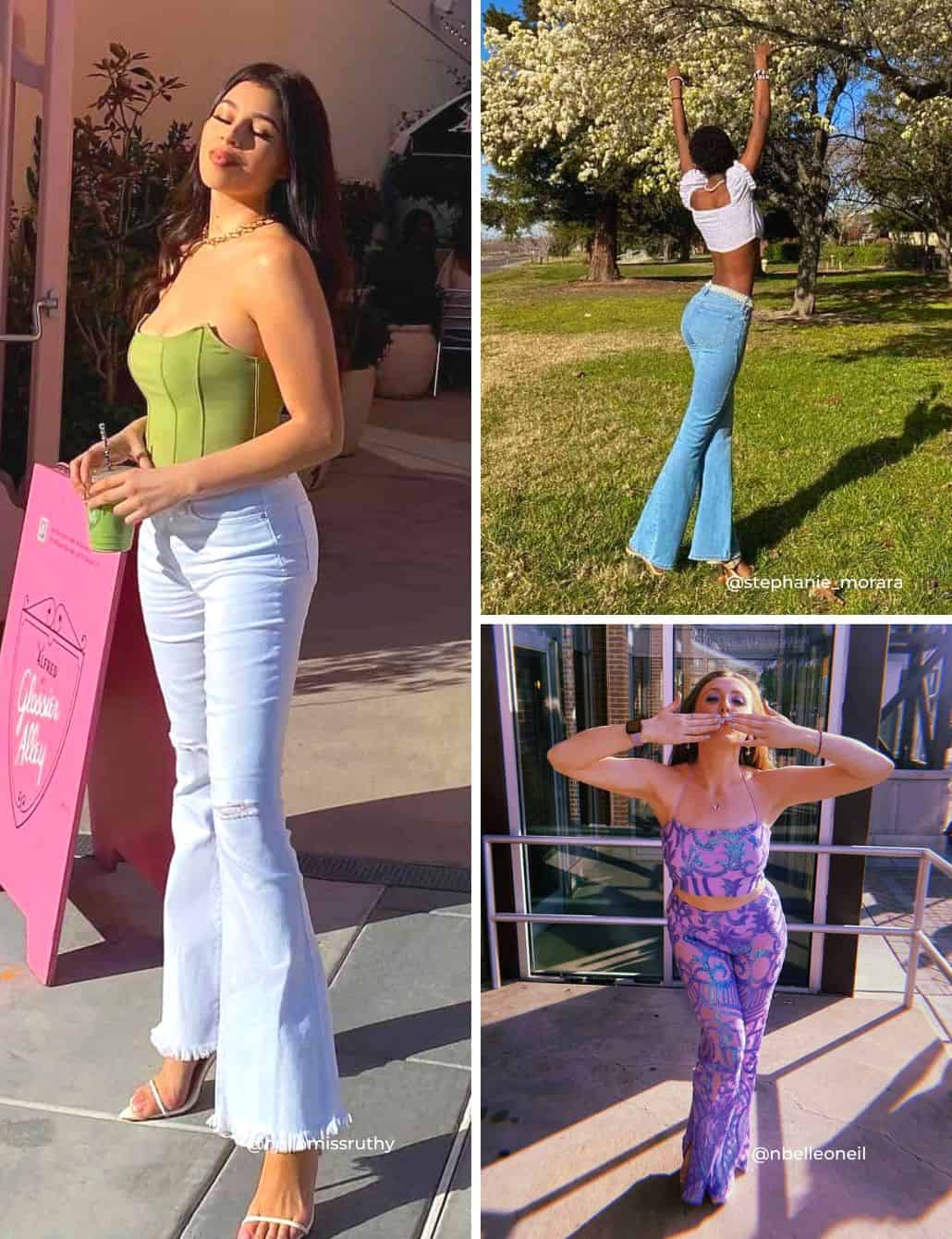
Looking at real-life examples can help spark your creativity. Here are a few ideas based on popular DIY projects:
- Classic Denim Bell-Bottoms: Adding triangle denim inserts for a 70s-inspired look.
- Patterned Panel Flares: Using bold print fabric for the inserts.
- Lace-Trimmed Flares: Adding lace to the hem or side inserts for a feminine touch.
- Patchwork Flares: Mixing different denim shades for a boho style.
- Raw Edge Kick Flares: Distressed hems with a small flare for a modern twist.
You can find step-by-step visuals and inspiration on sewing blogs and social media. For detailed sewing techniques, visit Craftsy.
Data: Flare Styles And Popularity
How do different flare widths and styles compare in popularity? Here’s a summary based on fashion surveys and online trends.
| Flare Type | Average Hem Width (inches) | Popularity (1–5) | Best For |
|---|---|---|---|
| Bell-bottom | 22–26 | 5 | Retro, statement looks |
| Bootcut | 16–18 | 4 | Everyday wear |
| Kick flare | 14–16 | 3 | Trendy, casual |
| Panel-insert | 18–24 | 4 | DIY, creative designs |
| Raw edge | 16–22 | 2 | Boho, youthful styles |
Two Insights Beginners Often Miss
- Matching Fabric Weight Is Crucial: Many beginners use whatever fabric is on hand for inserts, but mismatched weights cause the flare to hang awkwardly or pull on the seams. Always use fabric with a similar feel and thickness to the original pants for the best results.
- Pressing Seams Improves the Look: Pressing every seam with an iron as you go makes the finished pants look professionally made. Skipping this step often leads to a bulky or uneven appearance.
Credit: www.windsorstore.com
Practical Tips For A Professional Finish
- Test on Scrap Fabric: Try your chosen method on old fabric first to practice sewing straight seams and handling inserts.
- Use Quality Thread: Cheap thread can break and ruin your hard work.
- Double-Stitch High-Stress Areas: Especially around the knee and hem, which get the most movement.
- Try On Regularly: After each major step, try on the pants to check fit and flare size. Adjust before making permanent stitches.
Troubleshooting: Fixing Common Problems
- Flare Feels Uneven: Check that both sides are symmetrical. Re-pin and sew slowly.
- Seam Pulls Apart: Reinforce with extra stitches and use stronger thread.
- Fabric Frays Too Much: Apply a thin line of fabric glue along raw edges if you don’t have a serger.
- Flare Too Wide or Narrow: You can trim the insert or add extra fabric if needed.

Credit: www.shopcsb.com
The Confidence To Customize
Making your own flared pants is about more than saving money or following a trend. It’s a chance to express yourself and learn new skills. Don’t be afraid to experiment with fabrics, colors, and styles. Your first pair may not be perfect, but each project will improve your confidence and creativity.
Frequently Asked Questions
How Much Fabric Do I Need To Flare My Pants?
The amount of fabric depends on how wide you want the flare and how long your pants are. For a standard dramatic flare, you usually need about ¼ to ½ yard of fabric per leg. It’s better to buy a little extra so you have enough for mistakes or adjustments.
Can I Flare Pants Without A Sewing Machine?
Yes, you can use hand sewing or fabric glue for small flares or temporary changes. However, a sewing machine gives a stronger, cleaner finish. For permanent, everyday wear, machine sewing is recommended.
What Is The Best Fabric For Inserts?
Use fabric with a similar weight and stretch to your pants. For denim pants, use denim or sturdy cotton. For lighter pants, cotton twill or similar blends work well. Stretch fabrics should pair with stretch inserts for comfort and movement.
How Do I Avoid Making The Flare Too Bulky?
Avoid using very thick fabric for inserts. Press seams flat with an iron, and trim excess seam allowance before finishing the edges. Lighter fabrics and careful sewing help keep the flare sleek and comfortable.
Will Flaring Pants Weaken The Seams?
If you sew carefully and reinforce high-stress areas, your seams should stay strong. Double-stitch around the knee and hem, and avoid making the flare too wide for the original fabric. If you notice any signs of stress, strengthen the seams with extra stitching.
Turning regular pants into flared masterpieces is not just a way to refresh your wardrobe but also a fun and rewarding project. With the steps, tips, and practical advice in this guide, you’re ready to create pants that match your unique style and comfort.
Get creative, take your time, and enjoy the journey of making your own flared pants!
Credit: littleboxindia.com
