

How to Fix Yoga Pants Hole: Easy Repair Tips for Lasting Results
How To Fix Yoga Pants Hole
Yoga pants are popular for exercise and everyday comfort. But even the best pairs can get holes over time. Maybe you caught your pants on a sharp object, or the fabric wore thin from stretching. A small hole can quickly become bigger if you do nothing.
The good news is you do not need to throw away your favorite yoga pants. With some care, you can repair them at home and keep wearing them with confidence.
This guide will show you how to fix holes in yoga pants, step by step. You will learn why holes happen, how to choose the right repair method, and what tools you need. We will also cover both hand sewing and no-sew options, plus tips to prevent future damage.
Whether you are new to sewing or just want quick fixes, you will find all you need to know here.
Why Do Yoga Pants Get Holes?
Understanding the cause of holes helps you repair them better and prevent future problems. Yoga pants are usually made from stretchy materials like spandex, polyester, and nylon. These fabrics are soft and flexible, but they are also sensitive to friction and sharp objects.
Common causes of yoga pants holes:
- Fabric Stretching: If yoga pants are too tight, the fabric stretches more than it should. Over time, this weakens the fibers.
- Friction: Repeated rubbing between the thighs or against surfaces (like yoga mats or gym equipment) wears the fabric thin.
- Washing Damage: Washing pants with rough items or using strong detergents can break down the fibers.
- Snags and Tears: Sitting on rough surfaces, or accidental contact with zippers, jewelry, or nails can cause sudden holes.
- Poor Quality Stitching: Sometimes, seams are not strong enough and split open after a few uses.
Non-obvious insight: Holes often start as tiny fabric pulls or thin spots. You may not notice them until a full hole appears. Checking for weak areas when you wash or fold your pants can help you catch damage early.
Choosing The Best Repair Method
Not all holes are the same. The size, location, and type of fabric affect how you should repair your yoga pants. Here are the main options:
- Hand sewing: Good for small to medium holes, especially on seams.
- Machine sewing: Best for larger holes or when you want a strong, invisible fix.
- Iron-on patches: Quick for small and medium holes, especially on non-seam areas.
- Fabric glue: Fastest, but not always the most durable for high-stretch areas.
- Darning: Useful for thin areas, not just holes.
Consider these factors before you choose:
| Hole Size | Best Repair Method | Difficulty | Durability |
|---|---|---|---|
| Small (under 1 cm) | Hand sewing, fabric glue | Easy | High (if sewn) |
| Medium (1-3 cm) | Iron-on patch, machine sewing | Moderate | High |
| Large (over 3 cm) | Patch with sewing, replace panel | Challenging | Very high |
Non-obvious insight: Location matters. Holes on seams are usually easier to repair neatly. Holes on high-stretch or high-friction areas (like inner thighs) need stronger repairs.
Tools And Materials You Need
Having the right tools makes repairing yoga pants much easier. Here’s what you may need, depending on your method:
- Needle: Choose a small, sharp needle for stretchy fabrics.
- Thread: Use polyester or nylon thread for strength and stretch.
- Scissors: Small, sharp ones are best for trimming threads and patches.
- Fabric glue: Look for glue made for stretch fabrics.
- Iron-on patches: Choose thin, stretchy patches that match your pants’ color.
- Sewing machine: Not required, but helpful for big repairs.
- Pins or clips: To hold fabric in place while you sew.
- Patch fabric: Use old yoga pants or buy matching stretch fabric.
- Tweezers: Helpful for tiny repairs or removing loose threads.
- Measuring tape: To check the size of the hole.
A tip: Always test your repair materials on a hidden area first. Some glues or patches can change the color or stretch of the fabric.
How To Fix Small Holes By Hand Sewing
Hand sewing is the most common way to fix small holes in yoga pants. This method works for holes less than 1 cm wide and tears along seams. You do not need a sewing machine or special skills.
Step-by-step guide:
- Clean the Area: Wash and dry the pants before repairing. Dirt or oils make repairs weaker.
- Trim Loose Threads: Use scissors or tweezers to remove any loose fibers.
- Thread Your Needle: Use a thread that matches your pants. Cut a piece about 18 inches long.
- Knot the End: Tie a small knot at the end of your thread.
- Turn Pants Inside Out: This makes the repair less visible.
- Align the Hole Edges: Bring the sides of the hole together with your fingers. Use pins if needed.
- Sew the Hole Closed: Use a whip stitch or ladder stitch. Start 2-3 mm before the hole and finish 2-3 mm after it. Keep stitches close and even.
- Tie Off the Thread: Make a knot and trim any excess.
- Turn Pants Right Side Out: Check that the repair looks neat.
A beginner mistake: Pulling the stitches too tight can make the fabric pucker. Keep the thread snug, but not stretched.
Fixing Medium Or Large Holes With A Patch
When the hole is bigger than 1 cm, or the fabric is thin and worn, use a patch. Patches give extra strength and stop the hole from growing.
Choosing The Right Patch
You can use an iron-on patch or sew on a piece of stretch fabric. For yoga pants, always use a patch with some stretch, so it moves with your body.
How to pick a patch:
- Size: Patch should be 1-2 cm bigger than the hole on all sides.
- Color: Try to match the color or use a fun contrast if you like.
- Shape: Round or oval patches stick better and do not curl at the edges.
How To Attach An Iron-on Patch
- Cut the Patch: Make it larger than the hole.
- Place the Patch: Put it on the inside of the pants, covering the hole.
- Follow Patch Instructions: Most need you to cover with a cloth and press with a hot iron for 10-15 seconds.
- Let it Cool: Wait a few minutes for the glue to set.
Not all iron-on patches are strong enough for high-stretch areas. For extra strength, you can sew around the edge of the patch after ironing.
How To Sew On A Patch
- Cut a Patch: Use stretch fabric, bigger than the hole.
- Pin in Place: Put the patch behind the hole, on the inside of the pants. Pin or clip in place.
- Sew Around the Hole: Use a zig-zag stitch (by hand or machine) around the edge. This stitch allows for stretch.
- Trim Extra Fabric: Cut away extra patch on the inside.
Machine sewing is faster, but you can sew by hand if you do not have a machine.
Quick Fixes: Fabric Glue And No-sew Methods
Sometimes you need a fast solution. Fabric glue and other no-sew methods are helpful if you do not have sewing skills or tools.
Using Fabric Glue
Fabric glue is easy to use, but works best for small holes or as a short-term fix.
How to use fabric glue:
- Clean the Area: Wash and dry the pants.
- Apply Glue: Put a thin layer around the hole.
- Press Edges Together: Hold for 1-2 minutes.
- Let Dry: Wait at least 4 hours, or as the glue bottle says, before wearing.
Tip: Some fabric glues can feel stiff when dry. Use a small amount and spread it thinly.
Using Fusible Web Tape
Fusible web tape is a thin, sticky tape that melts with heat. It can hold patches or small holes closed.
How to use it:
- Cut a Piece of Tape: Slightly larger than the hole.
- Place Between Fabric Edges: Put the tape inside the hole.
- Iron to Fuse: Cover with a cloth and press with a hot iron for 10-15 seconds.
This method is not as strong as sewing but works in a hurry.
Repairing Seams That Split
Sometimes, the hole is not in the fabric, but the seam comes apart. Seam splits are common in yoga pants because of the stretch.
To repair a split seam:
- Turn Inside Out: Work on the inside of the pants.
- Align the Edges: Bring the two seam edges together.
- Sew with a Stretch Stitch: Use a zig-zag or stretch stitch (by hand or machine).
- Backstitch at Ends: Sew back and forth a few times at the start and end to secure.
- Trim Loose Threads: Make sure no thread is left hanging.
A common mistake: Using a regular straight stitch. This stitch breaks easily when you stretch the pants. Always use a zig-zag or stretch stitch for seams.
Darning: Fixing Thin Or Worn Areas
Darning is a way to repair thin spots before they become holes. You weave thread back and forth to reinforce the fabric.
How to darn:
- Place Pants Over a Firm Surface: Use an embroidery hoop or small bowl inside the pants.
- Thread a Needle: Use matching thread.
- Weave Across the Thin Area: Sew rows of thread across the weak spot.
- Weave Perpendicular Rows: Go back and forth in the other direction, making a grid.
- Finish and Trim: Tie off the thread and trim the ends.
Darning takes time but can make your pants last much longer.
Machine Sewing For A Professional Finish
A sewing machine gives strong, neat repairs. If you have many pairs to fix, or want an invisible repair, a machine is helpful.
Steps for machine repair:
- Choose a Stretch Stitch: Most machines have a zig-zag or stretch stitch.
- Use Stretch Needle and Thread: This prevents skipped stitches and thread breaks.
- Sew Slowly: Stretch fabric can shift; go slowly and guide the fabric gently.
- Reinforce the Ends: Backstitch at the start and end of your seam.
You can also use a machine to sew on patches for large holes.
Preventing Future Holes
Repairing is good, but prevention saves time and money. Here’s how to keep your yoga pants in good shape:
- Buy the Right Size: Pants that are too tight wear out faster. Check the waist and hip fit.
- Wash Carefully: Wash yoga pants inside out, on a gentle cycle, with other soft clothes.
- Avoid Heat: High heat from dryers weakens fabric. Air dry when possible.
- Limit Friction: Do not wear yoga pants for activities with rough surfaces.
- Check for Early Damage: Look for thin spots and repair them before they become holes.
- Rotate Your Pants: Do not wear the same pair every day. Give them time to recover their shape.
Non-obvious tip: If you find one weak spot, check the opposite leg or side. Damage often happens in pairs.
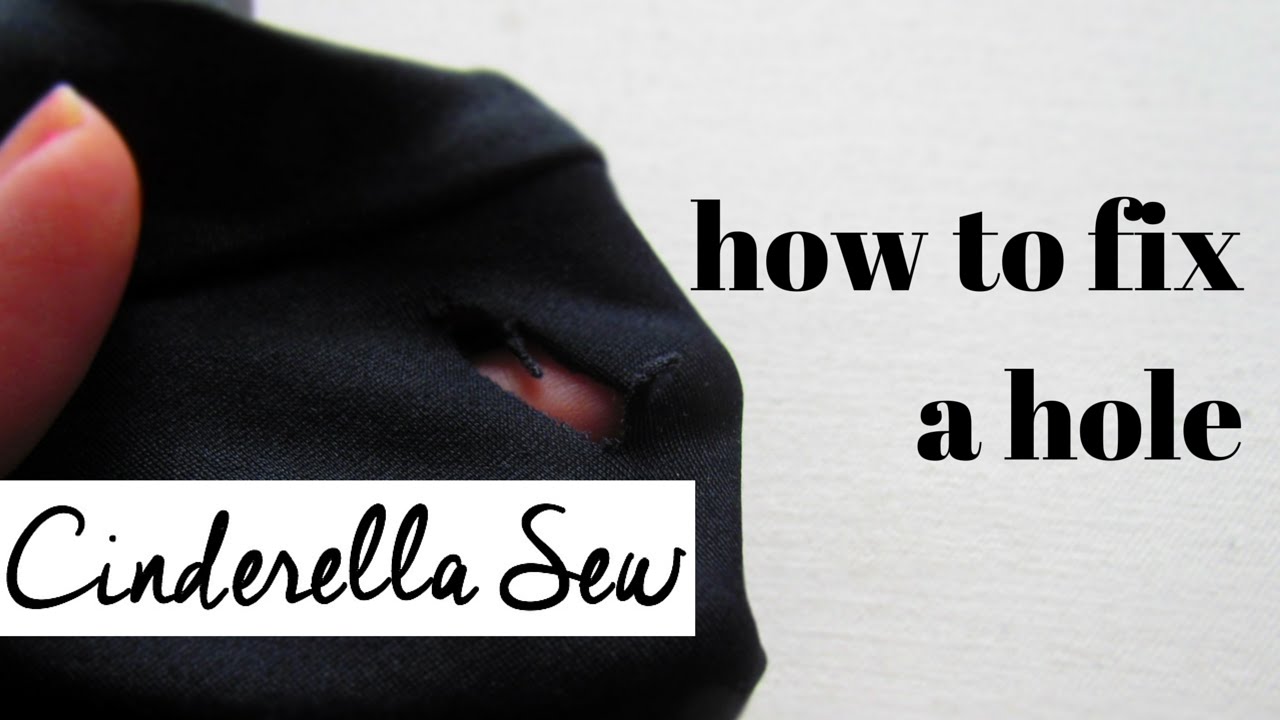
Credit: www.youtube.com
When To Replace Instead Of Repair
Not every pair of yoga pants can be saved. Sometimes, the fabric is too thin, the hole is too big, or the repairs make the pants uncomfortable. Here’s how to decide:
- Multiple Large Holes: If you have more than two big holes, repairs may not last.
- Fabric is See-Through: If large areas are thin, new holes will appear soon.
- Uncomfortable Repairs: If patches or stitches rub your skin, it may be better to replace.
Yoga pants are meant to stretch and move with you. If repairs stop them from doing that, it may be time to buy a new pair.
Creative Ways To Repair And Customize
Fixing holes can also be a chance to add style to your yoga pants. Here are some ideas:
- Decorative Patches: Use colorful or patterned fabric for a unique look.
- Appliqué Designs: Sew a fun shape (like a star or heart) over the hole.
- Contrast Stitching: Use bright thread to make the repair a feature, not a flaw.
- Layered Look: Sew mesh or lace behind the hole for a stylish touch.
Fashion tip: Customizing your yoga pants can make them one-of-a-kind. Just make sure any added fabric stretches with the pants.
Credit: www.reddit.com
Comparing Repair Methods
To help you pick the best method, here is a quick comparison of the main options:
| Method | Best For | Time Needed | Durability | Skill Level |
|---|---|---|---|---|
| Hand sewing | Small holes, seams | 10-20 minutes | High | Beginner |
| Machine sewing | Large holes, strong seams | 10-15 minutes | Very high | Intermediate |
| Iron-on patch | Medium holes, non-seam | 5-10 minutes | Medium | Beginner |
| Fabric glue | Quick fixes, small holes | 5 minutes + drying | Low to medium | Beginner |
| Darning | Thin spots, prevention | 15-30 minutes | High | Intermediate |
Safety And Comfort After Repair
After you fix your yoga pants, wear them around the house before taking them out for exercise. Check for:
- Comfort: Make sure patches or stitches do not rub your skin.
- Stretch: Move, squat, and stretch to check if the repair holds.
- Appearance: Look in a mirror to see if you are happy with how the repair looks.
If you feel any discomfort, try trimming extra threads or ironing the repair area to soften it.
Common Mistakes To Avoid
Even simple repairs can go wrong. Watch out for these mistakes:
- Not Matching Thread or Patch Color: Repairs will be much more visible if colors do not match.
- Using Non-Stretch Thread or Patch: These can break or pull when you move.
- Skipping Edge Reinforcement: Not sewing or gluing past the hole edge can let the hole reopen.
- Overusing Fabric Glue: Too much glue makes the fabric stiff and uncomfortable.
- Ignoring Fabric Grain: Patches should stretch the same direction as the pants.
A little planning makes repairs last longer and look better.
Eco-friendly Tips For Repair And Reuse
Fixing yoga pants is good for your wallet and the environment. Textile waste is a big problem, with millions of tons thrown away each year. By repairing instead of tossing, you help reduce waste.
- Reuse Old Pants as Patch Material: Save old yoga pants to use as matching patches.
- Donate Unrepairable Pants: Some clothing brands recycle old activewear.
- Upcycle: Cut old yoga pants into cleaning cloths, headbands, or reusable bags.
Learn more about textile recycling from EPA’s Textile Recycling page.

Credit: happiestcamper.com
Frequently Asked Questions
How Do I Fix A Hole In Yoga Pants Without Sewing?
You can use fabric glue or an iron-on patch for small to medium holes. Clean the area, apply glue, or place the patch, and follow the instructions. These methods are quick but may not last as long as sewing, especially in high-stretch areas.
What Thread Should I Use To Repair Yoga Pants?
Use polyester or nylon thread. These threads stretch with the fabric and are stronger than cotton. Try to match the color to your pants for a less visible repair.
Can I Use Regular Fabric Patches On Yoga Pants?
Regular patches may not stretch enough and can cause the fabric to pull or tear more. Always use stretch fabric patches or patches made for activewear. These move with your body and last longer.
How Do I Stop A Small Hole From Getting Bigger?
Repair the hole as soon as you see it. Even a few stitches or a tiny patch can prevent the hole from growing. Avoid pulling on the area until you fix it, and try not to wash the pants before repair, as movement can make the hole worse.
Is It Worth Repairing Old Yoga Pants?
If the fabric is still strong and you like the fit, repairing is a good choice. It saves money and helps the environment. If the pants are very thin, have many holes, or feel uncomfortable after repair, it may be time to replace them.
Yoga pants are part of daily life for many people. Knowing how to repair them means you can keep your favorites longer and reduce waste. With the right tools, a little patience, and some creativity, most holes can be fixed at home.
Try these methods and enjoy your comfortable, stylish yoga pants for many more workouts and relaxing days.
