

How to Fix Oversized T Shirt Sleeves: Easy DIY Solutions
How To Fix Oversized T Shirt Sleeves
Wearing a favorite t-shirt should feel comfortable and stylish. But when the sleeves are too big, your whole look can feel off. Oversized sleeves can make your arms look smaller, add bulk, or make you look unpolished. The good news is, fixing oversized t-shirt sleeves is possible—no matter your skill level or tools at hand.
Whether you want a quick fix or a permanent solution, you have many options. This guide will walk you through simple and effective ways to adjust those sleeves, so your shirt fits just right. Along the way, you’ll learn tips that many beginners miss and discover how small changes can make a big difference in your appearance.
Why Oversized T Shirt Sleeves Are A Problem
Oversized sleeves can make a simple t-shirt appear sloppy or out of proportion. They may flap around your arms, catch on things, or bunch under jackets. Some people find that big sleeves make them look shorter or less confident. If you work in an office, go to school, or just want to look sharp, fixing sleeve size can help you look more put-together.
Many people buy t-shirts online or receive them as gifts, only to find the sleeves are much larger than expected. Even shirts labeled as "regular fit" can sometimes have wide or loose sleeves, especially after a few washes. Fixing this issue doesn’t require throwing away your shirt or spending a lot of money on a tailor.
With some creativity and patience, you can fix most oversized t-shirt sleeves at home.
Key Things To Consider Before You Start
Before making any changes, take a moment to think about your goals and tools.
- Fabric type: Some fabrics, like cotton, are easier to adjust than stretchy blends or synthetic materials. Thicker fabrics hold their shape better after alterations, while thin fabrics may need more care.
- Skill level: Sewing skills help, but many fixes require only basic hand sewing or no sewing at all.
- Permanent vs. temporary: Decide if you want a permanent fix (like cutting and sewing) or something you can undo (like using elastic bands or safety pins).
- Time and patience: Some methods take just a few minutes, while others need planning and attention to detail.
Knowing these points will help you choose the best method and avoid common mistakes, like damaging the shirt or making the sleeves too tight.
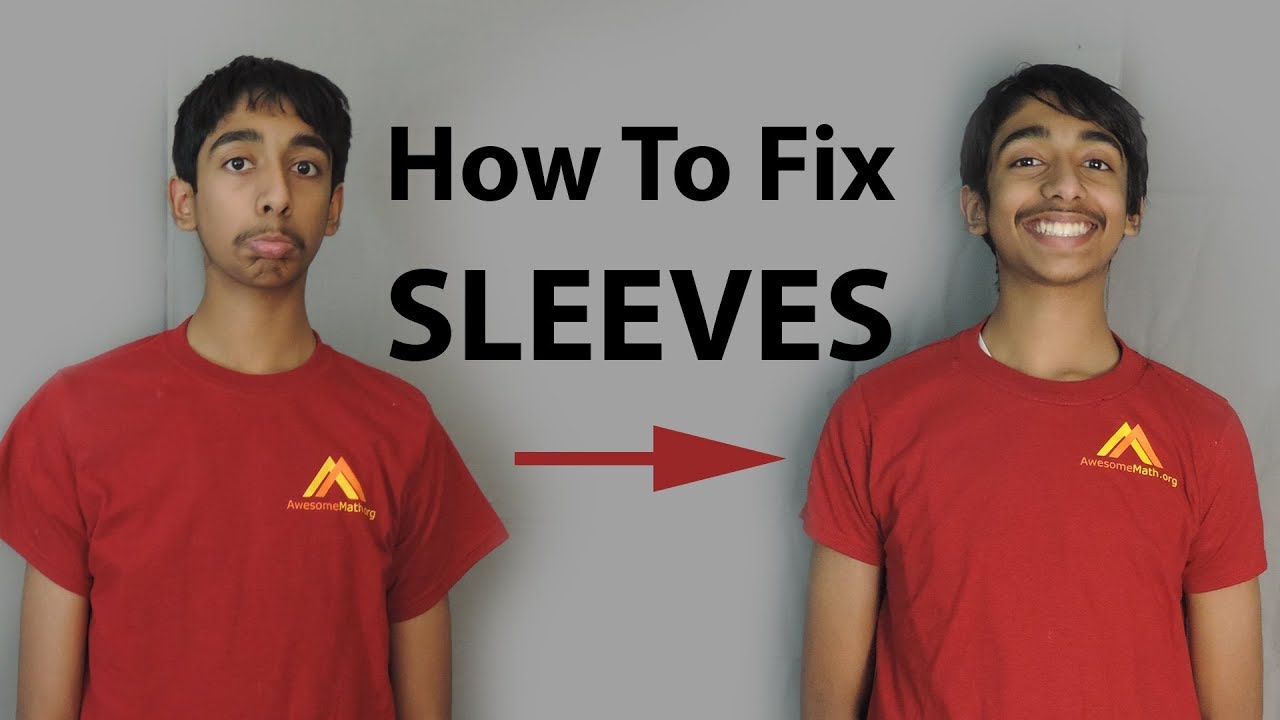
Credit: www.youtube.com
Quick Fixes Without Sewing
Not everyone owns a sewing machine or feels comfortable with needles. Luckily, there are several ways to make sleeves smaller without sewing.
Using Rubber Bands
A simple way to tighten oversized sleeves is to use rubber bands. Here’s how:
- Slide a rubber band up your arm to the area where you want the sleeve to sit.
- Tuck the extra fabric under the band, arranging it evenly.
- Adjust until the sleeve looks natural.
This is a great trick if you need a fast solution for a party, meeting, or photo. It works best with medium or heavy cotton shirts, as very thin fabrics may show the band.
Fashion Tape Or Double-sided Tape
Fashion tape is a double-sided adhesive used in clothing. Stick a small piece inside the sleeve and press the fabric to create a smaller opening. The tape holds well for a few hours and is gentle on most fabrics.
Use this for events or situations where you don’t want to damage the shirt. Replace the tape as needed.
Safety Pins For A Temporary Tuck
Safety pins can make an oversized sleeve look fitted in seconds. Here’s how:
- Turn the shirt inside out.
- Pinch the fabric under the arm and pin it in place.
- Turn the shirt right side out and check the fit.
This method is invisible from the outside if you pin carefully. Just remember to remove pins before washing to avoid rust or tears.
Hair Ties For A Quick Gather
Similar to rubber bands, hair ties can gather sleeve fabric and hold it in place. Choose a tie that matches your shirt color for a cleaner look.
Slip the tie around the sleeve and push the extra fabric underneath. This trick works well for a casual look or when you’re in a rush.
Permanent Sleeve Alterations At Home
For a lasting fix, sewing or cutting is often necessary. Even if you’re new to sewing, basic hand stitches or fabric glue can do the job.
Taking In The Sleeve With Hand Sewing
Hand sewing gives you control and doesn’t require a machine. Here’s a step-by-step guide:
- Try on the shirt and use chalk or a washable marker to mark where you want the new seam.
- Turn the shirt inside out.
- Pin along the line to keep the fabric in place.
- Use a backstitch (a strong, basic hand stitch) to sew from the armpit down to the end of the sleeve.
- Trim the extra fabric, leaving about a centimeter for the seam.
- Turn the shirt right side out and try it on.
This method works for most cotton or cotton-blend shirts. Practice on an old shirt if you’re nervous.
Using A Sewing Machine
A sewing machine makes the process faster and gives a more professional finish.
- Mark and pin the sleeve as with hand sewing.
- Set your machine to a straight stitch.
- Sew along the marked line, starting at the armpit.
- Trim and finish the edge with a zigzag stitch or fabric glue to prevent fraying.
A machine helps if you need to alter many shirts or want a durable result.
Cutting And Hemming The Sleeves
If the sleeves are not only wide but also too long, you might want to cut them and create a new hem.
- Measure and mark the desired sleeve length.
- Cut carefully with fabric scissors.
- Fold the edge up about 1 cm and pin.
- Sew a simple hem by hand or with a machine, or use iron-on hem tape for a no-sew option.
Shortening and tapering the sleeve at the same time gives the shirt a more tailored look.
Using Fabric Glue
If you can’t sew or don’t want to, fabric glue is a good option. Apply a thin line along the area you want to fold and press the fabric down. Hold in place for a few minutes and let it dry overnight.
Fabric glue works best on cotton and blends, but test on a hidden area first. It’s not as strong as sewing, but can last through a few washes.
Iron-on Hem Tape
Iron-on hem tape is an easy way to create a new edge without sewing. Place the tape between the folded fabric, press with a hot iron, and hold. The tape melts and bonds the fabric.
It’s best for small adjustments and casual shirts, but not recommended for stretchy or very thin fabrics.

Credit: sewguide.com
Adjusting The Sleeve Fit With Accessories
Sometimes, you don’t need to alter the shirt. Adding the right accessory can change how the sleeve looks and feels.
Rolling Up The Sleeves
Rolling sleeves is a classic way to make them look smaller and more stylish. Here’s how:
- Lay the shirt flat and fold the end of the sleeve up once, about two inches.
- Fold again, covering the first fold.
- Adjust so the roll sits just above your elbow or at the point you like.
This works for both men and women. A neat roll can make your arms look stronger and the shirt look more fitted.
Wearing A Layer Underneath
A long-sleeve undershirt or fitted t-shirt under your oversized shirt can fill out the sleeves. This is especially helpful in cooler weather.
Choose a color that matches or contrasts with your shirt for a different style. This trick adds warmth and style while making loose sleeves less obvious.
Adding Arm Bands
Arm bands are elastic or fabric bands worn around the upper arm. They push the sleeve up and create a puffed look above the band. This was common in vintage men’s fashion and can add a retro touch.
Arm bands are easy to adjust and remove, making them a flexible option if you want to switch between a fitted and loose look.
How To Make The T Shirt Sleeves Tighter
If you want to make the sleeves tighter all the way around, there are several methods. Each works best for different fabrics and situations.
Shrinking The T Shirt In The Wash
Many cotton shirts will shrink when washed in hot water and dried on high heat. To do this:
- Wash the t-shirt in hot water.
- Dry it on the hottest setting.
Be careful—this can also shrink the body of the shirt, not just the sleeves. Always check the care label first. Synthetic or pre-shrunk shirts may not change much.
Adding Elastic Inside The Sleeve
Sewing a thin strip of elastic inside the sleeve makes it hug your arm better. Here’s a simple way:
- Measure your arm where you want the sleeve to sit.
- Cut a piece of elastic about an inch shorter than your measurement.
- Pin the elastic inside the sleeve edge and sew it in place, stretching as you go.
The elastic gathers the fabric, creating a snug fit. This works well for sporty or casual shirts.
Tapering The Sleeve
Tapering means making the sleeve narrower from the armpit to the cuff. You can do this by sewing a new seam (see the hand-sewing or machine-sewing methods above).
Tapering creates a modern, fitted look. It’s a bit more advanced but gives professional results.
Comparing The Main Fix Methods
Choosing between different sleeve-fixing methods depends on your needs, skill level, and the look you want. Here’s a side-by-side comparison to help you decide:
| Method | Difficulty | Time Needed | Permanent? | Best For |
|---|---|---|---|---|
| Rubber Bands/Hair Ties | Easy | 2-5 minutes | No | Quick fixes |
| Hand Sewing | Moderate | 30-45 minutes | Yes | Permanent change |
| Sewing Machine | Moderate | 15-30 minutes | Yes | Professional finish |
| Fabric Glue/Hem Tape | Easy | 10-20 minutes | Somewhat | No-sew solutions |
| Shrinking in Wash | Easy | 1 hour | Yes | Cotton shirts |
This table can help you choose the method that fits your time, tools, and comfort level.
Mistakes To Avoid When Fixing Oversized Sleeves
Even simple fixes can go wrong if you skip important steps.
- Cutting too much fabric: Always mark and measure before cutting. You can cut more later, but you can’t add fabric back.
- Not testing shrinkage: Some shirts shrink unevenly. Wash a similar old shirt first to see how the fabric reacts.
- Using the wrong needle or thread: For hand or machine sewing, use a sharp needle and thread that matches the shirt color and weight.
- Ignoring fabric type: Synthetic blends may melt under a hot iron or react badly to glue. Always test on a small area.
- Skipping pins or marking: Rushing can lead to uneven seams or a poor fit. Take time to pin and mark before sewing.
Learning from these mistakes helps you get a better result and avoid ruining your shirt.
How To Fix Oversized Sleeves For Different T Shirt Styles
Not all t-shirts are the same. The style of your shirt can change how you approach sleeve fixes.
Crew Neck T Shirts
The classic crew neck t-shirt usually has straight sleeves. All the methods in this article work for this style. Rolling up sleeves or sewing a new seam gives a modern look.
V Neck T Shirts
V neck shirts often have lighter fabric and slimmer sleeves. Be gentle when pinning or sewing, and avoid heavy glue or thick bands that can show through.
Raglan Sleeve T Shirts
Raglan sleeves are sewn in a diagonal line from the collar to the underarm. Adjusting these sleeves is trickier. For raglan shirts, tapering or using a sewing machine gives the best results, as the seam shape is different.
Long Sleeve T Shirts
With long sleeves, you can shorten and taper at the same time. If you want to keep them long but less baggy, add elastic at the wrist or sew a new seam from underarm to cuff.
| T Shirt Type | Best Method | Tips |
|---|---|---|
| Crew Neck | All methods | Easy to alter |
| V Neck | Hand sewing, tape | Use gentle tools |
| Raglan | Sewing machine | Follow seam lines |
| Long Sleeve | Tapering, elastic | Shorten and tighten |
Choosing the right method for your t-shirt style saves time and gives a better finish.
When To Ask A Tailor For Help
Sometimes, a DIY approach isn’t enough. If your shirt is expensive, has sentimental value, or you want a perfect finish, visiting a professional tailor is smart.
A tailor can:
- Taper sleeves cleanly
- Shorten sleeves evenly
- Adjust the shoulder seam (for a full custom fit)
- Fix stretchy or delicate fabrics
Tailoring costs vary, but for a favorite shirt, it can be worth it. If you’re unsure, ask for a price estimate before handing over your shirt.
Extra Tips For A Perfect Sleeve Fit
Getting the right fit is about more than making sleeves smaller. Here are two insights many beginners miss:
- Balance the shirt body and sleeves. If you make the sleeves much tighter but leave the body loose, the shirt can look odd. Consider taking in the sides as well if needed.
- Check sleeve opening size. For most adults, a good t-shirt sleeve opening is about 2 inches wider than your arm. Too tight and it’s uncomfortable; too loose and the fix won’t last.
Also, always wash and dry your shirt before altering. Some shirts shrink after the first wash, and you want to fix them at their final size.
Caring For Your Fixed T Shirt
After adjusting your t-shirt, take care to keep it looking its best.
- Wash in cold water to prevent new shrinking or seam stress.
- Turn shirts inside out before washing to protect new stitches or glue.
- Avoid high heat in the dryer, especially if you used glue or tape.
If you used elastic or arm bands, check them before each wear. Replace if they feel loose or stretched.
Examples: Before And After Sleeve Fixes
Seeing the difference a sleeve fix makes can be inspiring. Here are two common scenarios:
- Baggy to fitted: A man’s cotton t-shirt with sleeves hanging halfway down the arm. After tapering and hemming, the sleeves sit just above the elbow, hugging the arm for a modern look.
- Casual to sharp: A loose women’s t-shirt is rolled and pinned for a clean, cuffed style. The shirt now looks intentional and pairs well with a skirt or jeans.
A small change can boost your confidence and update your wardrobe without buying new clothes.
Common Questions About Fixing Oversized Sleeves
Many people have the same questions about adjusting t-shirt sleeves. Here are clear answers to help you avoid confusion.
| Question | Quick Answer |
|---|---|
| Will the fix last after washing? | Sewn fixes last; tape/glue may need to be redone. |
| Can I make sleeves smaller without sewing? | Yes, with tape, bands, or glue, but it's less durable. |
| What if I make the sleeves too tight? | Unpick stitches and try again; leave extra fabric at first. |
| Does the fabric type matter? | Yes, stretchy or synthetic fabrics need gentle handling. |
| Should I alter before or after washing? | Always wash and dry first to avoid surprises. |

Credit: www.wikihow.com
Frequently Asked Questions
How Do I Make T-shirt Sleeves Smaller Without Cutting Or Sewing?
You can use rubber bands, hair ties, or fashion tape to gather and hold the excess fabric. This is perfect for temporary fixes, events, or if you don’t want to damage the shirt. Rolling up the sleeves is another easy way to make them look smaller and more stylish.
What’s The Best Method For Fixing Sleeves On Stretchy T-shirts?
For stretchy fabrics, using a zigzag stitch on a sewing machine keeps the seam flexible. Avoid hot irons or strong glue, as these can damage elastic fibers. If you’re not confident, consider visiting a tailor who has experience with stretch materials.
Can I Shrink Only The Sleeves Of A T-shirt?
It’s hard to shrink just the sleeves, as most fabrics shrink all over. Washing in hot water and drying on high heat will shrink the whole shirt. If you only want smaller sleeves, sewing or using elastic inside the sleeve edge works better.
Is It Possible To Undo An Alteration If I Make A Mistake?
If you’ve sewn the sleeves, you can carefully unpick the stitches with a seam ripper and try again. Tape or glue can sometimes be peeled off, but it may leave residue. Always start with a small change and adjust more if needed.
Where Can I Find More Tips For Altering Clothes?
For more detailed guides, try visiting the official WikiHow website. They offer step-by-step advice and photos for many types of clothing alterations.
Making oversized t-shirt sleeves fit better doesn’t need to be hard or expensive. With a few simple tools and techniques, you can turn a baggy shirt into a stylish, well-fitting favorite. Try one or more methods above, and enjoy your new look and confidence.
