

How to Fix Loose Flare Pants: Easy DIY Solutions That Work
Wearing flare pants can be stylish and comfortable, but a loose fit can ruin both the look and feel. Maybe your favorite flares are slipping down as you walk, or the wide legs are dragging under your shoes. If your flare pants don’t fit right, you don’t need to give up on them.
There are many ways to fix loose flare pants and make them fit as if they were made for you. Whether you want a quick fix at home, a no-sew solution, or a more permanent alteration, this guide will walk you through everything you need to know.
Get ready to rescue your flares and wear them with confidence again.
Understanding Why Flare Pants Become Loose
Before fixing loose flare pants, it’s important to know why the problem happens. Pants can become loose for several reasons:
- Washing and drying: Heat from machines can stretch out elastic waistbands or loosen fabric fibers.
- Weight changes: Losing weight may make pants fit more loosely.
- Fabric type: Some materials, like denim or jersey, stretch over time with movement.
- Manufacturing differences: Not all pants are made the same; even the same size from different brands can fit differently.
Understanding the reason helps you choose the right fix. For example, a stretched waistband needs a different solution than baggy legs.
Quick No-sew Fixes For Loose Flare Pants
If you need a fast fix and don’t want to sew, these simple tricks can help you get your flare pants fitting better in minutes.
Using Safety Pins
Safety pins are a classic no-sew tool. You can use them to tighten the waistband or take in the side seams temporarily.
- Pinching the waistband: Gather a small section at the back of the waistband and secure it with a safety pin inside the fabric. This is hidden and works well for small adjustments.
- Pinning the legs: If the flares are too wide, fold the excess fabric along the inner seam and pin it from the inside.
This method is best for short-term fixes, as safety pins can pop open with movement.
Adding An Elastic Belt
If your pants are loose at the waist, an elastic belt can help. These belts are thin and fit under shirts without showing. They add grip and keep your pants in place.
- Slide the belt through the loops and adjust until snug.
- Elastic belts are great because they stretch as you move, offering comfort and flexibility.
Using Fabric Tape
Double-sided fabric tape is a quick way to tuck in loose fabric. Place the tape inside the waistband or along the flare to create a temporary hold.
- Ideal for situations when you don’t want to damage the fabric with pins.
- Remember, this is a one-time solution—the tape loses stickiness after washing.
Shrinking With Heat
Many fabrics, especially cotton and denim, shrink when exposed to heat. Here’s how to shrink your pants:
- Wash the pants in hot water.
- Dry them on high heat.
Be careful—this method can change the length as well as the fit. Test with caution, especially if your pants are already the right length.

Credit: www.amazon.com
Permanent Alteration Methods
No-sew fixes work for quick results, but if you want your flare pants to fit well for the long term, you may need to alter them permanently. These methods require some basic sewing skills or a visit to a tailor.
Taking In The Waistband
A loose waistband is a common problem. Here are two main ways to fix it:
1. Darting The Waistband
A dart is a small, sewn-in fold that removes extra fabric.
- Turn your pants inside out.
- Pinch the extra fabric at the back of the waistband.
- Sew a triangle-shaped dart from the waistband down a few inches.
Darts are nearly invisible from the outside and can be customized for your body shape.
2. Inserting Elastic
You can add a strip of elastic to the waistband for a snug fit.
- Open a small section of the waistband at the inside seam.
- Thread elastic through the waistband using a safety pin as a guide.
- Sew the ends of the elastic in place and close the opening.
This solution works well for pants that sit at the waist and is especially helpful for pants without belt loops.
Slimming The Legs
If the flare is too wide, you can make the legs slimmer while keeping the flared shape.
- Turn your pants inside out.
- Pin along the seams where you want to reduce the width.
- Sew a new seam along the pins, starting from the knee and tapering down to the hem.
- Trim the excess fabric and finish the seam with a zigzag stitch to prevent fraying.
This method lets you control exactly how much flare you keep.
Shortening The Hem
Sometimes, loose flare pants are also too long, causing them to bunch up at the ankle or drag on the ground. Shortening the hem fixes both issues.
- Try on the pants with the shoes you plan to wear.
- Fold the hem to the desired length and pin in place.
- Sew a straight stitch around the edge to secure the new hem.
If your pants have a special hem (like a frayed or decorative edge), you can reattach it after cutting.
Altering The Side Seams
For pants that are loose all over, you may need to take in the side seams.
- Turn the pants inside out and put them on.
- Pin along the side seams to mark how much to take in.
- Remove the pants and sew along the pins, following the curve of your body.
- Trim the excess fabric.
This method works for both the waist and the legs.
Professional Tailoring
If you’re not confident in your sewing skills, a professional tailor can make precise adjustments. Tailoring costs vary, but for high-quality or expensive flare pants, it is often worth the investment. Tailors can also fix complicated issues, like adjusting the rise or fixing pants with lining.
Step-by-step Guide: Fixing Loose Flare Pants At Home
If you want to do the work yourself, here’s a clear process you can follow at home. This guide covers the most common problems: loose waist, loose legs, and too-long hems.
Materials You’ll Need
- Measuring tape
- Fabric chalk or washable marker
- Pins or safety pins
- Scissors
- Sewing machine (or needle and thread)
- Elastic (if needed)
- Iron
Step 1: Assess The Fit
Put on your flare pants and stand in front of a mirror. Identify where they feel loose:
- Waistband slipping down
- Excess fabric at the thighs or knees
- Flare too wide or dragging
Mark problem areas with chalk or pins.
Step 2: Pin The Areas To Adjust
While wearing the pants inside out, use pins to gather the extra fabric. For the waist, pinch the back or sides. For the legs, pin along the seams from the knee down.
Step 3: Measure And Mark
Take off the pants and lay them flat. Use a measuring tape to check that your pinned adjustments are even on both sides. Mark sewing lines with chalk.
Step 4: Sew The Adjustments
- For the waistband, sew darts or insert elastic as described earlier.
- For the legs, sew along your marked lines, starting with a straight stitch and finishing with a zigzag or overlock to prevent fraying.
Step 5: Trim Excess Fabric
After sewing, try on the pants to check the fit. If they feel right, trim the extra fabric, leaving a small seam allowance.
Step 6: Finish The Hems
If you adjusted the length, fold the hem to the new length and sew with a straight stitch. Press with an iron for a crisp finish.
Step 7: Final Check
Put on your pants again and walk around. Sit, stand, and move to see if they stay in place and feel comfortable. Make any final tweaks if needed.
Comparing Home Fixes, No-sew Solutions, And Professional Tailoring
To help you choose the best way to fix your loose flare pants, here is a comparison of common methods:
| Method | Cost | Skill Needed | Time Required | Durability |
|---|---|---|---|---|
| No-sew fixes (pins, tape) | Very low | None | 5–10 minutes | Temporary |
| DIY sewing | Low | Basic sewing | 30–60 minutes | Permanent |
| Professional tailoring | Medium to high | None (outsourced) | 1–7 days | Permanent |
Tips For Preventing Flare Pants From Becoming Loose Again
Fixing your pants is great, but how can you keep them fitting well for longer? Here are some practical tips:
- Wash with care: Use cold water and gentle cycles to avoid stretching fabrics.
- Avoid hot dryers: High heat can break down elastic and loosen fibers.
- Hang dry when possible: This helps keep the original shape.
- Rotate your wardrobe: Wearing the same pair often can make them stretch out faster.
- Check fabric quality: Higher-quality materials keep their shape longer.
- Store properly: Hang pants by the waistband or fold neatly to avoid pulling.
Many people forget that even the way you sit or move can stretch out pants over time. Sit gently and avoid tugging at the waistband when putting them on.
Common Mistakes To Avoid When Fixing Loose Flare Pants
Beginners often make errors that can ruin their pants or lead to an uncomfortable fit. Here’s what to watch out for:
- Cutting too much fabric: Always sew first, try on, then trim. If you cut before checking the fit, you can’t go back.
- Uneven adjustments: Use a measuring tape to make sure both sides are symmetrical.
- Ignoring the fabric type: Some fabrics, like polyester, don’t shrink easily or may be damaged by heat.
- Skipping seam finishing: Unfinished seams can fray and weaken over time.
- Not testing with shoes: Always check the length with the shoes you plan to wear, especially with flares.
How Fabric Choice Affects Flare Pants Fit
The type of fabric in your flare pants makes a big difference in how they fit and how easy they are to fix.
Denim
Denim is popular for flares. It stretches with wear but can also shrink with heat. Denim is strong and holds up well to sewing and alterations.
Stretch Fabrics
Spandex or elastane blends have built-in stretch, which can make fixing the fit trickier. These fabrics may return to shape after washing, but over time, the stretch can wear out.
Lightweight Fabrics
Rayon, polyester, or linen are lighter and drape differently. They may not hold darts or elastic as well as heavier fabrics. They are also more likely to wrinkle or lose shape with washing.
Here’s a quick look at how different fabrics respond to common fixes:
| Fabric Type | Shrinking with Heat | Easy to Sew | Holds Elastic Well |
|---|---|---|---|
| Denim | Yes | Yes | Yes |
| Spandex blend | Somewhat | Moderate | Yes |
| Polyester | No | Yes | Moderate |
| Linen | Yes | Yes | No |
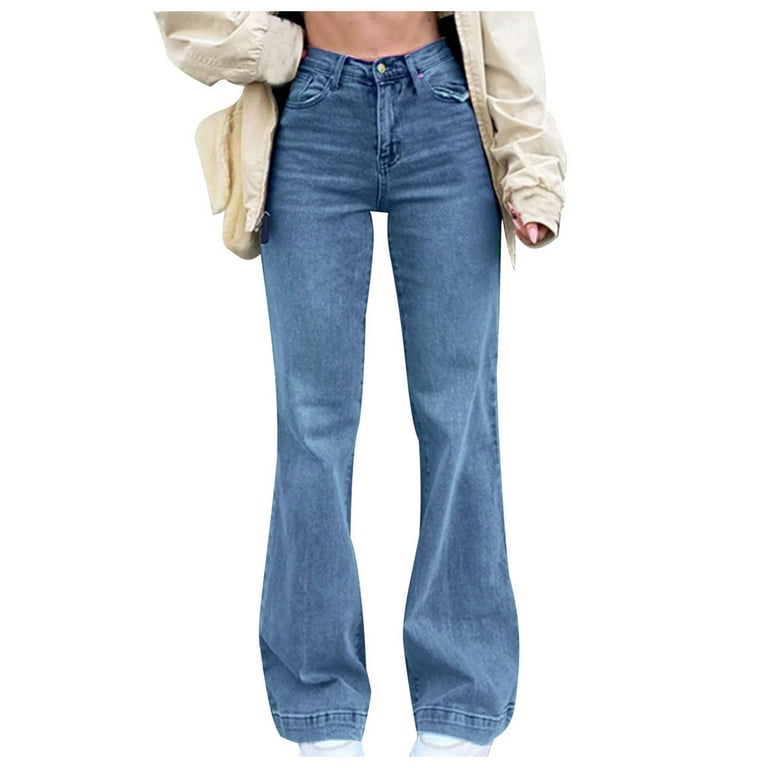
Credit: www.walmart.com
Choosing The Best Method For Your Situation
Not every method works for every pair of flare pants. Here’s how to decide:
- If you need a quick fix: Use safety pins, fabric tape, or an elastic belt.
- If you want a long-term solution: Try sewing darts, inserting elastic, or slimming the legs.
- If the pants are expensive or special: Consider a professional tailor.
- If the problem is only temporary (like pregnancy or weight change): Use elastic or no-sew methods so you can adjust as needed.
It’s smart to start with the least permanent method first. If you like the result, you can always make it permanent later.
Real-world Example: Fixing Vintage Flare Jeans
Let’s say you found a pair of vintage flare jeans at a thrift shop, but they’re too loose at the waist and the flares are wider than you like. Here’s how you could fix them:
- Try on the jeans and mark the loose areas.
- Pinch the waistband at the back and use a safety pin to hold it.
- Use pins to mark the new flare width from the knee to the hem.
- Take off the jeans, turn them inside out, and sew darts in the waistband.
- Sew along the pinned lines to slim the legs, following the original flare shape.
- Try on the jeans again. If satisfied, trim the excess fabric and finish the seams.
This process takes about an hour for someone with basic sewing skills, and the jeans will look custom-made.
How To Fix Loose Flare Pants Without Sewing
If you don’t sew or don’t have the tools, you can still improve the fit.
Use A Drawstring
If there is space in the waistband, you can thread a drawstring through it. Cut a small hole at each side seam, and use a safety pin to pull a shoelace or ribbon through. Tie it to fit your waist.
Buy Clip-on Waist Tighteners
There are small, reusable clips made to tighten waistbands. They grip the fabric from the inside and are not visible from the outside. This is a good option if you want to avoid any permanent changes.
Layer With Leggings Or Tights
Wearing leggings or thick tights under your pants adds bulk and helps fill out loose flare pants, especially in cold weather.
Use Iron-on Hem Tape
This tape melts with heat and holds fabric together. Fold the flare or hem to the desired width or length, place the tape inside, and iron to bond the fabric. It’s not as strong as sewing but works for light wear.
When To Replace, Not Repair
Sometimes, fixing is not the best option. If your flare pants are worn out, have thin fabric, or are much too big, repairs may not last. In these cases, it may be better to:
- Use the pants as a template for a new pair.
- Repurpose the fabric for another project.
- Donate them if they’re still wearable.
If you’re attached to the style or fabric, a tailor may be able to use the original material for a better fit.
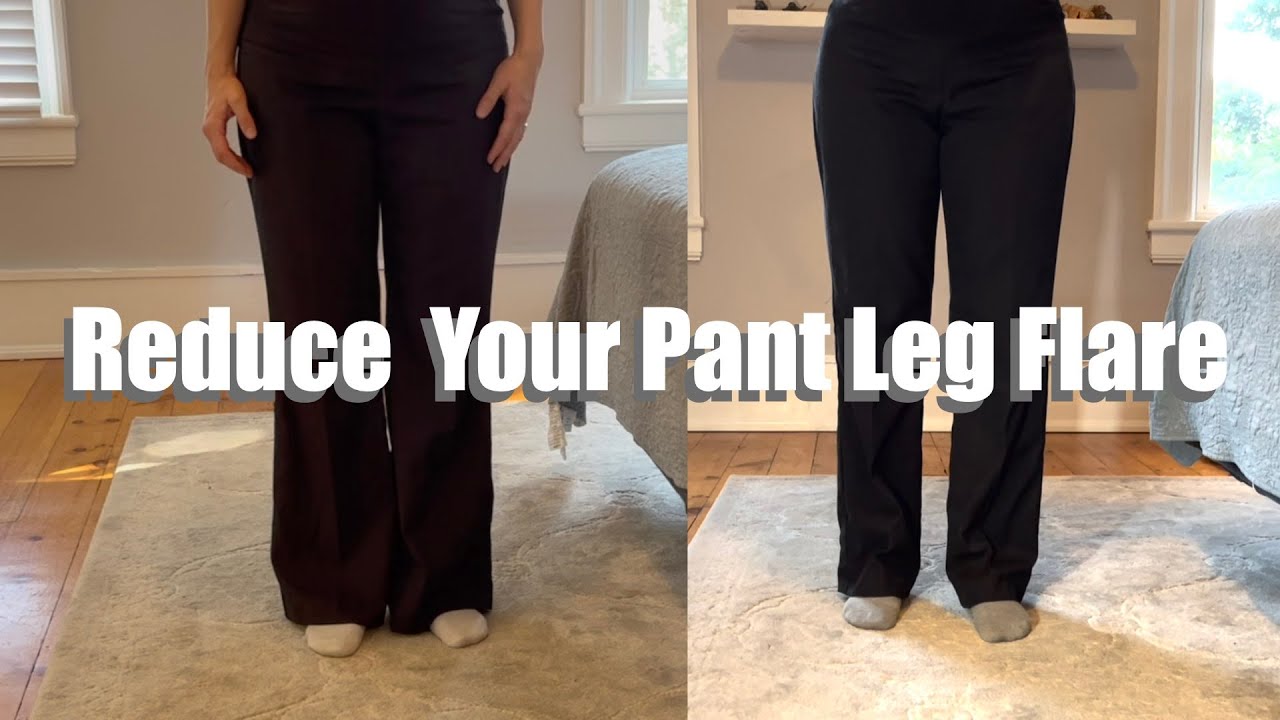
Credit: www.youtube.com
Budgeting For Flare Pants Fixes
How much does it cost to fix loose flare pants? Here’s a general guide:
| Fix Type | Estimated Cost (DIY) | Estimated Cost (Tailor) |
|---|---|---|
| No-sew (pins, tape, belt) | $0–$10 | N/A |
| Waistband alteration | $5–$15 (materials) | $15–$30 |
| Slimming legs | $0 (if you sew) | $20–$40 |
| Shortening hem | $0 (if you sew) | $10–$20 |
These prices depend on your location and the tailor’s experience. Simple adjustments are cheaper, while complex or lined pants cost more.
Non-obvious Insights: What Most People Miss
- Waistband “Gap” Fixes: Many people only tighten the back or sides. But sometimes, the front waistband gapes. Inserting a small piece of elastic only at the front, then sewing closed, can solve this without making the back too tight.
- Preserving the Flare Shape: Beginners often sew straight up the leg, making flares look like straight-leg pants. Always mark and pin carefully to follow the original curve if you want to keep the classic flare style.
- Combining Fixes: For tricky fits, you can combine two methods, like adding elastic to the waistband and sewing in darts on the sides for a truly customized fit.
Frequently Asked Questions
How Do I Fix The Waistband If I Don’t Want To Sew?
You can use clip-on waistband tighteners or thread a drawstring through the waistband if there is a channel. These solutions are fast and don’t require sewing.
Can I Shrink Flare Pants In The Dryer To Make Them Tighter?
You can try shrinking by washing in hot water and drying on high heat, but results vary by fabric. Some pants may shrink too much or unevenly, so use caution and check labels.
Is It Possible To Make Flare Pants Less Wide At The Bottom Without Losing The Flare Shape?
Yes, you can slim the flare by sewing new seams that follow the original curve, starting from the knee. Avoid making a straight line, which would remove the flare style.
Will Altering My Flare Pants Damage The Fabric?
If you use the right needle and stitch type for your fabric, and finish seams properly, alterations should not damage your pants. However, thin or old fabrics may be more at risk.
Should I Take My Flare Pants To A Tailor Or Fix Them Myself?
If the changes are simple and you have some sewing skills, you can fix them at home. For expensive, complex, or lined flare pants, a professional tailor will give the best results. For more details on fabric care and alterations, check WikiHow.
Getting the perfect fit from your flare pants is possible with the right approach. Whether you want a quick fix or a custom alteration, you now have the knowledge to make your favorite flares fit and flatter again. Enjoy your new confidence and style every time you wear them.
