

How to Fix Flared Leggings: Easy DIY Solutions for a Perfect Fit
How To Fix Flared Leggings
Leggings are a staple in many closets. They are comfortable, versatile, and easy to style. But sometimes, leggings don’t fit the way you want. One common problem is flared leggings — leggings that widen out at the bottom or sides when you want a slim, fitted look. This issue can make your outfit look baggy or unpolished. The good news is, you don’t have to throw them away or buy new ones. There are practical ways to fix flared leggings and get a better fit at home.
In this guide, you’ll learn how to identify why leggings flare, how to fix them with and without sewing, and how to prevent this problem in the future. You’ll also get tips for different fabric types, and learn what to do if you’re not confident with DIY fixes.
Whether you want a quick solution or a more permanent change, you’ll find answers here.
Understanding Why Leggings Flare
Before fixing flared leggings, it’s important to understand what causes the problem. Not every flare comes from the same issue, so the solution can be different.
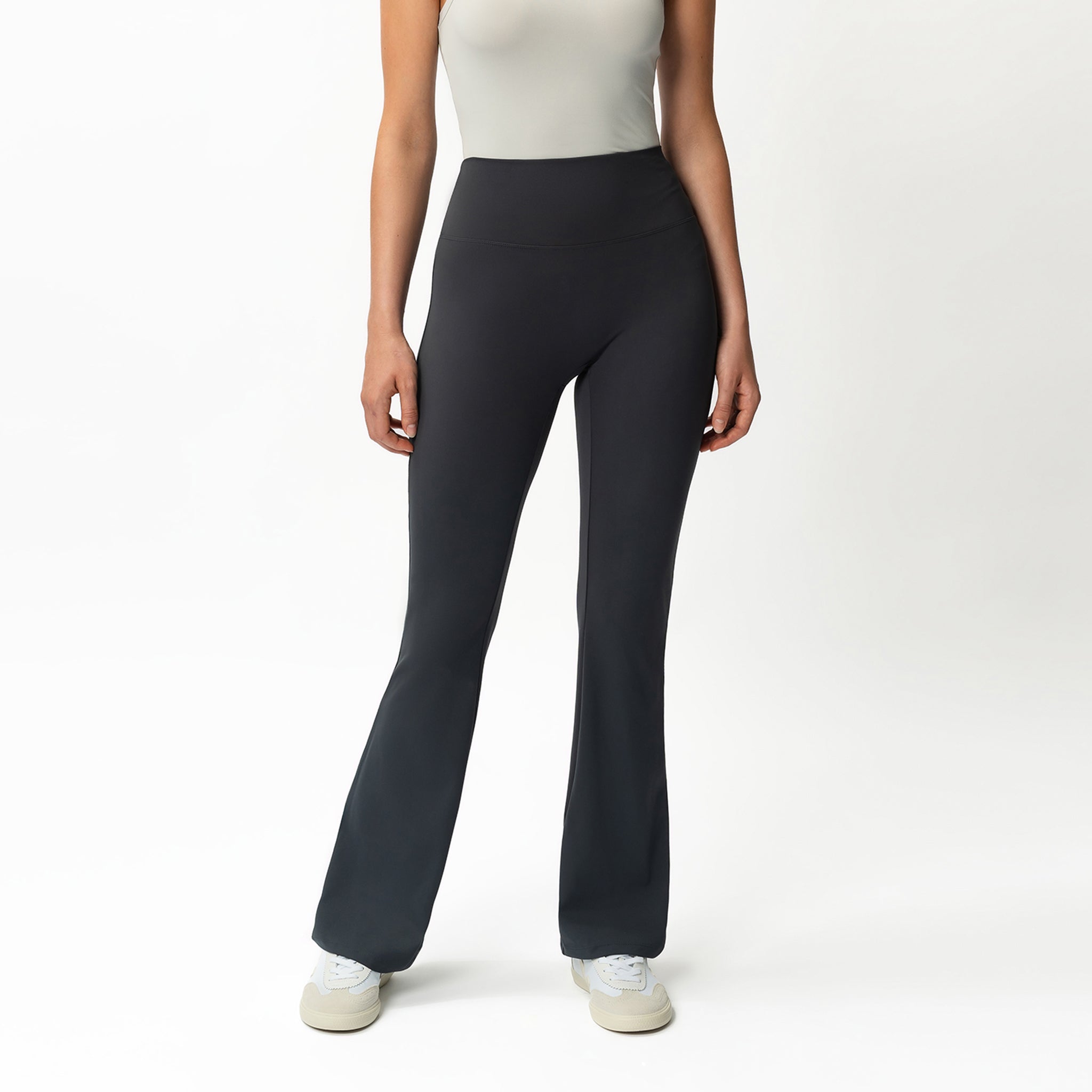
- Pattern Design: Some leggings are made to flare at the bottom. This is common in yoga pants or bootcut leggings. If the flare is part of the design, it’s not a defect, but it might not match your style.
- Worn Fabric: Stretchy fabric can lose its shape over time. After many washes or wears, the fibers may relax, making the legs wider.
- Wrong Size: Leggings that are too big for your legs will not sit tight, especially around the ankles and calves.
- Poor Quality Sewing: Sometimes, the seams are not sewn tightly. This can lead to gapping or flaring at the edges.
- Body Changes: Changes in your body, like losing weight, can make leggings looser and cause flaring.
Understanding the cause helps you choose the right way to fix the flare.
Quick Fixes Without Sewing
If you don’t want to sew or don’t have time, there are easy fixes you can try.
Using Fashion Tape
Fashion tape is double-sided tape made for clothes. You can use it to temporarily hold the leggings closer to your legs.
- Turn the leggings inside out.
- Place small strips of fashion tape along the inside seam where the flare is.
- Put the leggings on, adjust for comfort, and press the tape to hold the fabric in place.
This fix is best for short-term use, like a night out or a quick meeting. It’s not permanent, but it can save you in a hurry.
Wearing Tall Socks
Another trick is to wear tall socks over the bottom of your leggings. The socks hold the fabric tight to your legs, hiding the flare.
- Choose socks that match your outfit or boots that cover the socks.
- Pull the socks up over the flared part of your leggings.
- Tuck the extra fabric under the sock to smooth it out.
This works well in cold weather, or if you wear boots or high-top shoes.
Tying Elastic Bands
If the flare is only at the ankle, you can use a thin elastic band inside the hem.
- Turn the leggings inside out.
- Fold the hem up and place an elastic band inside.
- Fold the fabric back down and wear as normal.
This makes a snug fit at the ankle. Choose a soft band to avoid discomfort.
Diy Sewing Fixes
If you want a more permanent solution, sewing is the best way. You can adjust leggings at home with basic tools, even if you’re not an expert. Here’s how to fix flared leggings with sewing.
Tools You’ll Need
- Measuring tape
- Chalk or fabric marker
- Pins or clips
- Sewing machine (or needle and thread)
- Scissors
How To Taper The Legs
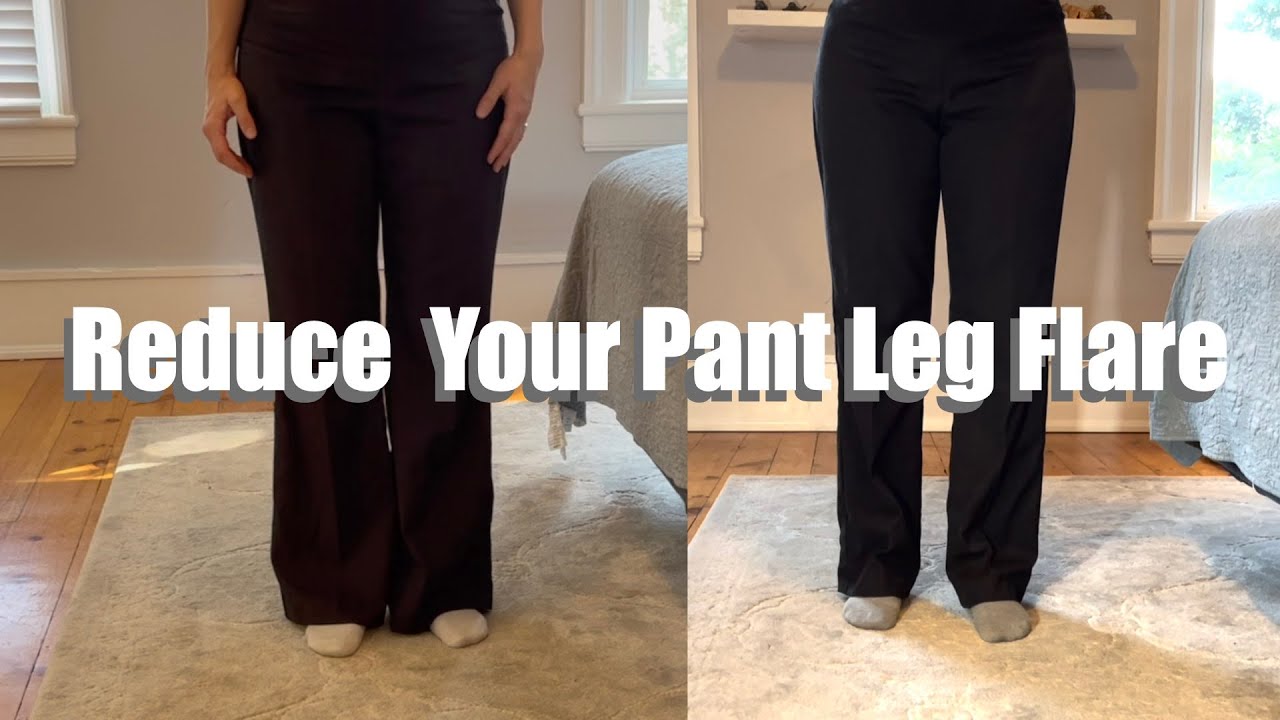
Tapering means making the leg narrower from the knee or calf down to the ankle.
Steps To Taper Leggings
- Try On and Mark
- Put the leggings on inside out.
- Pinch the fabric where it flares and use chalk to mark a new seam line. Start from the knee (or higher if needed) and draw down to the ankle for a smooth line.
- Pin the Fabric
- Take off the leggings and lay them flat.
- Use pins or clips along the chalk line to hold the fabric in place.
- Sew the New Seam
- Use a zigzag stitch (for stretch) along the marked line.
- Start sewing from the top mark and go down to the ankle.
- If you use a needle and thread, make small, tight stitches.
- Trim Excess Fabric
- Cut away the extra fabric outside your new seam, leaving about 1 cm for safety.
- Try On for Fit
- Turn the leggings right side out and try them on.
- If they fit well, finish the edge with another zigzag or overlock stitch to stop fraying.
This method gives a slim fit and looks professional.
Shortening Flared Leggings
Sometimes flared leggings are too long, causing extra fabric to bunch up and flare out.
How To Shorten And Adjust
- Put the leggings on and mark where you want them to end.
- Take them off and cut off the extra length, leaving 2 cm for a new hem.
- Fold the edge under and sew with a stretch stitch.
Now your leggings fit better and the flare is reduced.
Adding Elastic To The Hem
You can also add elastic to the bottom hem to pull the fabric in.
- Measure your ankle and cut elastic 1-2 cm shorter than the measurement.
- Fold the hem over the elastic and pin.
- Sew around, stretching the elastic a little as you sew.
- Finish and turn right side out.
The elastic keeps the leggings snug at the ankle.
Fixing Flared Leggings By Hand
If you don’t have a sewing machine, you can still fix flared leggings by hand. The process is similar, but you’ll use a needle and thread.
Steps For Hand Sewing
- Mark the new seam line with chalk.
- Pin the fabric along the line.
- Use a backstitch to sew along the line. Make stitches small and even.
- Trim the excess fabric.
- Finish the edge with a whipstitch to prevent fraying.
Hand sewing takes more time, but it gives you control over the fit.
Choosing The Right Stitch And Thread
Using the right stitch matters, especially for stretchy fabrics like leggings.
- Use polyester thread for stretch and durability.
- A zigzag stitch is best with a machine, as it stretches with the fabric.
- For hand sewing, use a backstitch or stretch stitch.
Never use a straight stitch on leggings. It can break when you pull the fabric on or off.
Adjusting Different Types Of Leggings
Leggings come in many fabrics and styles. The method you use depends on the material.
Cotton Or Cotton-blend Leggings
These are easy to sew and cut. Use regular sewing tools and a stretch stitch.
Nylon Or Polyester Leggings
These are more slippery and stretchy. Use a ballpoint needle and polyester thread for best results.
Compression Or Sports Leggings
These often have thick fabric and strong seams. You may need a heavy-duty needle and a strong elastic if adding it to the hem.
Faux Leather Or Shiny Leggings
Pinning and sewing can leave marks. Use clips instead of pins, and sew slowly with a stretch needle.
Credit: www.ninepine.com
When To Take Leggings To A Professional
If your leggings are expensive, made from delicate fabric, or you’re not confident with sewing, consider going to a tailor or alterations specialist. A professional can:
- Give a perfect fit
- Preserve the original look
- Use industrial machines for difficult fabrics
The cost is usually reasonable, especially if you want a high-quality finish.
Common Mistakes When Fixing Flared Leggings
Many people make small errors that can ruin their leggings. Here’s what to avoid:
- Cutting Too Much Fabric
- Always mark and pin before cutting. Try on after pinning to check the fit.
- Using the Wrong Thread or Stitch
- Non-stretch stitches or cotton thread can break.
- Sewing Uneven Seams
- Draw a clear line and sew slowly for a smooth finish.
- Skipping the Hem
- Always finish the edge to prevent fraying and holes.
- Not Testing on Scrap Fabric
- If you’re unsure, test your stitch on old fabric before working on your leggings.
Comparing Quick Fixes Vs. Permanent Solutions
Sometimes, you want a fast fix. Other times, you need a lasting solution. The table below compares common methods:
| Method | Time Needed | Skill Level | How Long It Lasts | Best For |
|---|---|---|---|---|
| Fashion Tape | 5 minutes | Beginner | One day | Temporary fixes |
| Tall Socks | 2 minutes | Beginner | One wear | Cold weather, boots |
| Elastic Band | 5 minutes | Beginner | One wear | Ankle flares |
| Sewing (Machine) | 30 minutes | Intermediate | Permanent | All flares |
| Sewing (Hand) | 45 minutes | Beginner | Permanent | All flares |
| Professional Tailor | 2-3 days | Expert | Permanent | Delicate/expensive leggings |
Choose the method that fits your needs and skills.
Preventing Leggings From Flaring In The Future
Fixing flared leggings is helpful, but prevention is better. Here’s how to keep your leggings in shape.
- Buy the Right Size: Always try leggings on before buying. If shopping online, check the size chart and reviews.
- Choose Quality Fabric: Higher-quality fabric keeps its shape longer. Look for leggings with a good amount of spandex or elastane.
- Wash Carefully: Use cold water and avoid high heat in the dryer. Heat can damage fibers and cause flaring.
- Store Properly: Fold leggings instead of hanging them. Hanging can stretch the legs.
- Avoid Overstretching: Pull leggings on gently. Forcing them over shoes or rough surfaces can stretch and flare the fabric.
- Rotate Leggings: Don’t wear the same pair every day. Rotating gives the fibers time to recover.
Comparing Legging Materials And Their Tendency To Flare
Different fabrics behave differently. Some are more likely to flare over time. Here’s a quick comparison:
| Material | Stretch Recovery | Durability | Tendency to Flare |
|---|---|---|---|
| Cotton | Low | Medium | High |
| Polyester/Spandex Blend | High | High | Low |
| Nylon/Spandex Blend | High | High | Low |
| Faux Leather | Medium | Medium | Medium |
| Modal/Rayon Blend | Low | Low | High |
Choose blends with spandex for best long-term results.
Troubleshooting: If Your Fix Didn’t Work
Sometimes, your first fix might not solve the problem. Here are steps to try if your leggings still flare.
- Check the Fit Again
- Try the leggings on after each change. Sometimes you need to sew a little more or less.
- Adjust the Seam
- If the new seam is too tight or too loose, remove the stitches and try again. Use a seam ripper for clean removal.
- Use a Different Method
- If sewing didn’t work, try adding elastic or using fashion tape for a better result.
- Ask for Help
- If you’re stuck, ask a friend who sews or visit a tailor.
Credit: www.youtube.com
Insights Beginners Often Miss
Many people think fixing flared leggings is only about sewing, but sometimes, simple habits make a big difference. For example, always washing leggings in cold water helps the elastic last longer. Also, pinning the fabric while wearing the leggings (inside out) gives a much better fit than pinning them flat on a table.
Another thing people miss: Not all fabrics are easy to sew. Some, like shiny or textured leggings, are best left to professionals. Recognizing your fabric type before you start saves time and avoids mistakes.
Styling Tips For Fixed Leggings
Once you’ve fixed your leggings, you want them to look great.
- Pair slim leggings with oversized tops or sweaters for contrast.
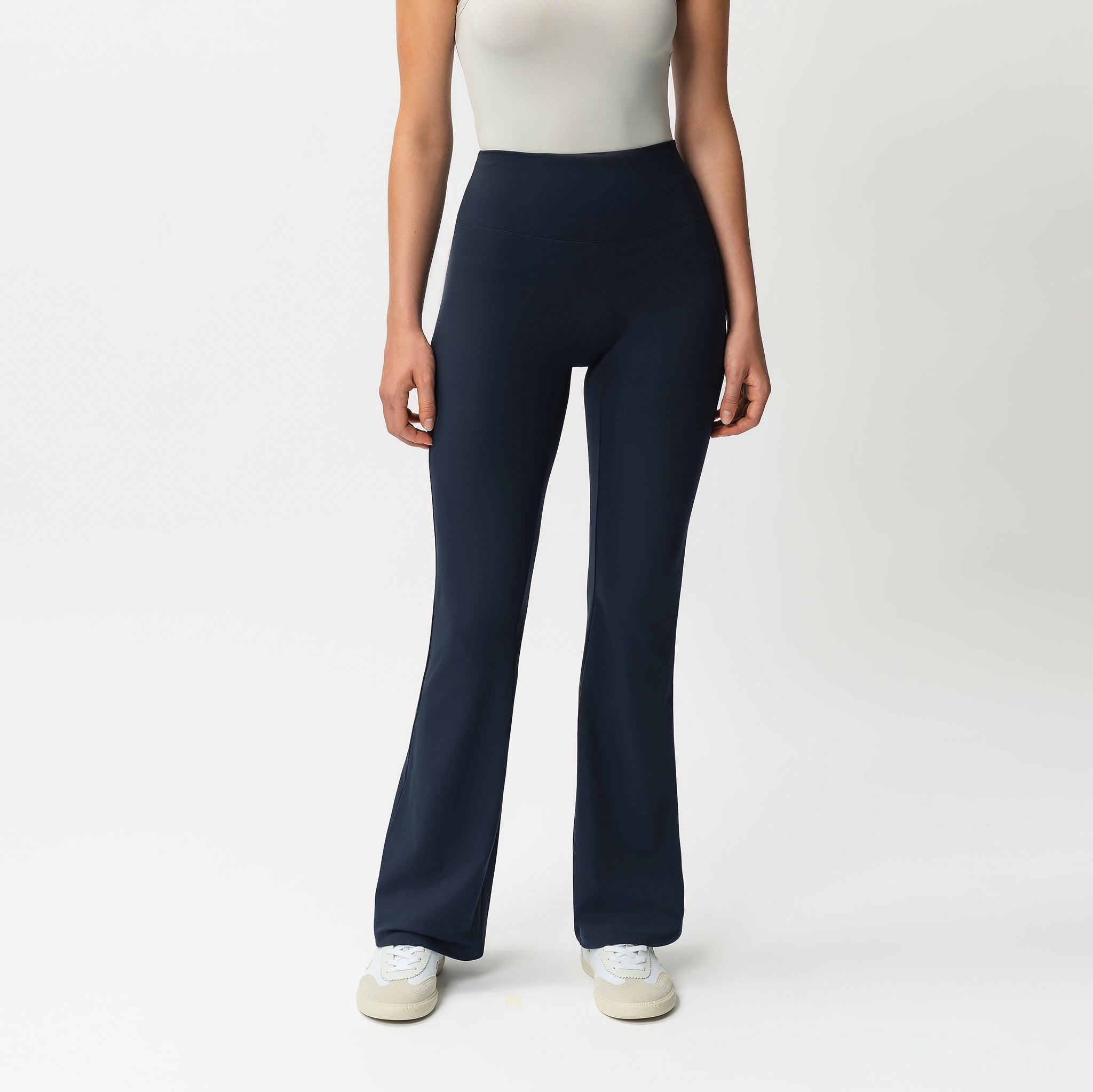
- Wear with ankle boots to show off the new, clean fit.
- Add a long coat or tunic for a balanced look.
- Try layering with socks or leg warmers for extra style.
A good fit makes any outfit look more polished.
Credit: www.nine-pine.com
Sustainable Choices: Upcycling Flared Leggings
If your leggings are too damaged to fix, consider upcycling. Cut old leggings into bike shorts, headbands, or even scrunchies. This reduces waste and gives your leggings new life.
Professional Help And Resources
If you decide to get professional help, look for a tailor with experience in stretch fabrics. Many dry cleaners also offer alteration services. For more sewing tips, you can check guides from the Craftsy website.
Cost Comparison: Diy Vs. Professional
Is fixing leggings at home worth it? Here’s a quick comparison:
| Option | Material Cost | Time Cost | Result |
|---|---|---|---|
| DIY Sewing | Low (thread, needle, pins) | 30-45 minutes | Good, if careful |
| Professional Tailor | Medium (service fee) | 2-3 days wait | Excellent |
| Buy New Leggings | High | Immediate (if in stock) | Perfect fit (if lucky) |
DIY is cheapest if you have time and basic skills.
Final Thoughts
Fixing flared leggings is easier than you might think. Whether you want a quick temporary solution or a more permanent fix, you have many options. With a little care and the right method, you can turn flared leggings into a favorite piece again.
Knowing how to prevent flaring in the future also saves money and keeps your wardrobe in top shape.
The best part? You don’t need to be an expert to get a great fit. Just follow the steps, use the right tools, and don’t be afraid to ask for help if you need it. Soon, your leggings will look and feel just the way you want.
Frequently Asked Questions
What Causes Leggings To Flare At The Bottom?
Leggings can flare due to design style (like bootcut), worn-out fabric, wrong size, or poor-quality sewing. Sometimes, body changes can also make leggings fit differently and cause flaring.
Can I Fix Flared Leggings Without Sewing?
Yes, you can use fashion tape, tall socks, or an elastic band as quick, no-sew solutions. These methods are temporary but easy to do at home.
What Stitch Should I Use For Sewing Leggings?
Use a zigzag stitch or a stretch stitch if you have a sewing machine. For hand sewing, a backstitch gives strength and stretch. Avoid straight stitches, as they can break when you pull on the leggings.
Is It Better To Take Leggings To A Tailor?
If your leggings are expensive, made from delicate fabric, or you want a perfect finish, a tailor is a good choice. They have experience with stretch fabrics and can give a professional result.
How Can I Prevent My Leggings From Flaring Again?
Buy the right size, choose high-quality fabrics with spandex, wash in cold water, avoid high heat, fold for storage, and rotate your leggings. These habits help your leggings keep their shape and fit.
With these answers and solutions, you can enjoy leggings that fit and look great every time you wear them.
