

How to Fix Flare Pants: Easy DIY Solutions for a Perfect Fit
How To Fix Flare Pants
Flare pants have a unique charm. Their wide bottoms give movement and style, but they can also bring challenges. Maybe your flares are too long, too wide, or just not fitting right. Sometimes you find a beautiful pair in a thrift store, but they are a bit outdated or damaged.
Instead of giving up, you can fix your flare pants and make them look modern and fresh. This guide will show you practical ways to repair, adjust, and style your flare pants so you can wear them with confidence.
You do not need to be a professional tailor to fix most flare pant problems. With simple tools and clear steps, you can do many repairs at home. You will learn how to hem, slim, patch, and refresh your pants.
Plus, you will discover insider tips that many beginners miss, like choosing the right thread color or handling stretch fabrics. Whether your flares are denim, cotton, or synthetic, this guide will help you transform them into your perfect pair.
Understanding Flare Pants And Common Issues
Flare pants have a fitted upper leg and a wider opening from the knee down. This style can make legs look longer and create a vintage or trendy look, depending on how you wear them. However, their unique shape also means they can be tricky to fit and maintain.
Common problems with flare pants include:
- Length is too long or short
- Waist is too loose or tight
- Flare is too wide or narrow
- Holes, tears, or worn fabric at the hem
- Outdated style or details
Knowing the exact problem helps you choose the best way to fix your pants. For example, a hem that drags on the floor needs a different solution than a flare that looks too dramatic.
Tools And Materials You Will Need
Before starting, gather the right tools. Using the correct items makes repairs easier and gives a better finish. Here’s a list of essentials:
- Sewing machine (optional but speeds up many tasks)
- Hand sewing needles (for small fixes)
- Thread (choose a color that matches your pants)
- Pins or fabric clips
- Sharp scissors or fabric shears
- Seam ripper (for undoing stitches)
- Iron and ironing board
- Measuring tape
- Chalk or washable fabric marker
- Fusible tape (for no-sew hem solutions)
- Fabric glue (for quick repairs)
- Patches (for covering holes)
- Extra fabric (if you need to add length)
Having everything ready saves time and helps you avoid mistakes.
How To Shorten Flare Pants (hemming)
Many flare pants are made long to fit different heights. But if your pants are too long, they can drag and get damaged. Shortening, or hemming, is a common fix.
Step-by-step Hemming Instructions
- Try on the pants with shoes
- Wear the shoes you’ll use most with these pants.
- Mark the desired length with chalk or a pin.
- Measure and mark evenly
- Lay pants flat.
- Use a measuring tape to mark the same length all around.
- Cut off the excess fabric
- Leave about 1.5 to 2 cm (half an inch) below your mark for the new hem.
- Fold and pin the new hem
- Fold the fabric inside, matching the length mark.
- Pin or clip in place.
- Iron the fold
- Pressing the fold creates a sharp edge and makes sewing easier.
- Sew the hem
- Use a sewing machine or hand sew with a strong thread.
- For stretchy pants, use a zigzag or stretch stitch.
- Press the new hem
- Iron again for a crisp finish.
No-sew Hem Options
If you do not want to sew, you can use fusible tape. Place the tape inside the folded hem and press with a hot iron. This creates a strong bond, but it may not last as long as sewing.
Common Hemming Mistakes
- Cutting too much: Always measure twice and cut once.
- Uneven length: Check both legs carefully before sewing.
- Using the wrong thread color: Pick a color that blends in for a professional look.
Slimming The Flare Or Adjusting The Shape
Sometimes, flare pants are too wide at the bottom or do not match your style. You can make the flare slimmer or even change them into a bootcut shape.
How To Slim Flare Pants
- Wear and pin
- Put on the pants inside out.
- Pin along the sides where you want less width, starting from the knee down.
- Mark the new line
- Take off the pants and lay them flat.
- Use chalk to draw a smooth line along the pins.
- Sew along the new line
- Use a sewing machine for strong stitches.
- Start a few centimeters above the knee for a natural look.
- Trim excess fabric
- Cut off the extra fabric, leaving a small edge.
- Use a zigzag stitch to prevent fraying.
- Iron the seams
- Pressing helps the new shape stay in place.
Changing Flare To Bootcut
If you want a slight flare, repeat the steps but keep more width at the bottom. Always adjust both legs evenly.
Tips For A Smooth Finish
- Make small changes first; you can always make them slimmer later.
- Match the seam thread to the original color.
- Try the pants on after sewing one leg before finishing the second.
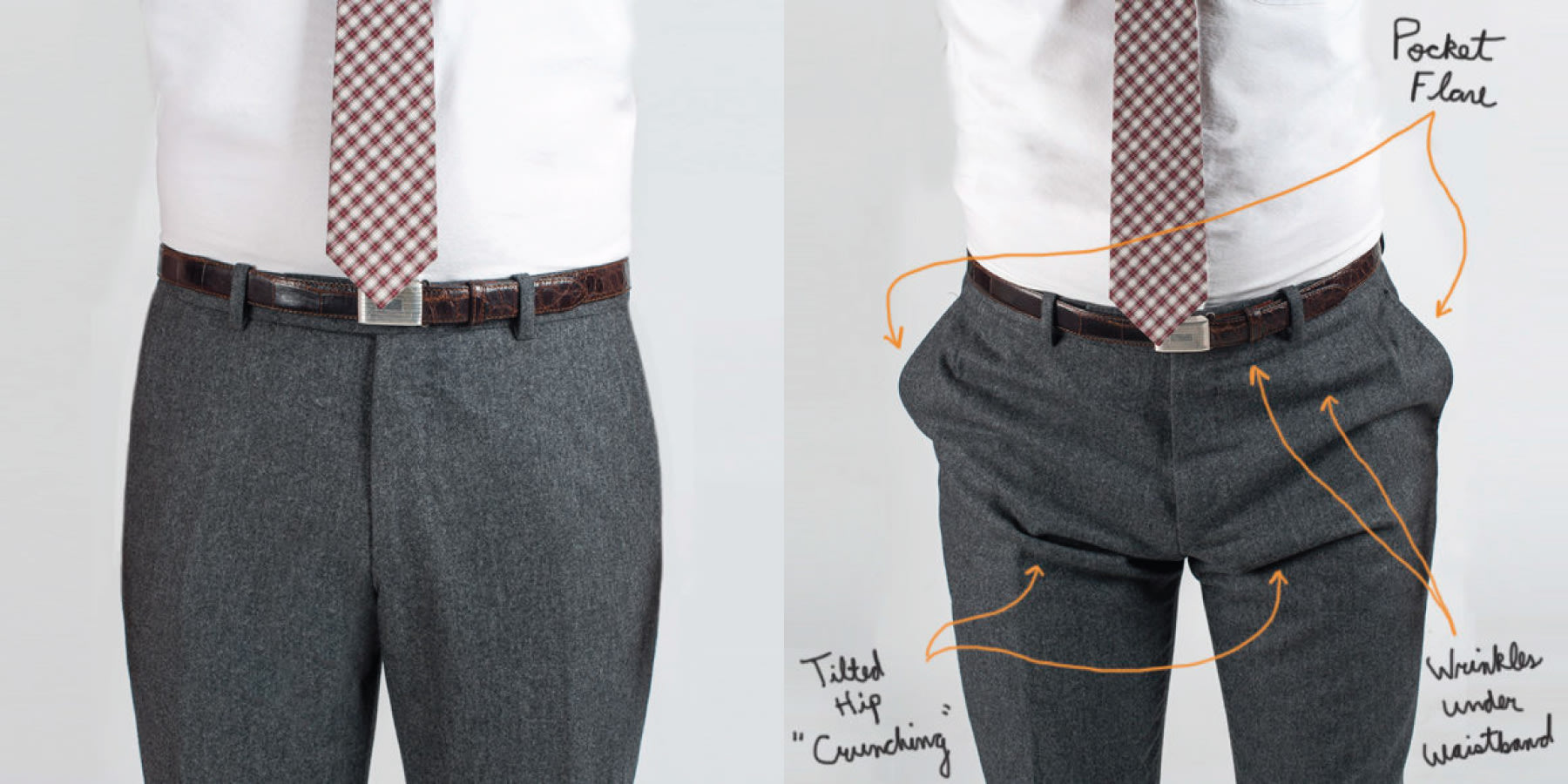
Credit: articlesofstyle.com
Taking In Or Letting Out The Waist
A perfect fit at the waist makes flare pants comfortable and flattering. If the waist is too loose or tight, you can adjust it with a few sewing tricks.
Taking In The Waist
- Pinch the excess
- Put on the pants and pinch the extra fabric at the back or sides.
- Pin in place.
- Mark and remove
- Take off the pants and mark the pinned area.
- Remove the waistband stitching with a seam ripper if needed.
- Sew new side or back seams
- Sew along your marks, tapering smoothly back into the leg.
- Reattach waistband
- Trim excess and sew the waistband back.
Letting Out The Waist
If your pants have extra seam allowance inside, you can let out the waist:
- Check inside seams
- Open the waistband slightly to see if there is extra fabric.
- Unpick old stitches
- Use a seam ripper to open the side or back seam.
- Sew with a smaller seam allowance
- This gives more room at the waist.
- Close the waistband
- Sew the waistband back neatly.
Common Beginner Mistakes
- Not checking for extra fabric before letting out.
- Creating bumps by not tapering seams smoothly.
- Forgetting to match the new seam to the original stitching style.
Repairing Holes, Rips, And Worn Hems
Flare pants often get holes or worn spots, especially near the hem. Fixing these problems extends the life of your favorite pants.
Patching Holes
- Choose patch material
- Use similar fabric for the patch.
- Denim patches work well for jeans.
- Cut a patch
- Make it at least 1 cm larger than the hole on all sides.
- Place and secure the patch
- For inside patches, put the patch under the hole.
- Pin or use fabric glue to hold it in place.
- Sew the patch
- Use a zigzag stitch around the hole for strength.
- For visible patches, use contrasting thread for a fun look.
Fixing Worn Hems
- Trim frayed edges and use a zigzag stitch to stop more fraying.
- Add a bias tape or ribbon inside the hem for extra strength.
- For deep wear, cut off and re-hem as described in the hemming section.
Using Fabric Glue
For small rips, fabric glue can hold fabric together temporarily. This works best for small repairs and non-stretchy fabric.
Insider Tips
- Place patches inside for a cleaner look.
- For stretch flare pants, use stretch fabric for the patch.
Credit: articlesofstyle.com
Modernizing Outdated Flare Pants
Sometimes flare pants look old-fashioned because of their color, fit, or details. You can update the style with simple changes.
Dyeing To Refresh Color
If your pants are faded, dyeing can give them a new life. Use fabric dye according to package instructions. Choose a deep blue for jeans, or try a bold color for a trendy look.
Changing The Flare Style
Slimming the flare or making it a bootcut (as described earlier) gives a more modern shape.
Adding Decorative Details
- Sew on embroidery or iron-on patches for a creative touch.
- Replace old buttons with new ones.
- Add trim or ribbon along the side seams.
Removing Dated Details
- Carefully unpick large decorative stitching, old patches, or extra pockets.
- Replace thick or shiny thread with something subtle.
Expert Advice
- For a clean look, always press (iron) after making changes.
- If you are unsure, start with small updates before making big changes.
Lengthening Flare Pants (when Too Short)
If your flare pants are too short, you can add length in creative ways.
Using A False Hem
- Find matching fabric
- Cut strips from similar or contrasting fabric.
- Sew fabric to the bottom
- Attach the strip inside the pant leg for a hidden look.
- Topstitch for extra strength.
- Iron the new hem
- Press well to blend the new fabric with the old.
Adding A Cuff
A cuff gives extra length and a stylish finish. Fold up a wide band of fabric, sew in place, and iron.
Using Decorative Additions
- Add lace, ribbon, or fringe at the hem for a unique look.
- Use a different color for a statement style.
Pro Tips
- Pre-wash new fabric to avoid shrinking later.
- Make sure both legs are exactly the same length.
Fixing Flare Pants Without Sewing
Not everyone has a sewing machine, or you may want a quick fix. There are several no-sew solutions.
Iron-on Tape Or Fusible Web
These products melt with heat and stick fabric together. Use them for hemming or attaching patches. Always follow the instructions on the package for best results.
Fabric Glue
Strong fabric glue can repair small holes or attach decorative details. Let it dry fully before wearing.
Safety Pins Or Fashion Tape
For a quick fix, tuck and pin or use double-sided fashion tape inside the hem. This is best for temporary solutions.
When No-sew Fixes Work Best
- For busy days or travel emergencies.
- For changes you may want to undo later.
Caution
- No-sew solutions may not last as long as stitching.
- Always test tape or glue on a hidden area first.
Professional Tailoring Vs. Diy
Sometimes, it makes sense to use a professional tailor, especially for expensive or delicate pants.
When To Use A Tailor
- Complex alterations (like moving zippers or reshaping the whole pant)
- When you want a perfect fit for a special event
- If the fabric is delicate or has special care instructions
When Diy Is Best
- Simple fixes like hemming or patching
- Personalizing with patches or embroidery
- Practicing sewing skills on less expensive pants
Cost Comparison
Here’s a look at typical costs for fixing flare pants yourself versus using a tailor:
| Repair Type | DIY Cost | Tailor Cost |
|---|---|---|
| Basic Hem | Low (thread, time) | Medium (service fee) |
| Slimming Flare | Low to Medium | High |
| Waist Adjustment | Low (if you have tools) | Medium to High |
| Patching | Low | Medium |
Doing repairs at home saves money, but tailors can handle tricky jobs and guarantee a neat finish.
Caring For Flare Pants After Fixing
After you fix your flare pants, good care keeps them looking great.
Washing
- Turn pants inside out before washing to protect seams and details.
- Use cold water to avoid shrinking, especially for denim or cotton.
- Avoid bleach, which can weaken fabric.
Drying
- Air dry or use a low heat setting. High heat can damage repairs.
- Lay flat or hang by the waistband to keep the flare shape.
Ironing
- Iron seams and hems for a crisp look.
- Use a pressing cloth for delicate fabrics.
Regular Maintenance
- Check for loose threads or small holes and fix them quickly.
- Avoid letting hems drag on the ground.
Storage
- Hang flare pants to keep the shape.
- If folding, avoid sharp creases at the flare.
Real-life Examples And Case Studies
Learning from others helps you avoid common mistakes. Here are some real examples:
Example 1: Saving Thrifted Flare Jeans
Maria found vintage flare jeans that were too long and had a small rip near the hem. She trimmed the hem, added a denim patch inside, and used matching thread. The patch was invisible, and the new length fit perfectly with her favorite sneakers.
Key insight: Choosing thread that matches the original color makes repairs blend in.
Example 2: Updating Outdated Flares
James had old flare pants with a wide leg he didn’t like. He pinned and sewed a new line from the knee down, making a more subtle bootcut. A simple hem and pressing finished the look.
Key insight: It’s easier to make pants slimmer than to add width. Always start with a small change.
Example 3: Quick Fix With No Sewing
Sana needed to fix her pants for a party but had no time to sew. She used fusible tape to hem her pants and added a decorative ribbon at the bottom. The tape held all night, and she got compliments on the unique detail.
Key insight: No-sew options work well for temporary or decorative fixes.
Comparison Of Common Flare Pant Problems And Solutions
To help you choose the best fix, here’s a quick reference:
| Problem | Best Solution | Time Needed | Skill Level |
|---|---|---|---|
| Too long | Sew or no-sew hem | 30 min | Beginner |
| Too short | Add fabric or cuff | 1 hour | Intermediate |
| Flare too wide | Slim the leg | 1 hour | Intermediate |
| Loose waist | Take in seam | 45 min | Intermediate |
| Holes or rips | Patch or glue | 30 min | Beginner |
| Worn hem | Trim and re-hem | 30 min | Beginner |
| Outdated style | Modernize details | Varies | Beginner to Advanced |
This makes it easy to match your problem with the right fix.
Practical Tips For Success
- Work slowly and carefully; small mistakes are easier to fix.
- Always try on your pants after pinning but before sewing.
- Use good lighting and a clean workspace.
- Save extra fabric in case you need it for future repairs.
- If you are new to sewing, practice on scrap fabric first.
- Watch online tutorials for visual guidance. The Craftsy website has many free and paid sewing courses.
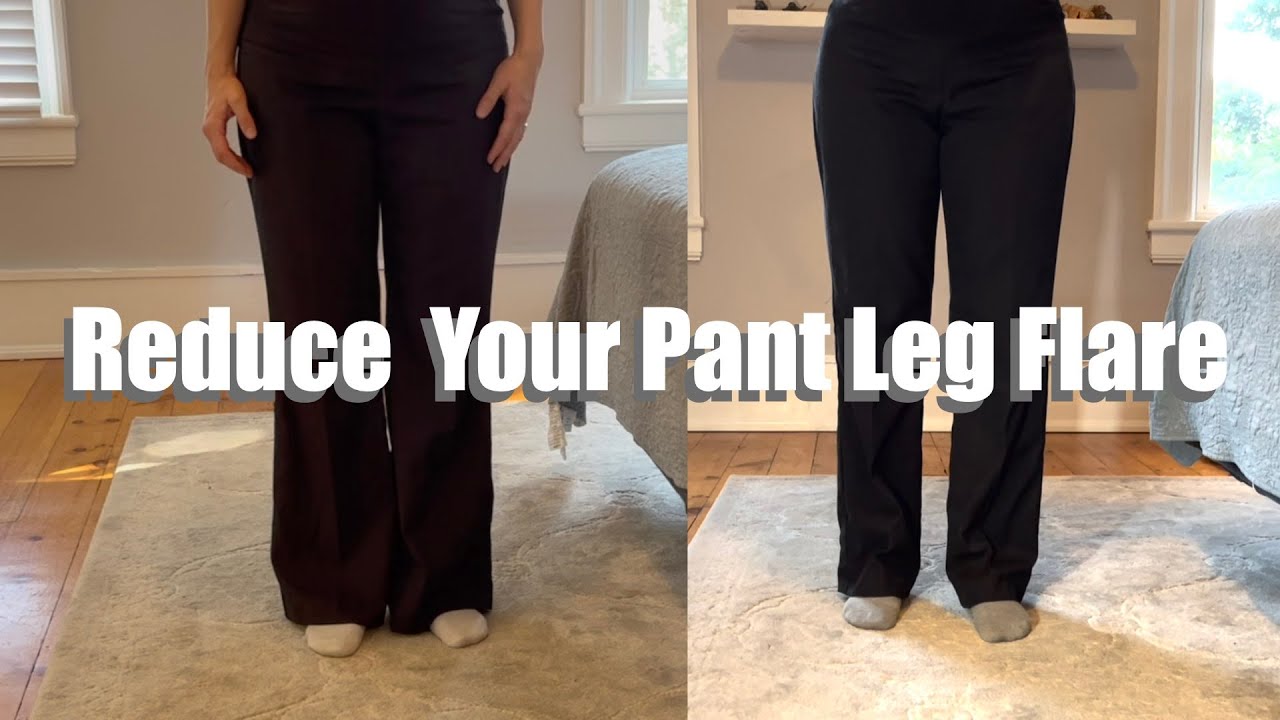
Credit: www.youtube.com
Non-obvious Insights For Flare Pant Fixing
- Thread tension matters: On a sewing machine, adjust the tension to match your fabric. Too tight, and seams will pucker; too loose, and they may fall apart.
- Blending new and old fabric: When adding length or patches, fade or distress the new fabric slightly to match worn pants for a seamless look.
- Grain direction: Always sew along the same direction as the original fabric grain to keep the pant’s drape and movement natural.
Frequently Asked Questions
How Do I Know How Much To Cut Off When Hemming Flare Pants?
Try on the pants with your most common shoes. Mark the spot where the hem should fall, then add 1. 5 to 2 cm for the fold before cutting. Always measure both legs and double-check before you cut.
Can I Fix Flare Pants Without A Sewing Machine?
Yes. You can use fusible tape, fabric glue, or even hand sewing for many repairs. Iron-on products work well for simple hems or patches, but machine sewing is stronger and lasts longer.
What’s The Best Way To Patch A Hole In Flare Pants?
Use a patch from a similar fabric, slightly larger than the hole. Place it inside the pant, pin or glue in place, then sew around the edges with a zigzag stitch. For stretchy pants, use a stretch fabric patch.
Is It Possible To Make Flare Pants Slimmer At Home?
Yes. Turn the pants inside out, pin and mark a new line from the knee down, and sew along the line. Trim the excess and finish the edges to prevent fraying. Always sew both legs evenly for balance.
How Do I Keep My Fixed Flare Pants Looking New?
Wash them inside out, air dry, and iron seams. Fix small problems quickly, like loose threads or small holes, before they get worse. Store pants properly to keep their shape.
Flare pants can be fun and stylish when they fit well and look fresh. With these practical fixes and tips, you can rescue almost any pair and make them your favorite again. Whether you want to repair, adjust, or restyle, a little effort goes a long way in keeping your wardrobe modern and personal.
