

How to Dress Business Casual Women: Chic Outfits for Work
How To Dress Business Casual Women
Finding the right balance between professional and comfortable can be difficult when choosing a business casual outfit. Many women want to look polished but not too formal, stylish but not too relaxed. The business world expects a certain level of formality, but the rules are not always clear. This guide will help you understand what business casual means for women, how to build a versatile wardrobe, and how to dress confidently for work without sacrificing your personality.
You will learn the key elements of business casual, what to avoid, and how to choose the best outfits for different office cultures. Whether you are starting a new job, returning to the office, or simply want to upgrade your work wardrobe, these practical tips will help you look professional and feel comfortable every day.
What Does Business Casual Mean For Women?
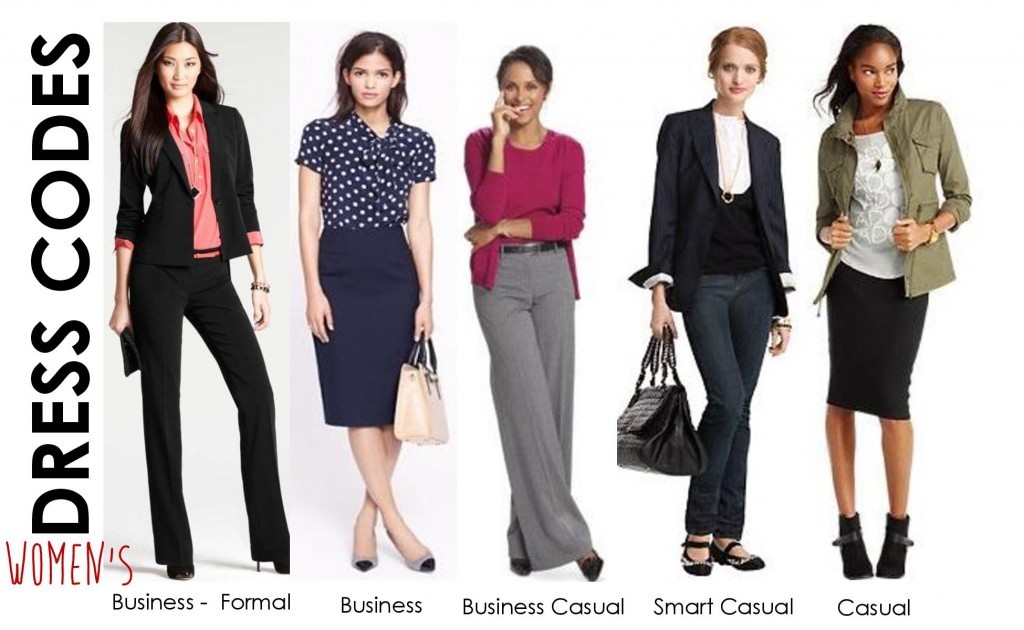
Business casual is a common dress code in many offices, but it can be confusing. It sits between formal business wear (like suits) and casual clothes (like jeans and t-shirts). The goal is to look neat, professional, and approachable.
Business casual usually means:
- No jeans, shorts, or flip-flops
- No formal suits required
- Clean, well-fitted clothes
- Simple colors and patterns
- Comfortable shoes that are not too casual
The definition of business casual can change from one company to another. Some offices are more relaxed, allowing dark jeans or sneakers, while others expect dress pants and closed-toe shoes. Always check your company’s dress policy if you are not sure.
Key Business Casual Clothing Pieces
A successful business casual wardrobe is built from a few essential items. These pieces mix and match well, so you can create many outfits without owning too many clothes.
Tops
Blouses, button-down shirts, knit tops, and sweaters are all good choices. Avoid shirts with loud slogans or graphics. Neutral colors like white, navy, gray, and pastels are safe, but you can add a pop of color with accessories or a single statement piece.
Bottoms
Dress pants, chinos, tailored trousers, and knee-length skirts are standard. Dark colors look more professional and are easier to match. Skirts should be close to the knee or just below—short skirts are not usually considered business casual.
Dresses
A simple sheath dress or wrap dress is a quick way to look put-together. Make sure the length and neckline are office-appropriate. Avoid cocktail or party dresses.
Layers
Adding a blazer, cardigan, or light jacket helps you look polished and can keep you warm in air-conditioned offices. Choose fitted styles for a sharp look.
Shoes
Flats, loafers, pumps, and ankle boots work well. Stick with closed-toe shoes unless your office allows open-toe styles. Avoid sneakers, flip-flops, and very high heels.
Accessories
Simple jewelry, scarves, and belts can add interest to your outfit. Choose a structured handbag or tote. Avoid oversized or flashy pieces.
Building A Versatile Business Casual Wardrobe
You do not need to spend a lot or own dozens of outfits. Focus on buying quality basics that you can mix in different ways. Here is a sample wardrobe with a few key pieces:
| Category | Essential Items | Comments |
|---|---|---|
| Tops | 3 blouses, 2 button-down shirts, 2 sweaters | Choose light and dark colors for variety |
| Bottoms | 2 dress pants, 1 tailored skirt, 1 pair of chinos | Black, navy, or gray are most versatile |
| Dresses | 1 sheath dress, 1 wrap dress | Solid colors or subtle prints |
| Layers | 1 blazer, 1 cardigan | Neutral shades work with most outfits |
| Shoes | 1 pair flats, 1 pair low heels, 1 pair loafers | Comfort is key; black or nude are classic |
| Accessories | 2 belts, 2 scarves, simple jewelry | Rotate for fresh looks |
This selection gives you many combinations without needing a large closet. You can add more colors and patterns once you know what works best in your office.
How To Mix And Match Outfits
A smart business casual wardrobe is flexible. You can create different looks by mixing your tops, bottoms, and layers. Here are a few ideas:
- Pair a white blouse with navy dress pants and a gray cardigan.
- Wear a light sweater with a black skirt and flats.
- Combine a button-down shirt with chinos and a blazer.
- Style a sheath dress with a belt and loafers.
- Match a wrap dress with a simple necklace and pumps.
Try to change one or two items in each outfit to keep your look fresh. Accessories like scarves or different shoes can make a big difference.
Business Casual Do’s And Don’ts
Understanding what to wear is important, but knowing what to avoid is just as key. Here are some simple rules:
Do:
- Choose clothes that fit you well (not too tight or too loose)
- Make sure your clothes are clean and wrinkle-free
- Keep makeup and perfume subtle
- Use simple accessories to add personality
Don’t:
- Wear gym clothes, leggings, or ripped jeans
- Choose tops with low necklines or short skirts
- Wear flip-flops or old sneakers
- Overdo it with bright colors or big prints
These guidelines help you look professional and show respect for your workplace.
Understanding Different Office Cultures
Not every office has the same idea of business casual. Some are more relaxed, while others are closer to formal business dress. It’s important to pay attention to your company’s culture.
Traditional Offices
Places like law firms, banks, or big corporations are often more conservative. Stick to dress pants, blouses, blazers, and closed-toe shoes. Skirts and dresses should be knee-length or longer, and colors are usually neutral.
Creative Workplaces
Design studios, tech companies, or advertising agencies may allow more freedom. You can try brighter colors, interesting patterns, or even dark denim (if allowed). Stylish flats or ankle boots are often fine.
Casual Fridays
Many offices relax the dress code on Fridays. You might be able to wear dark jeans, casual blouses, or simple sneakers. Still, avoid anything too casual like shorts or sportswear.
If you’re new, observe what others wear. When in doubt, dress a little more formally until you know what’s acceptable.

Credit: www.youtube.com
Business Casual Outfits For Different Seasons
Your business casual wardrobe should change with the weather. Here’s how to adjust for each season:
Spring
- Light blouses, thin cardigans, and cropped pants work well.
- Soft colors like blush, light blue, or beige are good choices.
- Bring a scarf or light jacket for cool mornings.
Summer
- Choose breathable fabrics like cotton or linen.
- Dresses and skirts are comfortable, but keep them office-appropriate.
- Avoid sleeveless tops unless your office allows them; bring a blazer or sweater.
Fall
- Layer with sweaters, blazers, and scarves.
- Try richer colors like burgundy, olive, or mustard.
- Ankle boots and thicker pants are popular as the weather cools.
Winter
- Wool pants, thick sweaters, and lined blazers keep you warm.
- Add tights under skirts or dresses.
- Wear closed-toe shoes or boots; keep a pair of indoor shoes at your desk if needed.
Adjust your accessories and layers to fit the season while staying professional.
Choosing The Right Fabrics
Not all materials work well for business casual. Some fabrics look more polished and last longer.
- Cotton: Soft, breathable, and easy to care for. Good for shirts, blouses, and pants.
- Wool: Warm and elegant. Works for pants, blazers, and winter dresses.
- Polyester blends: Wrinkle-resistant and durable. Often found in skirts and dresses.
- Linen: Great for summer, but wrinkles easily. Choose linen blends for a neater look.
- Jersey knit: Comfortable and flexible, ideal for tops and dresses.
Avoid shiny fabrics, heavy denim, or anything see-through. Natural fibers are usually more comfortable, but blends can be easier to manage.
Credit: gardner-webb.edu
How To Choose Colors And Patterns
Business casual does not mean boring! You can use color and patterns to show your style without breaking office rules.
Best Colors
- Navy, black, gray, and beige are easy to combine.
- Pastels and earth tones add softness.
- Bold colors like red or emerald can be used for one item, like a blouse or accessory.
Patterns
- Stripes, small checks, and polka dots are safe choices.
- Florals or geometric prints work if they are not too bright or busy.
Always balance patterns with solids. For example, if you wear a patterned blouse, keep your pants or skirt simple.
Shoes For Business Casual Women
Choosing the right shoes is important for comfort and style. Here’s a quick comparison:
| Shoe Type | Best For | What to Avoid |
|---|---|---|
| Flats | All-day comfort, most offices | Too-casual slip-ons |
| Low Heels (1-2 inches) | Dressier look, formal offices | Very high or spiky heels |
| Loafers | Classic style, easy to walk in | Chunky or sporty styles |
| Ankle Boots | Cool weather, creative offices | Heavy boots, open-toe styles |
| Ballet Flats | Summer, feminine look | Worn-out, unstructured flats |
It’s best to keep your shoes clean and polished. Avoid anything that looks too casual or worn out.
How To Accessorize Business Casual Outfits
Accessories can make your outfit stand out without breaking dress code rules. Here are some tips:
- Earrings: Simple studs or small hoops are ideal.
- Necklaces: Delicate chains or a single pendant look elegant.
- Scarves: Add color and texture. Choose silk or cotton for a smart look.
- Belts: Help define your waist and add structure.
- Bags: A medium-sized tote or shoulder bag carries your essentials.
Don’t overdo it—choose one or two accessories per outfit. Avoid anything too flashy, noisy, or distracting.
Personalizing Your Style
Even in a business casual setting, you can show your personality. Try these ideas:
- Pick a signature color for accessories, like a red belt or blue scarf.
- Choose interesting textures, like a leather bag or silk scarf.
- Wear a unique pin or brooch on your blazer.
Just keep your look polished and avoid anything that might look unprofessional.
Common Mistakes To Avoid
Some mistakes can make your outfit look less professional. Here are common errors and how to avoid them:
- Wearing wrinkled clothes: Iron or steam your clothes before work.
- Choosing see-through fabrics: Always check in good light.
- Clothes that are too tight or loose: Tailor your clothes for the best fit.
- Ignoring company rules: Always follow your office’s dress code.
- Over-accessorizing: Less is more.
- Wearing old or damaged shoes: Replace them when worn out.
- Forgetting about hygiene: Clean hair, neat nails, and fresh breath are just as important as your outfit.
Paying attention to these details helps you look more confident and capable.
How To Shop For Business Casual Clothes
Shopping can be overwhelming, but a plan makes it easier. Here’s how to choose the right pieces:
- Check your closet first. List what you have and what you need.
- Set a budget. Quality basics are worth the investment.
- Try clothes on. Comfort and fit matter more than labels.
- Start with basics. Buy classic pieces before trendy ones.
- Look for versatility. Each item should match several others in your wardrobe.
- Shop during sales. You can find good deals on high-quality pieces.
If you are unsure, ask a sales assistant or friend for help. Buying fewer, better pieces will save you money in the long run.

Credit: wonder-wardrobe.com
Packing A Business Casual Capsule Wardrobe For Travel
Business trips require smart packing. A capsule wardrobe is a small collection of clothes that mix and match easily. Here’s a sample packing list for a 5-day trip:
- 2 pairs of pants (one dark, one light)
- 1 skirt or dress
- 3 tops (different colors)
- 1 blazer or cardigan
- 1 pair of flats, 1 pair of low heels
- 2 scarves or simple necklaces
Choose items that do not wrinkle easily and that you can layer for changing weather. Keep shoes comfortable, as you may be on your feet all day.
Business Casual For Plus Size Women
Looking professional and feeling comfortable is possible at any size. Here are some tips:
- Choose tailored pieces that fit your shape.
- Use darker colors for pants and skirts for a slimming effect.
- Pick V-neck tops and wrap dresses to flatter your figure.
- Avoid clothes that are too tight or too baggy.
- Layer with structured blazers or long cardigans.
Many brands now offer stylish business casual options in a wide range of sizes. Don’t be afraid to try different styles until you find what works for you.
Sustainable And Ethical Choices
Many women want to dress well without harming the planet. Here’s how to be more eco-friendly:
- Buy fewer, higher-quality pieces that last longer.
- Choose natural fabrics like cotton, wool, or bamboo.
- Shop from brands that use ethical production methods.
- Donate or recycle clothes you no longer wear.
Sustainable fashion is not just a trend—it’s a smart way to build a wardrobe that works for you and the environment.
Dressing Business Casual On A Budget
You can look great without spending a lot. Here are some strategies:
- Shop at outlet stores or during sales.
- Look for second-hand or thrift shops for unique finds.
- Buy neutral colors that go with everything.
- Invest in a few good pieces and fill in with cheaper basics.
- Swap clothes with friends for new looks.
With a little planning, you can build a business casual wardrobe that fits your budget.
Non-obvious Insights For Business Casual Success
Many women focus on clothes but forget other important details. Here are two insights you may not have thought about:
- Clothing care matters as much as style. The best outfit will look cheap if it’s wrinkled or pilled. Invest in a steamer or iron, and learn basic repairs like sewing on a button.
- Your posture and confidence complete your outfit. Clothes can only do so much. Stand tall, make eye contact, and smile. These small things help you look more professional and approachable.
If you follow these, you’ll stand out for the right reasons.
Frequently Asked Questions
What Is Business Casual For Women?
Business casual means clothes that are professional but not as formal as a suit. For women, this usually includes blouses, dress pants, skirts, dresses, cardigans, and closed-toe shoes. Avoid jeans, shorts, and flip-flops unless your office allows them.
Can I Wear Jeans For Business Casual?
In some offices, dark, neat jeans are allowed for business casual, especially on Fridays. But many companies do not allow jeans at all. Check your company’s dress code or ask your manager if you’re not sure.
How Can I Look Stylish In Business Casual?
Choose clothes that fit well, mix classic items with one or two trendy pieces, and use accessories like scarves or jewelry for interest. Try different color combinations and use layers to add style. Focus on quality over quantity for a polished look.
What Shoes Are Best For Business Casual?
Flats, loafers, pumps, and ankle boots are all good choices. Stick to closed-toe shoes unless your office is more relaxed. Shoes should be clean, comfortable, and not too flashy.
Where Can I Find More Ideas For Business Casual Outfits?
You can find inspiration in fashion magazines, blogs, or on the website of clothing brands. For more official guidelines, visit The Balance Careers.
Dressing business casual as a woman is about finding the right mix of comfort, style, and professionalism. With the tips above, you can build a wardrobe that fits your workplace and helps you feel confident every day. Pay attention to details, stay true to your style, and you’ll always make a great impression.
