

How to Crop Flare Leggings: Easy Steps for a Perfect Fit
Flare leggings have made a strong comeback in fashion, loved for their comfort, style, and the flattering way they accentuate the legs. But one common issue often frustrates wearers: flare leggings are rarely a perfect length right off the rack. Maybe you’re petite and find the hems dragging on the ground, or perhaps you bought a pair online and the inseam is just a bit too long. Instead of letting your favorite leggings collect dust, you can easily crop them for a custom fit at home. With a few tools, some careful measurements, and a little patience, you can achieve a professional-looking hem—even if you have little sewing experience.
This complete guide will walk you through every step of cropping flare leggings, from choosing the right length to finishing your hems. You'll also learn helpful tips for keeping the original look and comfort, common mistakes to avoid, and solutions for special fabrics.
By the end, you'll feel confident tailoring your leggings to fit your body and style perfectly.
Why Crop Flare Leggings?
Flare leggings are designed with a wider opening at the bottom, which creates a dramatic silhouette. However, this style can easily overwhelm shorter frames or look sloppy if the length isn’t right. Here’s why learning to crop flare leggings is so useful:
- Personalized Fit: Off-the-shelf leggings cater to average heights, which often means extra-long legs for many people.
- Preserve Style: Cropped correctly, your leggings will keep their original flare and shape, just in a length that flatters you.
- Save Money: Altering at home is much cheaper than custom tailoring.
- Sustainability: Instead of buying new pairs or tossing ill-fitting ones, you can extend the life of your current favorites.
Many beginners worry that cropping will ruin the look of the flare or make the hem uncomfortable. In reality, with the right approach, you can retain the comfort and finish of store-bought leggings.
Tools And Materials Needed
Before you start, gather the right tools. Using proper materials makes a big difference in your final results and prevents frustration.
- Sharp fabric scissors: Dull scissors can cause jagged edges.
- Measuring tape or ruler: For precise length measurements.
- Fabric chalk or washable marker: To mark cutting lines.
- Pins or fabric clips: Hold fabric in place when cutting and hemming.
- Sewing machine or needle and thread: For hemming. A zigzag or stretch stitch is best.
- Ballpoint or stretch sewing needle: For sewing stretchy fabrics without damaging them.
- Iron and ironing board: Pressing helps create a crisp, professional-looking hem.
- Seam ripper: For fixing mistakes.
- Optional: Fabric glue or fusible hem tape: If you want a no-sew option.
Some people may recommend rotary cutters, but for flare leggings, scissors usually give you more control, especially around the wide flare.
Choosing The Right Length
Getting the perfect length is the most important part of cropping flare leggings. Unlike straight-leg pants, the flared silhouette can look awkward if cut too short or unevenly. Here’s how to find your ideal length:
- Wear the Right Shoes: Decide what shoes you’ll most often wear with your leggings—sneakers, sandals, or heels. Put them on for measuring.
- Try On the Leggings: Stand in front of a mirror.
- Fold Up the Hem: Roll or fold the leggings up from the bottom until they’re the length you want. The classic look is for the flare to hit just above the floor, but not touch it.
- Mark Both Legs: Use fabric chalk to mark the fold on both legs. Double-check in the mirror for evenness.
- Measure the Inseam: Use your measuring tape to note the distance from the crotch seam to your new hem mark. This gives you an inseam measurement to use as a reference.
Expert tip: Measure twice, cut once. Many people make the mistake of cutting both legs at once, then discover they’re uneven. Mark and measure each leg separately.
How Much Should You Crop?
The amount you crop depends on your height, leg proportions, and personal style. Here are general guidelines:
- Petite frames: Crop so the hem just grazes the top of your shoe.
- Regular height: The hem should be about 1 cm above the ground for a classic look.
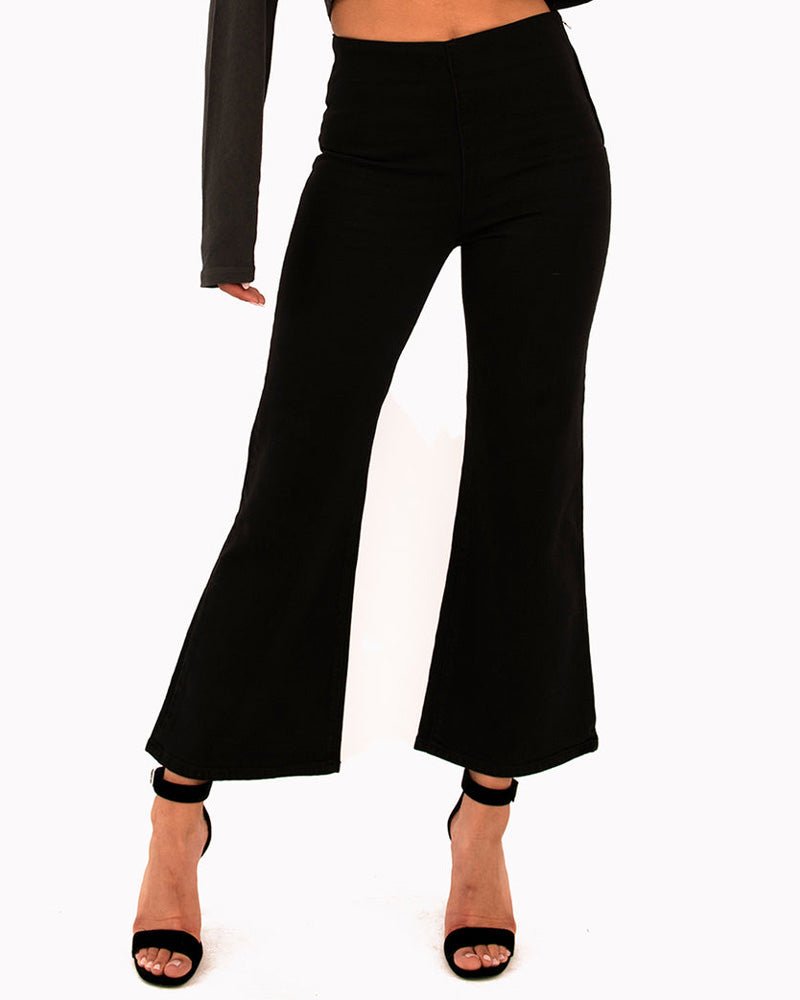
- Cropped flare style: Some people like a shorter, ankle-length flare, especially in warmer weather. In this case, cut so the hem falls just above the ankle bone.
Always factor in extra length for hemming. Most hemming methods will use up about 1–2 cm (½–¾ inch) of fabric.
Credit: www.capsuleshoponline.com
Preparing To Crop: Marking And Measuring
Preparation is key to a professional result. Here’s how to mark your leggings before you cut:
- Lay Leggings Flat: Place them on a clean, flat surface.
- Smooth Out Wrinkles: Make sure there are no folds or bunches.
- Mark the New Hem: Use the measurement from your try-on session to draw a straight line around each leg, where you want the new hem to be.
- Add Seam Allowance: Mark another line 1–2 cm below your first line. This is the fabric you’ll turn under for the hem.
It helps to use a flexible measuring tape or a tailor’s ruler to ensure your lines are even all the way around the leg. If you’re unsure, pin the fabric at several points along the hemline and check the length on your body again before cutting.
Cutting The Flare Leggings
Once you’re confident with your markings, it’s time to cut. This step can feel intimidating, but with careful attention, you’ll get a clean result.
- Double-Check Your Lines: Make sure both legs are marked evenly.
- Cut One Leg at a Time: Don’t try to cut both legs together, as layers may shift.
- Use Long, Smooth Scissor Strokes: Avoid small, jagged snips. Let the scissors do the work.
- Check for Symmetry: After cutting the first leg, fold the leggings in half and use the cut leg as a guide to mark and cut the second leg. This ensures both flares match.
Non-obvious insight: Don’t rush this step, even if you’re eager to finish. A careful cut is easier to fix than a hasty one.
Hemming Options: Sewn And No-sew
After cutting, the raw edges need finishing. This keeps the fabric from fraying and helps the leggings hold their shape. There are two main ways to hem flare leggings: with sewing, or using no-sew techniques.
Hemming With A Sewing Machine
For most leggings, especially those made of thick or high-quality fabric, sewing gives the best, most durable results. Here’s how to do it:
- Fold Under the Hem: Turn the fabric under along the seam allowance line you marked earlier.
- Pin or Clip: Secure the fold in place with pins or fabric clips.
- Select a Stretch Stitch: On your sewing machine, choose a zigzag or stretch stitch. This allows the hem to stretch with the fabric.
- Use a Ballpoint Needle: This prevents snags or holes in stretch fabrics.
- Sew Slowly and Evenly: Guide the fabric gently, don’t pull. Sew around the entire leg opening.
- Press the Hem: Use an iron on a low setting to flatten the seam and help it set.
Pro tip: If your sewing machine has a twin needle, you can create a double-row hem that looks just like the original factory stitching.
Hand Sewing The Hem
If you don’t have a sewing machine, you can hem by hand:
- Thread a Needle: Use polyester thread for strength.
- Use a Stretch Stitch: Try a herringbone or catch stitch, which allows the fabric to stretch.
- Work Slowly: Keep your stitches small and even.
- Tie Off Securely: Make sure the last stitch is knotted well to prevent unraveling.
No-sew Hemming Methods
If you prefer not to sew, you can use fabric glue or fusible hem tape:
- Fold Under the Hem: As before, fold to your desired length.
- Apply Fusible Tape: Place the tape between the folded hem and main fabric.
- Press with an Iron: Apply heat to activate the adhesive, following the tape’s instructions.
- Let Cool: Allow the hem to set before wearing.
Fabric glue works similarly but may not be as durable as sewing, especially after repeated washes.
Maintaining The Flare Shape
One of the biggest challenges when cropping flare leggings is keeping the original shape of the flare. If you cut too high, the flare can look too wide and unbalanced. Here’s how to avoid this problem:
- Cut Just Below the Flare Curve: Try to crop where the leg is still gently widening, not right at the widest point.
- Preserve the Angle: When marking your hem, keep the new line parallel to the original bottom, not straight across. This helps maintain symmetry.
- Try Them On Before Hemming: After cutting, pin or tape the new hem and try the leggings on. Adjust as needed for the best look.
Hidden insight: If you want to crop more than 10 cm, consider tapering the flare slightly with your scissors before hemming, or the bottom may look too wide for your calf.
Special Tips For Different Fabrics
Not all flare leggings are made the same. Some are cotton blends, others are polyester, spandex, or even specialty performance materials. Each fabric type needs a slightly different approach.
Cotton Or Cotton Blends
- Frays Easily: Always hem after cutting.
- Shrinkage: Pre-wash your leggings before cropping, as cotton can shrink after washing.
Polyester And Spandex Blends
- Edges May Curl: Press well after cutting to help edges lay flat.
- Use a Stretch Stitch: These fabrics need a hem that can stretch.
Performance Fabrics
- Moisture-Wicking: Avoid high heat when ironing.
- Slippery Texture: Use extra pins or clips when hemming.
If you’re unsure of your fabric type, check the care label or test a small hidden area before cutting.
Step-by-step Example: Cropping Flare Leggings
Let’s walk through an example for clarity. Imagine you’re 5’2” and bought leggings with a 33-inch inseam, but your ideal inseam is 29 inches.
- Try on the leggings with shoes. Fold up the hem so the flare just skims the floor. Mark this fold.
- Take off the leggings and lay flat. Measure from the crotch seam to your mark: 29 inches.
- Mark a line around each leg at 29 inches. Add another line ¾ inch below for the hem allowance.
- Cut one leg at the lower line. Fold the leggings and use this leg to mark the second leg.
- Fold the raw edge up to your hem allowance line. Pin in place.
- Sew with a zigzag stitch (or use fusible tape).
- Press the hem flat with an iron.
Now you have leggings that fit perfectly and keep their original style.
Common Mistakes And How To Avoid Them
Cropping leggings is simple, but a few common mistakes can spoil the result. Here’s what to watch out for:
- Cutting Too Short: Always err on the longer side. You can always trim more, but you can’t add fabric back.
- Uneven Hems: Double-check your measurements and marks. Fold leggings in half to compare both legs.
- Skipping the Seam Allowance: Forgetting to leave extra fabric for hemming will result in shorter leggings than you wanted.
- Using the Wrong Stitch: Regular straight stitches can pop when you stretch the fabric. Always use a stretch or zigzag stitch.
- Not Pre-Washing: Some fabrics shrink with washing. Pre-wash before cropping.
Data Table: Hemming Methods Comparison
Here’s a look at different hemming options for flare leggings:
| Method | Tools Needed | Durability | Appearance | Skill Level |
|---|---|---|---|---|
| Sewing Machine | Machine, thread, needle | High | Professional | Beginner to Intermediate |
| Hand Sewing | Needle, thread | Medium | Neat if careful | Beginner |
| Fusible Tape | Iron, tape | Medium | Nearly invisible | Beginner |
| Fabric Glue | Glue | Low | Can be messy | Beginner |
Tips For A Professional Finish
You don’t need to be a tailor to get a polished look. These tips will make your cropped flare leggings look store-bought:
- Press Each Step: Iron after cutting and again after hemming. This sets the fabric and flattens seams.
- Match the Thread Color: Use thread that matches your leggings for a subtle finish.
- Use Twin Needle: If available, this gives a double row of stitching like most athletic wear.
- Trim Loose Threads: After sewing, carefully snip any stray threads.
Example Adjustments For Different Styles
Flare leggings come in many styles, from dramatic bell-bottoms to subtle bootcuts. Here’s how to approach a few common types:
Extreme Flare
- Cut Conservatively: Leave extra length, as removing too much can make the flare look awkward.
- Taper If Needed: If you crop a lot, consider slightly tapering the flare to keep proportions balanced.
Subtle Bootcut
- Less Room for Error: A small mistake is more obvious with less flare. Measure carefully.
Cropped Flare
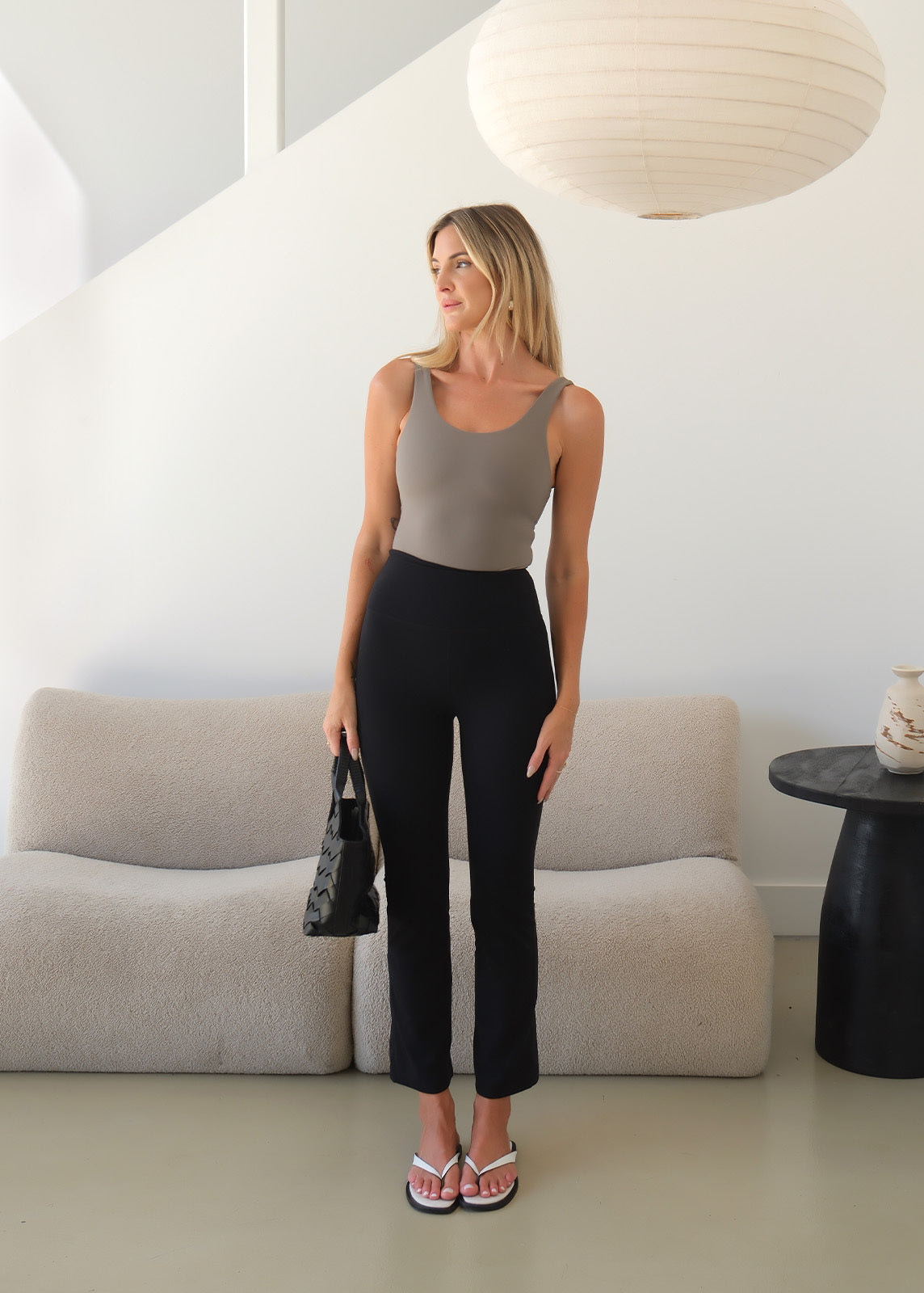
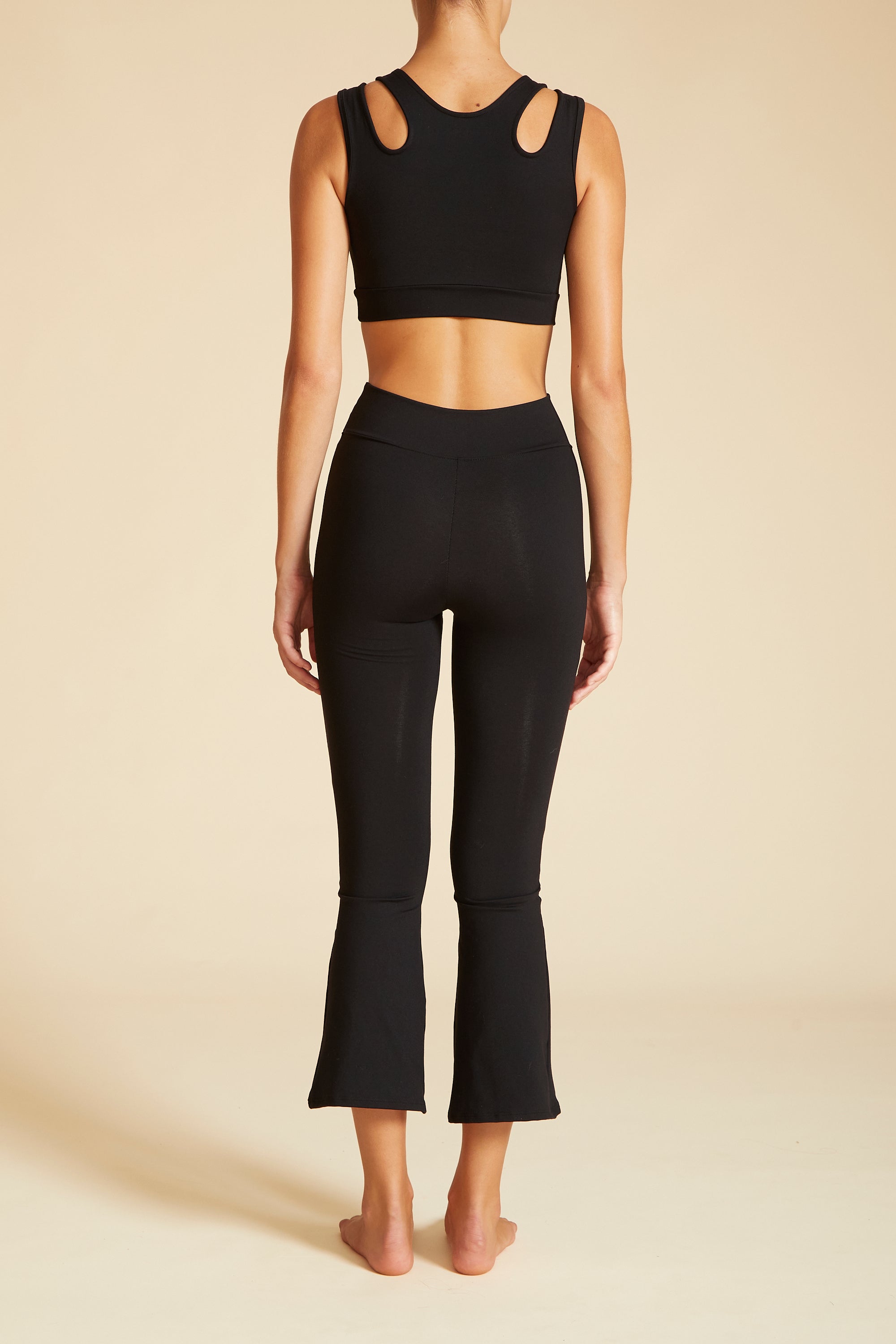
- Trendy Look: This style looks good above the ankle. Follow the same steps, but mark your desired height higher up.
Credit: nimbleactivewear.com
Data Table: Common Flare Legging Lengths
For quick reference, here’s a guide to typical flare legging inseams and who they suit:
| Inseam Length | Recommended For | Style Effect |
|---|---|---|
| 27–29 inches | Petite heights | Classic full length |
| 30–32 inches | Average heights | Standard full length |
| 33–35 inches | Tall heights | Long, draping look |
| 24–26 inches | All heights | Cropped/ankle flare |
Caring For Cropped Flare Leggings
After cropping and hemming, proper care helps keep your leggings in top shape:
- Wash in Cold Water: Protects both fabric and hem.
- Avoid High Heat Drying: Air dry or tumble on low to prevent shrinkage.
- Iron on Low: If needed, press the hem with a low iron.
Some fabrics, like polyester blends, may never need ironing if hung up immediately after washing.
When To Seek Professional Help
DIY cropping is great for most people, but there are times you may want to visit a tailor:
- Expensive Designer Leggings: If you’re nervous about making a mistake, a professional will have the tools and experience for a flawless result.
- Complex Hems: Some leggings have decorative or scalloped hems that are hard to replicate at home.
- Specialty Fabrics: Leather, faux leather, or coated leggings can be tricky to hem without damage.
The cost of professional hemming is usually low compared to buying new leggings or ruining a favorite pair.
Common Questions And Beginner Concerns
Many people are nervous about cutting their clothes. Here are reassuring answers to common worries:
- What if I cut too much? You can add a decorative band or lace trim to lengthen the leg slightly, but prevention is best—always measure twice.
- Will hemming change the feel? If you use a stretch stitch or fusible tape, the hem should feel just as comfortable as the original.
- What about raw edges? Some stretch fabrics won’t fray, but hemming still gives a neater look and helps the leggings last longer.
Troubleshooting: Fixing Common Problems
If your cropped leggings don’t turn out as expected, here’s how to fix them:
- Uneven Hem: Undo the stitches and trim to even out, then re-hem.
- Wavy or Stretched Hem: This can happen if you stretched the fabric while sewing. Wash and dry the leggings, then press flat with an iron.
- Visible Stitching: Use matching thread, or carefully unpick and redo with a smaller, neater stitch.
Patience and practice are key. Even experienced sewists sometimes make mistakes, but most can be fixed.
Advanced Tips For Customizing Flare Leggings
Once you’re comfortable cropping, try customizing further:
- Add a Decorative Hem: Use contrasting thread, a scalloped stitch, or a lace band for a unique look.
- Create a Raw Edge Hem: Some performance fabrics won’t fray and look trendy with a simple cut edge. Test on a scrap first.
- Adjust the Flare: If you want a slimmer or wider flare, reshape the side seam before hemming.
Customizing your leggings not only improves fit but also makes your wardrobe more unique.
Credit: www.livetheprocess.com
Real-life Example: Cropping For Petite Athletes
Consider Maya, a runner who stands at 5’1”. She loves the comfort of flare leggings but always struggles with length, often tripping on excess fabric. By learning to crop her leggings, Maya now customizes every pair to hit just above her running shoes.
She uses a zigzag stitch on her home sewing machine and always pre-washes her leggings to avoid post-crop shrinkage. The result? She saves money, feels more confident, and has leggings that look and feel made just for her.
Resources And Further Reading
If you’re ready to try more DIY clothing alterations, many guides and videos are available online. For a deep dive into sewing techniques and fabric care, the Craftsy Sewing Section is a helpful resource for both beginners and experienced sewists.
Frequently Asked Questions
How Do I Keep Both Legs The Same Length When Cropping Flare Leggings?
After marking and cutting the first leg, fold the leggings in half so both legs align. Use the already cut leg as a guide to mark the second leg. This keeps your hems even and symmetrical.
Can I Crop Flare Leggings Without A Sewing Machine?
Yes, you can use hand sewing, fabric glue, or fusible hem tape. Fusible tape is quick and works well for many stretch fabrics, though it may not last as long as a sewn hem.
What If My Flare Leggings Have A Special Hem Or Decoration?
If your leggings have a decorative finish, replicating it at home can be difficult. You can try using a special stitch or trim, but for high-value or complex hems, a tailor can help match the original look.
Will Hemming Affect The Stretchiness Of My Leggings?
If you use a stretch stitch (like zigzag) or an appropriate no-sew method, your leggings should stretch and move as before. Avoid straight stitches, which can break under tension.
How Do I Know If My Fabric Will Fray After Cutting?
Check the raw edge of a small hidden area. Most synthetic leggings (polyester, spandex) will not fray, but cotton blends may. Hemming is always recommended for a clean and lasting finish.
Cropped flare leggings can instantly improve your style and comfort. With a steady hand, the right tools, and careful measuring, you can confidently tailor your leggings for a fit that feels custom-made. Once you’ve mastered these steps, you may find yourself cropping and customizing all your favorite clothes for a wardrobe that’s uniquely yours.
