

How to Create Gym Clothing Brand: Step-by-Step Success Guide
How To Create Gym Clothing Brand
Building a gym clothing brand is more than just designing shirts and leggings. It’s about understanding your audience, making smart business decisions, and standing out in a crowded market. Whether you dream of seeing your logo worn by fitness enthusiasts or you want to start a side business, creating a gym apparel brand requires patience, creativity, and practical planning. Let’s break down every step, from idea to launch, so you know what it takes to succeed.
Understanding The Gym Apparel Market
Before investing money or effort, it’s crucial to know the gym clothing market. The fitness industry is booming, and gym wear is a key part. According to Grand View Research, the global activewear market is expected to reach over $400 billion. Competition is strong, but there’s room for new brands that offer something fresh.
To succeed, you must understand the trends shaping the industry. For example, the rise of remote work and home fitness means more people want comfortable clothes they can wear all day. You’ll also see fast fashion brands entering the market, but their quality and ethics often don’t satisfy dedicated fitness fans.
Learning what people love—and hate—about existing brands can give you an edge.
Who Buys Gym Clothes?
Gym wear isn’t just for athletes. Many people wear activewear as daily fashion. Your customers may include:
- Gym members who need durable, sweat-proof outfits.
- Runners who want lightweight, breathable gear.
- Yoga practitioners who value soft, flexible clothing.
- People who want comfortable, stylish clothes for daily life (athleisure).
Don’t forget smaller groups, like older adults looking for easy-on, easy-off clothing or parents needing quick-dry fabrics for busy days. If you notice a group that feels ignored, you might find your niche there.
What Do Buyers Want?
Most buyers want:
- Comfort and flexibility: Clothes that move with them, without tight spots or scratchy seams.
- Moisture-wicking fabrics: Material that pulls sweat away from the skin and dries fast.
- Durability: Clothes that survive many washes and tough workouts.
- Trendy designs: Looks that make them feel good in and out of the gym.
But there are deeper needs. For example, some buyers want eco-friendly fabrics or clothes that fit all body types. Beginners often miss this: finding a unique angle can help your brand stand out. For example, brands like Gymshark focus on young athletes, while Lululemon targets yoga lovers.
Some customers also care about ethical manufacturing—how and where your clothes are made. If you can prove your products are fair-trade or use recycled materials, you’ll attract people who care about more than just looks or price.
Finding Your Niche
To build a successful gym clothing brand, you need a clear niche. This means focusing on a specific group of customers or a certain style.
Niches help you talk directly to your ideal customer. Instead of being “just another gym brand,” you become the best choice for a special group. For example, some brands focus only on women’s weightlifting wear, while others design only for plus-size men.
Common Gym Clothing Niches
- Performance wear – For serious athletes, focused on function and technical features.
- Athleisure – Gym clothes that double as everyday fashion, blending comfort and style.
- Eco-friendly – Made from recycled or sustainable materials, for environmentally conscious buyers.
- Plus-size – Activewear for larger bodies, often with extra support and more inclusive sizing.
- Yoga-focused – Soft, flexible, and comfortable for stretching and calm movements.
Ask yourself:
- Who do I want to serve?
- What problems can I solve for them?
- How can I be different?
A strong niche helps you create targeted products and marketing. Many new brands fail because they try to please everyone. Focus is key.
Another insight: Don’t be afraid to start small. Some of the biggest brands today began with a single product that solved a specific problem. For example, starting with just the perfect squat-proof legging or a sports bra designed for larger busts can be a powerful way to build trust.
Designing Your Brand Identity
Your brand identity is how people see your company. It includes your logo, colors, values, and the story behind your brand.
A clear, strong brand identity makes your products instantly recognizable and helps build a loyal community. Think about Nike’s “swoosh” or the bold simplicity of Gymshark’s shark fin. These visuals are memorable and tell a story.
Creating A Memorable Name And Logo
Your name should be:
- Easy to remember
- Short and clear
- Related to fitness or your niche
Avoid hard-to-spell names or words that sound like other brands. Check that the domain (website address) is available and that your name isn’t already taken by another business.
Your logo should work well on clothing and social media. Use simple shapes and bold colors. If you’re not a designer, consider hiring one or using online tools like Canva.
A good logo is scalable—it looks sharp on a t-shirt, business card, or Instagram profile. Try to test your logo in black and white as well as color. It should be readable even when small.
Building Your Brand Story
People connect with stories. Explain why you started your brand. Maybe you struggled to find gym clothes that fit. Or you wanted to create eco-friendly options. Share this story on your website and marketing materials.
Stories make your brand feel human. Did you lose weight and couldn’t find workout clothes that made you feel confident? Did you notice your friends complaining about see-through leggings? These real problems, with your solution, create connection.
A strong story can also help with press coverage. Journalists and bloggers love stories about passion and solving real-life problems. This can lead to free promotion.
Choosing Brand Colors And Fonts
Colors matter. For gym brands, black, gray, and bright colors like green or blue are popular. But think about your audience—maybe earthy tones for an eco brand, or bold neons for a youth-focused brand.
Fonts should be bold and easy to read. Consistency helps people recognize your brand.
Don’t use too many colors or fonts. Two or three colors and one or two fonts are enough. Consistent branding makes your packaging and website look professional.
Developing Your Gym Clothing Line
This is where your ideas become real products. Successful gym wear combines function, style, and quality.
Start by sketching your ideas. Look at what’s already on the market, but focus on how you can make your clothing better or different. Think about both men’s and women’s lines, or start with one and grow.
Types Of Gym Clothing
Some basics include:
- T-shirts and tanks for all seasons
- Leggings and joggers for lower body workouts and comfort
- Sports bras for support and style
- Shorts for high-intensity or summer workouts
- Hoodies and jackets for warmups and cool weather
You don’t need to launch with everything. Start with 2-3 core items, then expand.
Also, think about fit—regular, slim, or loose. Offering different fits can help more people feel comfortable in your clothes.
Choosing Materials
Fabric is vital. Common options:
- Polyester – Durable, dries fast, used in performance wear.
- Cotton – Comfortable but absorbs sweat, better for light activity.
- Spandex – Stretchy, used in leggings and bras for flexibility.
Many brands blend fabrics for the best result. Eco-friendly materials like recycled polyester or bamboo are rising in popularity.
Some new options include TENCEL (soft, eco-friendly), merino wool (odor-resistant), or even coffee-infused fibers (which fight bacteria). Always ask for material samples before choosing.
Features To Consider
To stand out, add features like:
- Moisture-wicking
- Odor resistance
- Flat seams (reduce chafing)
- Pockets for phones or keys
- Reflective details for nighttime safety
- Adjustable waistbands or straps
Non-obvious insight: Buyers often notice these features only after wearing the product. Testing your designs helps you spot what works.
One tip: Visit local gyms or yoga studios and ask people what they wish their current gym clothing had. Real-world feedback is gold.
Creating Prototypes And Samples
You need samples to test fit, feel, and quality. This stage can be slow and costly, but it’s essential.
How To Get Samples
- Find a manufacturer – Search for factories that make gym clothes. Websites like Alibaba, Maker’s Row, or Sewport are helpful.
- Send your designs – Provide sketches or digital files. Include measurements and details like type of stitching, pocket size, or fabric weight.
- Order samples – Usually costs $50–$200 per item.
Test samples yourself and ask friends or gym members to try them. Note issues like tight seams, itchy fabric, or poor stitching.
Ask testers to move, stretch, and sweat in the samples. Wash them several times to see how they last. One often-missed detail: zippers and elastic can feel comfortable at first, but may twist or break after use. Check every part carefully.
Comparing Manufacturers
Here’s a simple table to compare three sample manufacturers:
| Factory Name | Minimum Order | Sample Price | Lead Time | Country |
|---|---|---|---|---|
| ActiveWear Pro | 100 units | $75 | 3 weeks | USA |
| FitTex | 200 units | $50 | 4 weeks | China |
| EcoGym Clothing | 150 units | $90 | 5 weeks | Vietnam |
Choose based on quality, price, and communication. Don’t just pick the cheapest.
Also, pay attention to how quickly factories reply and their willingness to adjust samples. Good communication can prevent many problems later.
Planning Your Production
Once you have samples you like, decide how many pieces to make. Most brands start small to reduce risk.
How Many Items Should You Produce?
A good starting point is:
- 50–200 pieces per design
- Choose 2–3 designs to start
If your budget allows, order a few extra pieces for giveaways or promotions. But don’t stretch yourself too thin.
Avoid over-ordering. You can always reorder if sales go well.
Setting Up Your Supply Chain
Your supply chain includes:
- Manufacturer (makes the clothes)
- Shipping (moves products to you)
- Warehouse or storage (keeps inventory)
- Packaging (how your items are wrapped and shipped to buyers)
Some brands use dropshipping, where the factory ships directly to buyers. This reduces storage costs but limits quality control.
If you handle shipping yourself, invest in simple packaging like branded mailer bags. Eco-friendly packaging can match your brand values and impress customers.
Cost Breakdown
Understanding costs is crucial. Here’s a typical breakdown for a gym shirt:
| Cost Type | Amount (USD) |
|---|---|
| Material | $3.50 |
| Manufacturing | $4.00 |
| Shipping | $1.25 |
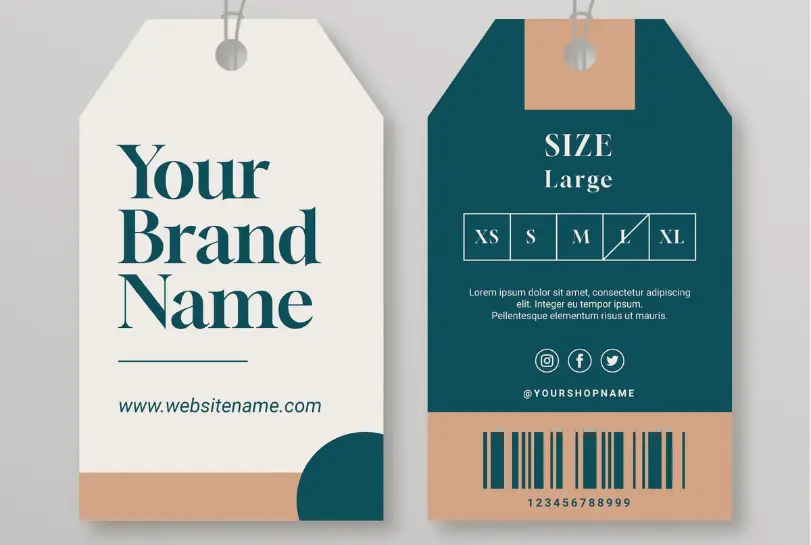
| Label/Tag | $0.50 |
| Total per item | $9.25 |
Selling price is often $25–$35, leaving room for marketing and profit.
Don’t forget hidden costs like import taxes, returns, and payment processing fees (usually 2–3% of each sale).

Credit: www.youtube.com
Pricing Your Products
Your price should cover costs, make profit, and appeal to buyers. If you price too high, buyers may leave. If too low, you risk losing money.
Common Pricing Strategies
- Cost-plus: Add a set profit margin to your costs.
- Market-based: Match competitor prices.
- Premium pricing: Charge more for high-quality or unique features.
Non-obvious tip: Use psychological pricing. For example, $29.99 looks cheaper than $30. Also, offer bundles (e.g., buy two, get one free).
Another insight: Consider offering a “founders’ discount” for your first customers. It builds excitement and gives you feedback before a full launch.
Check what similar brands charge. If you offer extra features (eco-friendly, custom fits), you can charge more. But always explain why your product is worth it.
Building Your Online Store
Most gym brands sell online first. Setting up an e-commerce website is easier than ever.
Choosing A Platform
Popular options:
- Shopify (easy to use, many features)
- WooCommerce (works with WordPress)
- BigCommerce (scalable for growth)
Your website should have:
- Clean design
- Clear product photos
- Easy checkout
Also add an FAQ page, size charts, and clear shipping/return policies. These help build trust and reduce customer questions.
Product Photography
High-quality photos are essential. Show clothes on models and flat lays. Use natural light and show different angles. Buyers want to see fit and texture.
Try to use models that match your target audience. For example, if you offer plus-size clothing, show plus-size models. This builds trust and helps buyers imagine themselves in your clothes.
Writing Product Descriptions
Describe features, benefits, and sizes. Use simple language. Example:
- “Our gym leggings use moisture-wicking fabric to keep you dry. The high waist fits comfortably and stays in place during workouts.”
Size guides, washing instructions, and style tips (what to pair with) can boost buyer confidence.
Marketing Your Gym Clothing Brand
You need buyers to find your brand. Marketing is as important as the product.
Using Social Media
Platforms like Instagram, TikTok, and Facebook work well for gym brands. Share:
- Product photos
- Workout tips
- Customer reviews
Show behind-the-scenes looks at your design process or packaging orders. This makes your brand feel real.
Collaborate with fitness influencers. Many start with micro-influencers (5,000–30,000 followers) for affordable promotion.
Non-obvious insight: Host a “try-on” event at a local gym or online with influencers. Live feedback builds excitement and trust.
Running Ads
Paid ads on Facebook or Google can help reach more buyers. Start with a small budget, test what works, and increase spending if you see results.
Use retargeting ads to reach people who visited your site but didn’t buy. Often, one reminder is all it takes.
Email Marketing
Build a list of emails. Offer a discount for sign-ups. Send regular updates, new product launches, and fitness tips.
Personalize your emails. For example, send a “thank you” coupon to repeat buyers or ask for feedback after delivery.
Creating A Community
Encourage buyers to share photos wearing your brand. Use hashtags and reward them with discounts or features. A loyal community can become your best promoters.
One tip: Create a branded challenge (e.g., a 30-day fitness challenge) and invite your customers to join. This keeps your brand in their daily lives and builds a sense of belonging.
Legal And Business Essentials
Don’t skip the legal side. Proper setup protects your brand.
Registering Your Business
Choose a business type:
- Sole proprietorship – Simple, but less protection.
- LLC – More protection, higher cost.
Register your business name and get a tax ID.
Research local laws on selling clothing—some areas require special permits or safety labeling.
Trademarking Your Brand
A trademark protects your logo and name. This prevents others from copying you. The process takes time and costs a few hundred dollars, but it’s worth it.
Check for similar trademarks before you invest in branding. Use the [USPTO search tool](https://www.uspto.gov/trademarks/search) to check in the US.
Handling Taxes
Keep records of sales and expenses. Use accounting software or hire a professional. This helps with tax filing and prevents surprises.
Remember to collect sales tax where required, and set aside money for tax season.
Insurance
Consider business insurance to protect against accidents, product issues, or lawsuits.
Some platforms require proof of insurance before you can sell. Protecting yourself early can save stress later.
Scaling Your Brand
Once you have sales and happy customers, you can grow your brand.
Expanding Product Range
Add new items:
- Different colors or prints
- New designs (hoodies, shorts, compression wear)
- Accessories (hats, bags, water bottles)
Ask your customers what they want.
Test new products with limited releases or pre-orders. This reduces risk and builds excitement.
Opening Wholesale Or Retail Channels
Sell to gyms, fitness stores, or online marketplaces like Amazon. Wholesale means selling larger quantities at a lower price per item.
Create a wholesale catalog with photos, prices, and order instructions. Attend trade shows or contact local gyms directly.
Improving Production
As you grow, you may find better manufacturers or negotiate lower prices. Invest in quality control and faster shipping.
You can also consider private labeling—adding your branding to “blank” gym wear from trusted suppliers.
Building A Team
Hire help for marketing, design, or customer service. Focus on tasks you do best and delegate others.
Having help allows you to focus on growth, while others handle daily tasks.
Common Mistakes To Avoid
Many new gym brands fail. Here are mistakes to watch for:
- Ignoring the niche: Trying to appeal to everyone weakens your brand.
- Low-quality products: Cheap fabrics or bad stitching hurt reputation.
- Bad sizing: Not testing fit leads to returns and complaints.
- Weak marketing: Without promotion, even great products won’t sell.
- Over-ordering inventory: Leads to wasted money and storage costs.
Non-obvious insight: Many beginners forget about returns and exchanges. Plan for handling unhappy customers.
Also, avoid copying other brands too closely. Inspiration is good, but being unique is better. Protect your reputation by being original.
Credit: www.fitnessclothingmanufacturer.com
Real-life Example: Gymshark
Gymshark started as a small UK brand. They focused on young gym-goers and used influencers to promote their clothes. Today, Gymshark is a global brand. Their success shows the power of niche focus, social marketing, and community building.
Gymshark’s founders listened to their customers, constantly improved their products, and built a strong online presence. They also handled setbacks—like supply issues and website crashes—by communicating openly with fans. This trust helped them grow fast.
Practical Tips For Success
- Test your products with real people before launch.
- Start small and scale as you grow.
- Be transparent about your story and values.
- Use feedback to improve designs and service.
- Track sales, costs, and customer data to spot trends.
Another tip: Don’t ignore customer reviews—good or bad. Respond to every review and use criticism to get better. This honesty can set you apart from bigger brands.
Comparison Of Gym Clothing Brands
To understand the market, here’s a table comparing three popular brands:
| Brand | Main Niche | Price Range | Key Features |
|---|---|---|---|
| Gymshark | Young athletes | $25–$70 | Trendy designs, influencer marketing |
| Lululemon | Yoga & lifestyle | $50–$120 | Premium fabrics, comfort focus |
| Outdoor Voices | All body types | $30–$95 | Inclusive sizing, eco-friendly |
Research these brands to see what works and how you can be different.
Notice how each brand sticks to its values and never tries to be everything for everyone. This focus is a big part of their success.
Measuring Success
Success isn’t just about sales. Track these:
- Website visitors
- Conversion rate (buyers per visitor)
- Repeat customers
- Social media growth
Use tools like Google Analytics or Shopify reports.
You can also measure customer satisfaction with surveys and reviews. High return rates or complaints might show problems with sizing or quality—fix these quickly.
Non-obvious insight: Track how many people share your brand online. Word-of-mouth is powerful and costs nothing.

Credit: www.youtube.com
Resources For Beginners
If you want to learn more, visit this helpful guide on starting a clothing brand: Shopify Guide. It covers business setup, marketing, and production tips.
Also look for online communities—forums, Facebook groups, or Reddit—where small brand owners share advice. Learning from others’ mistakes can save you time and money.
Frequently Asked Questions
How Much Money Do I Need To Start A Gym Clothing Brand?
You can start with $2,000–$10,000, depending on product range and marketing. Start small to reduce risk.
Can I Start A Gym Clothing Brand From Home?
Yes. You can sell online, store inventory at home, and use dropshipping. As you grow, you may need warehouse space.
How Do I Find Reliable Manufacturers?
Research online platforms like Alibaba or Maker’s Row. Ask for samples, check reviews, and communicate clearly.
What Makes Gym Clothing Different From Regular Clothes?
Gym clothes use special fabrics like polyester and spandex. They offer moisture-wicking, flexibility, and durability for workouts.
How Do I Handle Returns And Exchanges?
Set a clear return policy on your website. Respond quickly to customer issues. Plan for restocking or reselling returned items.
Creating a gym clothing brand is challenging but rewarding. Focus on your niche, create quality products, and build a strong community. With patience and smart planning, you can turn your fitness passion into a lasting business.
