

How to Choose the Right Gym: Expert Tips for Your Fitness Goals
How To Choose The Right Gym
Finding the right gym can be a life-changing decision. The gym you choose will impact your fitness progress, motivation, and even your overall health. For many people, the gym is more than just a place to exercise—it's a second home, a community, and sometimes a source of daily inspiration. But with so many choices, how do you pick the one that suits you best? This guide will walk you through all the important factors you need to consider, help you avoid common mistakes, and make sure you feel confident about your decision.
Define Your Fitness Goals
Before you even start visiting gyms, it's important to know what you want to achieve. Your fitness goals will guide your choice more than anything else.
Are you looking to lose weight, build muscle, improve your cardio, or just stay active? If you want to train for a marathon, you'll need good treadmills and maybe a running track. If you're interested in strength training, you'll need plenty of free weights and resistance machines.
For those who want classes like yoga or Zumba, the class schedule matters a lot.
Many beginners forget to match their goals with the gym's offerings. For example, a gym with high-end machines but no group classes may not work if you love social workouts. Write down your goals and keep them in mind during your search.
Location And Accessibility
One of the top reasons people stop going to the gym is inconvenience. Even the best gym loses its value if it's too far or hard to reach.
- Look for a gym that's close to your home, workplace, or daily route.
- Check the parking situation. Is parking free, paid, or limited?
- For those using public transport, see if buses or trains stop nearby.
- Consider traffic patterns. A gym that's only ten minutes away on a map may be a thirty-minute drive during rush hour.
Gyms that are easy to access make it much more likely you'll stick with your routine. If you plan to go early in the morning or late at night, think about safety in the area as well.
Gym Hours
Modern life is busy, and not everyone can exercise during standard hours. Check the opening and closing times of any gym you consider.
- Are they open early in the morning or late at night?
- Do they stay open on weekends and public holidays?
- Is there a difference between staffed hours and actual access (some gyms offer keycard entry 24/7)?
If you travel often, ask if your membership allows you to use other branches at different locations. Some large chains offer this flexibility.
Types Of Equipment
The best gym for you is one that has the equipment you need and enough of it to avoid long waits.
Cardio Equipment
Look for:
- Treadmills
- Elliptical machines
- Rowers
- Stationary bikes
Check if machines are modern, clean, and in good condition. Test them if possible.
Strength Training Equipment
Important items include:
- Free weights (dumbbells, barbells)
- Weight machines (leg press, chest press, etc.)
- Racks and benches
Some gyms focus more on machines, while others offer a wide range of free weights. If you’re into powerlifting or Olympic lifting, you’ll need squat racks and platforms.
Functional Training And Extras
Consider:
- Kettlebells
- Medicine balls
- Resistance bands
- Pull-up bars
- Stretching areas
Some gyms also offer swimming pools, basketball courts, or boxing areas. Make sure the gym matches your training style.
Equipment Comparison
Here's a quick comparison of equipment variety in three common gym types:
| Equipment Type | Commercial Gym | Boutique Studio | Budget Gym |
|---|---|---|---|
| Cardio Machines | Wide variety | Limited | Basic selection |
| Free Weights | Full range | Some | Basic set |
| Group Fitness Gear | Available | Specialized | Rare |
| Swimming Pool | Often included | Rare | Almost never |
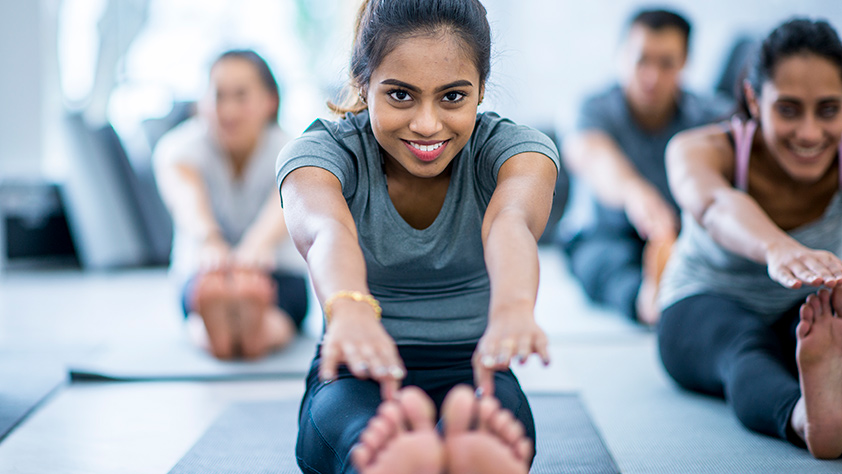
Credit: www.neamb.com
Cleanliness And Maintenance
A clean gym is not just about looks—it’s about your health. Germs can spread quickly in shared spaces. Check:
- Locker rooms, toilets, and showers
- Exercise areas and equipment
- Air quality and ventilation
- Availability of cleaning wipes or sprays
Notice if staff clean regularly and if members are encouraged to wipe down machines. Poor maintenance can also mean broken machines and safety risks.
Gym Culture And Atmosphere
Every gym has its own vibe. Some are loud and energetic; others are calm or focused on community.
- Visit during your preferred workout time. Is it crowded? Friendly?
- Are the staff welcoming? Do they greet you?
- Notice the music volume and type.
- Are members diverse or mostly one age group/gender?
Some people feel motivated in a busy environment, while others want peace and quiet. The right gym will make you feel comfortable and motivated.
Staff Qualifications And Support
Good gyms hire certified trainers and friendly staff. Qualified trainers can help you with your technique, answer questions, and even design a fitness plan.
Ask about:
- Trainer certifications (look for recognized organizations)
- Availability of trainers on the floor
- Staff willingness to help with machines or advice
If you’re new to the gym, a staff member who explains equipment safely is a big plus. Some gyms offer a free orientation session—don’t miss it.
Group Classes And Programs
Group classes can be a huge motivation boost. They offer structure, variety, and social interaction.
Popular classes include:
- Yoga and Pilates
- Spinning
- HIIT (High-Intensity Interval Training)
- Zumba or dance
- Strength and conditioning
Ask for the class schedule and see if times match your availability. Some gyms offer specialty programs like boot camps or martial arts. If you’re interested in personal training, ask about packages and costs.
Membership Options And Cost
Cost is always a factor, but the cheapest gym is not always the best value. Look beyond the price tag.
- Are there different membership levels?
- Does the fee include all facilities or are some extras?
- Is there a joining fee or annual contract?
- Can you pay monthly or only upfront?
Compare what you get for the price. A slightly more expensive gym with better equipment and classes may be worth it.
Sample Cost Comparison
Here's an example of how different gyms structure their pricing and benefits.
| Membership Type | Monthly Cost | Access Hours | Included Classes | Guest Passes |
|---|---|---|---|---|
| Basic Gym | $20 | Limited | No | None |
| Mid-Range Gym | $45 | Full | Some | Monthly |
| Premium Gym | $80 | 24/7 | Unlimited | Weekly |
Some gyms offer discounts for students, seniors, or corporate groups. Always ask if you qualify.
Contract Terms And Flexibility
Before signing, read the contract carefully. Many people regret not checking the fine print.
Key things to check:
- Is there a lock-in period?
- What is the cancellation process? Are there fees?
- Can you freeze your membership if you travel or are injured?
- Are there extra charges for certain facilities or classes?
Avoid long-term contracts unless you are sure about your choice. Flexible memberships may cost a bit more but offer peace of mind.
Trial Periods And Guest Passes
Most good gyms offer a free trial or guest pass. Use this opportunity to test the gym at your preferred time.
During the trial:
- Try the equipment you use most
- Attend a class if possible
- Check locker rooms and showers
- Notice how staff and members interact
This hands-on experience gives you a real feel for the gym. If a gym does not allow a trial, consider it a red flag.
Facilities And Amenities
Some gyms offer much more than just machines. Amenities can make your workouts more enjoyable.
Common extras:
- Showers and clean locker rooms
- Sauna or steam room
- Swimming pool or hot tub
- Juice bar or café
- Childcare
Think about which amenities are important to you. For example, a parent might need childcare, while a swimmer needs a pool. Don't pay for extras you will not use.
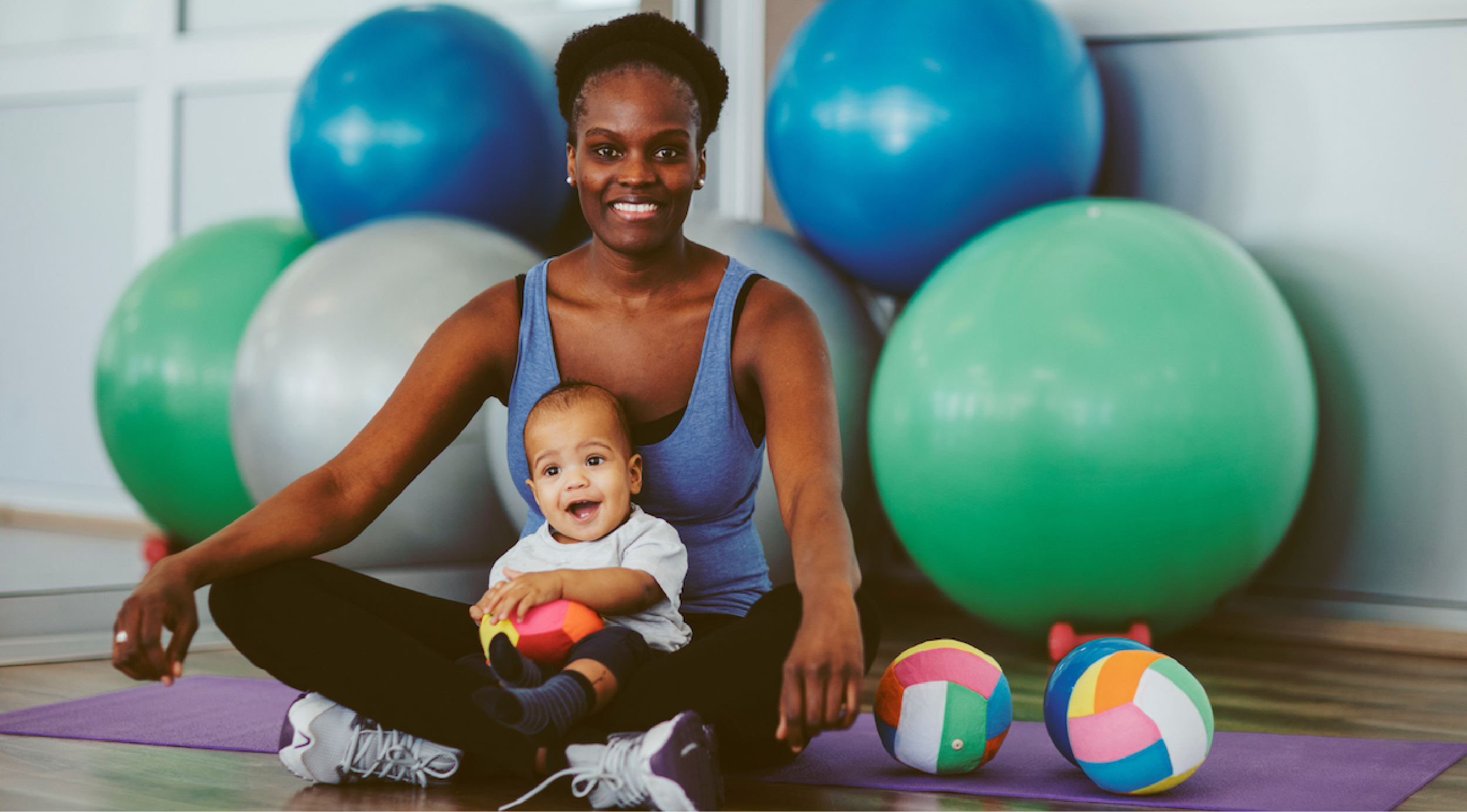
Credit: gwrymca.org
Safety And Security
A gym should be a safe place, both physically and in terms of your belongings.
- Is there CCTV or security staff?
- Are lockers secure? Do you need to bring your own lock?
- Are the fire exits clearly marked?
- Is equipment well-maintained to avoid injuries?
- Are staff trained in first aid?
Safety is even more important if you work out during off-peak hours. Don’t hesitate to ask about these features.
Crowd Levels And Waiting Times
A crowded gym can ruin your workout. If you have to wait for machines or space, you may lose motivation.
- Visit at the time you plan to work out.
- Observe if people are waiting for equipment.
- Ask staff about peak and off-peak hours.
Some gyms use apps to show real-time crowd levels. If you prefer quieter workouts, look for gyms with more space or lower membership numbers.
Member Demographics
The people around you can influence your motivation and comfort. Some gyms attract bodybuilders, others are popular with seniors or families.
- Do you see people like yourself (age, fitness level, gender)?
- Are there programs for beginners or advanced athletes?
- Is the environment supportive or competitive?
Choose a gym where you feel welcome and inspired, not intimidated.
Special Features And Unique Offerings
Some gyms stand out with unique features. These may include:
- Outdoor training areas
- Altitude rooms for high-performance training
- Recovery suites (cryotherapy, massage chairs)
- Nutrition coaching
If you have specific interests, like CrossFit or martial arts, look for gyms that specialize in these areas.
Credit: excaliburhardwoodfloors.com
Covid-19 Policies And Hygiene
Health and safety have become even more important. Check how the gym handles hygiene:
- Regular cleaning schedules
- Social distancing rules
- Air filtration and ventilation
- Mask or vaccine policies
A gym that takes hygiene seriously shows it values member safety. Even outside a pandemic, these measures help control flu and colds.
Technology And Digital Integration
Modern gyms often use technology to improve your experience.
- Mobile apps for booking classes or checking schedules
- Virtual training or on-demand classes
- Touchless check-in systems
- Wearable device integration
If you like tracking your progress, see if the gym supports fitness apps or devices like Fitbit or Apple Watch.
Community And Social Aspects
A sense of community can boost motivation and make workouts fun.
- Does the gym organize events, challenges, or workshops?
- Are there social media groups for members?
- Is there a bulletin board with success stories or announcements?
If you value friendship and networking, a strong community focus can be a big plus.
Nutrition And Wellness Services
Some gyms offer more than just workouts.
- Nutrition counseling
- Body composition analysis
- Wellness seminars
These services can help you reach your goals faster. If they're included, it's a good sign the gym cares about your overall health.
Accessibility For People With Disabilities
Not all gyms are created equal when it comes to accessibility.
- Are entrances, showers, and toilets wheelchair-friendly?
- Is equipment spaced out for easy movement?
- Are staff trained to assist people with special needs?
If accessibility is important to you, visit in person and check these features.
Environmental And Sustainability Practices
Eco-friendly gyms are becoming popular. Look for:
- Energy-efficient lighting and equipment
- Recycling programs
- Use of eco-friendly cleaning products
Choosing a gym with strong sustainability practices can make you feel good about your membership.
Reading Reviews And Asking For Referrals
Don't rely only on what the gym tells you. Look for online reviews on Google, social media, or fitness forums. Pay attention to both good and bad comments.
Ask friends, family, or colleagues for recommendations. Real experiences can reveal things you won't find in a brochure.
For more on how to read reviews wisely, check out this Consumer Reports guide.
Making The Final Decision
After visiting gyms, making comparisons, and reading reviews, make a shortlist. Consider:
- Which gym best matches your goals and lifestyle?
- Does it fit your budget without hidden fees?
- Did you feel comfortable during your visit?
Trust your instincts. If you enjoyed your trial visit, you’re likely to stick with your workouts. Don’t rush—it's better to take time and choose the right gym than to join the wrong one.
Common Mistakes To Avoid
- Choosing on price alone: Cheap gyms can cost more if you don’t use them or if you need extra services.
- Not visiting during your workout time: Crowd levels and atmosphere can change throughout the day.
- Ignoring the contract: Always read the fine print.
- Overestimating motivation: A gym far from home may seem fine at first, but becomes a barrier quickly.
- Forgetting about hidden fees: Ask about all possible charges.
The Value Of A Good Gym
The right gym can transform your health, confidence, and social life. It’s not just about machines—it's about feeling supported and inspired. Remember, you are investing in your well-being.
Frequently Asked Questions
What Should I Bring When Visiting A Gym For The First Time?
Bring comfortable workout clothes, a water bottle, and a small towel. If you’re planning to try equipment or classes, bring a change of clothes and shower gear. Don’t forget to bring any necessary ID or documents for a guest pass.
How Do I Know If A Gym Is Hygienic?
Look for visible cleaning schedules, staff wiping down equipment, and available cleaning supplies for members. Well-maintained locker rooms and clean air are also good signs. Ask staff about their cleaning policies if you are unsure.
Are Group Fitness Classes Included In Most Gym Memberships?
It depends on the gym. Some include basic classes, while others charge extra for specialty classes. Always ask what’s included in your membership and check the class schedule to make sure it fits your needs.
Can I Cancel My Gym Membership At Any Time?
Not always. Many gyms require notice periods, cancellation fees, or minimum contract lengths. Before signing, ask about the cancellation policy and get it in writing.
What If I Move Or Can’t Use The Gym For A Few Months?
Some gyms allow you to freeze your membership for travel, illness, or other reasons—often for a small fee. Check the contract for details and ask about options before joining.
Choosing the right gym takes time, but it's worth the effort. With the right choice, your fitness journey will be smoother, more enjoyable, and more successful. Good luck on finding the perfect gym for your needs!
