

How to Choose the Right Gym Clothes for Maximum Performance
How To Choose The Right Gym Clothes
Finding the right gym clothes can transform your workout experience. Good gym wear does more than just make you look stylish—it can help you move better, stay comfortable, and even improve your motivation. But with so many options on the market, it’s not always easy to know what to buy.
This guide explains everything you need to know to choose gym clothes that fit your needs, body, and fitness goals.
You’ll discover how fabric, fit, and function influence performance. You’ll learn what to avoid, what to look for, and how to make your budget go further. By the end, you’ll feel confident walking into any sportswear store or browsing online, knowing exactly what makes gym clothes right for you.
Why Choosing The Right Gym Clothes Matters
Many people underestimate the impact of gym clothes. The truth is, the right clothing can make workouts feel easier and even safer. For example, wearing breathable fabrics reduces overheating. Proper support can help prevent injuries, especially during high-impact activities. When you’re comfortable, you’re less likely to get distracted by chafing, sweat, or clothes that don’t move with your body.
Wearing gym-specific clothes also has a psychological effect. Many people feel more motivated and focused when they put on gear that signals “it’s time to work out. ” In a study from Northwestern University, people who wore clothing associated with exercise performed better and felt more confident during physical tasks.
This means the benefits of good gym wear go beyond just physical comfort.
Key Factors To Consider
Choosing gym clothes is not just about picking the most popular brand or color. The right decision comes from understanding your own needs and how different features serve those needs.
1. Fabric And Material
Fabric is the foundation of good gym clothes. The type of material affects comfort, flexibility, moisture control, and durability.
- Moisture-wicking: This type of fabric pulls sweat away from your skin, keeping you dry. Polyester, nylon, and blends like spandex are common moisture-wicking materials.
- Breathability: Mesh panels or lightweight cotton blends increase airflow, helping to keep your body cool.
- Stretchability: Spandex or elastane allows for a full range of motion, which is essential for activities like yoga or weightlifting.
- Durability: Gym clothes should withstand frequent washing and stretching. Look for reinforced seams and high-quality blends.
- Avoid 100% cotton for intense workouts: Cotton absorbs sweat, stays wet, and can cause chafing.
Example Comparison Of Common Gym Fabrics
| Fabric Type | Moisture Control | Breathability | Stretch | Durability |
|---|---|---|---|---|
| Polyester | High | Medium | Medium | High |
| Spandex | Medium | High | Very High | Medium |
| Cotton | Low | High | Low | Low |
| Nylon | High | High | High | High |
2. Fit And Comfort
Proper fit is non-negotiable. Too tight, and your movement is restricted. Too loose, and you risk getting caught on equipment or experiencing chafing.
- Snug but not restrictive: Clothes should follow your body’s shape without squeezing. Test by squatting or stretching in the fitting room.
- Choose based on activity: For running, tight leggings or shorts reduce friction. For weightlifting, looser tops allow better airflow.
- Consider layering: In cooler gyms, layering allows you to remove or add clothes as needed without overheating.
3. Support And Protection
Some workouts require more support than others. For example, women benefit from sports bras designed for their activity level. Runners and people who do HIIT need more support than those doing yoga or Pilates.
- Sports bras: Choose high-impact support for running or jumping, medium for cycling or dance, and low for stretching or walking.
- Compression gear: Helps stabilize muscles and can reduce soreness after exercise.
- Padded clothing: For activities like cycling, shorts with padding prevent discomfort.
- UV protection: For outdoor workouts, look for clothes with built-in UV-blocking properties.
4. Activity-specific Needs
Not all gym activities are the same. The right clothes for weightlifting are often different from what you’d wear for yoga or cardio.
Cardio
- Lightweight and breathable: Look for shorts, tanks, or T-shirts that dry quickly.
- Reflective details: If you run or cycle outdoors, these make you more visible.
Strength Training
- Flexible and fitted: Clothes should stretch and move with you.
- No loose ends: Avoid strings or loose sleeves that can catch on equipment.
Yoga And Pilates
- Stretchy and soft: Choose leggings or fitted shorts that stay in place during poses.
- Seamless designs: Prevents chafing and irritation.
Group Classes (e.g., Zumba, Hiit)
- Secure fit: Clothes should stay put as you move quickly.
- Sweat control: Moisture-wicking is key to staying comfortable.
5. Size And Body Type Considerations
Every body is different. The best gym clothes are the ones that make you feel confident and comfortable.
- Try before you buy: Sizes can vary between brands. Move around in the fitting room to check fit.
- Choose cuts that flatter: For example, V-neck tops can elongate the neck, while high-rise leggings offer more core support.
- Don’t hide your shape: Oversized clothes can restrict movement and make you feel less confident.
6. Season And Climate
Your local weather and gym environment matter. Adjust your choices to stay comfortable year-round.
- Hot climates: Prioritize lightweight, breathable, and light-colored clothes.
- Cold climates: Use layers—start with a moisture-wicking base, add an insulating middle, and finish with a windproof outer layer.
- Rainy or humid: Quick-dry fabrics and waterproof jackets help keep you comfortable outdoors.
7. Style And Personal Preference
Looking good can boost motivation. Choose colors, designs, and patterns you like.
- Express yourself: Gym wear comes in many colors and prints—pick what makes you happy.
- Match your workout: Some people like to match tops and bottoms or coordinate with shoes.
- Minimalist vs. bold: There’s no right or wrong—just what works for you.
8. Price And Value
You don’t need to buy the most expensive gym clothes to get quality. But very cheap options may wear out quickly.
- Set a budget: Decide what you can spend and stick to it.
- Invest in essentials: Spend more on items you’ll wear often, like sports bras or shoes.
- Look for sales: Off-season or last-season colors can be much cheaper.
Example Price Comparison Of Gym Wear Essentials
| Item | Low Price Range | Mid Price Range | High Price Range |
|---|---|---|---|
| Sports Bra | $10–$20 | $25–$45 | $50+ |
| Leggings | $15–$30 | $35–$70 | $80+ |
| Tops | $8–$18 | $20–$35 | $40+ |
| Shorts | $12–$25 | $28–$50 | $55+ |
9. Brand Reputation And Reviews
Not all brands are created equal. Some specialize in high-quality gym wear, while others focus on style. Check reviews and brand reputation before buying, especially online.
- Customer reviews: Real experiences can reveal issues like poor stitching, sizing problems, or uncomfortable seams.
- Brand guarantees: Some brands offer returns or replacements if clothes don’t fit or wear out quickly.
- Sustainability: Many brands now offer eco-friendly gym wear made from recycled materials.
10. Practical Features
Small details can make a big difference. Look for features that match your workout style.
- Pockets: Useful for holding keys, cards, or your phone.
- Zippers: Keep belongings safe and secure.
- Seam placement: Flat seams reduce chafing and irritation.
- Thumbholes: Keep sleeves in place during cold-weather runs.
11. Care And Maintenance
Gym clothes get sweaty and need regular washing. Choose items that are easy to care for.
- Machine washable: Most gym wear can be tossed in the wash, but check labels for special instructions.
- Quick-drying: Reduces time between workouts and keeps clothes fresh.
- Avoid fabric softeners: They can damage moisture-wicking properties.
12. Common Mistakes Beginners Make
Many first-time buyers make the same errors. Avoid these to get the most out of your gym wear investment.
- Choosing fashion over function: Trendy clothes may not perform well during intense workouts.
- Ignoring the activity type: Not all clothes are suitable for all workouts.
- Buying the wrong size: Too loose or too tight can cause discomfort or injury.
- Not testing movement: Always try to move in clothes before buying.
- Skipping support: Forgetting a sports bra or compression shorts leads to discomfort.
- Neglecting breathability: Sweaty, sticky clothes can make you stop your workout early.
- Buying all cotton: Cotton stays wet and can rub the skin raw.
- Washing incorrectly: Not following care instructions reduces the life of your gym wear.
- Forgetting about layers: Especially in changing seasons, layers keep you comfortable.
- Not rotating clothes: Wearing the same set every workout leads to faster wear and tear.
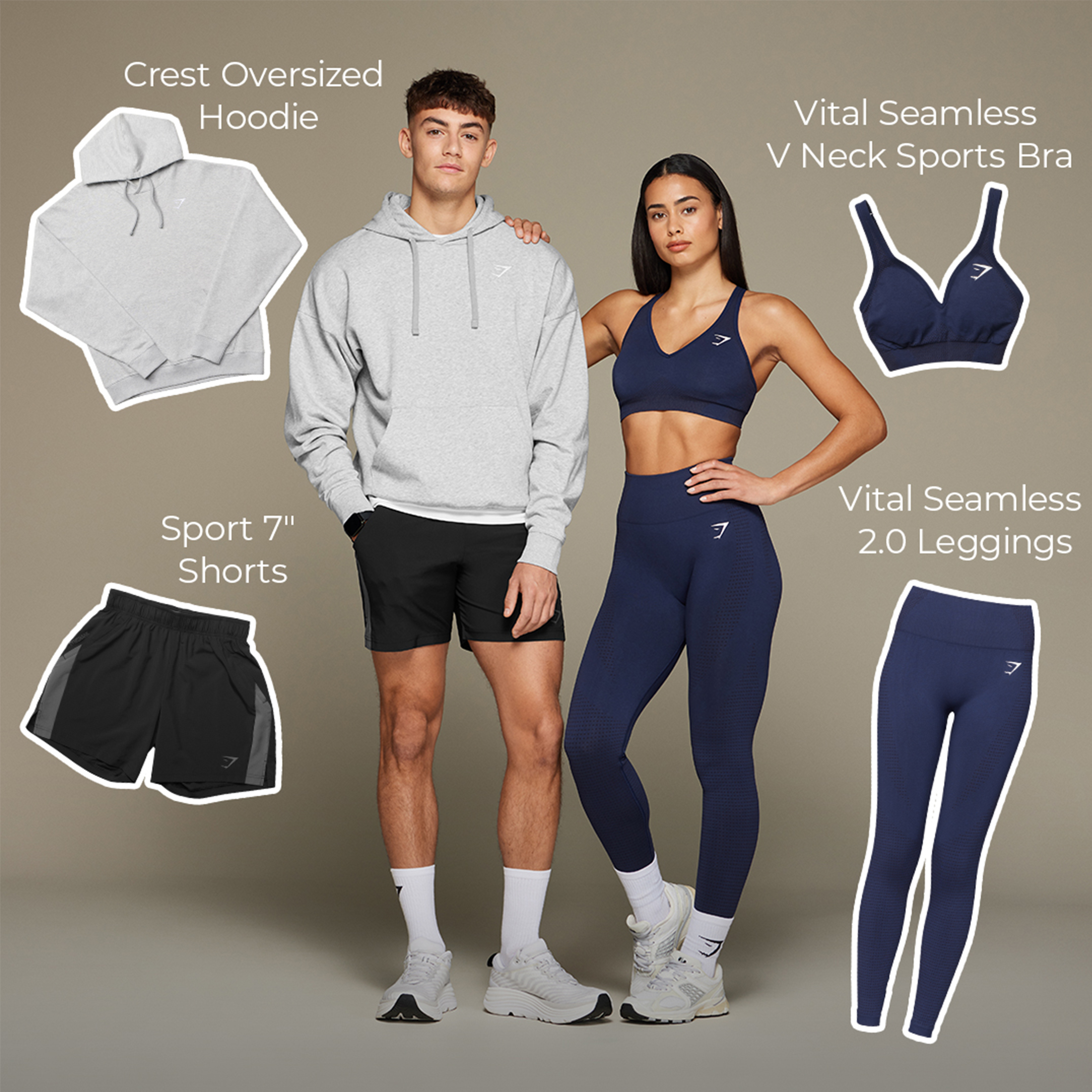
Credit: www.gymshark.com
How To Build A Gym Wardrobe On A Budget
You don’t have to buy everything at once. Start with the basics and add more as needed.
- Step 1: Identify your main workouts (running, lifting, yoga, etc. ).
- Step 2: Invest in one or two high-quality essentials—like shoes and a sports bra.
- Step 3: Add versatile pieces, like moisture-wicking T-shirts and a pair of leggings or shorts.
- Step 4: Gradually add more based on your needs—such as a hoodie for cold weather or compression socks for recovery.
- Step 5: Take advantage of sales, second-hand stores, or outlet shops.
One non-obvious tip: Buy dark colors for your first few pieces. They’re less likely to show sweat stains and can be mixed and matched easily.
Real-world Examples
Let’s look at two people with different fitness routines and see how their gym wear choices might differ.
Example 1: Maria, Cardio Enthusiast
Maria loves running and HIIT classes. She chooses:
- Moisture-wicking leggings with a high waist for comfort.
- Bright, reflective tank tops for evening runs.
- High-impact sports bra for support.
- Lightweight running shoes.
- Headband to keep sweat out of her eyes.
She avoids cotton tops and loose shorts, which can cause chafing or ride up during sprints.
Example 2: David, Weightlifting Fan
David spends most of his time in the weights area. He prefers:
- Fitted T-shirts made from polyester blends for durability.
- Shorts with zip pockets for storing his locker key.
- Compression socks to reduce muscle soreness.
- Flat-soled shoes for better grip during lifts.
- Wrist wraps for extra support.
David avoids clothes with large logos or seams that might press into his skin during bench presses.
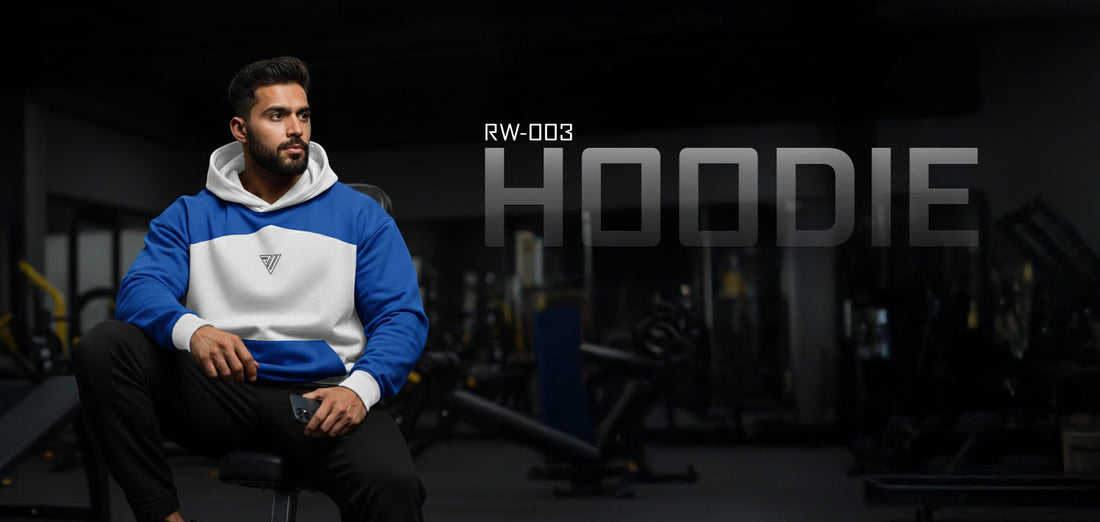
Credit: proultimatesports.com
Advanced Tips For Experienced Gym-goers
If you’ve been working out for a while, you might be ready for advanced features in your gym wear.
- Smart fabrics: Some gym clothes now monitor heart rate or muscle activation.
- Antimicrobial treatments: These reduce odor after heavy sweating.
- Custom tailoring: Athletes with unique body shapes can benefit from tailored gym wear.
- Layering systems: Designed for outdoor athletes, these allow quick changes in temperature regulation.
An insight many miss: The right socks can be as important as tops or bottoms. Look for moisture-wicking, seamless socks to prevent blisters.
How To Shop Online For Gym Clothes
Buying gym wear online can save time and money, but you need to be careful.
- Check sizing charts: Every brand is different. Measure yourself before ordering.
- Read reviews: Look for comments about fit, comfort, and durability.
- Understand return policies: Make sure you can exchange items that don’t fit.
- Look for detailed images: Zoom in to check seams, pockets, and fabric texture.
- Start with one item: Order one from a brand before buying a full set.
Don’t be afraid to ask questions before you buy. Good brands have customer service ready to help.
Special Considerations
Some people have unique needs when it comes to gym clothes.
Plus Size
Many brands now offer extended sizing. Look for:
- High-waisted leggings for better support.
- Longer tops for more coverage.
- No-roll waistbands to stay in place during movement.
Maternity
Pregnant gym-goers should choose:
- Stretchable fabrics that grow with your body.
- Supportive bands around the belly.
- Breathable tops to help with changing body temperature.
Allergies And Sensitive Skin
If you have sensitive skin:
- Choose natural fibers like bamboo blends.
- Avoid tags and seams that can irritate.
- Look for hypoallergenic treatments in fabrics.
How To Tell When It’s Time To Replace Gym Clothes
Even the best gym wear has a lifespan. Watch for these signs:
- Loss of elasticity: Waistbands or sleeves that no longer stay in place.
- Persistent odor: Some fabrics hold smells even after washing.
- Visible wear: Holes, thinning, or faded colors.
- Loss of support: Sports bras or compression gear that feel loose.
A good rule: If you’re adjusting your clothes more than your weights, it’s time for a new set.
Environmental Impact And Sustainable Choices
Fitness fashion creates waste. Consider eco-friendly choices:
- Buy less, but better: High-quality clothes last longer.
- Look for recycled materials: Many brands use recycled plastics.
- Donate or recycle old clothes: Some stores accept used gym wear for recycling.
For more on sustainable sportswear, see this Good On You guide.
Frequently Asked Questions
What Is The Best Fabric For Gym Clothes?
The best fabric depends on your activity. Polyester and nylon are top choices for moisture-wicking and durability. For stretchy activities like yoga, spandex blends work well. Avoid 100% cotton for intense workouts as it holds sweat.
How Tight Should Gym Clothes Be?
Gym clothes should be snug but not restrictive. You should be able to squat, stretch, or jump without feeling squeezed. For compression wear, a tighter fit is normal, but you should not feel pain or numbness.
How Often Should I Replace My Gym Clothes?
Most gym clothes last six months to two years depending on frequency and care. Replace items when you notice loss of stretch, fading, or permanent odors.
Can I Wear Regular Clothes To The Gym?
You can, but regular clothes may not provide enough breathability, support, or freedom of movement. They also may not withstand repeated sweat and washing. For best results, use clothes designed for exercise.
How Do I Wash Gym Clothes To Make Them Last Longer?
Wash gym clothes in cold water and let them air dry when possible. Avoid fabric softeners, as they can damage moisture-wicking properties. Wash similar fabrics together and turn items inside out to protect the surface.
---
Choosing the right gym clothes isn’t just about style—it’s about comfort, support, and performance. When you pay attention to fabric, fit, and features, you’ll find gear that helps you enjoy your workouts and reach your fitness goals. Remember, the best gym clothes are the ones you feel confident wearing, every time you step into the gym.

Credit: www.alanic.clothing
