

How to Choose T Shirt Size: Expert Tips for the Perfect Fit
How To Choose T Shirt Size
Finding the right t shirt size can feel confusing, especially when shopping online or buying from a new brand. If you pick a size too small, it feels tight and uncomfortable. If you go too big, the shirt looks baggy and unflattering. Choosing the right size means you look better, feel comfortable, and save time and money on returns.
But it’s not always as simple as choosing “small” or “large. ” Different brands use different measurements. Some shirts fit close to the body, while others are loose. Your body shape, height, and personal style also affect what size is best for you.
Even the material and how the shirt is made can change how it fits.
In this guide, you’ll learn step-by-step how to choose the best t shirt size for your body and your style. We’ll look at how to take your measurements, understand sizing charts, and consider important factors like fabric and shirt style.
You’ll also see how to avoid common mistakes that lead to bad fits. By the end, you’ll be confident ordering t shirts that fit well, look good, and feel right every time.
Why T Shirt Size Matters
Wearing the correct t shirt size is about more than just comfort. The size you choose affects how you look and how you feel throughout your day.
A shirt that fits well helps you appear more put-together and confident. People often judge your appearance quickly, and clothes that fit properly make a strong first impression. A good fit also means you can move easily—no tugging at your sleeves or adjusting your hem every few minutes.
If your shirt is too tight, it can restrict movement, highlight areas you might not want to show, and even cause skin irritation. Too loose, and it looks sloppy, can catch on things, or make layering difficult. The right size supports your natural shape without being uncomfortable.
For people who buy t shirts as uniforms or for teams, correct sizing helps everyone look consistent and professional. In retail, choosing the right size reduces returns, saving money and time.
Understanding T Shirt Size Labels
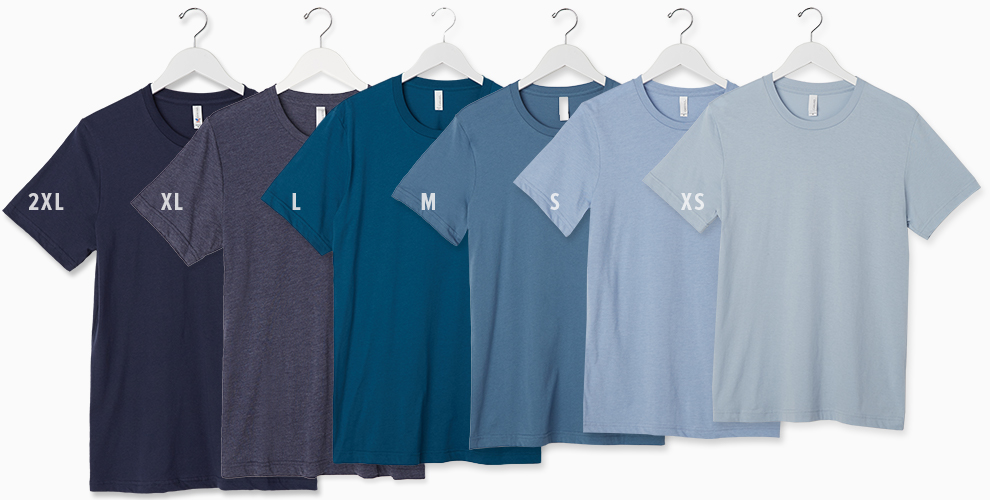
Before choosing a size, you need to understand how t shirt sizes are labeled. Most t shirts come in standard labels like S (small), M (medium), L (large), XL (extra large), and sometimes XXL or larger. But these labels don’t always mean the same measurements from one brand to another.
Some brands use number sizes (like 38, 40, 42), while others use letters. Sizing also differs between men’s, women’s, and unisex shirts.
If you’re shopping internationally, you may see US, UK, or European size systems. For example, a US medium might not be the same as a European medium.
Always check the brand’s specific size chart before buying. Never assume your size is the same everywhere.
Comparing Size Labels
Here’s a sample comparison of common size labels for men’s t shirts from different regions:
| Label | US | UK | EU |
|---|---|---|---|
| Small (S) | 34-36 | 34-36 | 44-46 |
| Medium (M) | 38-40 | 38-40 | 48-50 |
| Large (L) | 42-44 | 42-44 | 52-54 |
| Extra Large (XL) | 46-48 | 46-48 | 56-58 |
This shows why it’s important to check the chart for each store or brand.

Credit: www.zuclothing.com
How To Take Your Body Measurements
Choosing the best t shirt size starts with knowing your exact measurements. Guessing often leads to mistakes, especially if you’re between sizes or trying a new brand.
You will need a soft measuring tape. If you don’t have one, use a piece of string and then measure the string with a ruler.
Key Measurements For T Shirts
- Chest: Measure around the fullest part of your chest, under your arms, keeping the tape level and snug but not tight.
- Shoulders: Measure from the edge of one shoulder to the other, straight across your back.
- Waist: For fitted t shirts, measure around your natural waistline.
- Length: Start at the top of your shoulder (where the collar sits) and measure down to where you want the shirt to end.
- Sleeve: Measure from the top of the shoulder down to the end of your arm, if you are buying long-sleeve t shirts.
Write down your measurements in both inches and centimeters. Some brands use one, others use the other.
Example: Measuring Your Chest
If your chest measures 40 inches (102 cm), you’ll often fit a medium or large, depending on the brand’s sizing.
Non-obvious Tip
Check your measurements while wearing a thin shirt, not over thick clothing or a jacket. This gives a more accurate fit.
How To Read A Brand’s Size Chart
Once you have your measurements, compare them to the brand’s official size chart. Each brand usually has a chart on their product page.
Some size charts give body measurements. Others show the actual shirt’s measurements when laid flat. Pay attention to which one it is.
Understanding Flat Measurements
If a chart shows “chest width,” it usually means the width of the shirt when laid flat, not your body. To compare, divide your chest circumference by 2.
For example, if your chest is 40 inches, a shirt with a 20-inch chest width (flat) should fit.
Sample Size Chart
| Size | Chest (inches) | Length (inches) | Sleeve (inches) |
|---|---|---|---|
| Small | 34-36 | 27 | 8 |
| Medium | 38-40 | 28 | 8.25 |
| Large | 42-44 | 29 | 8.5 |
| XL | 46-48 | 30 | 8.75 |
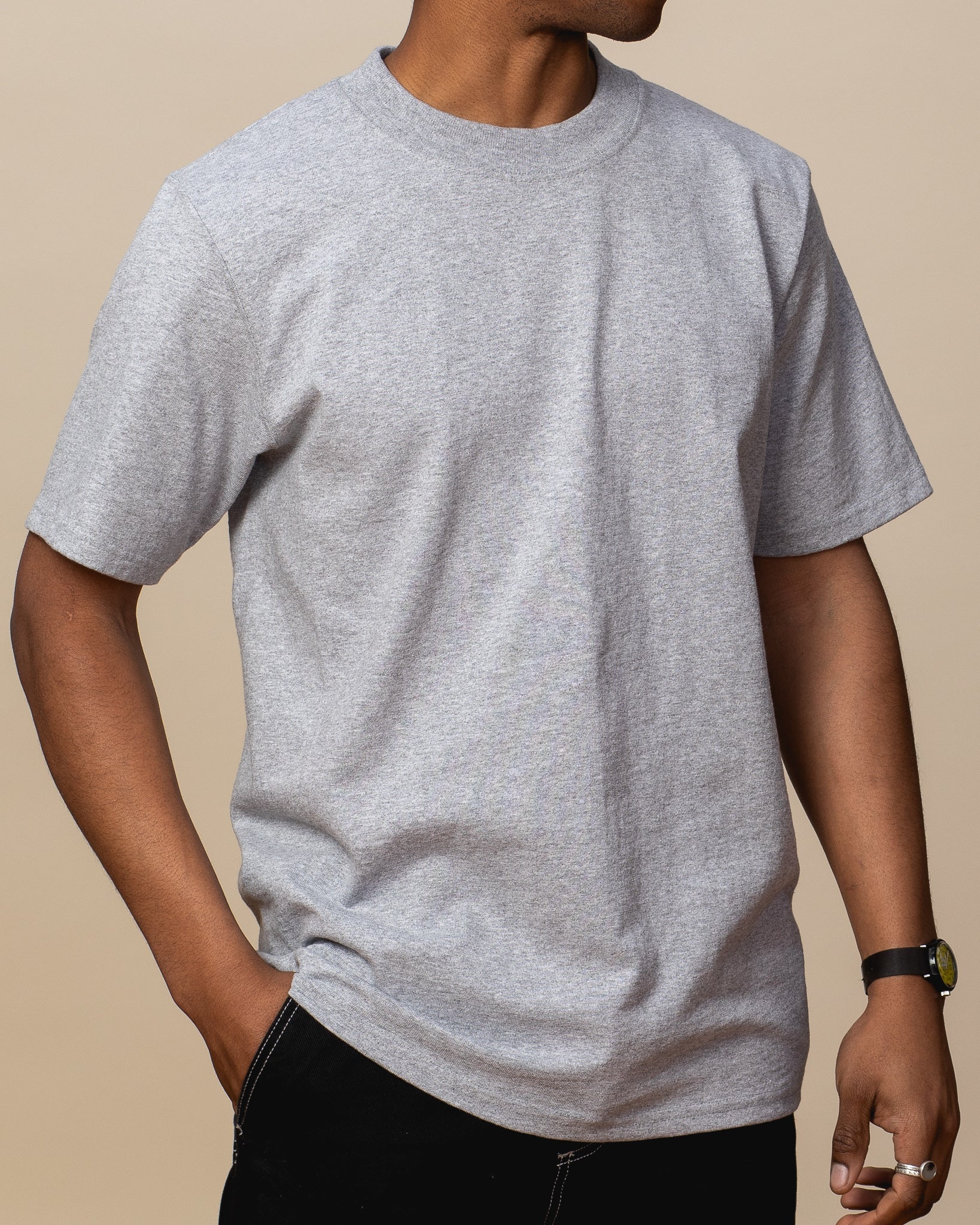
If you are between sizes, consider your fit preference (looser or tighter).
Credit: www.goodwear.com
Factors That Affect T Shirt Size
Choosing t shirt size isn’t just about numbers. Several factors affect how a shirt fits on your body:
1. Fabric Type
- Cotton: Shrinks after washing, especially if 100% cotton.
- Polyester blends: Less likely to shrink, often lighter and stretchier.
- Stretch fabrics: More forgiving, can fit a range of sizes.
Always read the product description for fabric details. If a shirt is “pre-shrunk,” it will change less after washing.
2. Fit Style
T shirts come in different fits:
- Regular fit: Classic, not too tight or loose.
- Slim fit: Closer to the body, sometimes shorter.
- Relaxed/oversized: Loose, often longer.
Decide what look you want. A slim fit in a medium may feel smaller than a regular fit in the same size.
3. Brand Differences
Some brands run small or large. Read reviews or look for notes like “fits small, order one size up. ”
4. Gender And Cut
Men’s, women’s, and unisex shirts have different cuts. Women’s shirts often have shorter sleeves, narrower shoulders, and a more fitted waist. Unisex shirts are usually closer to men’s sizing.
5. Country Of Origin
Asian sizes, for example, often run smaller than US or European sizes. Always check the chart, especially if ordering internationally.
6. Shrinkage And Washing
If you plan to machine-wash and dry your t shirt, buy slightly larger if it’s cotton, unless labeled “pre-shrunk. ”
7. Layering
If you’ll wear your t shirt under a jacket or over another shirt, consider sizing up for comfort.
8. Body Shape
If you have broad shoulders, a large chest, or a long torso, you may need to size up or choose a different fit.
Step-by-step Guide: How To Choose Your T Shirt Size
Here’s a simple process to follow each time you buy a t shirt:
- Take your body measurements (chest, shoulders, length).
- Check the brand’s size chart on the product page.
- Compare your measurements with the chart.
- Decide on fit style (regular, slim, relaxed).
- Read product details for fabric and fit notes.
- Check reviews for sizing tips.
- Consider shrinkage if buying cotton.
- Order two sizes if you’re unsure—keep the one that fits best.
- Try the shirt on as soon as it arrives, before removing tags.
- Test movement: Raise arms, bend, and move to check comfort.
Example
You measure a 39-inch chest. The chart says:
- Small: 34-36
- Medium: 38-40
- Large: 42-44
You prefer a slim fit, so you choose medium. If you like a looser fit, you might try large.
Credit: blog.bellacanvas.com
Common Mistakes When Choosing T Shirt Size
Even experienced shoppers sometimes make sizing mistakes. Here are some common errors and how to avoid them:
1. Ignoring Brand Size Charts
Every brand can be different. Never guess—always check the chart.
2. Not Measuring Yourself
Guessing or relying on old measurements leads to mistakes. Bodies change over time.
3. Overlooking Fabric Details
Forgetting about shrinkage or stretch can lead to disappointment after the first wash.
4. Not Reading Reviews
Customer reviews often mention if a shirt runs small or large. This feedback is very useful.
5. Focusing Only On Chest Size
You also need to check length and shoulder width, especially if you are tall or have broad shoulders.
6. Not Considering Personal Style
Some people like their shirts tight, others loose. Think about how you want the shirt to look.
7. Forgetting About Layering
If you’ll wear something under or over your t shirt, size accordingly.
8. Ignoring Gender Differences
Men’s and women’s shirts are cut differently. Make sure you buy the right style for your body.
9. Assuming All Shirts Fit The Same
Your favorite t shirt may fit differently from a new brand, even in the same size.
10. Not Trying On When Possible
If you can, try on shirts before buying. If ordering online, try them on as soon as they arrive—before washing or removing tags.
Special Considerations For Different Body Types
Everyone’s body is unique. Here’s how to choose t shirt size for common body types:
Broad Shoulders
Choose shirts with enough shoulder width. If shirts feel tight across your back, try sizing up or look for “athletic fit. ”
Long Torso
Check the length measurement. Some brands offer “tall” sizes, which are longer in the body.
Large Chest
Look for regular or relaxed fits. Slim fit may feel restrictive. Stretch fabrics can help with comfort.
Slim Build
Slim fit t shirts can look better, as regular fit may look baggy. Double-check sleeve and shoulder measurements.
Curvy Body
Women’s t shirts often have a more fitted waist. If you prefer a looser style, try unisex or men’s shirts.
Plus Size
Choose brands that offer extended sizes and check reviews for fit accuracy. Some brands have special lines for plus sizes.
T Shirt Size For Kids And Teens
Sizing for children and teens can be more complicated, as they grow quickly.
- Measure often: Kids’ sizes change quickly. Check measurements every few months.
- Size up for growth: It’s often smart to buy one size larger, especially for basics like t shirts.
- Check school or team requirements: Some groups have specific fit guidelines.
Online Shopping: How To Minimize Sizing Mistakes
Buying t shirts online saves time but increases the risk of sizing errors. Here’s how to shop smart:
- Read return and exchange policies before ordering.
- Choose stores with free returns when possible.
- Order two sizes if you’re unsure, then return one.
- Contact customer support for sizing advice if you’re between sizes.
- Look for photos of real customers (not just models) to see how shirts fit different body types.
- Keep notes on brands and sizes that fit you best for future shopping.
T Shirt Sizing For Groups And Events
If you’re ordering for a team, company, or event, getting everyone’s size right is a big challenge.
- Collect each person’s measurements rather than just asking for their usual size.
- Send a sizing chart so everyone can check before giving their size.
- Order extra shirts in common sizes (like medium or large) for swaps.
- Consider unisex sizing for group orders—it’s usually safer and more flexible.
Adapting Size For Different Shirt Styles
Different t shirt styles can fit differently, even in the same size.
Crew Neck Vs V Neck
Both are usually the same in size, but V necks can sometimes feel looser around the neck.
Long Sleeve Vs Short Sleeve
Long sleeve t shirts may have a slimmer cut. Always check sleeve length, especially if you have long arms.
Raglan Or Drop Shoulder
These styles have a different shoulder seam and can fit more loosely in the upper body.
Fashion T Shirts
Trendy or designer shirts sometimes run smaller as a style choice. Read the product description carefully.
How To Tell If A T Shirt Fits Well
Even after choosing your size, make sure the shirt actually fits your body.
- Shoulder seams: Should sit at the edge of your shoulders, not droop down your arm.
- Chest: Should be smooth, not pulling or stretching across your body.
- Length: Should cover your waistband, not ride up when you lift your arms.
- Sleeves: Should end around mid-bicep for short sleeves, not too tight or loose.
- Neck: Should not choke or sag.
Move around to check comfort. If something feels wrong, consider trying a different size or fit.
Caring For Your T Shirts To Keep Size
After finding the perfect size, you want to keep it fitting well.
- Follow care instructions: Wash in cold water and air dry to reduce shrinkage.
- Avoid high heat in the dryer, especially for cotton shirts.
- Fold or hang shirts to prevent stretching out of shape.
- Wash similar fabrics together for best results.
Well-cared-for t shirts hold their shape and size longer.
Sustainable Sizing Choices
Choosing the right size also helps the environment. Fewer returns mean less shipping and less waste. If you’re between sizes, consider donating shirts that don’t fit, instead of throwing them away.
Some brands now offer virtual try-on tools or detailed fit surveys to reduce returns and help customers find their best size the first time.
Useful Resources For Accurate Sizing
If you want more help, there are online guides, videos, and even smartphone apps that help you measure your body and compare sizes. For more details about clothing measurements, you can check this Wikipedia page on clothing sizes.
Frequently Asked Questions
How Do I Know If My T Shirt Is Too Small?
If the shoulder seams sit above your shoulders, the chest feels tight, or the fabric stretches across your stomach, your t shirt is likely too small. You should be able to move your arms freely and not see the material pulling.
Can I Shrink A T Shirt If It’s Too Big?
Cotton t shirts may shrink a little if washed in hot water and dried on high heat. However, results are not always predictable. Polyester and blends rarely shrink much. It’s better to choose the right size from the start.
What If My Chest And Waist Match Different Sizes On The Chart?
Always go with the larger measurement for comfort. You can have a tailor adjust the shirt if needed, but it’s easier to take in a shirt than to make it larger.
Are Unisex T Shirts The Same As Men’s Sizes?
Most unisex t shirts are sized like men’s shirts—slightly broader in the shoulders and longer. Women may need to size down for a similar fit, but always check the brand’s chart to be sure.
What Is The Best T Shirt Fit For Layering?
For layering, choose a regular fit—not too tight or loose. This allows you to wear the t shirt comfortably under jackets or sweaters without bulk.
Choosing the right t shirt size is a mix of measurement, fit style, and personal preference. With the steps and tips above, you’ll avoid common mistakes and enjoy t shirts that look and feel great, every time you wear them.
