

How to Choose Shirt Size: Expert Tips for the Perfect Fit
Choosing the right shirt size is more than just picking a label from a rack. A well-fitted shirt can boost your confidence, improve your comfort, and even shape the impression you leave on others. But the world of shirt sizes is full of confusing terms, different measurements, and varying systems across brands and countries.
If you have ever ordered a shirt online or tried on several in a store, only to find none fit quite right, you are not alone.
Understanding how to choose your correct shirt size means less time wasted, fewer returns, and a wardrobe that makes you look your best every day. Whether you are shopping for dress shirts, casual tees, or polos, this guide will help you get it right.
We will cover everything from key measurements to decoding size charts, common pitfalls, and even tips for special body shapes. By the end, you’ll feel confident navigating any shirt aisle or website.
Why Shirt Size Matters
The way a shirt fits is about more than style. A poor fit can restrict movement, look unprofessional, and even feel uncomfortable throughout the day. For many, shirts are a daily uniform—what you wear to work, events, or social gatherings. A well-fitting shirt supports your posture, makes you look sharper, and helps you move freely.
Choosing the wrong size often leads to issues like:
- Baggy fabric: Looks sloppy and can hide your shape.
- Tightness: Restricts movement and can highlight areas you might prefer to minimize.
- Sleeve problems: Too short or too long sleeves can feel odd and look unbalanced.
Wearing the right size also helps your shirts last longer. When seams are not under tension, fabric is less likely to tear, and collars keep their shape. In short, getting your size right saves money and hassle in the long run.
Understanding Shirt Size Systems
Before you start measuring, it's important to know that shirt sizing systems are not universal. Depending on where you shop, you might see different types of sizing.
Small, Medium, Large (s/m/l) Sizing
This is common for t-shirts, polos, and casual shirts. Here, sizes are grouped in broad categories—Small, Medium, Large, XL, and so on. These are easy to understand but can be less precise because each category covers a range of body types.
Numeric Sizing (neck/sleeve)
Dress shirts often use numbers, usually showing neck circumference and sleeve length. For example, “16/34” means a 16-inch neck and a 34-inch sleeve. This system is more precise and important for formal wear.
European And Asian Sizing
International brands might use systems like 38, 40, 42, etc. These numbers usually refer to chest size in centimeters but can vary. Asian sizes often run smaller compared to American or European sizes.
Brand Variations
A “Medium” in one brand might not match another. Always check the brand’s size chart and never assume your size is the same everywhere.
How To Measure Yourself For Shirts
Getting your measurements right is the foundation for choosing a shirt size that fits. You’ll need a soft measuring tape and a mirror or a friend to help.
Key Measurements For Shirt Sizing
- Neck: Wrap the tape around the base of your neck, where a collar would sit. Leave room for one finger under the tape for comfort.
- Chest: Measure around the widest part of your chest, keeping the tape level and relaxed.
- Waist: Measure around your natural waistline, just above your belly button.
- Shoulder Width: Start at the edge of one shoulder, run the tape across your back to the edge of the other shoulder.
- Sleeve Length: Start at the middle of your back, run the tape across your shoulder and down your arm to your wrist.
- Shirt Length: Measure from the top of your shoulder down to where you want the shirt to end.
Below is a simple reference for the most common shirt measurements:
| Measurement | Where to Measure | Tip |
|---|---|---|
| Neck | Base of neck, where collar sits | Insert one finger for comfort |
| Chest | Widest part, under armpits | Keep tape horizontal |
| Sleeve Length | Middle of back to wrist | Arm relaxed at side |
| Waist | Above belly button | Do not suck in stomach |
| Shoulder Width | Edge to edge, across back | Stand straight |
Practical Tips For Accurate Measurement
- Wear a thin t-shirt when measuring for the most accurate results.
- Stand naturally, don’t puff out your chest or suck in your stomach.
- If between sizes, it’s usually safer to choose the larger size for comfort, especially if you prefer a looser fit.
- Write down your measurements and keep them handy for shopping online or in stores.
Decoding Size Charts
Almost every reputable brand provides a size chart. This is your map to finding the right fit, but reading it correctly is key.
How To Use A Size Chart
- Compare your measurements with those listed for each size.
- Pay attention to all listed measurements, not just one. For example, your chest and neck might fit “Medium,” but your arm length may need a “Large.”
- If your measurements fall between sizes, consider how you like your shirts to fit—snug or loose.
Here’s an example of how a typical size chart might look for men’s dress shirts:
| Size | Neck (inches) | Chest (inches) | Sleeve (inches) |
|---|---|---|---|
| Small | 14-14.5 | 34-36 | 32-33 |
| Medium | 15-15.5 | 38-40 | 33-34 |
| Large | 16-16.5 | 42-44 | 34-35 |
| XL | 17-17.5 | 46-48 | 35-36 |
Women’s Shirt Sizing
Women’s shirts often use a different approach, with sizes like 2, 4, 6, or XS, S, M, L. The key measurements are typically bust, waist, and sometimes hip.
Here’s an example of a basic women’s shirt size chart:
| Size | Bust (inches) | Waist (inches) | Hip (inches) |
|---|---|---|---|
| Small | 34-35 | 26-27 | 36-37 |
| Medium | 36-37 | 28-29 | 38-39 |
| Large | 38-40 | 30-32 | 40-42 |
| XL | 41-43 | 33-35 | 43-45 |
Two Non-obvious Insights
- Some size charts use garment measurements, not body measurements. Always check if the chart shows the actual shirt size or the body size it’s designed to fit.
- Shrinkage can affect sizing. If the shirt is 100% cotton and not pre-shrunk, expect it to get smaller after the first wash. Consider this when choosing size, especially for fitted shirts.
Fit Types: Understanding Shirt Cuts
Even after you find your “size,” the fit type changes how the shirt sits on your body. Here are the most common fit types:
1. Slim Fit
- Tapered cut through chest, waist, and arms.
- Best for lean or athletic builds.
- Sits close to the body without excess fabric.
- Can feel restrictive if you have a wider torso or prefer comfort.
2. Regular Fit
- A more classic cut with room in the chest and waist.
- Comfortable and versatile.
- Good for most body shapes.
3. Relaxed Or Loose Fit
- Extra room in the chest, waist, and arms.
- Best for those who prefer comfort or have larger builds.
- Casual look, less formal.
4. Tailored Or Modern Fit
- Sits between slim and regular.
- Slightly tapered for a neat appearance.
- Flattering for many body types.
5. Athletic Or Muscle Fit
- Designed for people with a v-shaped body (broad shoulders, narrow waist).
- Extra room in the chest and shoulders, tapered waist.
Choosing the right fit type is just as important as the right size. For example, a “Large Slim Fit” will feel very different than a “Large Regular Fit.”
Common Shirt Fabrics And Their Impact On Sizing
Fabric type can affect how a shirt fits and feels.
- Cotton: Breathable, comfortable, but may shrink if not pre-shrunk.
- Polyester blends: Hold shape well, less likely to shrink, but can feel less breathable.
- Linen: Lightweight and great for hot weather, but wrinkles easily and can shrink.
- Stretch fabrics: Include a small percentage of elastane or spandex, making them more forgiving if you’re between sizes.
If you are between sizes, a fabric with a bit of stretch can offer a better fit and more comfort. Always check the care label for fabric composition.
How To Try On A Shirt For Best Fit
Trying on a shirt is not just about buttoning it up and looking in the mirror. Here’s how to check fit properly:
1. Shoulders
The shoulder seam should sit where your shoulder ends—not down your arm or riding up your neck.
2. Collar
You should be able to fit two fingers between your neck and the collar. Too tight means discomfort, too loose looks sloppy.
3. Chest And Body
Button the shirt fully. It should not pull or create gaps at the chest or stomach. If you see the fabric stretching, it’s too tight.
4. Sleeves
With arms at your side, the cuff should end where your palm meets your wrist. Too short looks awkward, too long can get in the way.
5. Length
Tuck the shirt in and lift your arms. If it comes untucked easily, it may be too short. For untucked shirts, the hem should cover your waistband but not much lower.
Pro tip: Move around—raise your arms, sit down, reach forward. Comfort is just as important as appearance.
How Shirt Sizes Vary By Country
Shirt sizing is not standardized globally. You may find US, UK, European, or Asian sizes when shopping online or in international stores. This can cause confusion and mistakes.
- US sizes: Often use inches and can run larger.
- European sizes: Usually use centimeters and are more fitted.
- Asian sizes: Typically run smaller. You may need to size up one or two sizes compared to US or European standards.
Always check the brand’s conversion chart. If shopping from international websites, look for detailed measurements rather than just S, M, or L.
Tips For Special Body Types
Every body is unique. Here are some common challenges and solutions:
Broad Shoulders, Slim Waist
Choose athletic fit shirts or look for stretch fabrics. If needed, buy to fit your shoulders and have the waist tailored.
Tall Or Short
Look for brands that offer tall or short sizes. These adjust sleeve and shirt length without changing width.
Larger Chest Or Belly
Regular or relaxed fits offer more room. Avoid slim fits, which can feel tight or ride up.
Long Arms
Find brands that sell shirts by exact sleeve length. Some offer “long” versions for each size.
Non-obvious insight: If you can’t find the perfect fit off-the-rack, buying a size up and having a tailor adjust the shirt can be cost-effective and result in a much better fit.
Online Shopping: Reducing The Risk
Buying shirts online is convenient, but you can’t try before you buy. To reduce returns and disappointments:
- Know your exact measurements before browsing.
- Read reviews for notes on sizing (runs small, large, or true to size).
- Check the return policy before purchasing.
- If between sizes, choose the larger—tailoring down is easier than letting out fabric.
- Use the brand’s customer support if you’re unsure. Many offer live chat or email sizing help.
Pro tip: When you find a brand and size that fits, write it down for future orders.
Shirt Size And Style: Matching To Occasion
The right shirt size can change based on the event or style you want.
- Formal events: Choose shirts that fit closely but comfortably, especially in the neck and sleeves. A loose dress shirt looks messy under a suit.
- Casual wear: You can go for a more relaxed fit.
- Layering: If you plan to wear a shirt under a sweater or jacket, ensure it’s not too tight for comfort.
How Washing And Care Affect Size
Shirts, especially those made from natural fibers like cotton or linen, can shrink after the first few washes. Some key points:
- Pre-shrunk shirts will change less, but may still shrink slightly.
- Hot water and high heat drying increase shrinkage.
- To keep your shirts fitting well, wash in cold water and air dry when possible.
Non-obvious insight: If you’re between sizes and the shirt is not pre-shrunk, always buy the larger size.
Mistakes People Make When Choosing Shirt Size
Avoid these common errors for the best fit:
- Guessing your size: Always measure yourself, don’t rely on old assumptions.
- Ignoring fit type: Size and cut are both important.
- Not checking fabric: Some fabrics stretch, others shrink.
- Skipping return policies: Essential for online shopping.
- Not considering shrinkage: Especially with natural fibers.
- Relying on vanity sizing: Some brands adjust sizes to flatter customers. Trust your measurements, not just the label.
- Buying for the ‘perfect’ fit off the rack: Minor tailoring can make a big difference.
Shirt Size And Body Changes
Bodies change due to weight gain, loss, or muscle development. It’s a good idea to measure yourself at least twice a year, especially if you notice your shirts fitting differently. Don’t be afraid to update your wardrobe as your body changes.

Credit: gossby.com
When To Get Custom Shirts
Sometimes, even with the best guides and effort, off-the-rack shirts just don’t fit right. If you have an uncommon body shape or want a perfect fit, consider custom shirts. Many online and local tailors offer made-to-measure shirts at reasonable prices. You provide your measurements, and they make a shirt to fit your exact body.
Custom shirts are especially useful if:
- Your chest and waist sizes are very different.
- You have very long or short arms.
- You want a specific style or fabric.
While more expensive, custom shirts can save time and frustration in the long run.
Shirt Size For Kids And Teens
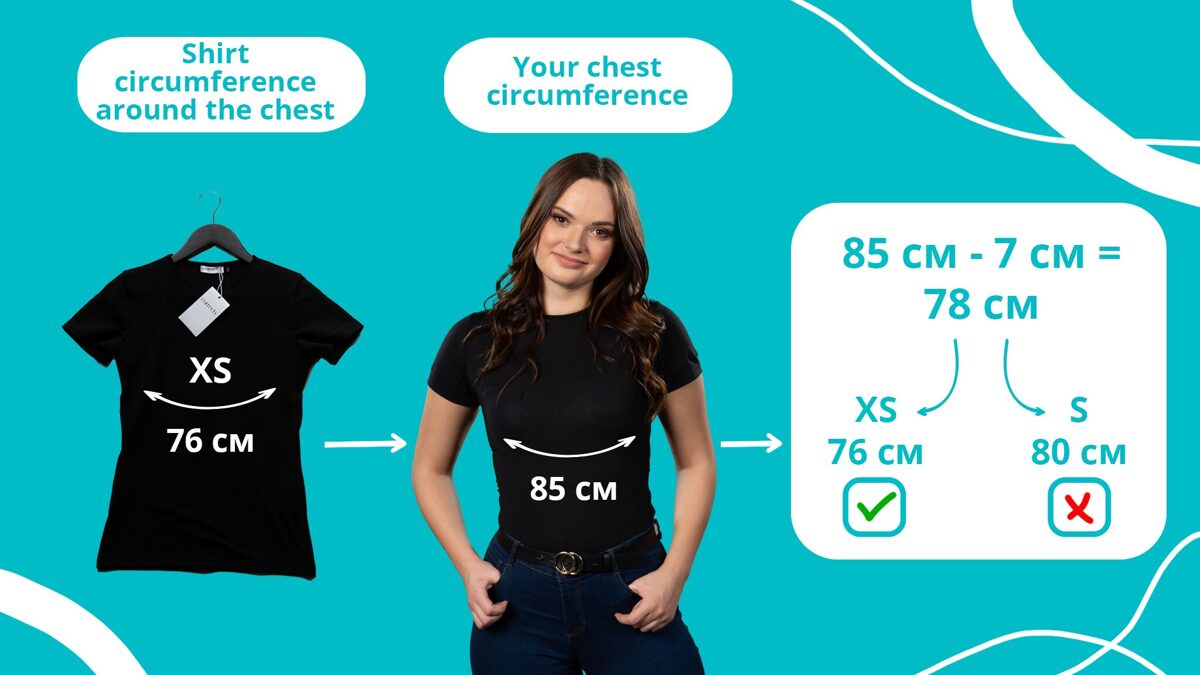
Children’s shirt sizes are often based on age, height, or weight, but these are only rough guides. Kids grow quickly, so buy with a little room to grow, but not so much that the shirt looks oversized.
- Always measure chest, waist, and height for the best fit.
- Check if the shirt allows for movement, especially for active kids.
- Adjustable features (like elastic or buttons on sleeves) can help a shirt last longer.
Credit: www.correcty.eu
Sustainable Shopping And Sizing
Choosing the right size also supports sustainability. When you buy shirts that fit well and last longer, you reduce waste from frequent replacements. Many eco-friendly brands focus on accurate sizing and offer detailed size guides to help you get it right.
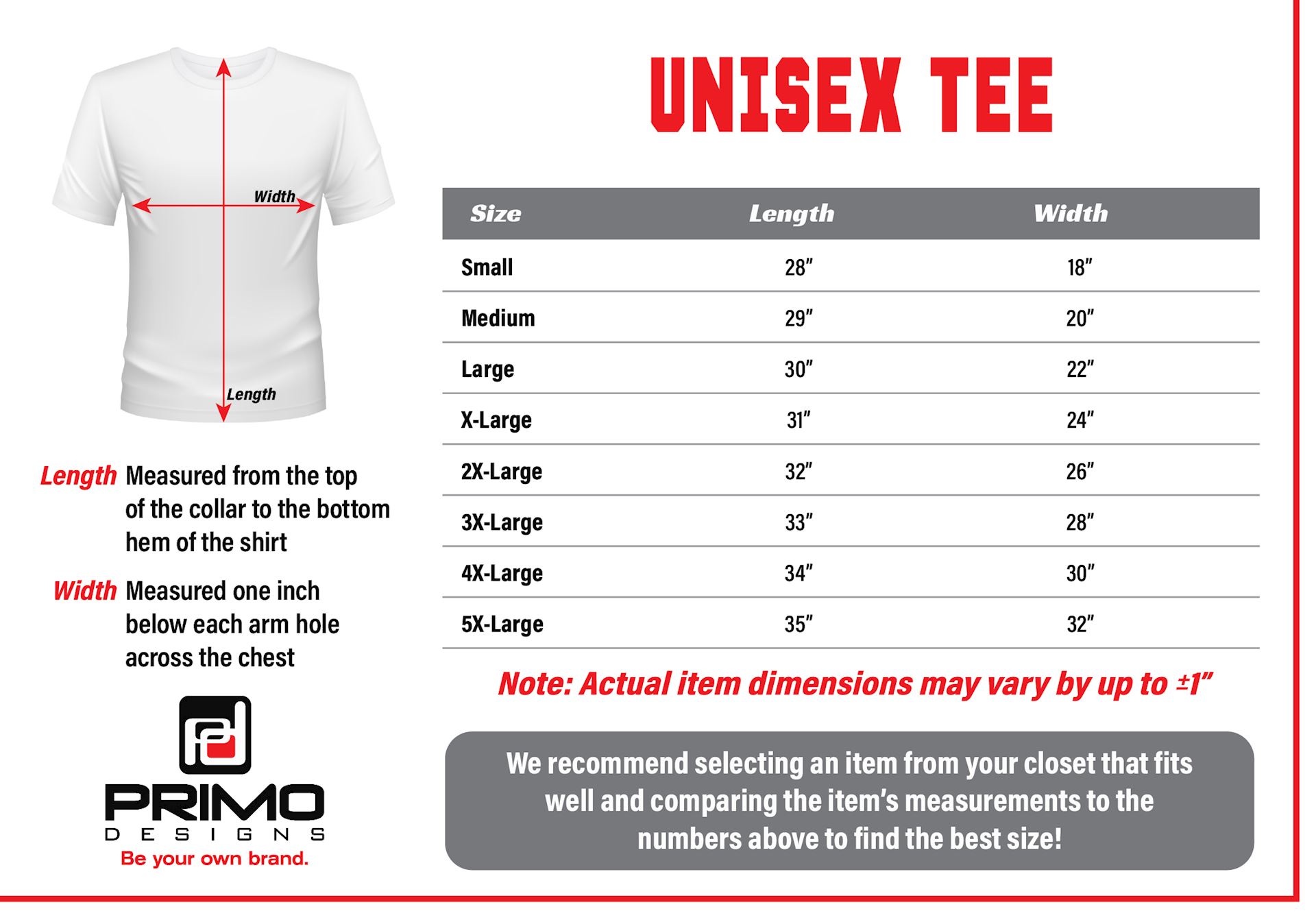
Adapting Shirt Size For Different Shirt Types
Not all shirts are meant to fit the same way. Here are a few examples:
- Dress shirts: Should fit closely, with neat lines and little excess fabric.
- Casual shirts: Can be more relaxed, but should still fit the shoulders and arms.
- T-shirts: Personal preference matters—some like a snug fit, others prefer loose.
- Polos: Should skim the body, not cling or hang off.
- Henleys and flannels: Often worn as layers, so a slightly relaxed fit is fine.
Always check the intended style in the product description, especially when shopping online.
Credit: www.primodesigns.net
When To Replace A Shirt
Even the best shirt does not last forever. Signs you need a new shirt include:
- Permanent stains or fading
- Torn seams or holes
- Collar or cuff fraying
- Excessive shrinkage after washing
A well-fitting shirt is only as good as its condition. Regularly check your shirts and replace as needed for a neat, confident look.
Sizing Resources And Where To Learn More
If you want more detail on size systems or measurements, the Wikipedia page on clothing sizes is a reliable resource. Many brands also offer video guides and live chat support to help with sizing questions.
Frequently Asked Questions
How Do I Measure My Neck Size For Shirts?
Wrap a soft measuring tape around the base of your neck, where a shirt collar would sit. Make sure the tape is snug but not tight. You should be able to fit one finger between the tape and your neck for comfort.
Why Do Shirt Sizes Vary Between Brands?
Brands use different size standards and target different body types. Some brands also adjust sizes for marketing (“vanity sizing”). Always check the specific brand's size chart and use your actual measurements, not just your usual size.
What Should I Do If My Measurements Fall Between Two Sizes?
If you prefer a relaxed or casual fit, choose the larger size. For a tailored or slim look, you may try the smaller, but be aware of comfort. If possible, try both or select the larger and have it tailored for a perfect fit.
How Can I Prevent My Shirts From Shrinking?
Wash shirts in cold water and air dry or use a low-heat dryer setting. Avoid hot water and high heat, especially with cotton and linen shirts. Check if the shirt is pre-shrunk on the label.
Is It Worth Getting Shirts Tailored?
Yes, tailoring can make a big difference in fit and appearance. If you find a shirt that fits well in most areas but is too loose or long in others, a tailor can adjust it for a custom fit, often at a reasonable price.
Choosing the right shirt size is a skill that pays off in both style and comfort. With accurate measurements and a clear understanding of fits, fabrics, and brands, you can shop with confidence and build a wardrobe that truly fits you.
