

How to Choose Gym Clothes for Maximum Comfort and Performance
How To Choose Gym Clothes
Stepping into a gym for the first time—or even after months of regular workouts—can feel like entering a new world. The weights, the machines, the sound of music, and the sight of people moving with purpose all add up. But there’s something many people overlook: what you wear. Gym clothes are more than just a fashion statement. They affect your comfort, performance, and even motivation. Picking the right gear can help you feel confident and ready to tackle your fitness goals.
But with so many choices, it’s easy to get lost. Should you wear cotton or synthetic fabrics? Tight or loose fits? Are expensive brands worth it? Let’s break down the most important things to know, so you can walk into your next workout feeling comfortable, supported, and focused.
Why Gym Clothes Matter
Many beginners think any T-shirt and shorts will do for a workout. In reality, the right gym clothes make a big difference in how you feel and perform. Here’s why:
- Comfort: The right fabric and fit prevent chafing, irritation, and restriction.
- Performance: Clothes designed for exercise wick away sweat and allow free movement.
- Safety: Supportive shoes and clothing reduce the risk of injury.
- Hygiene: Moisture-wicking and breathable fabrics help prevent odors and bacteria.
- Confidence: When you feel good in your clothes, you’re more likely to enjoy your workout.
A survey by the International Health, Racquet & Sportsclub Association found that 79% of regular gym-goers believe comfortable, stylish clothes boost motivation. This isn’t just about looking good—feeling prepared can set the tone for a productive session.
Key Factors When Choosing Gym Clothes
Before you shop, it’s important to know what really matters. Below are the top factors to consider, each explained with practical examples and tips.
1. Fabric: The Foundation Of Gym Wear
Not all fabrics perform the same during a workout. The choice you make here can decide whether you stay cool and dry or end up soaked and uncomfortable.
Moisture-wicking fabrics: These synthetic materials, like polyester, nylon, and spandex, pull sweat away from your skin and let it evaporate quickly. This helps regulate body temperature and keeps you feeling dry. For example, a polyester T-shirt is much better for a sweaty spin class than a cotton one.
Cotton: While soft and breathable, cotton absorbs sweat and dries slowly. This can make clothes feel heavy and clingy during intense workouts. However, cotton can be comfortable for light activities like stretching or walking.
Blends: Many gym clothes use a mix of fibers to combine benefits, such as stretch, breathability, and moisture control.
Specialty fabrics: Some brands add features like anti-odor technology or UV protection. These can be helpful if you exercise outside or want to minimize laundry odors.
Fabric Comparison Table
Here’s a quick look at how popular fabrics stack up for gym use:
| Fabric | Moisture-Wicking | Breathability | Quick-Drying | Odor Resistance | Best Use |
|---|---|---|---|---|---|
| Polyester | Excellent | Good | Excellent | Moderate | High-intensity workouts |
| Cotton | Poor | Excellent | Poor | Good | Low-intensity, casual |
| Nylon | Excellent | Good | Excellent | Good | Running, yoga, HIIT |
| Spandex | Good | Moderate | Good | Moderate | Stretch, flexibility |
| Merino Wool | Good | Excellent | Good | Excellent | Outdoor, cold weather |
Non-obvious insight: Many people skip merino wool, thinking it’s only for winter. But lightweight merino is soft, breathable, and naturally fights odor—even in summer.
2. Fit: How Clothes Should Feel
The fit of your gym clothes affects how you move, breathe, and even how confident you feel.
Loose or tight? There’s no one-size-fits-all answer. For activities like yoga or Pilates, fitted clothes help you see your form and prevent fabric from getting in the way. For running or weightlifting, a slightly looser fit can allow more movement and airflow.
Length matters: Shorts, leggings, and tops come in many lengths. If you do a lot of floor work, longer shorts or leggings protect your skin. For hot classes, shorter or sleeveless options can help keep you cool.
Support where needed: Women should look for sports bras with the right level of support for their activity—low, medium, or high impact. Men may want compression shorts for extra support during running or sports.
Check movement: Always try moving in the clothes before buying. Can you squat, stretch, or lift your arms comfortably? If not, keep looking.
Non-obvious insight: Clothes that are too tight can actually restrict blood flow and make exercise less effective. Look for a snug, but not squeezing, fit.
3. Breathability And Temperature Control
A hot, stuffy T-shirt makes any workout harder. Look for features like:
- Mesh panels: These increase airflow in sweaty areas (like underarms or back).
- Ventilation holes: Laser-cut or sewn-in vents help heat escape.
- Zippers or openings: Some jackets or tops have zips for adjustable cooling.
If you exercise outdoors, consider layering. Start with a moisture-wicking base, add a breathable top, and use a light jacket that’s easy to remove.
4. Durability: Gym Clothes That Last
Good gym clothes are an investment. You want them to survive dozens of washes and tough workouts without fading, stretching, or breaking.
- Reinforced seams: Double stitching helps prevent tears.
- Quality zippers and drawstrings: Cheap hardware can break quickly.
- Fade-resistant dyes: Bright colors that last through sweat and washing.
- Abrasion resistance: Especially important for floor exercises or weightlifting.
Example: Leggings with reinforced knees last much longer for people who do lots of mat work.
5. Odor Control And Hygiene
Sweat is normal, but odors and bacteria are not. Some gym clothes use antimicrobial treatments to prevent smell and germs. Merino wool, as mentioned, is naturally odor-resistant.
Quick tip: Even the best clothes need regular washing. Avoid leaving sweaty gear in your gym bag for hours, as bacteria grow quickly in damp fabrics.
6. Flexibility And Range Of Motion
If your clothes don’t move with you, your workout suffers. Look for:
- Four-way stretch: Fabric that stretches in all directions, not just up and down.
- Gussets and panels: Extra fabric in key areas (like underarms or crotch) helps with big movements.
- Raglan sleeves: These slanted seams allow more shoulder motion.
Practical example: Yoga pants with a gusseted crotch make splits and lunges easier and more comfortable.
7. Style And Personal Preference
While function is key, style matters too. When you like how you look, you’re more likely to stay consistent with your workouts.
- Color: Dark colors hide sweat better, while bright colors add energy.
- Patterns: Can help camouflage sweat marks or simply express your personality.
- Branding: Some prefer well-known brands, while others find small or local brands fit better.
Don’t let trends override comfort. Try different styles until you find what suits your body and taste.
8. Price Vs. Value: Is Expensive Always Better?
Gym clothes come in a huge range of prices. A $10 shirt and a $60 shirt can look similar, but there are real differences to consider.
What are you paying for?
- Better fabrics: More durable, flexible, and moisture-wicking materials.
- Design details: Like flat seams (to avoid chafing) or pockets in the right places.
- Brand reputation: Sometimes you pay for the logo, but top brands often invest in better testing and design.
When to splurge: Shoes, sports bras, and core pieces you’ll wear often.
When to save: Trendy tops or prints you’ll wear only occasionally.
Price And Value Comparison
Here’s a look at what you get at different price levels:
| Price Range | Typical Features | Longevity | Best For |
|---|---|---|---|
| $10–$25 | Basic fits, standard fabrics, fewer features | 3–6 months | Beginners, occasional use |
| $25–$60 | Moisture-wicking, better fit, some tech features | 6–18 months | Regular gym-goers |
| $60+ | Advanced fabrics, ergonomic design, premium finishes | 18–36 months | Daily users, athletes |
Non-obvious insight: Expensive does not always mean better for everyone. Some mid-range brands offer almost the same quality as luxury brands, but with fewer style options.
9. Climate And Season
Your local weather should influence your gym wardrobe:
- Hot, humid areas: Lightweight, breathable, and light-colored clothes.
- Cold climates: Layering is key—start with moisture-wicking base layers, add insulation, and top with wind or rain protection.
- Outdoor workouts: UV-protective fabrics and hats help prevent sun damage.
10. Special Considerations
Some people have unique needs when choosing gym clothes:
- Sensitive skin: Look for soft, seamless fabrics and avoid harsh chemicals or dyes.
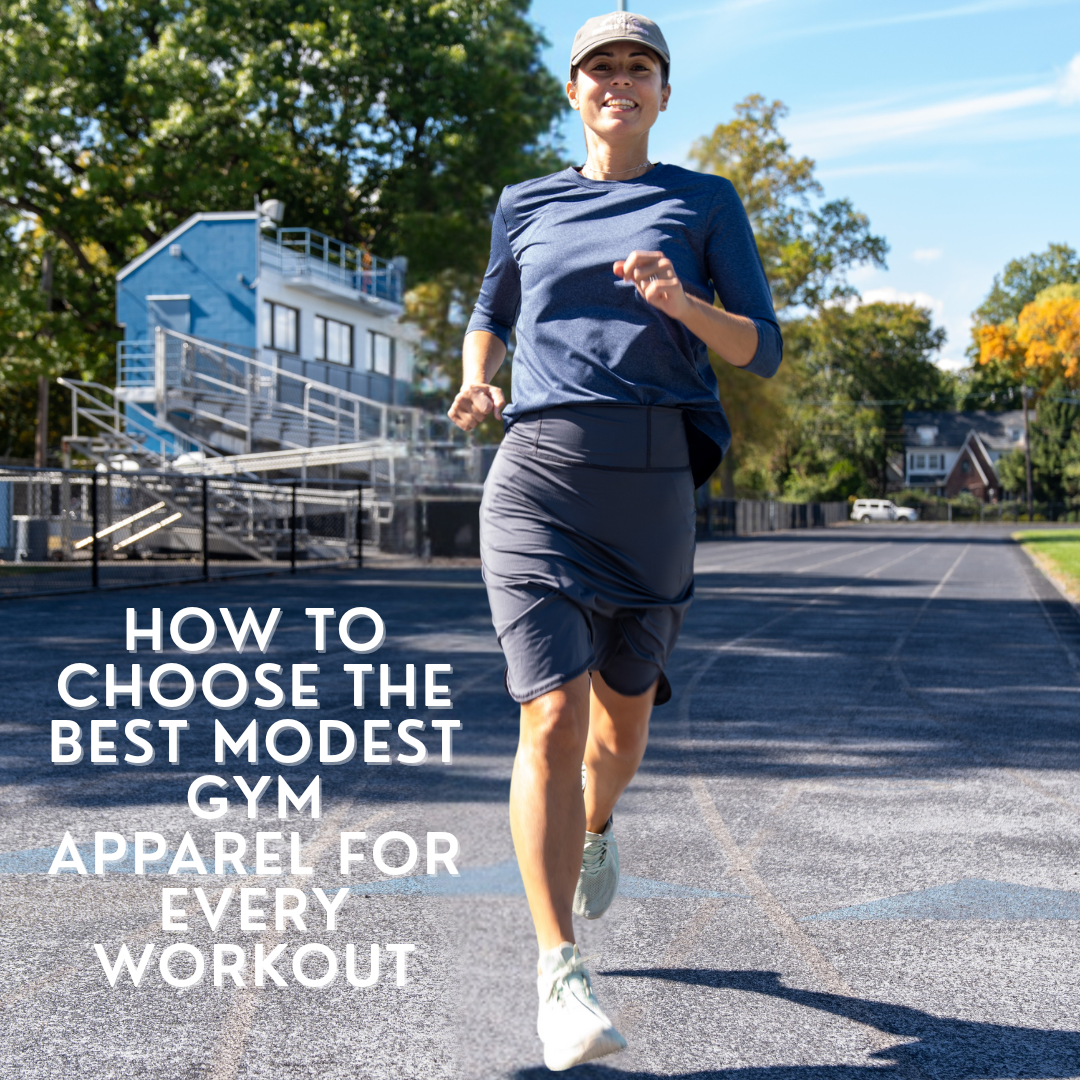
- Religious or cultural needs: Some brands offer modest workout wear, such as long-sleeve tops or hijab-friendly designs.
- Adaptive clothing: For people with disabilities or injuries, brands now offer accessible gym clothes with easy openings or extra support.
Choosing Gym Shoes: The Unsung Hero
While many focus on tops and leggings, shoes are just as important. The wrong pair can lead to pain, injury, or poor performance.
What To Look For
- Activity-specific design: Running shoes have more cushioning and a flexible sole, while cross-trainers are stable for lateral movements.
- Fit: There should be about a thumb’s width of space at the toe. Shoes should hug the heel without slipping.
- Arch support: People with flat feet or high arches need shoes that match their foot shape.
- Breathability: Mesh uppers keep feet cool and dry.
A study by the American Orthopaedic Foot & Ankle Society found that proper footwear reduces injury risk by up to 39%. Don’t wear worn-out shoes; most last about 300–500 miles or 6–12 months of regular use.
Shoe Comparison Table
Here’s how different gym shoes compare:
| Shoe Type | Best For | Cushioning | Support | Flexibility |
|---|---|---|---|---|
| Running Shoes | Treadmill, outdoor running | High | Moderate | High |
| Cross-Trainers | HIIT, weight training | Moderate | High | Moderate |
| Weightlifting Shoes | Squats, deadlifts | Low | Maximum | Low |
| Minimalist Shoes | Natural movement, some classes | Low | Low | High |
Non-obvious insight: Many people use running shoes for all gym activities, but this can cause ankle instability during lateral moves. Cross-trainers are a safer bet for mixed workouts.
The Importance Of Sports Bras And Support Gear
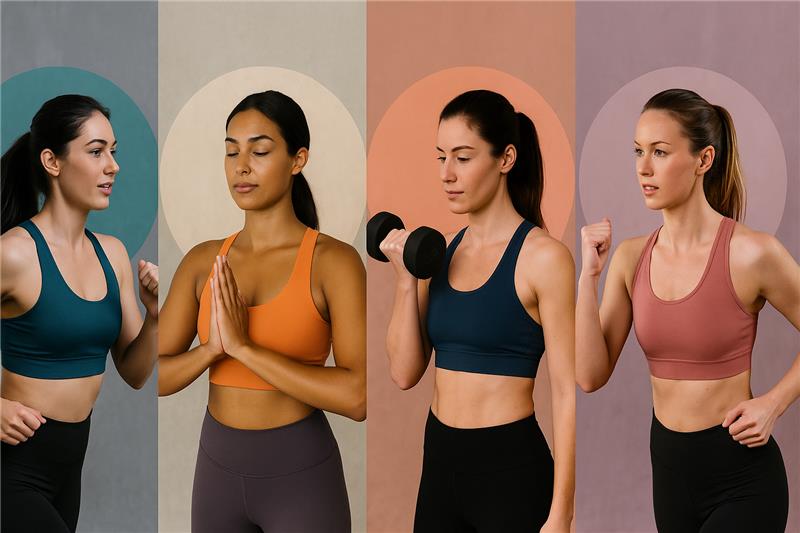
For women, a well-fitted sports bra is as essential as shoes. The right bra reduces movement, prevents pain, and protects breast tissue.
Choosing The Right Sports Bra
- Support level: High-impact for running or HIIT, medium for cycling, low for yoga.
- Straps: Wider straps provide better support; racerback styles reduce bouncing.
- Band: Should fit snugly without digging in.
- Fabric: Moisture-wicking and breathable.
Statistics show that 80% of women wear the wrong bra size. Take the time to measure or get fitted at a store.
Other support gear: Compression shorts, knee sleeves, and ankle braces can help people with previous injuries or joint pain.
Layering For Versatility
Weather changes, indoor/outdoor workouts, and personal comfort mean you may need to adjust your outfit as you go.
- Base layer: Wicks sweat away from skin.
- Mid layer: Adds warmth (like a fleece or sweatshirt).
- Outer layer: Shields from wind or rain (light jackets or vests).
Layering lets you adjust on the fly, so you’re never too hot or cold.
Non-obvious insight: Avoid cotton as a base layer; it traps moisture close to your skin, making you colder once you stop moving.
Accessories To Consider
Small extras can make a big difference:
- Headbands or wristbands: Keep sweat out of eyes and off hands.
- Gloves: Protect hands during lifting and improve grip.
- Socks: Look for moisture-wicking, seamless designs to prevent blisters.
- Gym bags: Ventilated bags keep clothes fresh and separate from shoes.
Credit: transcendentactive.com
Sustainability And Eco-friendly Choices
Eco-conscious choices are growing in popularity. Many brands now use recycled plastics, organic cotton, or sustainable dyes.
- Look for certifications: Such as Bluesign or OEKO-TEX.
- Durability matters: Long-lasting clothes are more sustainable than cheap items that wear out quickly.
- Repair, don’t replace: Some companies offer repair services for minor damage.
For more about sustainable activewear, check out this helpful guide from CleverHiker.
Common Mistakes To Avoid
Even experienced gym-goers sometimes make these errors:
- Wearing old, worn-out shoes: This increases injury risk.
- Choosing fashion over function: Trendy items may not support your workout needs.
- Ignoring proper fit: Too tight or too loose affects performance.
- Skipping a test run: Always move around in new clothes before buying.
- Neglecting care instructions: Washing at the wrong temperature can ruin technical fabrics.
Credit: zve.gca.mybluehost.me
Non-obvious Tips For Gym Clothes Success
- Rotate your gear: Having 2–3 sets prevents overuse and gives time for proper washing and drying.
- Check for transparency: Some leggings or shorts become see-through when stretched. Test in good light before buying.
- Look for hidden pockets: These are great for keys or cards, especially if you run or cycle.
- Buy for your activity: Yoga pants aren’t always great for running, and vice versa.
- Read reviews: Other users often mention problems like pilling, fading, or poor fit.
Frequently Asked Questions
Credit: softskinlingerie.com
What Should I Wear For My First Gym Session?
Start with simple, comfortable clothes. A moisture-wicking T-shirt, supportive sports bra (for women), athletic shorts or leggings, and good gym shoes are enough. Avoid jeans or baggy clothes that can get caught on machines. Bring a light jacket if your gym is cool.
How Often Should I Replace My Gym Clothes?
Replace gym clothes when they lose shape, stretch out, or develop odors that don’t wash out. Shoes should be replaced every 6–12 months, depending on use. Sports bras last about 6–12 months, while most tops and leggings last 1–2 years with proper care.
Are Expensive Brands Worth The Price?
Not always. Higher prices can mean better materials and durability, but many mid-range brands offer good performance at lower costs. Try different brands and read reviews. Focus on fit and fabric, not just the logo.
Can I Use Regular Clothes For The Gym?
You can, but you may feel less comfortable. Regular clothes don’t wick sweat or stretch as well. For light activity, cotton T-shirts are fine, but for high-intensity or long workouts, gym-specific clothes are best.
How Do I Prevent My Gym Clothes From Smelling Bad?
Wash gym clothes soon after each workout. Avoid leaving them in a closed bag. Use a laundry detergent for sportswear, and don’t use too much fabric softener (it can trap odors). Dry clothes fully before wearing again.
Making the right choices in gym clothes doesn’t have to be complicated. Focus on comfort, fit, and the needs of your activity. With a little attention to detail, you’ll set yourself up for a more enjoyable and successful workout experience—one where your clothes work just as hard as you do.
