

How to Choose Gym Clothes: Expert Tips for Maximum Comfort
Choosing the right gym clothes might seem simple, but it can make a big difference in how you feel and perform during your workout. When you wear the right clothes, you feel more comfortable, confident, and ready to move. But with so many options, styles, and materials, it’s easy to get confused.
Some people buy gym clothes just because they look trendy, but later realize they are too tight, too loose, or just not right for their activities.
I’ve seen many beginners make small mistakes that reduce their workout enjoyment. For example, picking a cotton T-shirt and ending up soaked in sweat, or wearing shoes with no support and feeling foot pain after a few weeks. The right gym clothes help you stay cool, dry, and safe.
They don’t have to be expensive, but they must match your needs.
In this guide, you’ll learn how to choose gym clothes that work for your body, your workout style, and your goals. You’ll also discover practical tips on what to avoid, how to compare materials, and how to keep your clothes lasting longer.
Let’s help you build a gym wardrobe that makes you feel good every time you exercise.
Understanding Your Workout Needs
Before you buy any gym clothes, think about what types of workouts you do most often. Different activities require different types of clothing. For example, running outside in cold weather needs other clothes than a yoga class indoors.
Cardio workouts like running, cycling, or HIIT classes make you sweat a lot. You need clothes that dry quickly and move with your body. Weightlifting needs stretchy clothes that don’t get in the way and allow you to bend and lift. For yoga or Pilates, clothes should be soft, flexible, and not too loose. Team sports, like basketball or soccer, need durable clothes that can handle contact.
Also, consider your workout environment. If you go to an air-conditioned gym, you may need a light jacket or hoodie for warming up. If you exercise outdoors, you’ll need to think about the weather—hot, cold, or rainy.
Many beginners buy “one style fits all” gym clothes and find them uncomfortable for certain workouts. Instead, choose clothes that match your main activities. For example, someone who mainly does yoga can focus on stretchy leggings and fitted tops, while a runner should look for sweat-wicking shirts and shorts.
Choosing The Right Materials
The material of your gym clothes is one of the most important factors. It affects your comfort, how much you sweat, and even your risk of skin problems.
Cotton Vs. Synthetic Fabrics
Cotton is soft and comfortable, but it absorbs sweat and dries slowly. If you sweat a lot, cotton can become heavy and stick to your skin. This can cause chafing and make you feel cold after your workout.
Synthetic fabrics like polyester, nylon, and spandex are better for most workouts. They pull sweat away from your skin, helping you stay dry. Many athletic brands use special blends that dry very quickly and feel light.
Here's a simple comparison:
| Fabric | Pros | Cons |
|---|---|---|
| Cotton | Soft, comfortable, natural | Absorbs sweat, dries slowly, can chafe |
| Polyester | Dries quickly, lightweight, durable | Can hold odors, not as soft as cotton |
| Spandex | Very stretchy, fits body well | Not as breathable alone, often blended |
| Nylon | Strong, smooth, quick-drying | Can pill over time, less soft than cotton |
Moisture-wicking Technology
Look for moisture-wicking or quick-dry labels. These clothes use special technology to move sweat away from your body. This keeps you cool, helps avoid rashes, and prevents the heavy, sticky feeling. Moisture-wicking is especially important for high-intensity or outdoor workouts.
Breathability And Ventilation
Choose clothes with mesh panels or “breathable” fabrics, especially for hot weather or intense training. Breathable clothes let heat escape and fresh air come in, keeping you from overheating.
Anti-odor Properties
Some materials have anti-odor technology. They use silver ions or special coatings that stop bacteria from growing, so your clothes smell fresh even after sweaty workouts. This feature can be a good investment if you train often or have long gym sessions.

Credit: livefit.com
Fit And Comfort
A great gym outfit should feel like a second skin—never too tight, never too loose. Fit and comfort are personal, but some general rules apply.
How To Find The Right Fit
- For cardio or running, choose clothes that are close to your body but allow free movement. Baggy clothes can get in the way.
- For weight training, fitted clothes help you see your form in the mirror and avoid snags on equipment.
- For yoga, stretchy and snug clothes prevent your top from falling over your head in downward dog!
Try Before You Buy
Whenever possible, try on gym clothes before buying. Bend, squat, and lift your arms. If anything feels tight, itchy, or rides up, try another size or style.
Sizing Differences
Different brands have different sizing. A “medium” in one brand might be a “large” in another. Always check the brand’s sizing chart, and don’t worry about the number or letter—focus on how it feels.
Avoid Common Fit Mistakes
- Don’t buy clothes that are too small hoping they’ll stretch. This causes discomfort and wears out the fabric faster.
- Very loose clothes can catch on equipment or distract you during movement.
- Pay attention to seams, tags, or elastic bands—they should not dig into your skin.
Key Pieces For Your Gym Wardrobe
Building a gym wardrobe is not about buying everything at once. Start with a few basics and add more as you learn what you like.
Workout Tops
Choose tops that match your activity. For women, a sports bra is essential for support. For men, a moisture-wicking T-shirt or tank top works well. Some people like sleeveless tops for arm movement; others prefer short sleeves for more coverage.
Bottoms: Shorts, Leggings, And Pants
- Shorts: Best for running and hot gyms. Look for shorts with built-in liners for extra comfort.
- Leggings/Tights: Great for yoga, stretching, or cooler weather. Choose high-waisted for more support.
- Pants/Joggers: Useful for warm-ups or outdoor winter training.
Make sure bottoms don’t slide down or restrict movement.
Sports Bras
A sports bra is not just for comfort—it protects breast tissue from damage during jumping or running. Choose one with enough support for your activity. High-impact sports need firmer bras; yoga or pilates can use lighter support.
Socks
Don’t ignore socks! Athletic socks should be breathable and have cushioning. Look for materials that wick sweat and avoid cotton, which stays wet.
Shoes
Shoes are the most important piece for many workouts. Running shoes are different from weightlifting shoes or cross-trainers. Always match your shoes to your main activity.
Here’s a quick comparison:
| Shoe Type | Main Use | Key Features |
|---|---|---|
| Running Shoes | Running, walking, cardio | Shock absorption, flexible, lightweight |
| Cross-Trainers | Gym, HIIT, classes | Side support, stable, versatile |
| Weightlifting Shoes | Lifting, squats, deadlifts | Flat sole, solid base, heel support |
Layers And Outerwear
If you train outdoors or live in a cool area, layer your gym clothes. Wear a light jacket or hoodie to warm up, then remove it as you get hot. Choose layers that are easy to take off and put on.
Accessories
Don’t forget small items: a headband or hat to keep sweat out of your eyes, gloves for lifting weights, or a gym bag for carrying your gear. Some people use wristbands or sleeves for added support.
Style, Color, And Personal Expression
Gym clothes are not just about function—they also help you express yourself. The right colors and styles can boost your confidence and motivation.
Color Choices
Some people like bright colors for energy, others prefer simple black or gray. Light colors show sweat more easily, while dark colors hide it. Choose what makes you feel good, but also consider the gym’s dress code if there is one.
Patterns And Details
Patterns can be fun, but make sure they don’t distract you. Reflective strips are useful for outdoor workouts at night. Zippered pockets keep your keys or phone safe during a run.
Mix And Match
Buy basics in neutral colors, then add a few bold pieces. That way, you can mix and match for variety without needing a huge wardrobe.
Confidence Matters
The best gym clothes are the ones that make you feel ready to move. If you feel good in your outfit, you’re more likely to stick with your fitness routine.
Special Considerations For Different Body Types
Gym clothes should suit your body, not just the latest trend. Everyone is different, and what looks good on a model may not feel right for you.
For Curvy Or Plus-size Bodies
Choose clothes with enough stretch and good coverage. High-waisted leggings and longer tops can help you feel supported. Look for brands that offer sizes and cuts for all shapes.
For Tall Or Petite Bodies
Tall people may need longer leggings or tops with extra length. Petite people should check for “short” or “petite” sizing to avoid bunching fabric. Don’t settle for clothes that don’t fit—many brands now offer more options.
For Men: Chest, Shoulders, And Legs
Men with broad shoulders or muscular legs may need to size up in some brands. Try different cuts—“athletic fit” or “slim fit”—to see what feels best.
Adaptive Clothing
If you have a disability or special needs, look for adaptive gym clothes. Some brands offer easy-on zippers, magnetic closures, or sensory-friendly fabrics.
Weather And Seasonal Adjustments
Your gym clothes may change with the seasons, especially if you train outside.
Hot Weather
- Choose light, breathable fabrics.
- Wear loose shorts and sleeveless tops.
- Protect your skin with a hat and sunscreen if training outdoors.
Cold Weather
- Layer your clothes—start with a moisture-wicking base layer, add an insulating layer, and finish with a windproof jacket.
- Wear gloves and a hat to keep warm.
- Avoid cotton, which stays wet and makes you cold.
Rainy Or Humid Weather
- Wear water-resistant outer layers if running outside.
- Choose synthetic fabrics that dry quickly.
Durability And Care
Good gym clothes are an investment. Taking care of them helps them last longer and perform better.
How To Wash Gym Clothes
- Wash in cold water to prevent shrinking and color fading.
- Avoid fabric softeners—they can block the fabric’s breathability.
- Turn clothes inside out to protect prints and logos.
- Hang dry or use a low-heat setting in the dryer.
When To Replace
Replace gym clothes when they:
- Lose their shape
- Start to smell even after washing
- Get holes or weak spots
- Lose their stretch
Common Mistakes In Care
Many people damage their gym clothes by washing them with towels or using too much detergent. Both can reduce the fabric’s performance. Wash gym clothes separately and use the right amount of detergent.
Sustainable And Ethical Choices
Today, you have more choices for eco-friendly gym clothes. Some brands use recycled materials like plastic bottles or old fishing nets. Others use organic cotton or bamboo, which is softer and better for the environment.
If you care about animal welfare or fair labor, look for brands that explain their sourcing and production. Many companies now offer vegan gym shoes and cruelty-free materials.
Buying fewer, better-quality clothes is also sustainable. You save money and reduce waste in the long run.
Budgeting And Smart Shopping
You don’t need to spend a lot to get good gym clothes. Price doesn’t always equal quality. Here’s how to shop smart:
Set Priorities
Spend more on items that matter most, like shoes and sports bras. Save on basics like T-shirts or shorts.
Look For Multi-use Items
Some gym clothes work for both exercise and casual wear. For example, black leggings or a simple jacket can double as everyday clothes.
Shop Sales And Clearance
Many brands offer discounts at the end of seasons. Buy off-season for big savings. Just make sure you’re not buying something only because it’s cheap—fit and function are still most important.
Test New Brands Slowly
Don’t buy a full set from a new brand right away. Try one or two pieces first. If you like them, buy more later.
Compare Options
Online reviews and comparison tables can help you see what’s best for your needs. Here’s a simple example:
| Item | Budget Option | Premium Option |
|---|---|---|
| Leggings | Basic polyester blend | Moisture-wicking, compression, pockets |
| Sports Bra | Simple elastic, no padding | Adjustable straps, molded cups, anti-odor |
| Running Shoes | Standard cushioning | Advanced shock absorption, lightweight mesh |
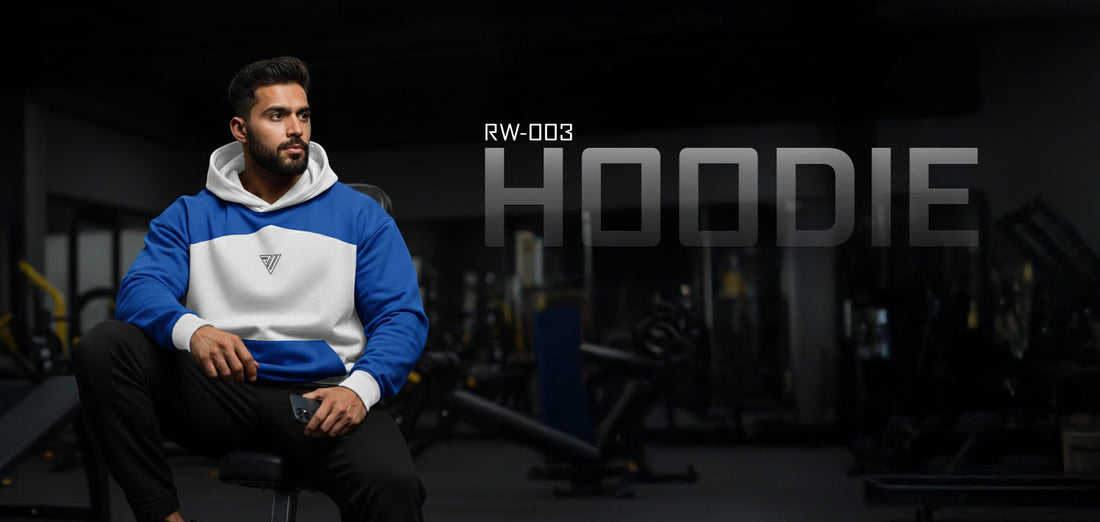
Credit: proultimatesports.com
Common Mistakes When Choosing Gym Clothes
Many beginners make simple mistakes when building their gym wardrobe. Avoid these to save money and stay comfortable.
1. Choosing Style Over Function
It’s easy to pick trendy clothes, but they may not work for your workout. Always test for comfort and fit first.
2. Ignoring Material Labels
Not all “sportswear” is made for sweat. Read labels to find moisture-wicking or performance fabrics.
3. Buying The Wrong Shoes
Wearing running shoes for weightlifting, or vice versa, can cause injuries. Match shoes to your activity.
4. Forgetting About Support
Women sometimes skip a good sports bra; men may overlook the need for compression shorts or supportive socks.
5. Buying One Size For All
Don’t assume your size is the same across brands or styles. Always check fit and return policies.
6. Not Considering Weather
Wearing summer clothes in winter, or thick layers in hot weather, can make workouts miserable.
7. Skipping Accessories
Small things like sweatbands, gloves, or the right socks can make a big difference in comfort.
8. Not Washing Properly
Improper care makes clothes smell and wear out faster.
Practical Tips For Choosing Gym Clothes
- Try on clothes and move around before buying.
- Check for chafing, pinching, or riding up.
- Buy clothes with pockets if you need to carry small items.
- Pick a few high-quality basics over many cheap items.
- Ask friends or trainers for brand recommendations.
- Don’t be afraid to mix brands to find your perfect outfit.
Real Examples And Insights
Here are two things most beginners miss:
- Seam Placement:
Many athletic clothes have flat seams or “no-chafe” seams, which prevent rubbing during running or cycling. If you have sensitive skin, look for these.
- Stretch Recovery:
After washing, good gym clothes return to their original shape. Poor-quality leggings or shirts may get baggy or twisted. This affects comfort and how long your clothes last.
Another tip: If you do both indoor and outdoor workouts, keep separate clothes for each. Outdoor clothes may get dirty or damaged faster.
When To Upgrade Your Gym Wardrobe
As you progress in your fitness journey, your needs may change. Here are signs it’s time to upgrade:
- You started a new type of workout (like CrossFit, yoga, or running).
- Your old clothes are worn out or don’t fit well anymore.
- You need more support, like compression gear or a better sports bra.
- You want to feel more confident and motivated.
Credit: chinafitnessclothing.com
Where To Learn More
For detailed guides on gym clothes technology and reviews, check reliable sources like REI Expert Advice.
Frequently Asked Questions
What Are The Best Materials For Gym Clothes?
The best materials are polyester, nylon, and spandex blends. They wick sweat, dry quickly, and stretch with your body. Avoid pure cotton for sweaty workouts, as it absorbs moisture and stays wet.
How Often Should I Replace My Gym Clothes?
Replace gym clothes when they lose shape, stretch out, or smell even after washing. Shoes usually last about 300-500 miles of use, but leggings, bras, and tops can last longer if cared for properly.
Is It Okay To Wear Regular Clothes For The Gym?
Regular clothes are usually not designed for exercise. They may not stretch or wick sweat, making you uncomfortable. For short, light workouts, it’s fine, but for regular training, invest in gym-specific clothes.
Do I Need Different Shoes For Different Workouts?
Yes, different workouts need different shoes. Running shoes are made for forward movement and cushioning. Cross-trainers are more stable for side-to-side movement. Weightlifting shoes have a flat, firm base for lifting safely.
How Do I Care For My Gym Clothes To Make Them Last?
Wash gym clothes in cold water, avoid fabric softeners, and hang dry when possible. Turn clothes inside out and use mild detergent. This keeps fabrics breathable and prevents odor build-up.
Choosing the right gym clothes is an investment in your health, comfort, and motivation. Take time to find what works for you, and your workouts will be better, safer, and more enjoyable.
