

How to Business Casual Men: Master the Modern Dress Code
Business casual for men is more than just a dress code. It’s a way to show respect, confidence, and professionalism without wearing a full suit. Many men struggle to find the right balance between formal and relaxed, especially when rules change from office to office.
If you get business casual right, you look sharp and approachable. If you get it wrong, you may appear sloppy or overdressed. This guide will help you master business casual for men—what it means, how to build your wardrobe, and how to adapt for different situations.
You’ll learn not just what to wear, but how to wear it well. You’ll also discover how details like fit, fabric, and accessories impact your overall appearance, and how to stay comfortable while looking professional.
What Does Business Casual Mean For Men?
Business casual is a mix of professional and comfortable clothing. It’s less strict than formal business wear, but more polished than casual wear. You can show personality, but you must still look ready for work.
Key elements include:
- Collared shirts (not T-shirts)
- Trousers or chinos (not jeans or shorts)
- Dress shoes or smart loafers (not sneakers or sandals)
- Optional layers like sweaters, vests, or blazers
Business casual can look different depending on the company, region, and industry. In some tech companies, a polo and chinos may be enough. In law or finance, you might need a blazer and leather shoes.
Non-obvious insight: One mistake beginners make is thinking business casual allows any casual item. Actually, each piece needs to look clean, tailored, and work-appropriate.
Even within one company, business casual may shift depending on the department or occasion. For example, marketing teams may dress more creatively, while finance teams stick to classic combinations. The most important thing is to look tidy, purposeful, and ready for both daily tasks and unexpected meetings.
Essential Pieces For A Business Casual Wardrobe
Building a strong business casual wardrobe takes planning. You need versatile pieces that mix and match easily.
| Item | Why It Matters | Best Colors |
|---|---|---|
| Dress shirts | Foundation of most outfits | White, light blue, gray |
| Chinos | More relaxed than dress pants | Khaki, navy, olive |
| Polo shirts | Smart-casual alternative | Black, navy, muted tones |
| Blazers | Adds structure & formality | Navy, gray, brown |
| Dress shoes | Polished finishing touch | Brown, black |
| Sweaters | Layer for cooler days | Charcoal, navy, burgundy |
Dress Shirts
Choose long-sleeve shirts with a collar. Avoid loud patterns—stick to simple stripes or solid colors. Shirts should fit your shoulders and arms properly. Wrinkles and stains ruin the look. For extra polish, look for shirts with a slight taper at the waist. If you have trouble with fit, many brands offer “slim” or “athletic” cuts. Try shirts with a subtle texture, like Oxford cloth, for more interest without being bold.
Chinos And Trousers
Chinos are softer and more relaxed than dress pants. They come in many colors, but neutral shades are safest. Trousers are more formal, but still work for business casual if you skip suit-style fabrics. Look for a flat front, not pleated, for a modern look. If you’re unsure about length, the hem should gently touch the top of your shoe. Avoid cuffs unless your office is very traditional.
Polo Shirts
A polo is less formal than a shirt, but still neat. Make sure your polo fits well—not too loose or tight. Avoid logos and flashy designs. For a more refined look, choose polos with a structured collar that stays crisp after washing.
If you sweat easily, look for moisture-wicking fabrics to stay comfortable.
Blazers
A blazer lifts your outfit and gives authority. It doesn’t need to match your pants exactly. Look for unstructured blazers if you want a softer, modern style. For casual environments, try a cotton or knit blazer instead of wool. If you’re new to blazers, navy is the safest color—it works with nearly everything.
Dress Shoes And Loafers
Leather shoes are a must. Oxfords, Derbys, and loafers all fit business casual. Avoid sneakers unless your office allows them. Shoes should be clean and polished. If you walk a lot, consider shoes with cushioned insoles. For rainy days, choose rubber-soled shoes or keep a spare pair at the office.
Sweaters And Knitwear
A sweater over a shirt is classic business casual. Choose lightweight knits in solid colors. V-necks and crewnecks work well. For added style, try layering with a cardigan or quarter-zip sweater. Wool blends keep you warm without overheating.
Practical tip: Buy fewer items, but choose quality. Cheap fabrics fade and wrinkle quickly. Investing in good basics saves money over time. Look for shirts with reinforced collars, pants with sturdy stitching, and shoes made from full-grain leather.
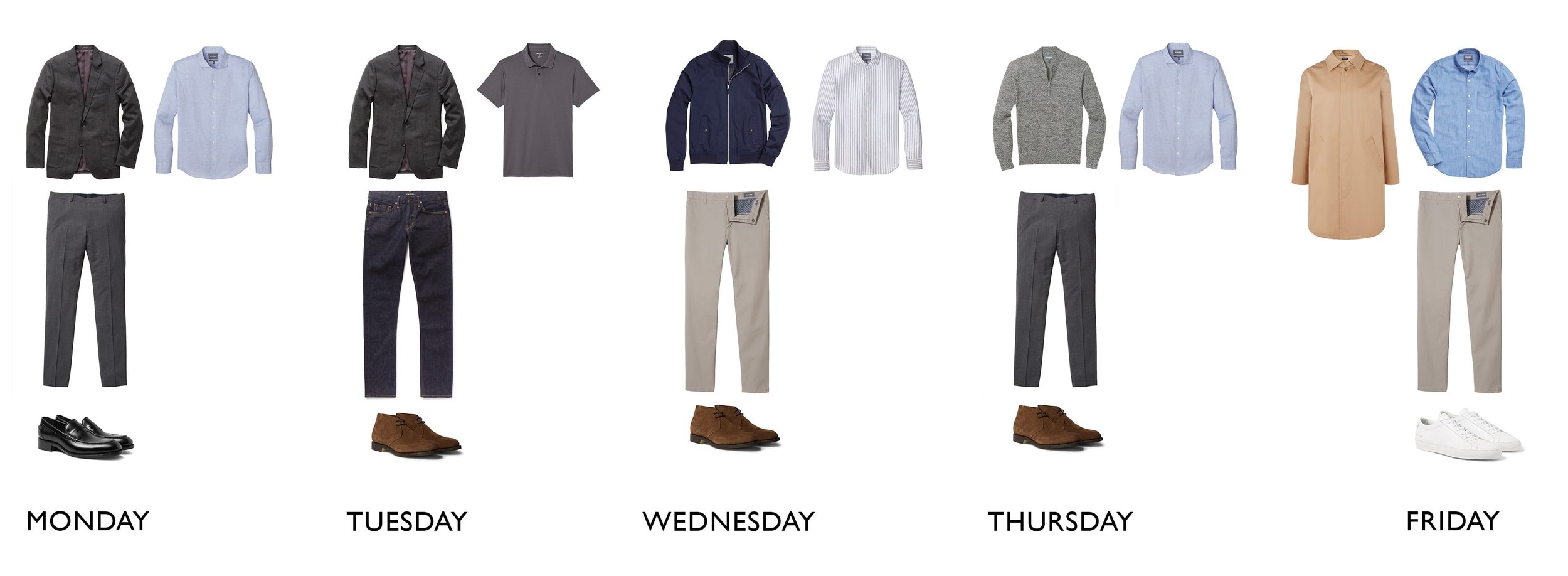
Credit: www.theessentialman.com
How To Combine Business Casual Pieces
Knowing the rules is one thing. Using them in real life is another. Here’s how to put outfits together.
Basic Outfit Formulas
- Dress shirt + chinos + loafers
- Polo shirt + trousers + dress shoes
- Shirt + sweater + chinos + brogues
- Shirt + blazer + chinos + loafers
Mix and match based on the weather and your office culture. For example, if your office is chilly, add a sweater or blazer. If the day is warm, stick to lighter fabrics and skip extra layers.
Layering For Versatility
Layering makes your outfit adaptable. For example, wear a sweater over a shirt in the morning, then remove it when it gets warmer. A blazer can be added for meetings. Layering also helps you adjust for unexpected changes, like air conditioning or outdoor events.
Non-obvious insight: Layering also hides minor fit issues. If your shirt is a bit loose, a sweater can make it look neater. Layering with an unstructured blazer can soften the look for creative offices, while a classic blazer sharpens it for formal environments.
Color And Pattern Choices
Stick to neutral colors for main pieces. You can add a small splash of color with accessories (like a tie or pocket square) if your office allows. Patterns should be subtle—think fine stripes or tiny checks. If you want to experiment, try textured fabrics like twill or herringbone instead of bold prints.
Common mistake: Wearing too many colors or bold patterns together. This makes you stand out in the wrong way. If you’re unsure, limit yourself to three colors per outfit.
Business Casual Dos And Don’ts
Mistakes are easy to make. Here’s what to avoid and what to aim for.
Dos
- Do keep clothes clean and ironed
- Do check fit (shoulders, sleeves, waist)
- Do match your belt and shoes
- Do choose classic styles over trends
- Do rotate outfits to avoid looking repetitive
Don’ts
- Don’t wear athletic shoes (unless allowed)
- Don’t choose ripped or faded clothing
- Don’t wear shorts or graphic tees
- Don’t over-accessorize
- Don’t ignore company dress code updates
Experience-based tip: Try your outfit at home before wearing it to work. Check in daylight, as office lighting can make colors look different. Take a mirror photo for a different perspective—sometimes, small flaws are easier to spot in a picture.
Business Casual For Different Environments
Business casual changes with the workplace. Some offices are strict, others relaxed. Here’s how to adapt.
| Industry | Common Business Casual Look | Extra Tips |
|---|---|---|
| Finance | Shirt, trousers, blazer, leather shoes | Stick to dark colors; avoid polos |
| Tech | Polo, chinos, loafers | More freedom for colors & sneakers |
| Education | Shirt, sweater, chinos, brogues | Comfort matters; layers help |
| Creative | Polo or shirt, jeans, smart shoes | Can add patterns or unique pieces |
Office Vs. Remote Work
In the office, you must dress for others. At home, you can relax a bit—but still look professional for video calls. For remote work, choose clothes that feel comfortable but look crisp on camera. A collared shirt or sweater looks better than a T-shirt, even if you’re only visible from the waist up.
Quick tip: Have a blazer or sweater nearby for meetings. It instantly upgrades your look. If you need to leave home for errands or a quick meeting, having a “grab-and-go” outfit ready saves time.
Events And Meetings
For important meetings, add a blazer and leather shoes. For casual Fridays, you may use a polo and chinos, but avoid jeans unless allowed. If attending a company event, check the invitation for dress code hints.
Friendly mentor advice: If unsure, dress one step up. It’s better to look slightly overdressed than underdressed. People rarely remember someone dressed a bit too nicely—but they notice if you look sloppy.
How To Choose Business Casual Clothing
When shopping, consider these points:
- Fit: Clothes should hug but not squeeze. Test sitting and moving. If possible, ask a friend or tailor for honest feedback.
- Fabric: Choose cotton, wool, or blends. Avoid synthetics—they often look cheap. For hot climates, lightweight cotton or linen works best.
- Color: Start with neutrals. Add color slowly. Neutral tones make mixing easier and always look professional.
- Versatility: Can the item be worn with at least 3 other pieces? If not, reconsider buying.
- Care: Check if it needs dry cleaning or can be washed at home. Easy-care fabrics reduce stress and costs.
Common buyer mistake: Buying trendy items that don’t match anything else. Stick to basics first. When you want to try trends, buy one piece and see how it fits your wardrobe.
Business Casual Accessories
Accessories show personality, but must be subtle.
Belts
A leather belt is standard. Match it to your shoes. For a modern touch, try braided leather or a textured finish.
Watches
A classic watch adds style. Avoid sports watches or smartwatches with bright bands. Choose a simple metal or leather strap.
Bags
Choose a briefcase or messenger bag in leather or canvas. Backpacks are only for tech or creative workplaces. For formal offices, stick to structured bags.
Ties And Pocket Squares
Most business casual outfits don’t require a tie. If you wear one, choose a simple pattern. Pocket squares can be used with blazers for a touch of color.
Non-obvious insight: Accessories should never draw attention away from your outfit. Their role is to complement, not dominate. For example, a bright red watch strap can distract, while a classic silver watch blends in.
Grooming And Hygiene
Your look isn’t just about clothes. Cleanliness matters.
- Keep hair neat and facial hair trimmed.
- Nails should be clean, not bitten.
- Use deodorant, but avoid strong colognes.
- Shoes must be polished.
- Check for lint or pet hair before leaving home.
Calm expert guidance: Good grooming can make a $30 shirt look like $100. If you struggle with skin issues, try a basic skincare routine—cleanser and moisturizer—to help your face look fresh.
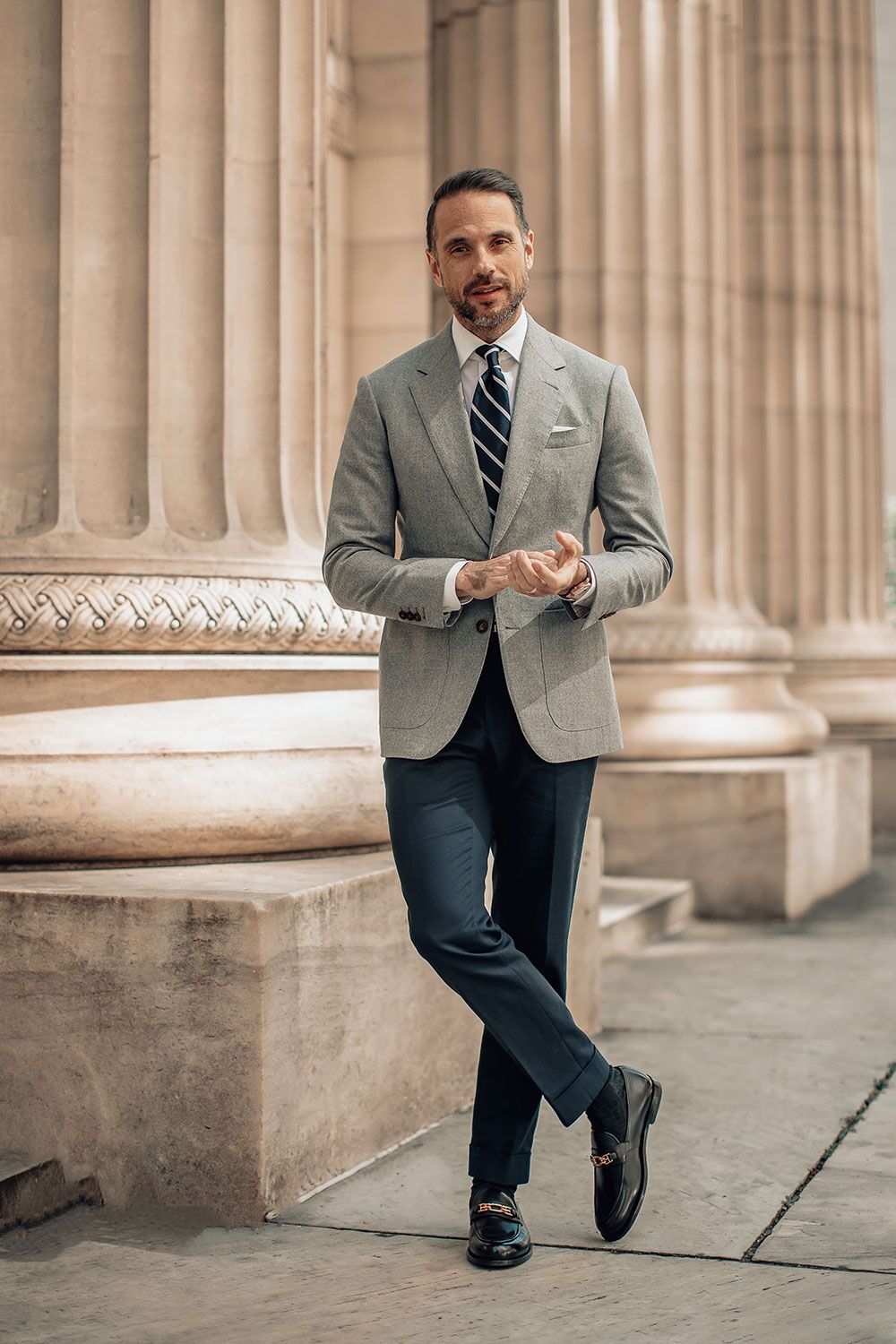
Credit: hespokestyle.com
Business Casual For Different Seasons
You need to adapt to weather without losing style.
Spring/summer
- Wear lighter fabrics: Cotton, linen.
- Short-sleeve shirts are acceptable if they’re collared.
- Loafers or dress shoes without socks (if allowed).
- Avoid heavy layers and dark colors—they absorb heat.
Fall/winter
- Layer with sweaters, vests, or heavier blazers.
- Wool trousers and thicker shirts.
- Scarves and gloves in neutral colors.
- Consider thermal undershirts if your office is cold.
Straight-to-the-point helper tip: Always check your company’s policy for seasonal items. Some offices don’t allow short sleeves or visible socks. For winter, choose shoes with good grip for safety.
Common Questions About Business Casual
Many men have doubts about business casual. Here are answers to frequent concerns.
Can I Wear Jeans In Business Casual?
Usually, jeans are not business casual. If allowed, choose dark, clean, and well-fitted jeans—no rips or fading. Pair them with a dress shirt and smart shoes to balance the look.
Are Sneakers Ever Acceptable?
In most offices, sneakers are not business casual. Some tech and creative companies allow minimalist sneakers in neutral colors. If you’re allowed, choose leather or low-profile styles.
Should I Tuck In My Shirt?
Yes, shirts should be tucked in for a neat look. Polos may be worn untucked if they fit well and are not too long. If your shirt is long enough to cover your backside, tuck it in.
Can I Wear Patterns?
Small patterns (like checks or stripes) are fine. Avoid bold prints or flashy designs. If you want to try a pattern, start with a subtle check shirt or a fine pinstripe.
How Many Business Casual Outfits Do I Need?
Aim for 5-7 combinations so you can rotate during the week. This prevents wear and keeps your look fresh. Having two or three extra shirts and pants helps if something gets stained or wrinkled.
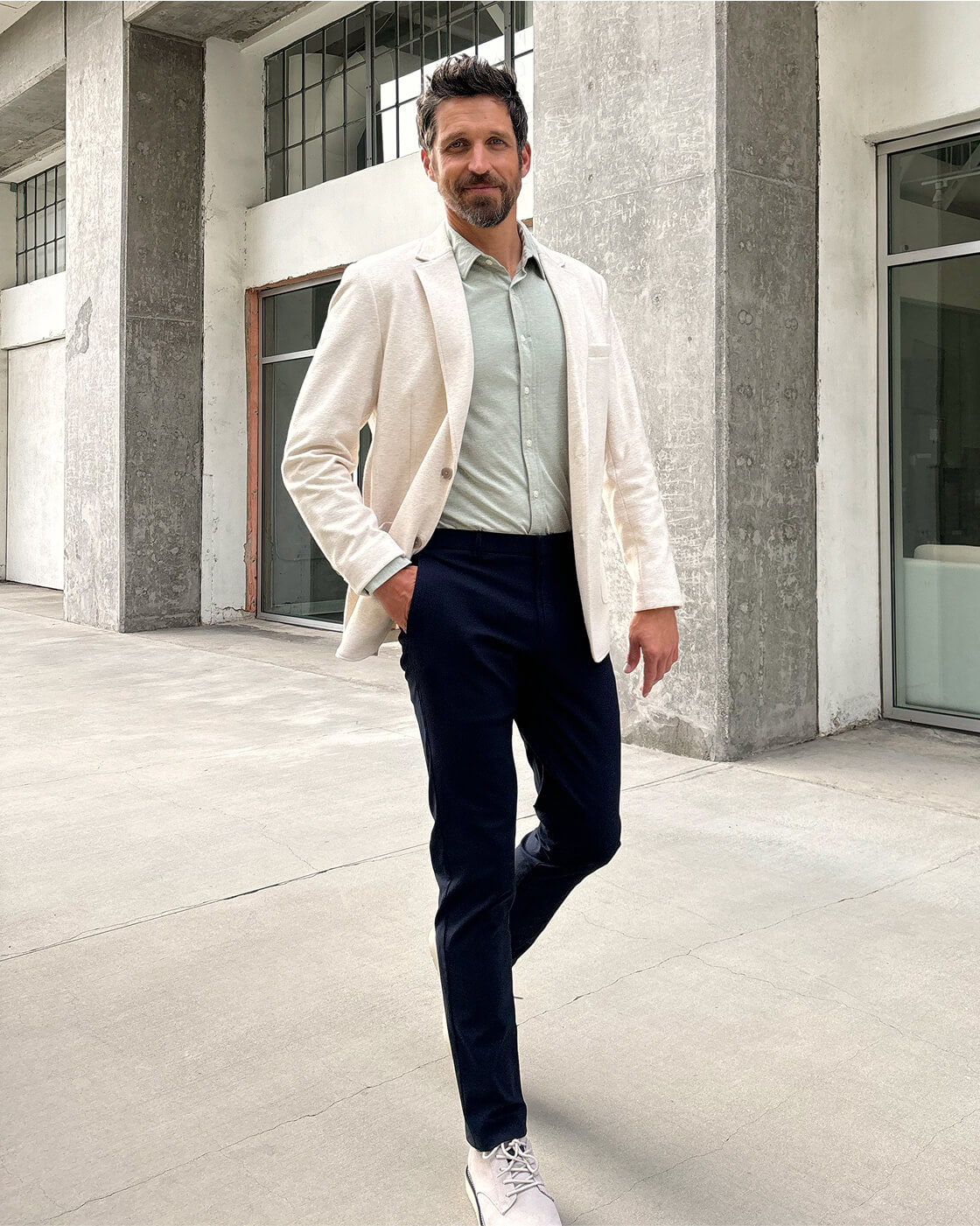
Credit: www.stitchfix.com
How To Upgrade Your Business Casual Style
If you want to stand out in a positive way, try these steps.
- Tailoring: Have clothes adjusted for perfect fit.
- Layering: Add a blazer or sweater for depth.
- Shoes: Invest in quality leather shoes.
- Grooming: Keep hair, nails, and skin tidy.
- Accessories: Add one stylish item, like a watch or belt, for interest.
Experience-based guide advice: Most men ignore tailoring. Well-fitted clothes make any outfit look expensive. Even small adjustments (like shortening sleeves) can make a big difference.
Business Casual For Special Occasions
Sometimes, business casual is needed for events outside work.
Interviews
Dress one step above the company standard. Usually, a blazer, shirt, trousers, and dress shoes. Avoid bold colors and keep accessories minimal. Make sure everything is clean and ironed.
Presentations
Wear a blazer for authority. Avoid bright colors. Keep accessories minimal. If you’re presenting to senior staff, stick to classic combinations.
Office Parties
You can be more relaxed. A polo and chinos work, but avoid shorts or sandals. If it’s a celebration in the office, add a sweater or blazer for style.
Practical advisor tip: Always check the dress code for the event. If unsure, ask HR or a colleague. If you receive an invitation, look for clues in the wording—“smart casual” or “business casual” may mean different things.
Comparing Business Casual Vs. Formal And Casual
Understanding the differences helps you avoid mistakes.
| Dress Code | Key Items | Acceptable Shoes | Accessories |
|---|---|---|---|
| Formal | Suit, tie, dress shirt | Leather Oxfords | Cufflinks, tie clip |
| Business Casual | Shirt, chinos, blazer (optional) | Loafers, brogues | Watch, belt |
| Casual | T-shirt, jeans, sneakers | Sneakers, casual boots | Minimal accessories |
Key takeaway: Business casual sits between formal and casual. It borrows structure from formal, but comfort from casual. If you’re unsure, aim for business casual—it’s the safest middle ground.
Mistakes Beginners Make With Business Casual
Here are common errors and how to fix them.
- Ignoring fit: Baggy or tight clothes look unprofessional. Get clothes tailored.
- Mixing too many styles: Combining gym wear with office wear confuses the look.
- Choosing the wrong shoes: Sneakers or sandals ruin business casual.
- Skipping grooming: Even perfect clothes look bad with poor hygiene.
- Over-accessorizing: Too many items distract from the outfit.
- Wearing worn-out clothes: Faded, stained, or torn items give a careless impression.
Pro tip: Take a photo of your outfit before leaving home. It helps you spot mistakes others may notice. Ask a trusted friend for feedback if you’re unsure.
Real-life Examples: Business Casual Outfits
Let’s look at some practical combinations for different scenarios.
Office Day
- Light blue dress shirt
- Navy chinos
- Brown loafers
- Leather belt
- Simple watch
- Optional navy sweater for layering
Casual Friday
- Gray polo shirt
- Khaki chinos
- Black brogues
- Canvas messenger bag
- Optional casual blazer for meetings
Important Meeting
- White dress shirt
- Charcoal trousers
- Navy blazer
- Black Oxfords
- Pocket square
- Classic leather belt
Non-obvious insight: Having a “go-to” outfit for each scenario saves stress and time. Keep a backup shirt and shoe pair at the office in case of spills or emergencies.
Maintaining Your Business Casual Wardrobe
Clothes last longer with care.
- Wash shirts and trousers in cold water to prevent fading.
- Iron shirts and pants for crispness.
- Polish leather shoes regularly.
- Store blazers on hangers to keep shape.
- Use cedar shoe trees to absorb moisture and keep shoes fresh.
- Check seams and buttons regularly for repairs.
Straight-to-the-point helper tip: Rotate shoes and shirts to avoid wear. Don’t wear the same pair two days in a row. For sweaters, air them out after use to prevent odors.
Sustainable Business Casual Choices
Many men want to be eco-friendly. Choose clothes made from organic cotton or wool. Buy from brands with ethical practices. Look for certifications like Fair Trade or OEKO-TEX.
Resource: Learn more about sustainable fabrics at Good On You.
Practical advisor tip: Quality clothes use less water and chemicals. They also last longer, reducing waste. Consider second-hand shops or clothing swaps for affordable, sustainable options.
Frequently Asked Questions
What Is The Difference Between Business Casual And Smart Casual?
Business casual is more formal. It requires collared shirts, trousers, and dress shoes. Smart casual allows more creative pieces like jeans, bold patterns, and even some sneakers, depending on the setting. Smart casual is often seen at after-work events or modern offices.
Can I Wear A Tie With Business Casual?
Yes, but it’s not required. If you wear a tie, choose subtle colors and patterns. Make sure it matches your shirt and blazer. Avoid novelty ties—they look unprofessional.
How Do I Know If My Outfit Is Business Casual Enough?
Check company guidelines or observe colleagues. If in doubt, wear a collared shirt, chinos, and loafers. Add a blazer for meetings. If you see managers wearing similar combinations, you’re safe.
Is Business Casual The Same In Every Country?
No, it varies. Some countries are stricter, others more relaxed. Always check local norms or ask HR. In some places, even jeans and sneakers are acceptable for business casual.
How Can I Make My Business Casual Wardrobe Last Longer?
Choose quality fabrics, rotate outfits, and care for your clothes. Avoid over-washing and always iron shirts and pants. Store items properly and repair minor damage quickly.
---
Business casual for men is a skill you can master with practice and attention. Start with simple, well-fitted basics. Adapt to your company’s culture and keep your look clean and polished. Remember, your outfit sends a message—make it one of confidence and professionalism.
With these tips, you’ll never worry about what to wear to work again. By learning to choose, combine, and care for your business casual wardrobe, you set yourself up for success every day.
