

How to Bring Gym Clothes to Work: Smart Tips for Busy Professionals
How To Bring Gym Clothes To Work
For many people, fitting exercise into a busy workday feels challenging. You want to stay healthy, but carrying gym clothes to the office, changing, and storing them can be complicated. Sometimes, you worry about odors, space, or forgetting items. But with the right plan, you can make it easy to bring gym clothes to work, stay organized, and feel confident throughout your day.
This guide will help you understand how to transport gym clothes, keep them fresh, and avoid common problems. You’ll find practical advice, real examples, and tips that even experienced gym-goers often overlook. Whether you’re new to working out or simply want to improve your routine, you’ll learn how to simplify your fitness life.
Choosing The Right Gym Clothes For Work
Selecting the right gym clothes is the first step. Your choices affect comfort, convenience, and even how easy it is to carry items.
Prioritize Lightweight And Compact Fabrics
Gym clothes made from lightweight materials are easier to pack. Look for fabrics like polyester or nylon blends, which are:
- Quick-drying
- Less likely to wrinkle
- Easy to fold
Avoid heavy cotton, which absorbs sweat and takes longer to dry. Lightweight clothes save space and reduce odor risk.
Pick Neutral Colors And Simple Styles
Bringing gym clothes to work is easier when they look neutral. Choose solid colors like black, gray, or navy. Simple styles help if you need to layer items or wear them under your work outfit.
Some people choose multi-purpose items like athletic joggers that look casual but can pass for office wear in a pinch.
Consider Odor-resistant Features
Modern gym clothes often have anti-odor technology. These fabrics use silver ions or other treatments to reduce smells. Investing in a few odor-resistant pieces can help you feel more confident.
Plan For Layering
If you bike or run to work, you may need to layer gym clothes. Think about:
- A base layer (moisture-wicking shirt)
- Light jacket or hoodie
- Athletic socks
Layering helps you adjust to changing weather and office temperatures.
Example Outfits
Let’s compare three common gym outfit choices for office workers:
| Option | Pros | Cons |
|---|---|---|
| Lightweight T-shirt & Shorts | Easy to pack, dries fast | Less warmth in cold weather |
| Joggers & Performance Top | Looks semi-casual, versatile | Bulky if thick material |
| Leggings & Tank Top | Compact, odor-resistant | May show sweat easily |
Packing Gym Clothes: Smart Strategies
Packing gym clothes the right way saves time and prevents problems like wrinkles or odors.
Use A Dedicated Gym Bag
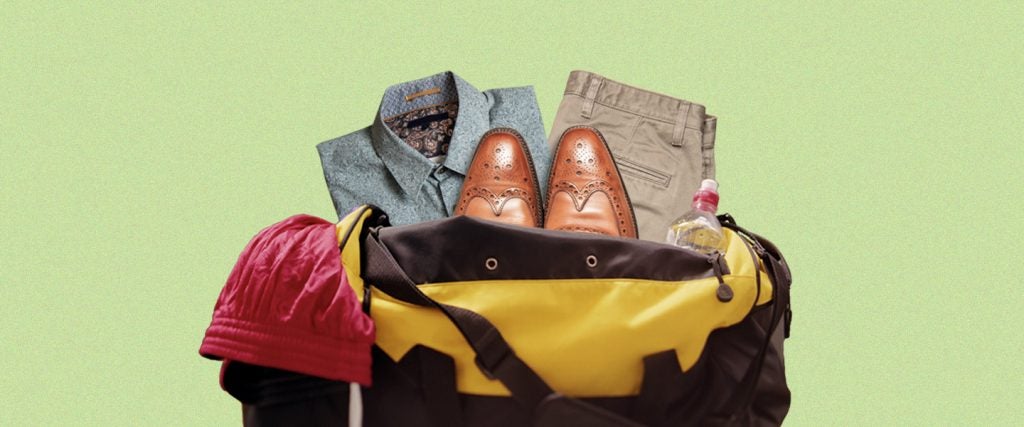
A gym bag designed for athletes usually includes separate compartments for shoes, dirty clothes, and clean items. This keeps everything organized and prevents mixing sweaty gear with fresh clothes.
If you don’t have a gym bag, use a tote or backpack with zippered pockets. Make sure you have:
- Space for clothes
- A separate area for shoes
- A waterproof pocket for sweaty items
Roll Instead Of Fold
Rolling gym clothes saves space and helps prevent wrinkles. This method is popular among travelers and gym-goers alike. Simply lay the item flat, fold in sleeves or legs, and roll tightly.
Separate Clean And Dirty Clothes
Always keep clean gym clothes apart from dirty ones. Use a laundry bag or plastic pouch for dirty items. Many people miss this step and end up with musty-smelling clothes.
Some gym bags come with a built-in laundry pouch, but you can also buy small, washable bags for this purpose.
Include Essential Accessories
Remember to pack:
- Athletic socks
- Sports bra (if needed)
- Sweatband or headband
- Shower sandals
Missing accessories can ruin your workout plans. Keep a checklist or leave spares at the office if possible.
Packing Checklist Example
Here’s a simple checklist for packing gym clothes:
- Clean shirt or top
- Clean shorts, leggings, or joggers
- Sports bra or underwear
- Athletic socks
- Shoes
- Laundry bag for dirty clothes
- Towel
- Deodorant
- Shower sandals
- Headband
Credit: www.511tactical.com
Storing Gym Clothes At Work
How you store gym clothes at work matters. Poor storage leads to smells, clutter, or even embarrassment.
Desk Drawers
If you have a private desk, use a drawer to store clean gym clothes. Place them in a sealed bag to keep them fresh.
Dirty clothes should always go in a laundry pouch and not in the desk. If you forget, odors can build up quickly.
Locker Or Office Closet
Many offices offer lockers or closets. These are ideal for storing gym clothes, shoes, and accessories. Use a dedicated shelf or box and label your items so they don’t get mixed up.
Storage Tips For Shared Spaces
If you work in a shared office or open-plan space:
- Use discreet bags or containers
- Avoid leaving gym clothes out in the open
- Consider odor-absorbing products like charcoal packs
Shoe Storage
Gym shoes can cause smells in the office. Keep shoes in a separate, ventilated bag or box. Some people use shoe deodorizers or liners to reduce odor.
Quick Comparison: Storage Options
| Storage Option | Best For | Drawbacks |
|---|---|---|
| Desk Drawer | Small items, clean clothes | Limited space, odor risk |
| Locker | Shoes, all gym gear | May not be available |
| Closet Shelf | Bulkier items, long-term storage | Can get messy |
Preventing Odor And Moisture Problems
Odor is a big concern for people bringing gym clothes to work. Moisture can also cause mold and bacteria.
Always Air Out Dirty Clothes
After your workout, air out dirty clothes before packing them. If possible, hang items in a well-ventilated area for 10–15 minutes.
Use Moisture-absorbing Products
Many gym bags include moisture-absorbing packets. You can buy silica gel packs or charcoal bags to place in your gym bag. These absorb sweat and reduce smells.
Shower And Change Immediately
If your office has a shower, use it right after your workout. Changing immediately reduces sweat buildup and odor. If no shower is available, use cleansing wipes for a quick refresh.
Wash Gym Clothes Frequently
Don’t reuse gym clothes without washing. Even odor-resistant fabrics can start to smell after a few uses. Wash items in cold water with a sports detergent for best results.
Odor Prevention Checklist
- Air out dirty clothes
- Use moisture-absorbing products
- Shower or use wipes
- Wash clothes regularly
- Store shoes separately
Planning Your Workout Schedule Around Work
Timing your workouts affects how you bring gym clothes to work. Some people exercise before work, others during lunch, and some after office hours.
Morning Workouts
If you exercise before work, pack your work clothes and gym gear the night before. After your workout, change into fresh clothes and store dirty items in your gym bag.
Lunch Break Workouts
Lunch workouts require quick changes. Keep your gym clothes easily accessible and have cleansing wipes or dry shampoo ready. Plan short workouts to allow time for changing.
Evening Workouts
After work, you can change in the office or at the gym. If you don’t want to carry sweaty clothes home, use a laundry bag and wash items as soon as possible.
Example Schedule
- Morning: Arrive early, change after workout, store dirty clothes in bag
- Lunch: Quick workout, use wipes, return to desk with clean clothes
- Evening: Change at gym, bring home dirty items for washing
Managing Gym Clothes On Public Transport
If you commute by train, bus, or subway, carrying gym clothes adds complexity.
Choose A Compact Bag
Pick a small, lightweight bag that fits under your seat or in overhead racks. Avoid large duffel bags, which can be awkward during busy commutes.
Keep Essentials Accessible
Organize your bag so you can easily reach your work clothes, gym outfit, and accessories. Place frequently used items on top.
Avoid Spills And Leaks
Use waterproof pouches for toiletries or sweaty items. Double-check your water bottle to make sure it’s sealed.
Practical Example
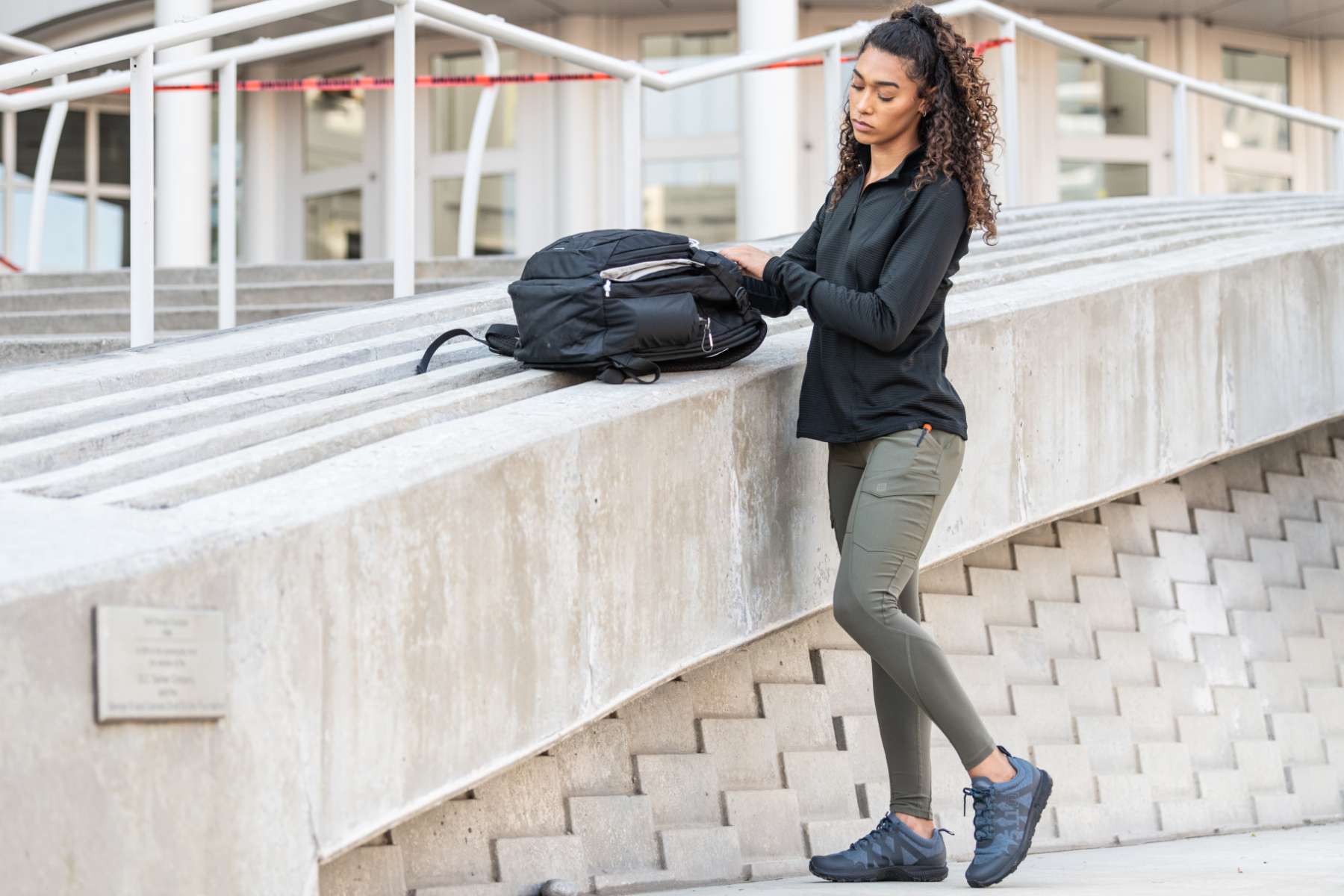
A commuter might use a small backpack with:
- Rolled gym clothes in a pouch
- Shoes in a separate bag
- Deodorant and wipes in zippered pocket
This setup keeps everything organized and prevents embarrassment.
Office Gym Etiquette: Key Rules
Bringing gym clothes to work also means following office etiquette. Respecting colleagues and office rules is important.
Don’t Change At Your Desk
Never change clothes at your desk or in open areas. Use designated changing rooms, restrooms, or gym facilities.
Manage Odors
Keep sweaty gym clothes in sealed bags. If you notice odors, use deodorizing sprays or change your storage method.
Respect Shared Spaces
Don’t leave gym gear in shared spaces. Remove shoes, towels, or clothes promptly after your workout.
Communication
If your office has a gym or fitness room, check the rules for storing clothes. Some offices require labeling or limit storage time.
Keeping Gym Clothes Clean And Fresh
Washing and maintaining gym clothes is essential. Even the best fabrics can start to smell or wear out without proper care.
Wash Clothes As Soon As Possible
Try to wash gym clothes within a day or two. This prevents bacteria buildup and keeps items fresh.
Use Sports Detergent
Sports detergents are designed for performance fabrics. They remove sweat and odors better than regular soap.
Avoid Fabric Softener
Fabric softener can damage moisture-wicking clothes. Use only mild detergent.
Air Dry When Possible
Air drying helps preserve the shape and performance of gym clothes. Avoid high heat, which can ruin elastic fibers.
Practical Laundry Tips
- Turn clothes inside out before washing
- Use cold water
- Hang items to dry
Mistakes To Avoid When Bringing Gym Clothes To Work
Many people make simple mistakes that cause discomfort, embarrassment, or extra work.
Forgetting Essential Items
Leaving out socks, shoes, or deodorant can ruin your workout. Double-check your bag before leaving home.
Mixing Clean And Dirty Clothes
Always separate clean and dirty items. Mixing them leads to odors and stains.
Overpacking
Bringing too many clothes or accessories makes your bag heavy and cluttered. Stick to essentials and leave extras at work if possible.
Not Planning For Weather
If you run or bike to work, check the forecast and pack accordingly. Wet weather requires waterproof bags and quick-drying clothes.
Ignoring Office Rules
Some offices limit gym gear storage or require labeling. Ignoring these rules can cause problems.
Advanced Tips: Making Gym Clothes Routine Easy
Experienced gym-goers use tricks to simplify their routine. Here are two insights that beginners often miss:
Leave Backup Clothes At Work
Keep a spare set of gym clothes and shoes in your locker or desk. This helps if you forget something or need an extra workout.
Schedule Laundry Days
Set a fixed day each week to wash gym clothes. This routine prevents buildup and keeps everything fresh.
Use Multipurpose Bags
A bag with separate compartments for shoes, clean clothes, and toiletries can save time. Look for bags with ventilated sections to reduce odor.
Set Up A Reminder System
Use your phone or planner to remind you to pack gym clothes or wash items. A simple checklist can prevent mistakes.

Credit: swetathletix.com
Gym Clothes And Office Style: Blending In
Sometimes, you need to blend gym clothes with your work outfit. This is common if you plan to exercise during lunch or commute in athletic gear.
Choose Dual-purpose Clothing
Some brands offer athletic wear that looks like casual office clothing. Joggers, polos, or zip-up sweaters can double as work attire.
Layering For Style
Layer gym clothes under your work outfit. For example, wear a moisture-wicking shirt under a button-up, or leggings under a skirt.
Quick Change Techniques
Practice changing quickly in small spaces. Use wipes, dry shampoo, and deodorant for fast freshness.
Comparing Gym Bag Types
Choosing the right gym bag makes carrying clothes easier. Here’s a quick comparison:
| Bag Type | Features | Best For |
|---|---|---|
| Backpack | Lightweight, multiple pockets | Public transport, everyday use |
| Duffel Bag | Large capacity, shoe compartment | Driving, bulkier gear |
| Tote Bag | Easy access, simple design | Short commutes, minimal gear |
Dealing With Unexpected Situations
Sometimes, things don’t go as planned. You may spill coffee on your clothes, forget an item, or face bad weather.
Emergency Solutions
- Keep cleansing wipes in your bag for quick cleanups
- Store a backup shirt or socks at work
- Use a waterproof pouch for unexpected rain
Handling Odor Emergencies
If you notice a smell, use deodorizing spray or swap clothes quickly. Some offices provide air fresheners or cleaning supplies.
Adjusting Your Routine
Be flexible. If you forget gym clothes, skip your workout or do a simple desk exercise. Don’t let minor issues ruin your day.
Benefits Of Bringing Gym Clothes To Work
There are many benefits to bringing gym clothes to work:
- Increased fitness and energy
- Convenient access to exercise
- Reduced stress through regular workouts
- Improved mental focus and productivity
You also build healthy habits and inspire others in your workplace.
Credit: melmagazine.com
Common Questions About Gym Clothes At Work
Some people worry about bringing gym clothes to work. Here are answers to common questions.
Is It Okay To Wear Gym Clothes In The Office?
Some offices allow casual attire, while others require formal dress. You can wear athletic wear that looks professional or change before returning to your desk. Check your office dress code.
How Do I Keep Gym Clothes From Smelling?
Use moisture-wicking fabrics, air out dirty clothes, and wash items regularly. Store clothes in sealed bags and use deodorizing sprays if needed.
What If I Don’t Have A Locker Or Storage Space?
Use a compact bag and store it under your desk. Keep backup clothes at home or in your car. Be discreet and avoid clutter.
Can I Leave Gym Shoes At Work?
Yes, if your office allows it. Store shoes in a ventilated bag or box to reduce odors. Use shoe deodorizers for freshness.
How Do I Manage Gym Clothes On A Busy Commute?
Pack only essentials, use a lightweight bag, and organize items for easy access. Avoid bulky bags and keep everything secure.
Frequently Asked Questions
Should I Wash My Gym Clothes Every Day?
Ideally, yes. Washing gym clothes daily prevents bacteria and odor. If you can’t wash daily, air out items and use sports detergent when you do.
How Can I Prevent Gym Clothes From Wrinkling?
Rolling clothes instead of folding reduces wrinkles. Use lightweight fabrics and store items in a dedicated bag.
What’s The Best Way To Pack Gym Shoes?
Pack shoes in a separate, ventilated bag to avoid mixing with clean clothes. Use shoe deodorizers for extra freshness.
Can I Bring Gym Clothes To Work If I Bike Or Run To The Office?
Absolutely. Choose moisture-wicking clothes, pack a change of work attire, and use waterproof bags for wet weather.
Are There Brands That Make Gym Clothes Suitable For Office Wear?
Yes. Many brands offer athletic wear that looks like casual office clothing. Look for joggers, polos, or sweaters made from performance fabrics. For more information, visit Wikipedia.
Bringing gym clothes to work is a smart way to stay healthy and active. With the right planning, you can keep your routine simple, avoid common mistakes, and enjoy both fitness and productivity. Remember to choose the best clothes, pack thoughtfully, and follow office etiquette.
Your body and mind will thank you.
