

How Rash Guard Should Fit: Ultimate Guide for Perfect Comfort
Finding the perfect fit for your rash guard can make a huge difference in comfort and performance. If your rash guard is too tight, it might restrict your movement and feel uncomfortable.
Too loose, and it won’t protect you properly or stay in place. You might wonder, what’s the right fit for you? You’ll discover simple tips to choose a rash guard that feels like it was made just for you. Keep reading to learn how your rash guard should fit to help you stay comfortable and confident in the water or on the mat.
Key Features Of Rash Guards
The key features of rash guards define how well they protect and fit your body. These features ensure comfort, durability, and performance during water sports or outdoor activities. Understanding these aspects helps you choose the best rash guard for your needs.
Material Types And Their Benefits
Most rash guards use polyester, nylon, or spandex blends. Polyester dries quickly and resists fading from the sun. Nylon feels soft and offers strong durability. Spandex adds stretch, allowing easy movement. These materials protect against UV rays and reduce skin irritation.
Stretch And Flexibility
Stretch is essential for a good rash guard fit. It should move with your body without feeling tight. Flexibility helps with swimming, surfing, or any active sport. A rash guard with good stretch prevents chafing and keeps you comfortable.
Seam Construction
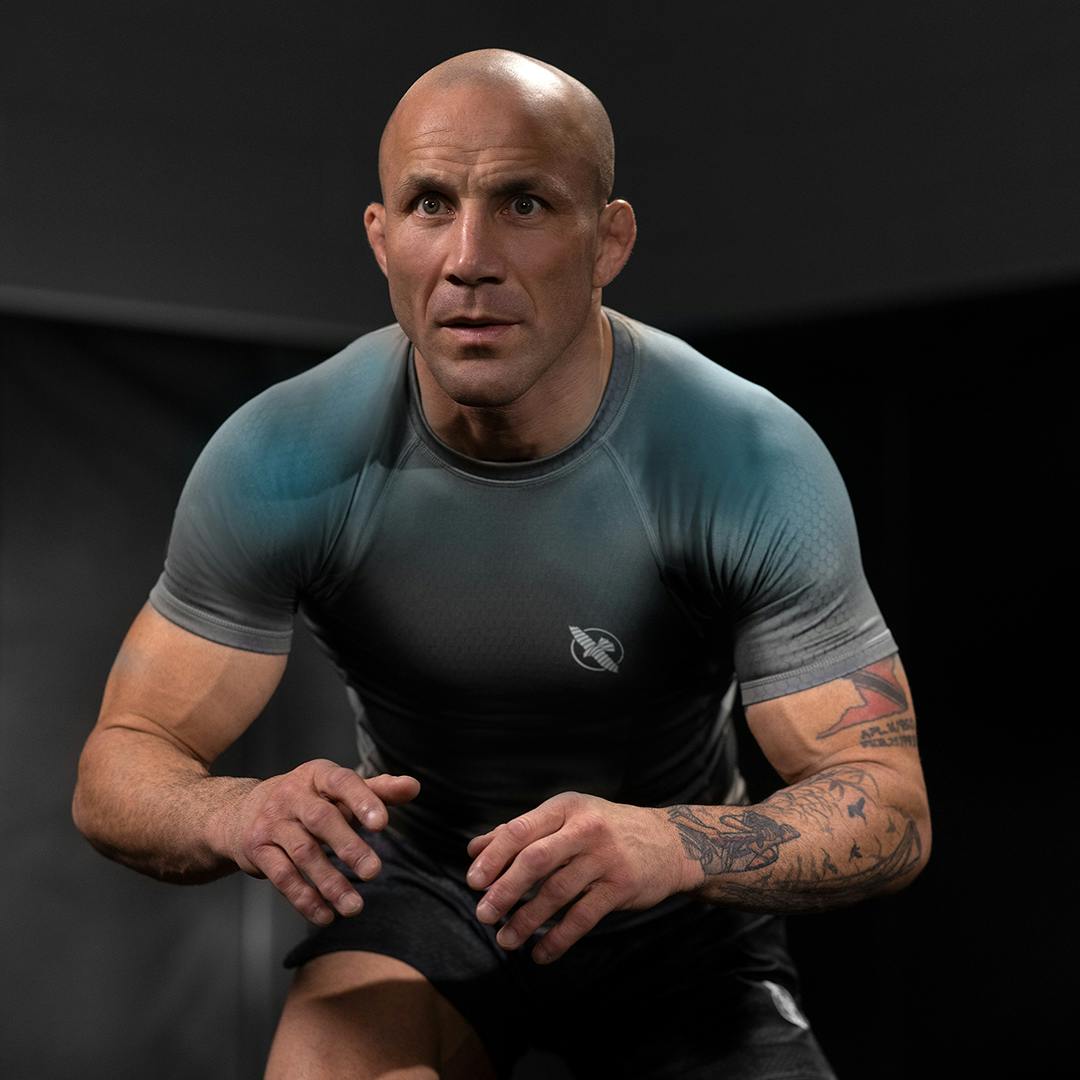
Seams affect comfort and strength. Flatlock seams lie flat against the skin, reducing rubbing. Overlocked seams are strong but may cause irritation. Look for smooth seam finishes to avoid skin discomfort. Proper seam construction ensures the rash guard lasts longer.
Credit: www.hayabusafight.com
Choosing The Right Size
Choosing the right size for your rash guard is key to comfort and performance. A rash guard that fits well protects your skin and moves with your body. Too tight can restrict movement and cause discomfort. Too loose might bunch up and reduce protection. Follow these steps to find the perfect fit.
Measuring Your Body Accurately
Start with a soft measuring tape. Measure your chest at the fullest part. Wrap the tape around your torso, just under your arms. Note the number in inches or centimeters. Measure your waist at the narrowest point. Record this measurement as well. Keep the tape snug but not tight. Stand straight and breathe normally. Accurate measurements help you pick the right size easily.
Comparing Size Charts
Check the size chart provided by the rash guard brand. Match your chest and waist measurements to the chart. Look for the size that fits within both numbers. Some charts also show weight or height ranges. Use those if you know your details. Avoid guessing sizes based on your usual shirt size. Each brand may have different size standards.
Considering Brand Variations
Not all rash guards fit the same. Some brands run small, others run large. Look for customer reviews about sizing. They often mention if the product fits true to size. Consider the fabric stretch as well. Rash guards with more stretch allow a tighter fit. Less stretch means you may need a looser size. Trying on different brands helps find your best fit.
Fit Types For Different Activities
Choosing the right rash guard fit depends on your activity. Different fits offer unique benefits for comfort and performance. Understanding these fits helps you pick the best option.
Compression Fit For Performance
Compression rash guards fit tightly against the skin. They support muscles and reduce fatigue during intense activities. This fit improves blood flow and helps in quick recovery. Ideal for surfing, running, or any high-energy sport.
Relaxed Fit For Casual Use
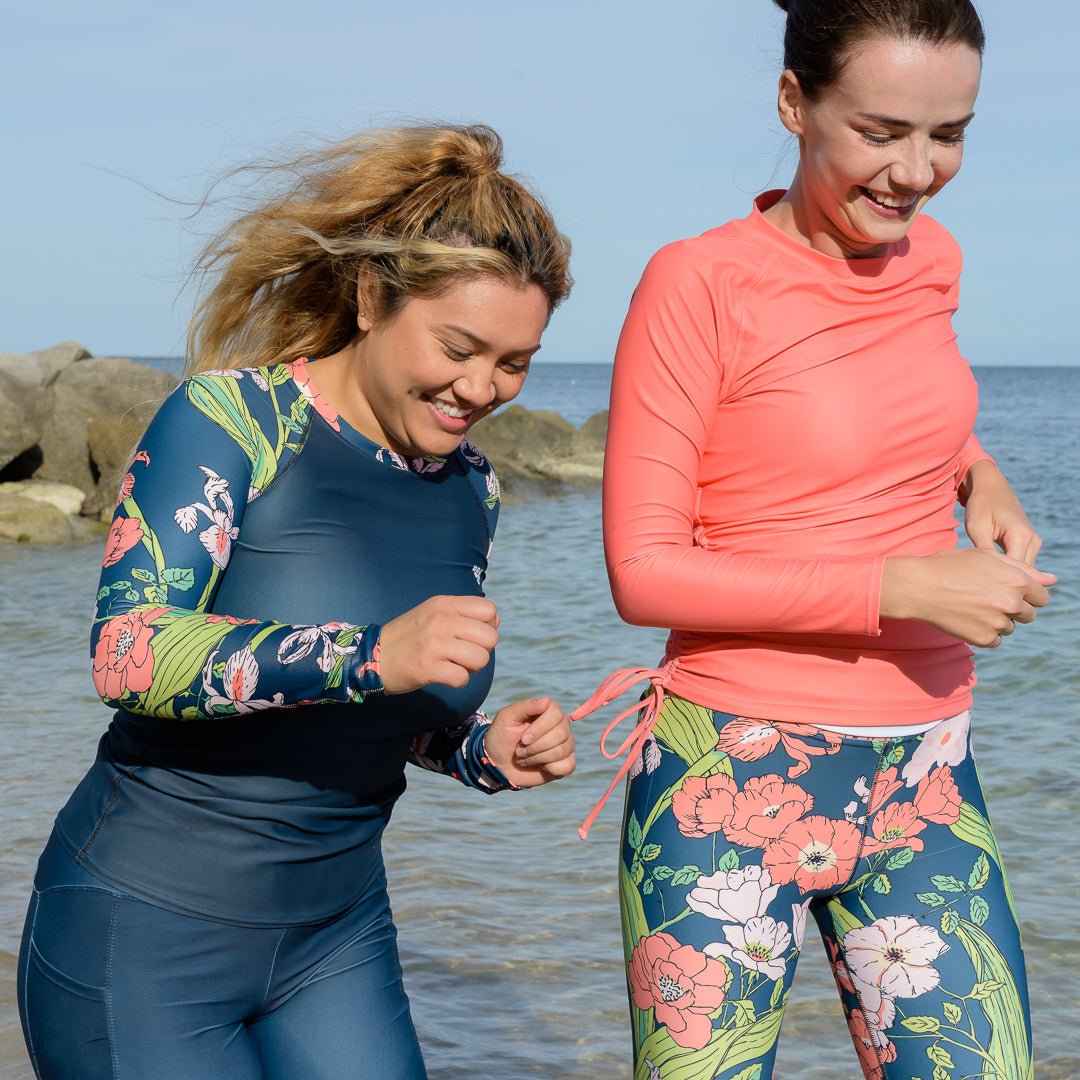
Relaxed fit rash guards offer more room for comfort. They are perfect for casual beach days or light water activities. This fit feels less tight and allows easy movement. Great for beginners and those who prefer comfort over performance.
Loose Fit For Layering
Loose fit rash guards are roomy and ideal for layering. Wear them over a swimsuit or under wetsuits for extra warmth. This fit provides freedom and prevents overheating. Best for colder water or long outdoor sessions.

Credit: blog.wetsuitwearhouse.com
Common Fit Issues And Solutions
Choosing the right fit for your rash guard is crucial. A poor fit affects comfort, performance, and skin protection. Common fit issues can cause discomfort or reduce the rash guard’s effectiveness. Understanding these problems helps you find the perfect fit for your needs.
Too Tight: Signs And Risks
A rash guard that feels like a second skin might be too tight. Signs include difficulty moving, pinching skin, or redness after wearing. Too tight rash guards can restrict blood flow and cause skin irritation. They may also reduce breathability and trap sweat, leading to discomfort.
Too Loose: Problems To Avoid
A loose rash guard can flap in the wind or catch water, slowing you down. Excess fabric can cause chafing, rubbing against your skin uncomfortably. Loose fit lowers protection from the sun and surfboard rash. It can also shift during activities, causing distraction or discomfort.
Sleeve And Shoulder Fit Tips
Sleeves should fit snugly but not squeeze your arms. Tight sleeves limit movement; loose ones slide up your arms. Check the shoulder seams; they should align with your natural shoulder edge. Proper shoulder fit allows free arm movement and prevents bunching or pulling.
Testing Rash Guard Fit Before Buying
Testing the fit of a rash guard before buying is very important. A good fit means better comfort and protection during water activities. Trying it on and checking for any issues helps find the right size and style. This saves time and money by avoiding returns or discomfort later.
Trying It On With Movement
Put on the rash guard and move your arms up and down. Stretch your body like you do in the water. The rash guard should feel snug but not tight. It should not restrict your motion or feel like it will rip. Testing movement shows if the rash guard fits your body shape well.
Checking For Chafing And Pinching
Look closely at areas where the rash guard touches your skin. Check under your arms, around the neck, and along the seams. The fabric should lie flat without pinching or folding. No rough spots should rub your skin. This prevents chafing, which can cause irritation during activities.
Assessing Comfort In Water
Try wearing the rash guard in a pool or shower if possible. Water changes how the fabric feels and fits on your skin. Notice if it stays close without slipping or bunching. The rash guard should dry quickly and feel light. Comfort in water is key for long hours of wear.
Care Tips To Maintain Fit And Comfort
Taking good care of your rash guard keeps it fitting well and feeling comfortable. Proper care stops it from stretching out or losing shape. It also helps keep the fabric soft and strong for a long time.
Proper Washing Techniques
Wash your rash guard with cold water only. Use a gentle detergent made for delicate fabrics. Avoid bleach or strong chemicals that can damage the material. Hand washing is best, but if you use a machine, choose a gentle cycle. Rinse it well to remove all soap. Never wring it out to dry. Instead, press the water out gently.
Avoiding Stretch And Damage
Do not pull or stretch your rash guard too much. Avoid wearing it while putting on or taking off other tight clothes. Keep sharp objects like jewelry away from the fabric. Do not use hot water or dryers, as heat breaks down the fibers. Sunlight can fade colors, so dry it in the shade. These steps protect the shape and strength.
Storage Recommendations
Store your rash guard flat or folded neatly. Avoid hanging it for long periods, as this can stretch the shoulders. Keep it in a cool, dry place away from direct sunlight. Do not store it while wet or damp. Dry completely before putting it away. Good storage helps maintain the fit and comfort over time.
Credit: berryjaneusa.com
Frequently Asked Questions
What Is The Ideal Fit For A Rash Guard?
The ideal rash guard fit is snug but not tight. It should hug your body comfortably without restricting movement. Proper fit prevents chafing and ensures effective protection during water activities.
How Tight Should A Rash Guard Be?
A rash guard should be close-fitting, like a second skin. Avoid loose or baggy rash guards as they can cause discomfort and reduce protection. Stretchy fabric helps maintain flexibility and comfort.
Can Rash Guards Be Too Small Or Too Big?
Yes, too small rash guards can restrict breathing and movement. Too large ones may bunch up and cause irritation. Choose a size that balances comfort, protection, and mobility.
Should Rash Guards Fit Differently For Men And Women?
Rash guards for men and women differ in cut and fit. Women’s versions often have a more tailored waist and chest area. Always check sizing charts to find the best fit for your body type.
Conclusion
Choosing the right rash guard fit matters a lot. It should feel snug but not tight. Too loose can cause chafing and discomfort. Too tight can limit your movement and breathing. The right fit protects your skin and helps you move freely.
Always check the size chart before buying. Remember, a good rash guard lasts longer and feels better. Wear it with confidence during your water activities. Comfort and protection come first. Your rash guard should fit like a second skin. Simple, easy, and just right.
