

How Often to Wash Activewear: Essential Tips for Fresh Gear
How Often To Wash Activewear
If you exercise regularly, you know that activewear is not like your normal clothes. These clothes go through a lot—sweat, body oils, and sometimes even mud or grass. But how often should you really wash your workout clothes? Too much washing can make your favorite leggings lose shape or color. Too little, and you’re left with odors and bacteria. There’s a balance, and finding it makes a big difference for your skin, your workout performance, and the lifespan of your activewear.
This guide will help you understand when, why, and how to wash your activewear. You’ll learn about the types of workouts, fabrics, and even your own sweat level—all things that affect how often you need to throw your gear in the wash.
You’ll also get tips to keep your clothes looking and smelling fresh, plus answers to common questions most people have but rarely ask. Let’s make caring for your activewear simple and effective.
Why Activewear Needs Special Care
Activewear is made for movement. It uses technical fabrics like polyester, nylon, and spandex, which are designed to stretch, wick moisture, and dry quickly. These materials are different from cotton or wool. They trap sweat and bacteria more easily, and they can break down if washed or dried the wrong way.
When you wear activewear, especially for intense workouts, you sweat more. The sweat isn’t just water; it has salts, oils, and sometimes bacteria from your skin. If these stay in your clothes, they can cause odors, stains, and even skin irritation.
Over time, this build-up can also damage the fabric, making it less effective at wicking moisture or stretching.
Another reason for special care is the cost. Good-quality activewear isn’t cheap. By washing it correctly and at the right frequency, you save money and keep your clothes performing well.
Factors That Affect How Often You Should Wash
There’s no single answer for everyone. The right washing frequency depends on several factors:
1. Type Of Workout
- High-intensity workouts (running, HIIT, cycling): These make you sweat a lot. Clothes should be washed after every use.
- Low-intensity workouts (yoga, stretching, walking): Sweat levels are lower. You might get by with washing every 2-3 wears, but it depends on your personal hygiene and comfort.
2. Duration And Sweat Level
If you sweat a lot, or your workout is long, your clothes will hold more bacteria and odor. For very sweaty people, washing after every wear is best. If you sweat less or your session is short, you might be able to wear items twice.
3. Type Of Fabric
Some fabrics handle sweat and bacteria better:
- Synthetic fabrics (polyester, nylon): Trap sweat and odor. Wash after each use.
- Merino wool: Naturally resists odor, can often be worn 2-3 times before washing, unless heavily soiled.
4. Weather Conditions
Hot, humid days mean more sweat. Cold, dry days usually mean less. Adjust washing frequency with the seasons.
5. Body Chemistry
Everyone’s sweat is different. Some people’s sweat smells stronger or contains more oils. If you notice your activewear smells even after light use, wash more often.
6. Clothing Layer And Use
- Base layers (touching skin): Always need more frequent washing.
- Outer layers (jackets, windbreakers): Wash every 4-6 wears, unless visibly dirty or sweaty.
The Dangers Of Washing Too Often Or Too Little
Finding the right balance is important for both your health and your clothes.
Washing Too Often
- Fabrics wear out faster: Over-washing can cause fading, stretching, and loss of elasticity.
- Microfiber breakdown: Frequent washing, especially in hot water, can damage technical fibers.
- Environmental impact: More water, energy, and detergent are used.
Washing Too Little
- Odor build-up: Sweat and bacteria stay in the fabric, causing strong smells.
- Skin problems: Bacteria and oils can cause acne, rashes, or fungal infections.
- Fabric damage: Sweat can break down elastic fibers if left too long.
How Often To Wash Different Types Of Activewear
It helps to break down washing frequency by item type. Here’s a guide for common workout clothes:
| Item | Wash After Every Wear? | Notes |
|---|---|---|
| Sports bras | Yes | High sweat and bacteria zones |
| Leggings/tights | Yes | Especially after intense workouts |
| Shorts | Yes | More forgiving if lightly worn |
| Tops/t-shirts | Yes | Unless only worn briefly for low sweat activity |
| Jackets/windbreakers | No | Wash every 4-6 wears, or if visibly dirty |
| Socks | Yes | Essential for foot health |
| Hats/headbands | After 1-2 wears | Depends on sweat amount |
| Yoga pants (light sweat) | After 2-3 wears | If no visible stains or odor |
| Merino wool tops | After 2-3 wears | Odor-resistant, but wash if soiled |
Washing Frequency For Different Workout Routines
It’s not just the type of clothing that matters, but also how you use it. Here’s a closer look at how workout style affects washing needs.
Cardio Workouts
Running, spinning, and aerobics usually produce a lot of sweat. All items, including sports bras, shirts, shorts, and socks, should be washed after every use. Sweat can soak through all layers, and bacteria grows quickly in damp, warm fabric.
Strength Training
If you’re lifting weights in a cool gym and not sweating much, you may wear shorts or leggings twice if they don’t smell or look dirty. Still, tops and sports bras should be washed more often due to close contact with skin and sweat glands.
Yoga And Pilates
These activities often involve less intense sweating. You might get away with wearing leggings or yoga pants for 2-3 sessions if they’re odor-free and not stretched out. However, wash sports bras and fitted tops more often.
Outdoor Sports
When playing tennis, soccer, or hiking, clothes can get dirty from the environment, not just sweat. Dirt, grass, and pollen can stick to fabric, so wash after every use, especially if you have allergies or sensitive skin.
Swimming
Swimsuits need special care. Rinse immediately after use to remove chlorine or salt, then wash after every 1-2 wears. Chlorine can damage fibers if left in the fabric.
How To Tell If Your Activewear Needs Washing
You can’t always rely on a calendar or fixed schedule. Sometimes, your senses and a few checks are the best guides:
- Odor: If your clothing smells even a little, it’s time to wash.
- Stains or marks: Sweat stains or visible dirt mean you should wash.
- Loss of shape: If fabric feels stretched or less supportive, it needs a wash to regain its shape.
- Itchiness or irritation: If your skin feels uncomfortable, the fabric may be holding bacteria or detergent residue.

Credit: www.stylist.co.uk
Caring For Different Fabrics
Activewear comes in many materials. Knowing their care needs helps you keep clothes fresh without damaging them.
Synthetic Fabrics (polyester, Nylon, Spandex)
These are the most common in activewear. They wick sweat but can hold onto odor. Wash in cold water, use mild detergent, and avoid fabric softener, which can block the fabric’s pores. Air dry if possible to protect elasticity.
Merino Wool
This natural fiber resists odor and bacteria. You can wear it a few times before washing, but always air it out between uses. When washing, use cold water and a wool-friendly detergent. Lay flat to dry to keep its shape.
Cotton
Some activewear uses cotton blends. Cotton absorbs sweat and can feel heavy. Wash after each use, as cotton holds bacteria. Cold or warm water is fine, but avoid high heat drying.
The Role Of Detergent And Washing Method
Not all detergents are made for sports clothing. Regular detergent sometimes leaves a residue, especially on technical fabrics. This can block the fibers, making them less able to wick sweat and trapping odors.
Sports detergents are made to break down sweat, oils, and bacteria in performance fabrics. They help your clothes stay fresh longer. Use the correct dose—more detergent doesn’t mean cleaner. In fact, too much can leave buildup and make odors worse.
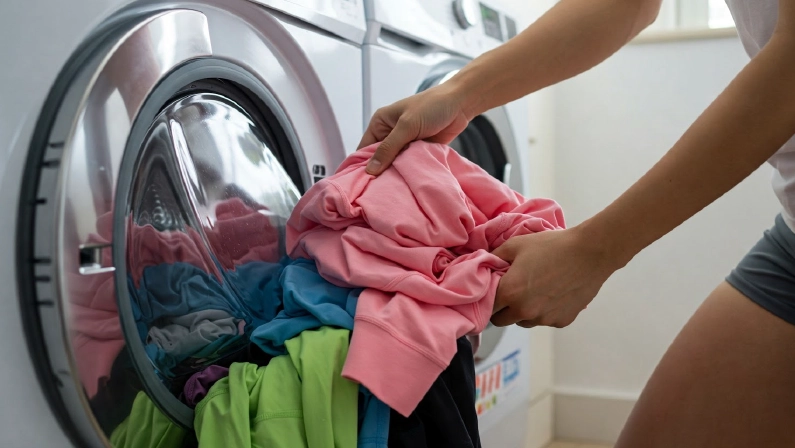
Wash activewear with similar fabrics and avoid heavy loads. Use a gentle or “sports” cycle if your machine has one. Always skip the fabric softener for workout clothes.
Credit: gospinxpress.com
Drying: Air Dry Or Machine?
Heat can ruin the stretch in your favorite leggings or sports bras. Air drying is safest. Lay clothes flat or hang them up. If you must use a dryer, choose a low heat or delicate setting.
Here’s a quick comparison:
| Drying Method | Pros | Cons |
|---|---|---|
| Air Drying | Preserves fabric, saves energy, reduces shrinkage | Takes longer, needs space |
| Machine Drying | Faster, convenient | Can damage elastic, may shrink or fade clothes |
Tips To Make Activewear Last Longer
- Wash inside out: This protects colors and removes sweat and bacteria from where it collects most.
- Use a mesh bag: Keeps delicate items like sports bras from stretching or snagging in the machine.
- Skip the iron: High heat damages stretch fibers. If clothes are wrinkled, steam gently.
- Don’t let sweaty clothes sit: Wash them soon or hang to dry. Leaving them in a gym bag encourages bacteria and odor.
- Rinse after heavy sweat: Even if you can’t wash right away, a quick rinse helps prevent odor and fiber breakdown.
- Store clean and dry: Make sure clothes are completely dry before folding, to avoid musty smells or mildew.
Common Mistakes People Make
Many people, especially beginners, make these errors:
- Washing with towels or jeans: These rough fabrics can damage delicate stretch fibers.
- Using too much detergent: This leaves residue, which holds odor and reduces wicking.
- Ignoring care labels: Each brand may have special instructions for their fabrics.
- Leaving wet clothes in a pile: This creates a breeding ground for bacteria.
- Using bleach or fabric softener: Both can ruin technical fabrics.
Special Concerns: Sensitive Skin, Allergies, And Odor
If you have sensitive skin, wash activewear after every use. Sweat and bacteria can irritate skin, and detergent residue can cause rashes. Choose fragrance-free, hypoallergenic detergents and rinse twice if needed.
For strong odors, soak clothes in a solution of water and vinegar (1:4 ratio) for 30 minutes before washing. This breaks down bacteria and neutralizes smell without damaging fibers.
If you have allergies, especially to pollen or dust, wash outdoor activewear after every use to remove allergens. This is especially important for running or hiking clothes.
Sustainable Washing Practices
Caring for your activewear doesn’t have to be wasteful. You can keep your clothes clean and help the environment:
- Wash full loads: This saves water and energy.
- Use cold water: Reduces energy and protects fabric.
- Choose eco-friendly detergent: Many brands now offer options safe for both fabrics and the environment.
- Air dry: Saves energy and extends clothing life.
Understanding Odor And Bacteria
Activewear odor isn’t just about sweat. It’s mostly caused by bacteria that feed on sweat and oils. These bacteria multiply quickly in damp, warm clothing. Some technical fabrics can trap these bacteria more than natural fibers.
A study found that polyester fabrics, common in activewear, hold more odor than cotton because their structure traps bacteria more easily. That’s why it’s so important to wash polyester-based gym clothes after each wear if you sweat.
Activewear And Skin Health
Wearing unwashed activewear can cause:
- Acne (body or “backne”): Sweat and bacteria block pores.
- Fungal infections: Damp, tight clothes can lead to athlete’s foot or jock itch.
- Rashes and irritation: Detergent residue or sweat can irritate sensitive skin.
Washing clothes at the right time, with the right products, is important for healthy skin—especially if you wear tight-fitting or synthetic workout gear.
When Can You Re-wear Activewear?
There are some cases where you can safely wear activewear more than once:
- Light activity: If you did gentle yoga or a short walk, and there’s no smell or dampness.
- Quick errands: If you wore activewear only for a short time, not sweating, and it’s still fresh.
- Layered use: If you wore an outer layer that didn’t touch your skin or get sweaty.
Always do a quick smell and look test. If in doubt, wash it.
How To Store Activewear Between Uses
If you plan to re-wear, hang your clothes to air out. Don’t fold or stuff sweaty items into a drawer or bag. Letting air circulate helps prevent bacteria and odor. For longer storage, make sure clothes are completely dry before folding.
This prevents mildew and keeps fabrics fresh.
Removing Tough Odors And Stains
Sometimes, even after washing, odors or stains remain. Here’s what you can do:
- Pre-soak in vinegar: As mentioned, vinegar helps break down bacteria.
- Use baking soda: Add half a cup to the wash for extra odor-fighting power.
- Sun-dry: UV rays naturally kill bacteria and can help remove odors.
For stains, treat as soon as possible. Use a gentle stain remover (test for color safety first) and avoid hot water, which can set stains.
Activewear Washing Myths
Let’s clear up some common myths:
- Myth: More detergent = cleaner clothes. Fact: Too much detergent leaves residue, trapping odors.
- Myth: Hot water is best. Fact: Hot water can damage technical fabrics. Cold water is usually enough.
- Myth: Fabric softener makes activewear softer. Fact: It coats fibers, blocking their moisture-wicking ability.
Comparing Activewear Brands’ Care Recommendations
Different brands sometimes suggest different care methods. Here’s a comparison to show the range:
| Brand | Washing Temp. | Drying Method | Fabric Softener? |
|---|---|---|---|
| Nike | Cold | Air dry | No |
| Adidas | Cold | Low heat or air | No |
| Lululemon | Cold | Air dry | No |
| Under Armour | Cold | Air or low heat | No |
Always check your clothing’s care label for the best results.
When To Replace Activewear
Even with perfect care, activewear doesn’t last forever. Signs you need new gear:
- Loss of stretch: Waistbands or cuffs don’t snap back.
- Persistent odor: Even after washing, clothes smell.
- Fabric thinning: You can see through leggings or shirts.
- Visible pilling or holes: Fabric has rough patches or tears.
Replacing old activewear keeps you comfortable, safe, and confident during workouts.
Frequently Asked Questions
How Many Times Can I Wear Activewear Before Washing?
In most cases, wash after every wear, especially if you sweat a lot. For low-intensity activities or odor-resistant fabrics like merino wool, you may wear items up to 2-3 times if they smell and look fresh.
Can I Use Regular Detergent For Activewear?
You can, but sports detergents are better for removing sweat, oil, and bacteria from technical fabrics. If you use regular detergent, avoid fabric softener and consider doing an extra rinse.
What’s The Best Way To Remove Sweat Odor From Activewear?
Soak items in a vinegar and water solution (1:4 ratio) for 30 minutes before washing, or add baking soda to your wash. Always air dry to help remove stubborn smells.
Do I Need To Wash Outer Layers As Often As Inner Layers?
No. Base layers that touch your skin need more frequent washing. Outer layers like jackets can be washed every 4-6 wears, unless they are dirty or smell.
Is It Bad To Leave Sweaty Clothes In A Gym Bag?
Yes. Bacteria and odor grow quickly in damp, warm places. Hang clothes to dry as soon as possible, or wash them right away to prevent smells and bacteria buildup.
Taking care of your activewear is not just about looking good—it’s about keeping your clothes, your skin, and your health in top shape. Washing at the right time, with the right products, and following simple habits makes a big difference. For more on sports fabric care, check out this resource: Consumer Reports. With these tips, your activewear can keep up with you, wash after wash.

Credit: www.amantelingerie.in
