

How Often Should You Wear Gym Clothes? Expert Tips Revealed
How Often Should You Wear Gym Clothes
Choosing how often to wear your gym clothes is something every active person faces. It’s easy to toss on your favorite workout shirt for a quick session, but questions start to come up: Should you wear it again? How many times before you wash? Can you keep wearing the same leggings for different workouts, or is that unhealthy? These questions are not just about comfort or style—they also affect hygiene, performance, and even how long your sportswear lasts.
In this guide, you’ll get clear answers based on science, gym etiquette, and practical experience. You’ll learn what happens if you re-wear sweaty clothes, how fabrics matter, and how personal factors like your skin, sweat level, and workout intensity affect your choices.
Plus, you’ll see how top athletes and gym-goers handle their gear, and what common mistakes beginners make. By the end, you’ll know exactly how often you should wear gym clothes and how to keep your gear fresh, safe, and comfortable.
Why Does How Often You Wear Gym Clothes Matter?
Many people underestimate the impact of re-wearing gym clothes. It’s not just about odor or appearance. Reusing sweaty shirts or shorts can lead to skin problems, affect your gym performance, and even make your clothes wear out faster.
Hygiene And Health Risks
Sweat, dead skin cells, and bacteria build up quickly in activewear. When you wear clothes that aren’t clean, you create a warm, moist space that bacteria and fungi love. This can lead to:
- Body odor that’s hard to remove
- Acne or “bacne” (back acne)
- Fungal infections like ringworm or athlete’s foot
- Rashes and skin irritation
Even if your clothes seem dry, bacteria can stay alive in the fabric for days. This is especially true for tight clothes that rub against your skin.
Some people are surprised to learn that gym clothes can also hold yeast and other microorganisms. These may trigger infections like jock itch in warm areas. For those who shave or wax, small cuts or raw skin make it even easier for germs to get inside and cause problems.
Impact On Performance
Wearing dirty or stretched-out gym clothes can affect your workout. Damp fabric can feel heavy and uncomfortable. If your clothes smell, you may feel self-conscious and distracted. Over time, sweat and bacteria can break down technical fabrics, making them less effective at wicking moisture or supporting your body.
For example, if your shirt loses its sweat-wicking power, you’ll feel sticky and may overheat faster during cardio. This can make you tired sooner and even raise your risk of skin chafing or heat rash. Faded, stretched-out leggings might not offer enough support for squats or lunges, which could lead to poor form or even minor injuries.
Longevity Of Your Gym Gear
Activewear is an investment. Washing and caring for your clothes the right way helps them last longer. But overwashing or underwashing can both cause problems. Understanding how often to wear and wash each item helps you get the most value from your gear.
Some people don’t realize that modern technical fabrics, like those with elastic or mesh, break down faster with too much heat or harsh washing. On the other hand, letting sweat and oils build up can stain and weaken the material.
Balanced care keeps your favorite pieces looking and performing better for months or even years.
Factors That Affect How Often You Should Wear Gym Clothes
There’s no single answer for everyone. The right frequency depends on several factors.
Type Of Workout
High-intensity workouts like running, spinning, or HIIT usually mean more sweat. Yoga or light stretching may leave your clothes much drier. If you sweat heavily, you’ll need to change and wash your clothes more often. If your workout is gentle, you might get away with re-wearing.
For example, a 45-minute HIIT class will soak your shirt and leggings, while a restorative yoga session may only leave a few damp spots. People who alternate between high and low-intensity workouts should adjust their washing routine for each session.
Personal Sweat Level
Some people sweat a lot more than others. Genetics, fitness level, and even what you eat can affect how much you sweat. If you notice wet patches or strong odor after a workout, that’s a sign your clothes need a wash.
It’s also common to sweat more in stressful situations, or if you’re taking certain medications. Remember that even if you don’t see sweat, bacteria may still be present—especially in hidden areas like underarms or the back.
Fabric Type
Not all gym clothes are the same. Here’s how common fabrics compare:
| Fabric | Breathability | Odor Resistance | Drying Speed |
|---|---|---|---|
| Cotton | Low | Poor | Slow |
| Polyester | High | Average | Fast |
| Wool | Good | Excellent | Medium |
| Bamboo | Medium | Good | Medium |
Synthetic fabrics like polyester dry fast but can hold odor. Natural fabrics like wool resist smell better, but may not be as durable.
A non-obvious tip: Some brands blend fabrics for better results. For example, adding a small amount of spandex to polyester creates a stretchier fit but may hold more sweat. Always check care labels, as these blends sometimes need gentler washing to keep their shape and function.
Weather And Climate
Hot, humid weather makes you sweat more. In cold or dry places, you may sweat less, allowing more wears between washes. If you train outdoors, your clothes may pick up dirt or pollen.
Also, air pollution in big cities can settle into your gym gear, leaving invisible dirt that you might not notice at first. This buildup can irritate sensitive skin and make fabrics degrade faster.
Skin Sensitivity
If you have sensitive skin, eczema, or allergies, it’s safer to wear clean gym clothes every time. Dirty clothes can trigger reactions or make skin conditions worse.
Even people with generally healthy skin can develop redness or bumps if they wear unwashed gear too often. If you’re prone to ingrown hairs, using fresh, clean fabrics helps lower the risk of infection.
How Long You Wear Them
Wearing gym clothes for just a quick 20-minute stretch is different from two hours of intense cardio. The longer you wear them, the more likely they are to pick up sweat and bacteria.
Some people wear gym clothes before and after their workout while running errands or commuting. In these cases, the clothes are exposed to more bacteria from surfaces like gym benches or car seats, so washing after each wear is even more important.
Storage After Use
If you let sweaty clothes sit in a closed gym bag for hours, bacteria grow faster. Airing them out can help, but doesn’t remove all germs.
A practical tip: Hang clothes in a ventilated area as soon as you get home. If you can’t wash right away, let them dry completely before adding to your laundry basket.
Credit: www.reddit.com
How Often Should You Wear Each Type Of Gym Clothing?
Different pieces of gym gear need different care. Here’s a breakdown by item.
Gym Shirts And Tops
T-shirts, tanks, and long sleeves are closest to your skin and collect the most sweat. Most experts recommend wearing them once and then washing.
- After intense workouts: Wash after every use.
- After light activity (no sweat): Maybe two wears, but only if aired out immediately.
- If you have skin issues: Always wash after one wear.
It’s easy to overlook small stains or odors on dark shirts. Try to inspect underarms and collars closely, as these are the most common places for bacteria and odor buildup.
Sports Bras
Sports bras sit tight against your skin and trap sweat. This makes them a hotspot for bacteria.
- Wash after every use.
- If you do a second workout before washing, only do so if you didn’t sweat much.
Because sports bras are made of elastic and often have padding, letting sweat sit can cause the fabric to lose stretch and shape. If you notice any itching or redness where the bra sits, consider washing after every single wear, no matter the intensity.
Shorts And Leggings
Leggings and gym shorts vary. Tight leggings collect sweat and bacteria quickly. Looser shorts may stay fresh longer.
- Leggings: Wash after each use, especially for high-intensity workouts.
- Shorts: May be worn twice if you didn’t sweat heavily.
- If odor is present: Always wash.
Beginners sometimes forget that even if shorts feel dry, bacteria can still be present—especially in the lining or seams. For leggings, always check behind the knees and waistband for sweat or odor.
Socks
Socks absorb a lot of sweat and bacteria from your feet. Re-wearing them increases the risk of fungal infections.
- Always wash after one use.
- Use moisture-wicking socks to reduce odor.
Rotating socks and using foot powder can help keep feet dry and fresh, especially during long sessions or in hot weather.
Underwear
If you wear regular underwear under your gym clothes, treat them like socks.
- Never re-wear.
- Choose athletic underwear for best comfort and hygiene.
Athletic underwear is designed to breathe better and dry faster. This helps prevent chafing and infections, especially during intense sessions.
Jackets And Outerwear
Hoodies, zip-ups, and jackets usually sit over your gym outfit. They don’t always get sweaty.
- If worn for warm-up only: Can be worn 3-4 times before washing.
- If you sweat heavily or wear directly on skin: Wash more often.
Check cuffs, collars, and inside the hood for buildup. If you notice dirt, sweat marks, or odor, wash sooner.
Hats And Headbands
Headbands and caps pick up sweat and oil from your scalp.
- Wash after every 1-2 uses.
- Air out after use to slow bacteria growth.
For those with long hair or who use hair products, headbands can get dirtier faster. Wash more often if you notice stiffness or odor.
Shoes
Sneakers don’t need washing after every workout, but they do collect sweat.
- Rotate pairs if possible.
- Wipe insides with a cloth and let them air out.
- Wash every few weeks, or sooner if odor appears.
Inserting a deodorizing ball or sprinkle of baking soda between wears can help keep shoes fresh.
What Happens If You Wear Gym Clothes Too Many Times?
It’s tempting to re-wear gym gear, especially if you’re busy. But there are risks.
Bacteria And Odor Buildup
The biggest issue is bacteria. Sweat itself is mostly water and salt, but when it mixes with skin oils and bacteria, it creates odor. Bacteria also cause fabric to break down faster.
- Clothes may start to smell even after washing.
- Odor can transfer to other clothes in your bag or hamper.
A less obvious problem: Persistent bacteria can cause “permastink”—a smell that never goes away, even after washing. At that point, replacing the item is often the only solution.
Skin Infections
Wearing dirty gym clothes increases the risk of:
- Folliculitis: Infection of hair follicles
- Fungal infections: Athlete’s foot, jock itch
- Contact dermatitis: Rashes and itching
These problems are common in people who re-wear sweaty gear.
If you notice small bumps, itching, or redness after workouts, your clothes may be the culprit. Quick action—washing clothes and using antibacterial soap—can stop issues before they get worse.
Stains And Fabric Damage
Sweat, deodorant, and skin oils can leave stains. Over time, these build up and make clothes look old and faded. Technical fabrics lose their stretch and moisture-wicking properties faster.
Non-obvious tip: Avoid using bleach to remove sweat stains from technical fabrics, as it can damage the fibers and make the problem worse. Try a vinegar soak or enzyme-based cleaner instead.
Lower Confidence
Wearing gym clothes that smell or feel damp can make you self-conscious. You might cut your workout short or avoid social situations at the gym.
Confidence is a big part of motivation. Fresh, clean clothes can make you feel ready to push harder and enjoy your workouts.
Credit: www.reddit.com
Smart Strategies To Make Your Gym Clothes Last Longer
Taking care of your activewear helps you stay comfortable and saves money. Here’s how to get the most out of your gear:
- Rotate your gym outfits. Have at least two or three sets, so each can rest and air out between wears.
- Air dry sweaty clothes immediately. Don’t leave them balled up in a gym bag.
- Wash with similar fabrics. Avoid mixing gym wear with towels or jeans, which can cause pilling.
- Use gentle detergent. Avoid heavy scents and softeners, which can clog technical fabrics.
- Hang dry when possible. High heat from dryers can break down elastic fibers.
- Spot clean minor stains. Treat sweat stains right away with a little baking soda and water.
- Don’t overload the washer. Give clothes space to move and rinse well.
- Avoid fabric softeners. These coat fibers and reduce moisture-wicking ability.
Some people find it helpful to set a “gym laundry day” each week. This habit keeps clothes in rotation and prevents a pileup of dirty gear.
How Many Gym Outfits Do You Need?
The answer depends on how often you work out and how often you do laundry. A good starting point:
- Workout 1-2 times per week: 2-3 outfits
- Workout 3-5 times per week: 4-5 outfits
- Workout daily: 6-7 outfits
This lets you rotate and always have clean gear ready.
If you travel or have limited laundry access, consider quick-drying fabrics and travel-sized detergent for hand washing. Having at least one extra set can be a lifesaver if your schedule changes.
Common Mistakes People Make With Gym Clothes
Many people, even regular gym-goers, make mistakes that can lead to discomfort or health problems. Here are the top things to avoid:
Wearing Clothes That Aren’t Fully Dry
Putting on damp clothes, even if they’ve been aired out, gives bacteria a head start. Always make sure your gear is completely dry before storing or wearing again.
Using Too Much Detergent
Extra soap doesn’t mean extra clean. In fact, too much detergent leaves residue, trapping odor and bacteria in the fabric.
A better approach is to use half the amount of detergent you think you need, and add an extra rinse cycle if your washer allows.
Storing Clothes In Closed Bags
Leaving sweaty clothes in a closed gym bag or car creates a perfect environment for bacteria and mold. Always air out your clothes as soon as possible.
If you must use a bag, choose one with mesh panels or a separate ventilated pocket for dirty items.
Not Changing After Workout
Hanging out in sweaty clothes increases your risk of rashes and irritation. Change as soon as possible, even if you have to do it in your car or a bathroom.
Ignoring Odor
If your clothes still smell after washing, it’s time for a deeper clean or to replace them. Persistent odor means bacteria have taken hold in the fibers.
Deep cleaning can include soaking in vinegar or a special sports wash. If that doesn’t work, it’s best to retire the item.
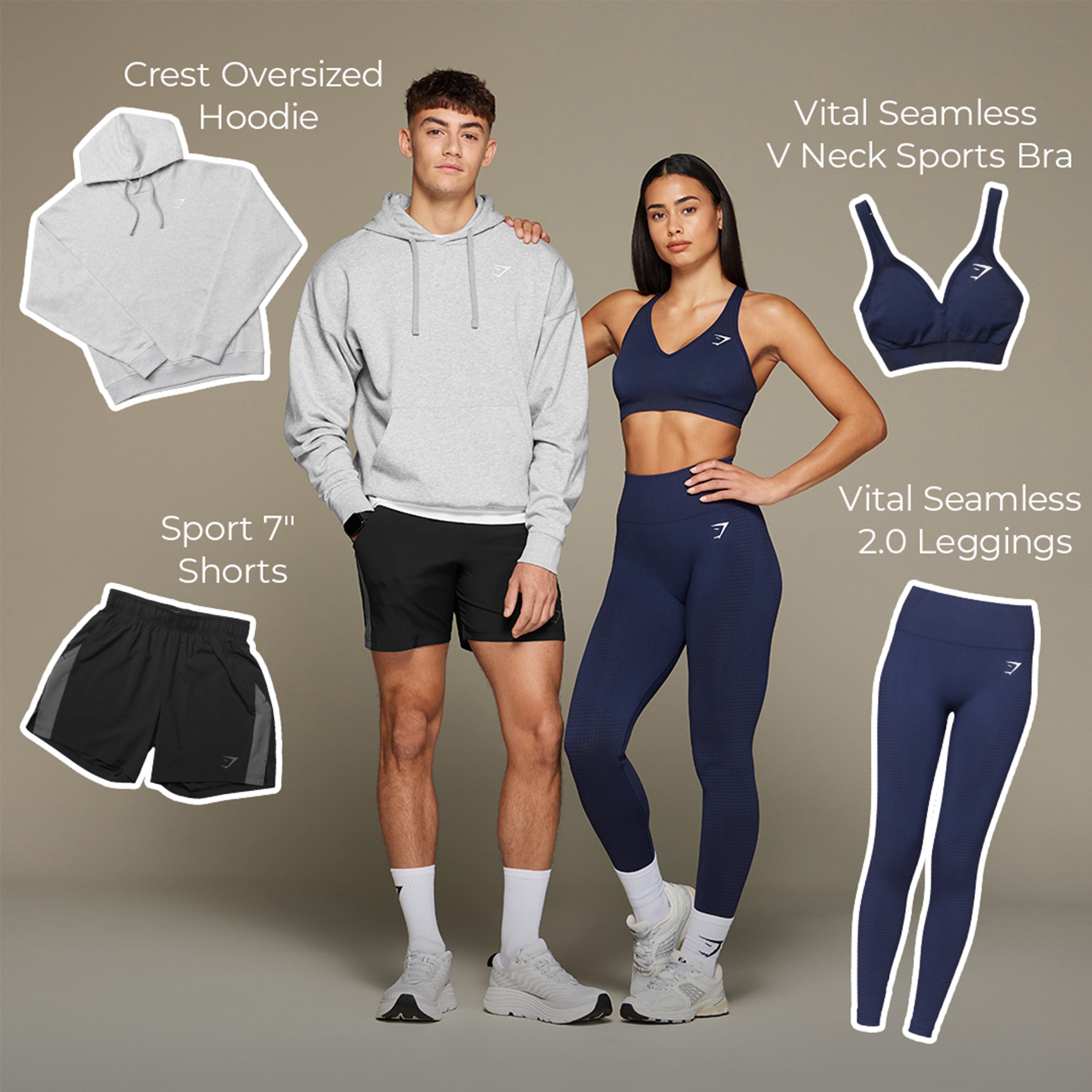
Credit: www.gymshark.com
Special Cases: When To Wash More Or Less Often
Your routine and personal needs may mean washing more or less often than average.
Group Classes Or Shared Equipment
Gyms and classes are full of germs. Always wear fresh clothes when sharing mats or equipment to reduce the risk of infection.
If you’re using rental gear or gym-provided mats, shower and change as soon as possible after class.
Outdoor Workouts
Training outside can add dirt, pollen, and pollution to your clothes. Wash after each wear, especially if you notice visible dirt.
For trail running or outdoor boot camps, always check for mud or plant debris before tossing clothes in the wash.
Sensitive Skin Or Allergies
If you’re prone to rashes or breakouts, always wear clean clothes and use fragrance-free detergent.
Some people benefit from double-rinsing their gym wear to remove all traces of soap or softener.
Travel Or No Laundry Access
If you can’t wash your gym clothes right away, let them dry fully and store them in a breathable bag. Wash as soon as you have access.
Quick-dry towels and travel detergent can help you keep gear fresh on the go.
How Top Athletes And Fitness Experts Handle Gym Clothes
Professional athletes and trainers have strict routines for their gear. Here’s what you can learn from them:
- Always change immediately after a workout. No matter how short the session.
- Own enough gear for daily changes. Many have a separate set for each day.
- Focus on technical fabrics. They choose moisture-wicking, odor-resistant materials.
- Deep clean regularly. Gear is washed with antibacterial solutions or vinegar to prevent buildup.
- Store in breathable bags. No plastic bags or sealed containers.
Even if you’re not a pro, these habits help you stay healthy and comfortable.
One non-obvious habit: Some athletes soak their gear in diluted vinegar once a month to eliminate bacteria and odors. Others keep a small stash of “emergency” clothes in their gym locker or car for days when they forget to pack clean gear.
Frequently Asked Questions
How Many Times Can I Wear Gym Leggings Before Washing?
For most people, gym leggings should be washed after every use, especially if you sweat a lot or do high-intensity workouts. If you only did a short, low-sweat session, you might wear them twice, but always check for odor or dampness first.
Is It Safe To Re-wear A Gym Shirt If I Didn’t Sweat Much?
If your workout was very light and you didn’t sweat, you might re-wear a gym shirt once. However, it’s best to air it out fully and check for any smell or stains before wearing again.
Can I Use Regular Detergent For Washing Activewear?
You can use regular detergent, but gentle or sport-specific detergents work better for technical fabrics. Avoid using too much detergent or fabric softener, as these can damage moisture-wicking materials.
What Are The Risks Of Wearing Dirty Gym Clothes?
Wearing dirty gym clothes can lead to skin infections, rashes, body odor, and fabric damage. Bacteria and fungi thrive in sweaty fabrics, increasing the risk of health problems, especially with repeated use.
How Can I Reduce Odor In My Gym Clothes?
To reduce odor, wash clothes promptly, let them air dry, and avoid leaving them in closed bags. Use a vinegar rinse or baking soda for extra freshness. Technical fabrics with odor resistance can also help. For more details on bacteria and odor, see this CDC resource.
Keeping your gym clothes clean and fresh is more than just a matter of comfort—it’s about health, performance, and confidence. By understanding when to wash, how to care for different fabrics, and what mistakes to avoid, you’ll feel better every time you train. Whether you’re new to fitness or a seasoned athlete, smart habits will help you get the most from your gear and your workouts.
