

How Often Should You Wash Tank Tops for Freshness and Comfort
Wearing a tank top feels easy and comfortable, but when it comes to washing, things can get confusing. You might wonder, “Do I need to wash my tank top after every wear? ” or “Can I wear it a few times before laundry day?
” Washing too often might wear out the fabric, but not washing enough could lead to odor and bacteria. This guide will give you clear answers and practical advice on how often you should wash tank tops, whether you wear them for workouts, layering, or just relaxing at home.
Why Washing Frequency Matters
Washing your tank tops at the right time helps them last longer and keeps your skin healthy. Sweat, body oils, deodorant, and even dust collect on clothes, especially those that touch your skin directly like tank tops. Washing too often can fade colors and stretch fabric, but washing too little can cause smells and skin problems.
People often forget that washing habits impact the environment too. Washing clothes uses water, energy, and detergent. Being smart about how often you wash your tank tops can help protect the planet and save money.
Factors That Affect How Often You Should Wash Tank Tops
There is no single answer for everyone. The right washing frequency depends on several factors:
1. Activity Level
If you wear a tank top while exercising, it will absorb more sweat and bacteria. This means you should wash it after every use. On the other hand, if you wear it just for a few hours at home without much physical activity, you can wear it again before washing.
2. Weather And Climate
Hot and humid weather makes you sweat more, so your tank top gets dirty faster. In cooler or less humid climates, you may not need to wash as often.
3. Skin Type
People with oily skin or those who sweat more may need to wash tank tops more often. If your skin is dry and you don’t sweat much, you can wear it longer.
4. Tank Top Material
Natural fibers like cotton absorb sweat and odors more than synthetic fabrics like polyester. However, some athletic tank tops use special materials that are quick-drying and odor-resistant, so they can be worn more than once.
5. Purpose Of Use
Tank tops used as an undergarment should be washed after every wear. Those worn as outerwear or for layering may need less frequent washing.
General Guidelines For Washing Tank Tops
Let’s break down how often you should wash tank tops based on their use:
| Type of Use | Washing Frequency | Reason |
|---|---|---|
| Exercise/Sports | After every use | Sweat, bacteria, odor buildup |
| As an Undershirt | After every wear | Direct contact with skin and sweat |
| Casual Wear (Short Time) | Every 2–3 wears | Less sweat, less dirt |
| Layering (No direct skin contact) | Every 3–4 wears | Minimal contact, stays cleaner |
| Sleepwear | Every 2–3 wears | Depends on sweating during sleep |
How Sweat And Odor Affect Washing Needs
Sweat does more than just make your tank top wet. It provides a place for bacteria to grow. These bacteria cause bad smells and can irritate your skin. If you notice your tank top smells even after airing it out, it’s time to wash.
One insight many people miss: odor molecules can stay trapped in synthetic fabrics even after drying, so if your polyester tank top smells, wash it, don’t just air it out.
For people who use antiperspirant or deodorant, washing after every wear is often best. These products can build up in the fabric, causing stains and making the tank top less breathable.
Material Differences: Cotton Vs. Synthetic Tank Tops
The fabric of your tank top matters a lot. Here’s how washing needs change by material:
| Material | Washing Frequency | Special Care |
|---|---|---|
| Cotton | After 1-2 wears | Can shrink in hot water, wash in cold for longevity |
| Polyester/Spandex | After 1-2 wears (workout: after each wear) | Avoid high heat, quick-drying, can trap odors |
| Wool/Modal/Bamboo | Every 2-3 wears | Gentle cycle, air dry to prevent damage |
| Performance Fabrics | After each wear (if used for sports) | Follow brand instructions, skip fabric softener |
How To Tell If A Tank Top Needs Washing
Sometimes, the answer is obvious. But other times, you might not be sure. Here are signs your tank top needs to go in the laundry:
- Visible stains – Sweat marks, deodorant stains, or food spills.
- Smell – If you notice any odor, even faint, it’s time to wash.
- Stretch or sag – Fabric loses shape after wearing.
- Itchiness – If your skin feels itchy, bacteria or dirt may be present.
- Sticky or damp feeling – Even if it looks clean, a sticky feeling means sweat and oils are present.
A less obvious tip: Check the armpit area. Sometimes, the rest of the tank top feels fine, but the underarm part holds odor and sweat.
Washing Frequency For Different Scenarios
To make things clear, let’s look at common situations:
After Gym Or Sports
Always wash your tank top after working out. Sweat, body oils, and gym bacteria build up fast. Even if it looks clean, don’t reuse it without washing.
As An Undershirt
Tank tops worn under shirts absorb sweat and protect your outer shirt. Wash after every wear to avoid odor and fabric yellowing.
For Layering
If you wear a tank top under a jacket or sweater and don’t sweat, you can wear it two or three times before washing. Air it out between uses to keep it fresh.
For Sleep
If you sweat a lot during sleep, wash after every night. If you stay cool and dry, washing every two or three nights is okay.
Casual Day Out
For short trips or light activity, you can wear the same tank top a second time if it still smells fresh and looks clean.
How Washing Affects Tank Top Lifespan
Washing tank tops too often can wear out the fabric, fade colors, and stretch the material. But not washing enough can cause stains and permanent odors.
Here are two things many people overlook:
- Detergent residue builds up if you don’t rinse well. This can make tank tops stiff and less comfortable.
- Fabric softener can block moisture-wicking fabrics, making sports tank tops less effective.
If you want your tank tops to last longer, wash only when needed and follow the care label.
Smart Laundry Tips For Tank Tops
Washing tank tops the right way helps them look good and feel comfortable longer. Here’s what to do:
- Use cold water to prevent shrinking and fading, especially for cotton.
- Turn inside out before washing to protect colors and prints.
- Use a gentle cycle for delicate fabrics like bamboo or modal.
- Avoid fabric softener for athletic tank tops—it can coat fibers and trap odors.
- Air dry when possible. High heat can damage elastic fibers.
- Don’t overload the washing machine. Clothes need space to move for a proper clean.
A practical tip: For tough odors, soak tank tops in a mix of water and a little vinegar before washing. This helps remove stubborn smells.
Comparing Washing Needs: Tank Tops Vs. Other Clothing
Understanding how tank tops fit into your overall laundry routine helps you plan better.
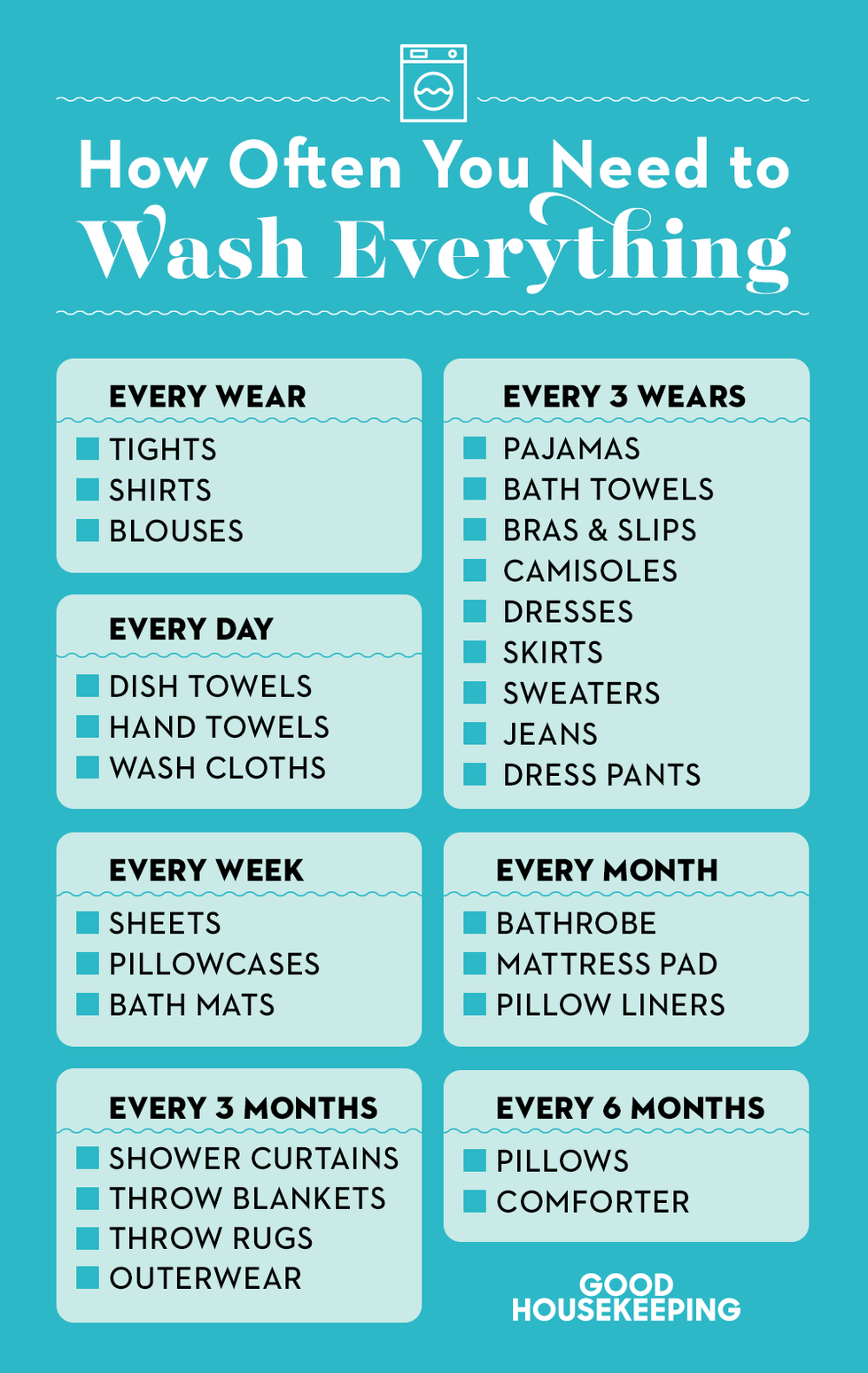
| Clothing Type | Washing Frequency | Special Notes |
|---|---|---|
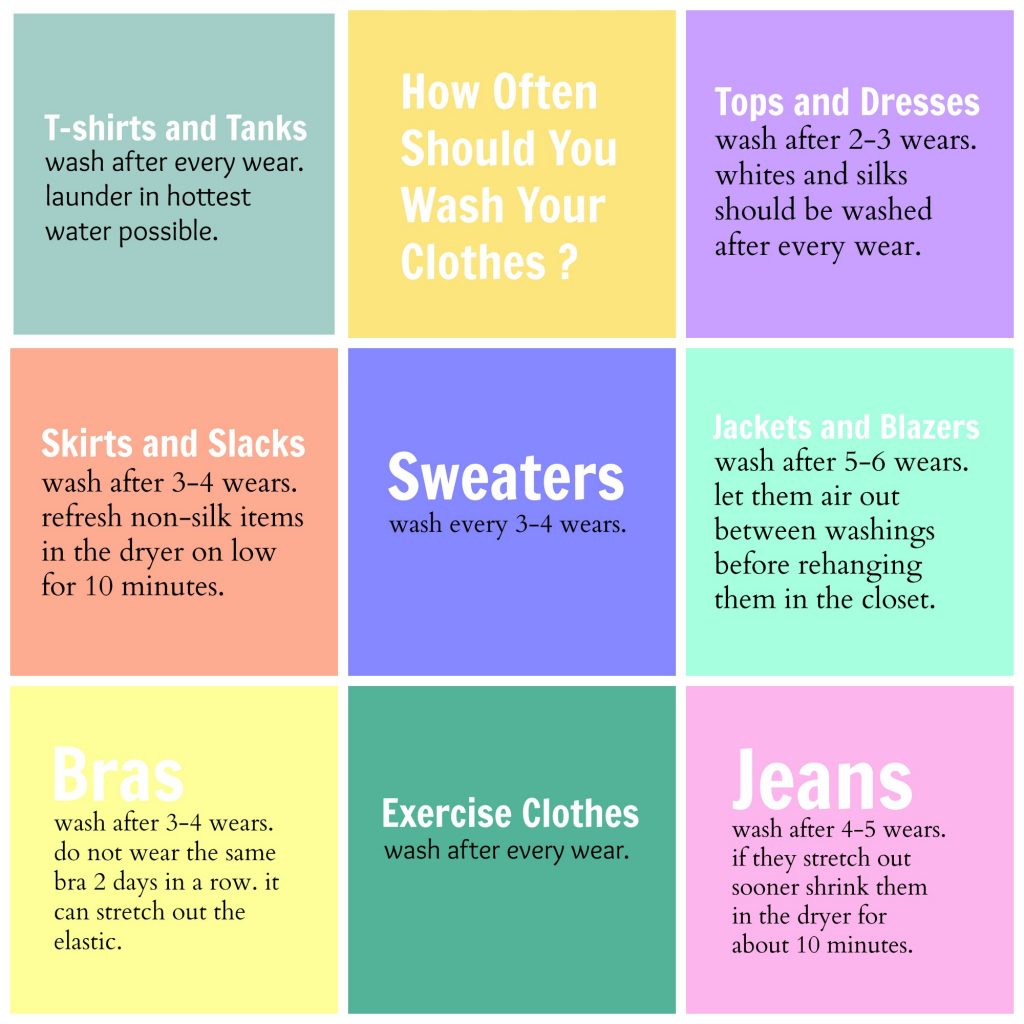
| Tank tops | After 1–3 wears | Depends on activity and material |
| T-shirts | After 1–2 wears | More coverage, often needs more frequent wash |
| Jeans | Every 4–5 wears | Less contact with sweat, air out between wears |
| Underwear | After every wear | Direct skin contact, always wash |
| Sweaters | Every 5–7 wears | Worn over other clothes, less sweat |
| Socks | After every wear | Absorbs sweat, always wash |
| Sports bras | After each workout | High sweat, wash every time |
Credit: organizeyourstuffnow.com
Mistakes People Make When Washing Tank Tops
Even experienced laundry-doers can make mistakes. Here are some common errors:
Overwashing
Washing after every short wear, even when the tank top is clean, can make it wear out quickly.
Using Too Much Detergent
More detergent doesn’t mean cleaner clothes. It can leave residue, making fabric stiff and irritating your skin.
Ignoring The Care Label
Each tank top may have specific instructions. Not following them can cause shrinking, fading, or stretched fabric.
Using High Heat
Drying with high heat can break down elastic fibers in tank tops, especially those with spandex.
Not Separating Colors
Washing dark and light tank tops together can cause color bleeding and fading.
A less obvious mistake: Not washing new tank tops before first wear. Many new clothes have chemicals from production that can irritate skin.
How To Keep Tank Tops Fresh Between Washes
Sometimes you want to wear a tank top again without washing. Here’s how to keep it fresh:
- Hang to air out after wearing. Don’t leave it in a gym bag or pile.
- Use a fabric refresher spray to neutralize odors (avoid if you have sensitive skin).
- Store in a dry place. Humidity can cause mildew and smells.
- Spot clean small stains or marks instead of washing the whole tank top.
An overlooked trick: Sunlight kills bacteria. Hang your tank top in direct sunlight for a few hours to refresh it naturally.
How Lifestyle And Habits Affect Washing Frequency
No two people wear tank tops the same way. Here’s how your lifestyle makes a difference:
- Athletes or gym goers: Wash after every use. Sweat and bacteria build up quickly.
- Office workers: If you wear a tank top under a shirt, wash after each day.
- People working from home: If you’re not moving much or sweating, you can wear it multiple times.
- Travelers: Pack enough tank tops for each day, or plan to hand wash and air dry if necessary.
Personal hygiene habits also matter. If you shower twice a day and use deodorant, your tank top may stay fresh longer than if you skip showers.
Washing Tank Tops: Special Circumstances
Sometimes, you’ll need to change your routine for special situations:
Sensitive Skin Or Allergies
Wash tank tops after every wear if you have sensitive skin. Detergent, sweat, and bacteria can cause irritation or rashes.
Illness
If you’re sick, wash tank tops and all clothes after each wear to avoid spreading germs.
Outdoor Activities
Hiking, gardening, or outdoor sports? Wash after each use, even if you don’t sweat much. Dirt, pollen, and sunscreen can stick to fabric.
Traveling
If you can’t wash clothes often, choose quick-drying, odor-resistant fabrics and wash by hand when possible.
Environmental Impact Of Washing Tank Tops
Frequent washing uses water, electricity, and chemicals. If you’re eco-conscious, try these ideas:
- Wait until you have a full load before running the washing machine.
- Use eco-friendly detergent for less pollution.
- Air dry whenever possible.
- Choose odor-resistant tank tops made from bamboo, merino wool, or treated synthetics that need less frequent washing.
Did you know? According to the EPA, laundry accounts for a large part of household water use. Washing smart can help the environment.
For more on sustainable laundry, see EPA WaterSense.
How Washing Frequency Impacts Skin Health
Tank tops touch your skin directly. Washing them at the right time can prevent:
- Acne or rashes from sweat, oil, and bacteria buildup.
- Odor that can be embarrassing in social situations.
- Allergic reactions from detergent or fabric softener residue.
If you notice skin problems, try washing your tank tops more often and using fragrance-free, gentle detergent.
Credit: www.servicecore.com
Tank Top Washing Myths
Many people believe things about laundry that aren’t true. Let’s clear up some myths:
“you Must Wash After Every Wear, No Matter What.”
Not always! If you didn’t sweat or get dirty, you can wear it again.
“air Drying Always Keeps Clothes Fresh.”
Air drying helps, but it doesn’t remove bacteria or stains. Wash when needed.
“all Fabrics Are The Same.”
They’re not. Cotton, polyester, bamboo, and other fabrics need different care.
“fabric Softener Is Good For All Tank Tops.”
Wrong! Softener can ruin performance fabrics and trap odors.
“washing In Hot Water Is Best.”
Hot water can shrink and damage some tank tops. Cold water is safer for most.
Signs You’re Washing Too Often (or Not Enough)
If your tank tops are fading, stretching, or getting thin, you might be washing too often. If they smell, feel sticky, or cause skin problems, you’re probably not washing enough.
A helpful tip: Keep track of your laundry routine for a week and see if you notice any changes in how your tank tops look or feel.
The Role Of Proper Storage
Storing tank tops right can keep them fresh longer:
- Fold or hang them in a cool, dry place.
- Avoid stuffing them in a drawer—this can cause wrinkles and trap moisture.
- Use cedar blocks or sachets to prevent musty smells.
Choosing Tank Tops For Easy Care
If you want to wash less often, choose tank tops made from:
- Merino wool: Naturally odor-resistant.
- Bamboo: Breathable, keeps fresh longer.
- Treated synthetics: Some brands use anti-odor technology.
Look For Labels That Say “moisture-wicking,” “quick-dry,” Or “odor-resistant.”

Credit: www.huronacademy.org
When To Retire A Tank Top
Even with good washing habits, tank tops don’t last forever. Replace your tank top if:
- The fabric is thin or see-through.
- It has permanent stains or odors.
- The fit is loose or stretched out.
- Seams or straps are damaged.
Don’t keep old tank tops as sleepwear if they cause skin irritation.
Frequently Asked Questions
How Many Times Can I Wear A Tank Top Before Washing?
Most people can wear a tank top 1–3 times before washing, depending on sweat, activity, and material. If you sweat a lot or use it for sports, wash after every wear.
Can I Wash All Tank Tops Together?
It’s best to separate light and dark colors, and wash delicate fabrics on a gentle cycle. Athletic tank tops should be washed with similar fabrics to avoid damage.
Is It Okay To Air Out A Tank Top Instead Of Washing?
Airing out can refresh a tank top if you didn’t sweat or get it dirty, but it doesn’t remove bacteria or stains. Wash when you notice odor or dirt.
What Is The Best Detergent For Tank Tops?
Use a mild, fragrance-free detergent for most tank tops. For athletic or odor-resistant fabrics, choose a detergent made for sportswear.
Can I Use Fabric Softener On All Tank Tops?
Avoid fabric softener on performance or moisture-wicking fabrics, as it can reduce their effectiveness. For cotton or bamboo, use sparingly if you like a softer feel.
Washing tank tops is not just about routine—it’s about making smart choices for your comfort, health, and the life of your clothes. Next time you wonder if your tank top needs a wash, remember to check the material, activity, and your own comfort level.
With these tips, your tank tops will stay fresh and last longer.
