

How Often Should You Wash Activewear for Best Performance?
How Often Should You Wash Activewear
Most people love the feeling of putting on fresh, clean activewear. But after a long workout, sweaty run, or even a quick yoga session, you might wonder: how often should you actually wash your activewear? Washing too often can make clothes wear out faster. But not washing enough can lead to bad smells, skin irritation, and even damage the special fabrics. This guide gives you clear answers, smart tips, and practical advice to keep your workout clothes looking good, smelling fresh, and lasting longer.
Why Activewear Needs Special Care
Activewear is not like regular clothing. These garments are designed for movement, sweat, and stretch. Most are made from synthetic fabrics like polyester, nylon, or spandex. These materials help wick moisture, stretch with your body, and dry quickly. However, they also trap sweat, body oils, and bacteria much more than cotton or denim.
If you don't wash them properly, bacteria and fungi can build up. This causes strong odors and can even lead to skin problems like rashes or body acne. Activewear also contains elastic fibers that can break down if washed the wrong way or too often. That's why you need to find the right balance.
What Happens If You Don't Wash Activewear Enough?
Leaving dirty activewear unwashed can lead to several problems:
- Odor: Sweat and body oils stick to synthetic fibers. The bacteria that feed on these create strong, hard-to-remove smells.
- Skin Issues: Unwashed workout clothes can cause body acne, rashes, or fungal infections, especially in areas where sweat collects.
- Fabric Damage: Dirt and oils can break down the elastic fibers, making leggings or sports bras lose their stretch.
- Stains: Sweat, deodorant, and body oils can cause yellowing or permanent stains if left unwashed.
Wearing unwashed activewear, even for a short session, can make these issues worse. Some people think airing out clothes is enough, but for activewear, that's not true.
Factors That Affect How Often You Should Wash Activewear
There is no single answer for everyone. How often you need to wash depends on several factors:
1. Intensity Of Activity
- Heavy Workouts: Running, HIIT, or spin classes cause more sweat. Clothes should be washed after every use.
- Light Activity: Yoga, stretching, or walking might not make you sweat much. You might be able to wear these items once or twice before washing.
2. Type Of Garment
- Underwear and Sports Bras: These should be washed after every use. They stay close to the skin and collect sweat.
- Tops and T-shirts: Wash after every sweaty workout. For light stretching, you might get a second wear.
- Shorts and Leggings: If you sweat a lot, wash each time. For low-sweat activities, sometimes a second wear is okay.
- Jackets and Hoodies: If worn over dry clothes and not soaked with sweat, washing every 3–5 wears is usually fine.
3. Personal Sweat Level
People who sweat a lot or have body odor issues should wash after every use. If you sweat little, you might be able to wear some items twice.
4. Weather And Environment
- Hot, humid weather: Clothes get sweatier and must be washed more often.
- Cold, dry weather: Less sweat means you can sometimes wait longer.
5. Fabric Type
Some fabrics are better at resisting odor or drying quickly. For example, Merino wool can sometimes be worn more than once, but most synthetics need more frequent washing.
How Often Should You Wash Each Piece Of Activewear?
To help you decide, here’s a practical breakdown by garment type:
| Activewear Item | Wash Frequency | Notes |
|---|---|---|
| Sports Bra | After every wear | Close to skin, high sweat area |
| Leggings/Tights | After every wear (if sweaty) | Can sometimes wear twice if dry/light activity |
| Shorts | After every wear | Especially if worn without underwear |
| T-shirts/Tops | After every wear | Unless used for low-intensity activity |
| Jackets/Hoodies | Every 3–5 wears | As long as not soaked with sweat |
| Socks | After every wear | High bacteria area |
| Compression Gear | After every wear | Traps sweat and oils |
Key Insight: Even if an item doesn’t “smell,” bacteria can still be present. Trust the activity, not just your nose.
How Sweat And Bacteria Affect Your Clothes
Sweat is mostly water, but it also has salt, ammonia, and tiny bits of protein. When sweat meets skin bacteria, it creates body odor. Synthetic fabrics trap both sweat and bacteria, making the smell stronger and harder to remove. Over time, these bacteria can hide in the fabric and create “permastink”—a smell that won’t go away, even after washing.
If clothes stay damp (like in a gym bag or laundry basket), bacteria and fungus can multiply quickly. This is why activewear should be washed soon after use, especially if it’s wet.
Signs Your Activewear Needs Washing
Don’t always rely on a quick sniff test. Here’s when you should definitely wash:
- Strong odor even after airing out.
- Stains or visible sweat marks.
- Sticky or stiff feeling in the fabric.
- Itchiness or irritation after wearing.
If you notice any of these, wash the item before wearing it again.
Myths About Washing Activewear
There are many opinions about how to care for activewear. Let’s clear up some common myths:
- “You can wear leggings several times if you air them out.”
Not true if you sweat during your workout. Bacteria can’t be removed by just airing out.
- “Activewear will last longer if you hardly ever wash it.”
Actually, sweat and body oils can damage the elastic fibers and cause stains. Washing the right way helps clothes last longer.
- “Sports bras can be worn a few times before washing.”
Sports bras need washing after every use, just like underwear.
- “You need special detergent every time.”
Regular gentle detergents work fine for most people. Special detergents are helpful for removing tough odors but are not always necessary.
How To Wash Activewear Properly
Washing often is important, but so is washing the right way. Here’s how to keep your gear in top shape:
- Turn clothes inside out. This exposes the dirtiest part to the water.
- Use cold water. Hot water can damage elastic fibers.
- Choose a gentle detergent. Avoid heavy fabric softeners—they coat fibers and trap smells.
- Use a gentle cycle. This reduces wear and tear.
- Avoid bleach. It breaks down elastic and fades color.
- Air dry when possible. High heat from dryers can shrink or weaken fabrics.
Tip: Don’t leave sweaty clothes in a gym bag. Wash them as soon as possible, or at least hang them to dry first.

Credit: www.stylist.co.uk
Common Mistakes When Washing Activewear
Many people make the same mistakes that damage their workout clothes:
- Using too much detergent. This can leave residue, making odors worse.
- Washing with towels or jeans. Heavy fabrics can rub and cause pilling or snags.
- Skipping the wash after a tough workout. Sweat and bacteria need to be washed out right away.
- Drying on high heat. This wears out elastic and shortens the life of your clothes.
How Long Can You Go Between Washes?
For most people, the answer is simple: wash after every sweaty workout. But if you didn’t sweat, or only wore the item for a short stretch, you can sometimes wear it again. Here are examples:
- Yoga in air-conditioning, no sweat: You can wear leggings or a top twice.
- Short walk with little sweat: A jacket or hoodie can go 3–5 wears.
- Intense spin class: All items should be washed immediately.
How Your Washing Habits Affect Clothing Lifespan
Washing activewear too often, or the wrong way, can make it wear out faster. But not washing enough also causes damage. The key is smart washing—wash when needed, but use gentle methods.
Here’s a look at how proper care can affect lifespan:
| Washing Habit | Effect on Lifespan | Notes |
|---|---|---|
| Washing after every sweaty use, gentle cycle, air dry | Longer lifespan | Prevents odor, keeps fibers strong |
| Not washing after sweat, rarely washing | Shorter lifespan | Elastic breaks down, stains set in |
| Hot water, dryer, harsh detergents | Much shorter lifespan | Fabrics fade and stretch out |
Odor Control Strategies For Activewear
Odor is a big reason people wash activewear often. If you struggle with smelly gear, try these tips:
- Add white vinegar to the rinse cycle. This helps break down odor-causing bacteria.
- Pre-soak in baking soda before washing. Use 1/2 cup in a sink of water.
- Wash soon after use. The longer sweat sits, the more odor develops.
- Store clothes dry. Never leave sweaty gear in a closed bag.
- Rotate activewear. Give each piece a “rest day” to fully dry between wears.
Is Hand-washing Better For Activewear?
Hand-washing can be gentle, but it’s not always necessary. Most machines have a gentle or “activewear” cycle that works well. However, for delicate items (like expensive leggings or bras), hand-washing is a safe choice.
How to hand-wash:
- Fill a basin with cool water and a little gentle detergent.
- Submerge the clothes and gently agitate.
- Soak for 15–20 minutes.
- Rinse thoroughly.
- Gently squeeze (don’t wring) and lay flat to dry.
What About “anti-odor” Or “antimicrobial” Fabrics?
Some brands sell activewear with antimicrobial treatments or “odor-blocking” technology. These can help reduce smells, but they don’t mean you can skip washing. Sweat, oils, and dirt still build up and can overwhelm the treatment over time. Wash these items just like regular activewear, but you may be able to wear them one extra time for light activity.
Can You Wash All Activewear Together?
Most synthetic workout gear can go in the same wash, but avoid mixing with rough fabrics like towels or jeans. These can cause pilling and damage. Wash similar colors together, and zip up jackets to prevent snagging.
How To Store Activewear Between Wears
If you plan to wear something again before washing:
- Hang it up to air out. Don’t leave it in a pile or bag.
- Keep it away from damp areas. Bacteria grow faster in humidity.
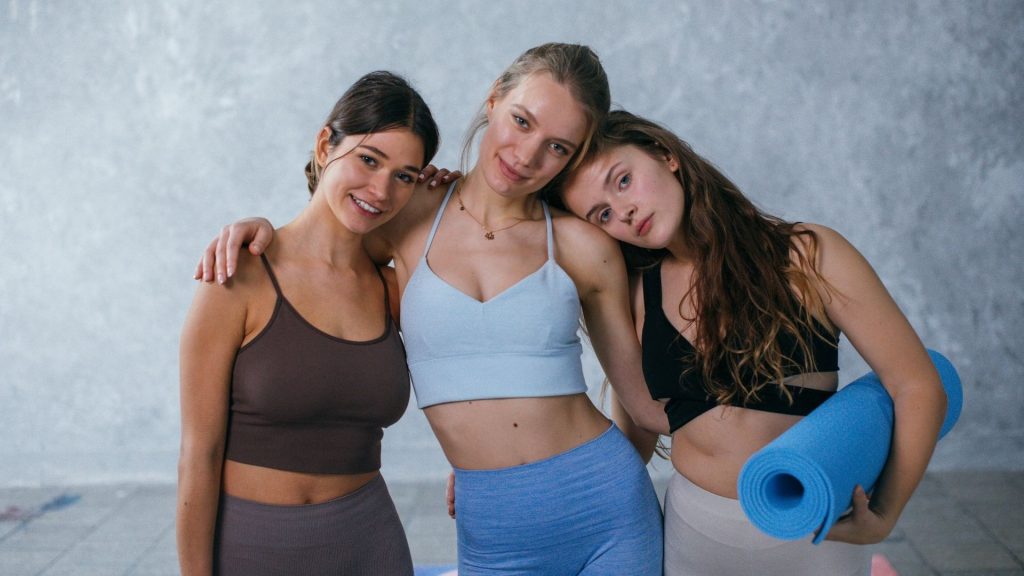
- Don’t fold sweaty clothes. This traps moisture and odor.
Credit: cleanavenuenyc.com
How To Remove Set-in Odors
If your clothes smell bad even after washing, try this:
- Soak in vinegar: Mix 1 part white vinegar with 4 parts water. Soak for 30 minutes.
- Wash as usual: Use gentle detergent, cold water, and skip fabric softener.
- Air dry: Sunlight can help remove smells.
If odor returns quickly, it may be time to retire that item.
How To Make Activewear Last Longer
To keep your favorite gear in great shape:
- Wash only when needed (not after every short wear).
- Use a mesh laundry bag for bras and delicate items.
- Skip the dryer or use the lowest heat setting.
- Store folded or hung up in a dry, cool place.
- Rotate your gear so each piece gets a break.
How Often Do Athletes And Trainers Wash Activewear?
Many athletes and trainers follow strict routines:
- Sports bras and underwear: After every use
- Tops and leggings: After every workout, unless very light activity
- Outer layers: Every few wears, unless sweaty
Professional athletes often keep extra sets of gear to avoid wearing the same item twice in a row.
When Should You Replace Activewear?
No matter how well you care for your gear, it won’t last forever. Signs you need to replace:
- Loss of stretch: Saggy waistbands or straps.
- Permanent stains or odors: Smells won’t wash out.
- Thinning fabric or holes: Less support and coverage.
- Chafing or discomfort: Damaged fabric can irritate skin.
Most activewear lasts longer if you follow smart washing habits.
Credit: lostmembersclub.com
Real-world Examples
Case 1:
Maria does hot yoga three times a week. She washes all her leggings, sports bras, and tops after every session using cold water and air drying. She’s had some leggings last for several years with no odor.
Case 2:
James runs outside daily but only washes his running shorts once a week. He notices they keep a sweaty smell, even fresh from the wash. A specialist tells him bacteria built up in the fibers, and he needs to replace them.
Washing Frequency For Special Fabrics
Some activewear uses special fabrics, like Merino wool or bamboo blends. These can sometimes be worn more than once because they resist odor naturally. However, if you sweat heavily, it’s still best to wash after each use.
| Fabric Type | Typical Wash Frequency | Notes |
|---|---|---|
| Polyester/Spandex | After every wear | Holds sweat/bacteria |
| Merino Wool | Every 1-2 wears | Resists odor, but wash after sweating |
| Bamboo | After every wear | Gentle on skin, but still needs washing |
How To Build A Smart Activewear Rotation
If you exercise often, it helps to have enough gear to rotate. This lets you wash clothes less frequently and lets each piece “rest.” A basic rotation could look like:
- 3–5 sports bras
- 3–5 pairs of leggings or shorts
- 4–6 tops
- 1–2 jackets or hoodies
This way, you’re not forced to wear unwashed gear or run the washing machine every day.
What The Experts Say
Most fitness trainers, dermatologists, and fabric experts agree:
- Wash after every sweaty use is safest.
- Use gentle washing methods to protect fibers.
- Pay attention to signs of odor or fabric damage.
According to the Centers for Disease Control and Prevention, proper washing helps remove bacteria and prevent skin infections. This is especially important for activewear, which traps sweat and germs close to your skin.
Frequently Asked Questions
How Many Times Can You Wear Leggings Before Washing?
Most people should wash leggings after every sweaty workout. If you did a light activity and didn’t sweat, you might wear them again once. But for heavy sweat, always wash after each use to avoid odor and bacteria buildup.
Is It Okay To Use Regular Detergent For Activewear?
Yes, regular gentle detergent works for most activewear. Avoid strong scents and fabric softeners, as they can coat fibers and trap odors. For tough smells, you can use a detergent made for sports clothes, but it’s not always necessary.
Can I Put Activewear In The Dryer?
It’s better to air dry activewear. High heat from dryers can damage elastic fibers and cause shrinkage. If you must use a dryer, select the lowest heat setting and remove clothes while still slightly damp.
What Should I Do If My Activewear Always Smells Bad, Even After Washing?
Try soaking clothes in a mixture of white vinegar and water before washing. Wash promptly and avoid overloading the machine. Persistent odor usually means bacteria is trapped in the fibers. If the smell stays, it may be time to replace the item.
Are “anti-odor” Activewear Fabrics Really Better?
“Anti-odor” or antimicrobial fabrics can help control smells, but they are not magic. You still need to wash these items regularly. For heavy sweating or frequent use, the difference is small, and smart washing habits matter more.
Final Thoughts
Finding the right balance for washing activewear is essential. Wash after every sweaty workout, but don’t overdo it for light use. Use gentle cycles, avoid high heat, and store clothes in a dry place. Pay attention to your body, the type of activity, and the fabric.
With the right care, your activewear will last longer, feel better, and always be ready for your next workout.
