

How Often Should You Replace Workout Clothes for Peak Performance
How Often Should You Replace Workout Clothes
The gym bag often hides a secret: old, stretched, and sometimes smelly workout clothes. Many people keep their exercise gear far longer than they should, risking comfort, hygiene, and even performance. But how do you know when it's time to say goodbye to your favorite leggings or that lucky sweat-wicking shirt? The answer is not as simple as a set number of months or washes. It depends on fabric type, usage, washing habits, and even your own sweat levels.
Ignoring the right time to replace your workout clothes can lead to bad odors, skin irritation, and less effective workouts. On the other hand, tossing clothes too soon can be wasteful and expensive. In this guide, you’ll learn exactly how often to replace workout clothes based on science, practical experience, and real-life examples.
You’ll also find out what factors matter most, how to care for your gear to make it last, and signs it’s time to buy new.
Why Replacement Matters
Workout clothes do more than cover your body. They protect your skin, help control temperature, and let you move freely. Over time, sweat, bacteria, and friction break down the fibers. Old clothes lose their stretch, moisture-wicking ability, and sometimes even their fit.
Wearing gear past its prime can cause:
- Bad odors that don’t wash out
- Chafing and irritation from rough seams and worn fabric
- Reduced performance as sweat stays on your skin
- Embarrassment from see-through or saggy clothing
Replacing workout clothes at the right time keeps you comfortable, healthy, and confident—whether you’re running, cycling, or stretching in a yoga studio.
What Affects How Long Workout Clothes Last
Not all workout clothes are created equal. Here’s what really decides how long your gear will last:
1. Fabric Type
Different materials age at different speeds. Synthetic fabrics (like polyester and nylon) are popular because they wick sweat well and dry fast, but their fibers can hold odors and lose stretch. Natural fibers (like cotton or bamboo) feel soft but can wear out and lose shape quickly, especially with heavy sweating.
2. Frequency Of Use
Wearing the same pair of leggings or a favorite top several times a week puts more stress on the material. The more you use and wash an item, the faster it breaks down.
3. Type Of Workout
High-impact workouts (running, HIIT, CrossFit) can stretch and strain fabric more than low-impact activities (yoga, pilates, walking). Outdoor activities also expose clothes to sunlight, which can fade colors and weaken fibers.
4. Washing And Drying Habits
Washing in hot water, using harsh detergents, or throwing clothes in the dryer can shorten their lifespan. Air drying and gentle wash cycles help workout gear stay strong.
5. Sweat And Body Chemistry
Some people’s sweat is more acidic, which can break down material faster. If your clothes smell bad even after washing, this might be the reason.
6. Fit And Style
Tight-fitting clothes stretch out faster than loose ones. Compression leggings and sports bras, which rely on elasticity, need replacing more often.
How Long Each Type Of Workout Clothing Typically Lasts
Here’s a closer look at the average lifespan for each main type of workout clothing, along with what affects their replacement cycle.
| Clothing Type | Typical Lifespan | Key Signs to Replace |
|---|---|---|
| Sports Bras | 6-12 months | Loss of support, stretched bands, fraying seams |
| Leggings/Tights | 6 months - 2 years | See-through fabric, sagging, loose waistband |
| Tops/Shirts | 1-2 years | Permanently stained, persistent odor, loss of shape |
| Shorts | 1-3 years | Split seams, faded color, no stretch |
| Socks | 6 months - 1 year | Holes, thinned heels/toes, no cushion |
| Jackets/Hoodies | 2-5 years | Zipper problems, pilling, faded material |
| Underwear | 6 months - 1 year | Loose elastic, fabric wear, stains |
These numbers are averages—your gear may last longer or shorter depending on care and use.
Signs You Need To Replace Workout Clothes
Some signs are obvious. Others are easy to miss until you have a problem. Here’s what to watch for:
1. Loss Of Shape Or Stretch
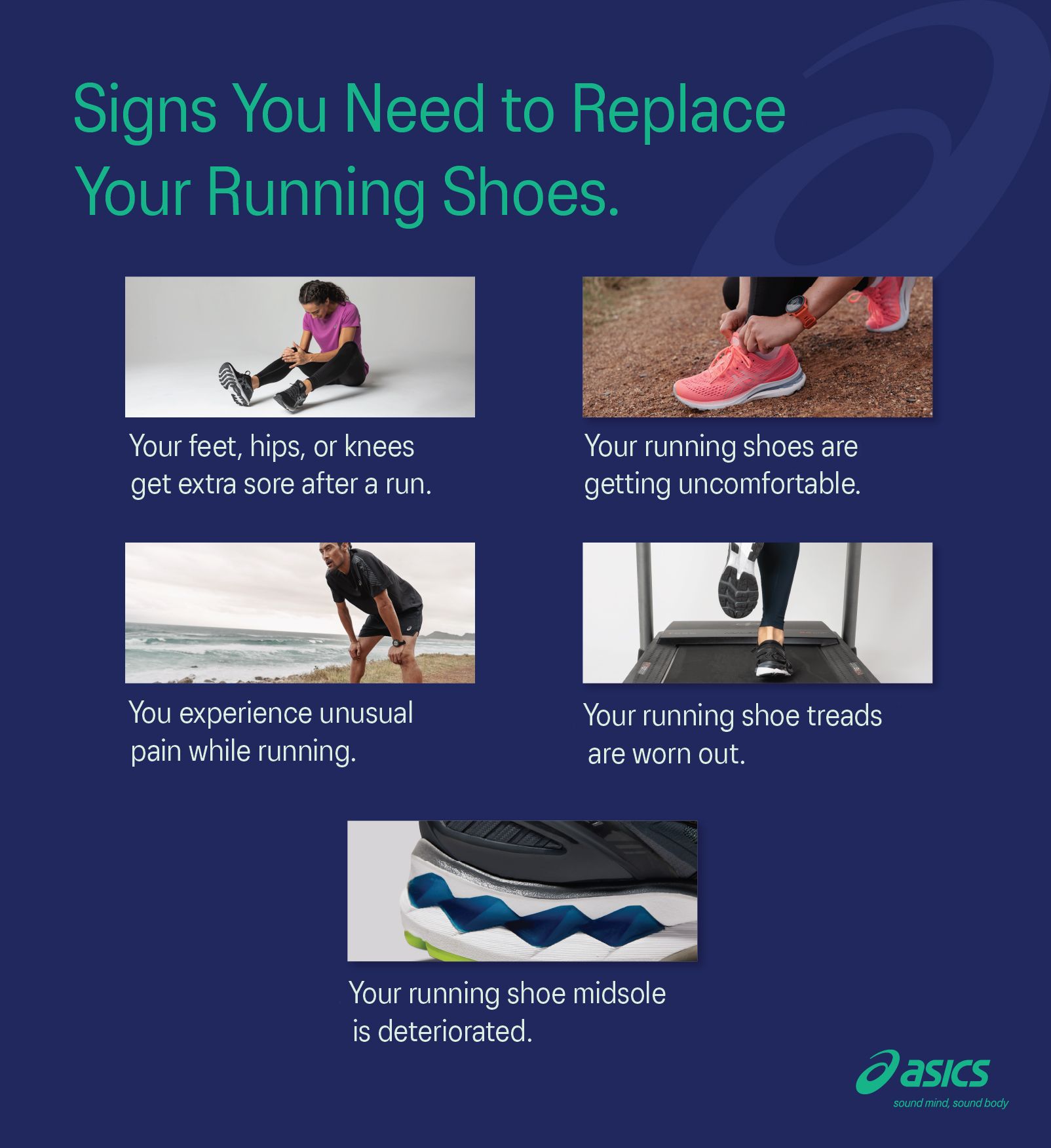
If leggings, bras, or tops are loose, saggy, or no longer snap back after a wash, the elastic fibers are worn out. This means less support and a higher chance of wardrobe malfunctions.
2. Persistent Odor
When clothes smell bad even after washing, bacteria and sweat have built up deep in the fibers. Over time, these smells become impossible to remove.
3. Visible Wear And Tear
Look for holes, thinning fabric, pilling, or frayed seams. These can cause discomfort or embarrassment if they worsen during a workout.
4. Fading And Stains
Clothes that look faded or have stains that won’t wash out can be a sign the material is breaking down. Some stains, especially from deodorant or sweat, can also irritate your skin.
5. Decreased Performance
If clothes don’t wick sweat, breathe, or keep you comfortable like they used to, it’s time to swap them out.
6. Itching Or Skin Irritation
Older clothes can hold bacteria, detergent, and body oils. These can lead to breakouts, rashes, or chafing—clear signals for replacement.
7. Zipper And Fastener Problems
For jackets and sports bras, broken zippers or stretched-out fasteners mean less security and comfort.
8. Transparency
If you can see your underwear through leggings or shorts, the fabric is too thin and no longer doing its job.
How Often To Replace Each Type Of Workout Clothing
Let’s look deeper at the most common workout clothes and when to replace each one.
Sports Bras
Sports bras lose their elasticity and support faster than other workout gear, especially if used often. Signs you need a new one:
- The band feels loose or rides up
- The straps slip or dig in
- The fabric is thin or see-through
- You notice more bounce during exercise
Replace every 6-12 months if you wear them several times per week. If you have a large collection and rotate often, you can wait longer, but always check for support.
Leggings And Tights
Leggings take a lot of stretching and sweat. Over time, they can become see-through, baggy, or develop holes.
- Stand in bright light and bend over—if you can see skin or underwear, it’s time for new ones
- If the waistband rolls down or the legs sag, the elastic has gone
- Holes or pilling at seams are clear signals
Expect to replace every 6 months to 2 years, depending on use and care.
Tops And T-shirts
Workout tops last longer than leggings but still face sweat and stretching.
- Bad smells that survive washing mean the fabric is done
- If the shirt loses its shape or develops holes, it’s time to toss it
- Stubborn stains can also be a reason to replace
Most people replace tops every 1-2 years, but heavy users might need to do it sooner.
Shorts
Shorts, especially for running or cycling, can fade, lose stretch, or rip at seams.
- Check for loose elastic, split seams, or see-through fabric
- If the fit feels wrong or uncomfortable, consider new ones
Replace every 1-3 years.
Socks
Socks protect your feet from blisters and absorb sweat. Thin, worn socks can lead to discomfort and even injuries.
- Replace if you see holes, thin spots, or if the socks slide down during use
- Odor that won’t wash out is also a sign
Most people need new socks every 6 months to a year.
Jackets And Hoodies
These outer layers last longer but still face wear from washing and weather.
- Replace if the zipper fails, material pills, or water resistance fades
- Faded color or shape loss means it’s time for a new one
You can often keep these 2-5 years with proper care.
Underwear
Special workout underwear is made for moisture and movement. If it loses shape, stays damp, or smells bad after washing, replace it.
- Look for loose elastic, holes, or persistent stains
Replace every 6 months to a year.
How Your Workout Habits Affect Replacement
Your workout routine has a big impact on how quickly clothes wear out.
High-intensity Workouts
If you run, do HIIT, or lift heavy, your gear will stretch and sweat more. Expect to replace items sooner than someone who walks or does yoga.
Outdoor Exercise
Sun, rain, and rough surfaces wear down clothes. UV rays can break down elastic and fade color, while mud and grit can be hard to wash out.
Sweating Level
Heavy sweaters should watch for odor and bacteria build-up. Quick-drying synthetic clothes are best for sweat, but they need replacing as soon as they hold smells.
Frequency Of Washing
Washing after every use is smart for hygiene, but it also wears out fabric faster. Try to wash in cold water and air dry when possible.
How To Make Workout Clothes Last Longer
While replacement is sometimes unavoidable, you can stretch the life of your workout gear with a few smart habits.
1. Rotate Your Gear
Having several sets means each item gets used and washed less often. This slows down wear and tear.
2. Wash In Cold Water
Hot water can break down stretchy fibers and fade colors. Cold water is gentler and still cleans well if you use the right detergent.
3. Skip The Dryer
High heat can ruin elastic and cause shrinking. Air dry your clothes whenever you can.
4. Use Gentle Detergents
Choose a detergent made for activewear or gentle fabrics. Avoid fabric softeners—they coat fibers and reduce moisture-wicking ability.
5. Wash Soon After Use
Don’t let sweaty clothes sit in your gym bag for days. Wash them as soon as possible to stop bacteria and odor.
6. Turn Clothes Inside Out
Washing inside out protects colors and removes sweat and oil from the side that touches your skin.
7. Store Properly
Keep workout clothes in a dry, cool place. Damp bags or lockers encourage bacteria and mildew.
How To Choose Durable Workout Clothes
Sometimes, buying better gear means you won’t have to replace it as often. Here’s what to look for:
Quality Over Quantity
One well-made pair of leggings can last longer than three cheap ones. Look for:
- Double-stitched seams
- High-quality fabric blends (like nylon and spandex)
- Reviews about durability
The Right Fit
Clothes that are too tight stretch out faster, while loose clothes can catch and tear. Try different brands and sizes to find your best fit.
Purpose-built Features
If you do a specific sport, buy clothes made for it. Running shorts, for example, will last longer for runners than general gym shorts.
Brand Reputation
Research brands known for lasting quality. Sometimes the extra cost up front saves money in the long run.
Care Instructions
Always read the label. Some clothes need special care to keep their properties.
Comparing Budget Vs. Premium Workout Clothes
Many people wonder if expensive gear is worth it. Here’s a comparison to help you decide.
| Feature | Budget Clothes | Premium Clothes |
|---|---|---|
| Fabric Quality | Basic, may lose shape faster | Advanced blends, better stretch and durability |
| Odor Control | May hold smells | Often treated for odor resistance |
| Fit | Standard, less precise sizing | More size options, better fit |
| Care Needs | Usually machine wash and dry | May require special care |
| Lifespan | 6-12 months (heavy use) | 1-2 years or more |
| Cost | Low upfront | Higher upfront, lower cost per wear |
Non-obvious insight: Even premium gear won’t last if you ignore care instructions. Sometimes, budget clothes with careful washing can outlast poorly cared-for expensive gear.
When Not To Replace Workout Clothes
There are times when you can keep your gear a bit longer:
- Minor pilling: If pilling is small and not uncomfortable, it’s a cosmetic issue.
- Fading: If you don’t mind the look, faded colors are not a problem for function.
- Loose threads: Trim them with scissors instead of tossing the item.
But always replace if support, fit, or hygiene is compromised.
Environmental Impact Of Replacing Workout Clothes
Fast fashion and frequent replacement are tough on the planet. Synthetic workout clothes often end up in landfills. To reduce waste:
- Buy only what you need
- Choose recycled or eco-friendly fabrics when possible
- Repurpose old clothes as cleaning rags or donate if still wearable
Some brands offer recycling programs for old gear. Supporting these helps reduce your environmental footprint.
How To Dispose Of Old Workout Clothes
Throwing worn-out clothes in the trash should be a last resort. Here are better options:
- Donate: Many organizations accept gently used workout gear.
- Recycle: Some stores and brands collect old clothes for textile recycling.
- Repurpose: Use old shirts or socks for cleaning, gardening, or crafts.
- Resell: If your gear is still in good shape but doesn’t fit, sell it online.
Check your local area for recycling programs or charities that accept activewear.
The Hidden Cost Of Not Replacing Workout Clothes
Keeping old, worn clothes can seem frugal, but it carries hidden risks:
- Injury: Worn socks or shoes can cause blisters and joint pain.
- Skin problems: Old fabric can hold bacteria, causing acne or rashes.
- Embarrassment: Unexpected tears or see-through fabric can be awkward.
Replacing clothes when needed protects your health and confidence.
Examples From Real-life Athletes
Professional athletes and fitness trainers often replace their gear much more often than casual exercisers. For example, marathon runners may get new socks and shorts every few months, while yoga teachers might change their leggings once a year.
One non-obvious tip from trainers: They track their gear’s age and replace based on use, not just visible damage. Keeping a simple log or writing the purchase date on the label can help you do the same.
Making A Replacement Plan That Works For You
Every person’s needs are different. Here’s how to build your own plan:
- Count how many times you work out per week.
- List what types of clothes you wear most.
- Check current gear for the signs mentioned above.
- Set reminders on your phone or calendar every 6-12 months to review your wardrobe.
- Rotate in new pieces gradually instead of buying everything at once.
This system helps you avoid sudden, expensive shopping trips and keeps your gym bag fresh.
Common Mistakes To Avoid
- Ignoring odor: If clothes still smell after washing, don’t keep using them.
- Over-washing: Washing after every use is smart, but overusing the dryer shortens life.
- Buying too many: Large wardrobes mean items may never get used before they wear out in storage.
- Wearing the same set: Overusing one favorite piece means faster replacement.
Credit: www.thighsociety.ca
Myths About Workout Clothes Replacement
- “If it looks fine, it’s fine.” Many problems are invisible—like loss of stretch or bacteria buildup.
- “Expensive gear lasts forever.” All workout clothes need replacing at some point.
- “I can fix everything with a wash.” Some odors and bacteria cannot be removed, no matter how much you wash.
Latest Innovations That Extend Lifespan
Some new technologies help workout clothes last longer:
- Anti-odor treatments: Block bacteria growth
- Reinforced seams: Prevent tears in high-stress areas
- Eco-fabrics: Designed to be stronger and more sustainable
Brands now offer performance guarantees on select items. Check for these features when you shop.
Credit: www.asics.com
Comparing Replacement Cycles: Casual Vs. Serious Athletes
Here’s a quick look at how often different types of users replace their workout gear:
| User Type | Sports Bras | Leggings | Tops | Socks |
|---|---|---|---|---|
| Casual (2-3x/week) | Every 12 months | Every 18-24 months | Every 18-24 months | Every 12 months |
| Serious (5-7x/week) | Every 6-8 months | Every 6-12 months | Every 12 months | Every 6 months |
Non-obvious insight: Even if you’re casual, leaving sweat in clothes for long periods can shorten their life, so always wash soon after use.
Useful Tools And Apps To Track Clothing Lifespan
Several fitness and wardrobe apps can help you track what you own and remind you when to replace items. Simple methods like writing the purchase date on the tag also work well.
Some popular options:
- Closet management apps: Track number of wears and washes
- Fitness trackers: Log workouts and suggest gear replacement
- Calendar reminders: Schedule wardrobe check-ups
Credit: www.reddit.com
Final Thoughts
Replacing workout clothes at the right time keeps you comfortable, safe, and confident. There’s no single rule for everyone, but paying attention to fabric, fit, odor, and support helps you decide. Regular checks, smart shopping, and good care habits can make your gear last longer and save money in the long run.
Remember, your workout clothes are part of your fitness journey—treat them well, and they’ll support you every step, squat, and sprint.
For more on textile care and clothing durability, see this helpful resource: Good Housekeeping Clothing Care.
Frequently Asked Questions
How Do I Know If My Workout Clothes Are Too Old?
Look for loss of stretch, persistent odor, holes, or fading. If your gear doesn’t feel supportive or comfortable, it’s time for new.
Can I Make Workout Clothes Last Longer?
Yes. Washing in cold water, air drying, and rotating between sets helps gear last longer. Avoid high heat and harsh detergents.
Is It Bad To Keep Using Smelly Workout Clothes?
Yes. Odor means bacteria is deep in the fibers, which can cause skin irritation and infection. Replace smelly clothes even if they look fine.
Do Expensive Workout Clothes Really Last Longer?
Often, premium gear uses better materials and construction, but you still need to care for them. Sometimes, careful care extends the life of budget gear as well.
Can I Recycle Old Workout Clothes?
Many brands and stores offer recycling programs for old activewear. You can also repurpose or donate items in good condition. Check your local area for options.
