

How Often Does the Average Person Go to the Gym? Surprising Stats
Going to the gym is a habit many people want to build, but not everyone knows what’s normal or healthy. You might wonder, “How often does the average person go to the gym? ” Understanding this can help you set realistic goals, compare your routine with others, and know what works for different lifestyles.
The answer isn’t as simple as one number. It depends on age, location, motivation, and many other factors.
This article explores the real gym attendance habits around the world. We’ll look at what research says, why people go (or don’t go), and how often experts recommend visiting the gym. You’ll see useful data, real-world examples, and practical tips to help you find the right balance for your life.
Whether you’re a beginner, a busy worker, or just curious, you’ll find valuable insights here to guide your fitness journey.
What The Statistics Say About Gym Attendance
Many people are surprised to learn how varied gym attendance actually is. Several studies and industry reports track how often people work out at fitness centers. These numbers show interesting trends and patterns.
One major fitness industry report found that about 18% of adults have a gym membership. But having a membership does not mean everyone goes regularly. On average, gym members visit around 2 times per week. Some sources say the number is closer to 1.8 visits, while others report up to 3 times weekly.
Here’s a simple breakdown:
| Frequency | Percentage of Gym Members |
|---|---|
| 0-1 times/week | 30% |
| 2-3 times/week | 50% |
| 4+ times/week | 20% |
This table shows that half of gym members go 2-3 times per week. About a third rarely go, and only a fifth are very frequent visitors.
But what about people without memberships? Surveys show that many people exercise outside the gym or not at all. When you include everyone, the average person goes to the gym less than once per week.
Looking deeper, it’s clear that attendance can be inconsistent for many people. For example, some join a gym with excitement and go often for a month, but then stop for weeks. This “on and off” pattern makes the true average lower than most people expect.
In fact, many gyms rely on members who pay but rarely show up—sometimes called “ghost members. ” This helps explain why gym attendance statistics can seem higher than what you see at your local gym.
Factors That Affect How Often People Go
Your gym attendance depends on much more than motivation. Many factors shape the habits of the average person.
Age And Life Stage
Younger adults, especially those in their 20s and 30s, are the most likely to visit the gym regularly. This age group often has more free time and energy, and many people focus on health, appearance, or social life at this stage.
As people get older, family and work commitments often reduce gym time. For example, parents may find it hard to fit gym sessions into their schedules, while older adults might prefer less intense activities like walking or swimming. Teenagers may also go less due to school or limited access.
In some places, age restrictions limit gym use for those under 18.
Location
People living in large cities are more likely to have a nearby gym and use it. Cities often have many types of gyms, from budget chains to boutique studios, making it easier to find a good fit. In rural areas, gym attendance rates are much lower, partly because there are fewer facilities.
Also, long travel times can make regular visits hard. In these areas, people might choose outdoor activities or create small home gyms instead.
Income
Higher income often means more access to fitness centers, but it does not always mean higher attendance. Some high earners pay for memberships but rarely go. Those with less income may skip gyms due to cost. However, free or low-cost community centers and outdoor spaces can help.
Sometimes, people with limited income are more creative, using bodyweight exercises or running in parks. In contrast, some people buy expensive memberships for status, not for regular exercise.
Motivation And Goals
People with strong fitness goals—like training for a sport or losing weight—visit more often. Others go less if their goals are unclear or they lack motivation. For example, someone training for a marathon may visit the gym several times a week, while someone aiming for general health might go less often.
Clear, realistic goals tend to support better attendance. Some people also use the gym as a way to manage stress or as a social outlet, which can affect how often they go.
Time And Schedule
Busy work schedules, family duties, or school often limit how often people can visit the gym. Shift workers, students, and parents often find it challenging to create a routine. Some people prefer home workouts for convenience. Others might choose to exercise early in the morning or late at night to fit workouts into their day.
Flexibility is key—people who plan their sessions in advance tend to stick with their routines better.
Social Influence
Friends, family, or workout groups can encourage more frequent gym visits. Many people go with a friend to stay accountable. Group fitness classes and team sports also help people stay motivated. If your social circle values fitness, you’re more likely to go regularly.
On the other hand, if your friends are not active, you might feel less motivated to go.
Another factor is workplace wellness programs. Some companies offer gym discounts or encourage exercise, which can boost attendance among employees.
Global Differences In Gym Habits
Gym-going habits are different around the world. In some countries, fitness culture is strong, and gyms are very common. In others, outdoor exercise or home workouts are more popular.
| Country | Average Gym Visits per Week |
|---|---|
| United States | 2.1 |
| United Kingdom | 1.6 |
| Germany | 1.8 |
| Japan | 1.2 |
| Brazil | 1.4 |
For example, people in the United States visit gyms more often than those in Japan or Brazil. But in some cultures, outdoor sports or walking are preferred over gyms.
Cultural values have a large impact. For instance, in Scandinavian countries, outdoor activities like running, cycling, and skiing are very popular, sometimes more than going to a gym. In some Asian countries, group exercises in parks, such as tai chi, are common.
In places with good weather year-round, people might choose outdoor swimming or team sports.
Access to facilities also makes a difference. In developing countries, fewer commercial gyms mean people find other ways to stay fit. In some places, public exercise equipment is installed in parks, which encourages outdoor workouts.
What Health Experts Recommend
You might wonder if the average gym attendance matches what health experts suggest. Most guidelines focus on physical activity, not just gym visits.
The World Health Organization recommends that adults get at least 150 minutes of moderate exercise per week (or 75 minutes of vigorous activity). For many, this means going to the gym 3-5 times per week, but the type of exercise matters too.
Gym Vs. Other Physical Activity
It’s important to remember that going to the gym is not the only way to exercise. Activities like walking, running, swimming, or cycling also count. Gardening, dancing, and active sports like soccer or basketball are also valid forms of exercise. Some people reach fitness goals without ever visiting a gym.
Mixing different types of activity can make fitness more enjoyable and less likely to cause boredom or injury. For example, someone might walk to work, play tennis on weekends, and go to the gym twice a week for strength training.
Is More Always Better?
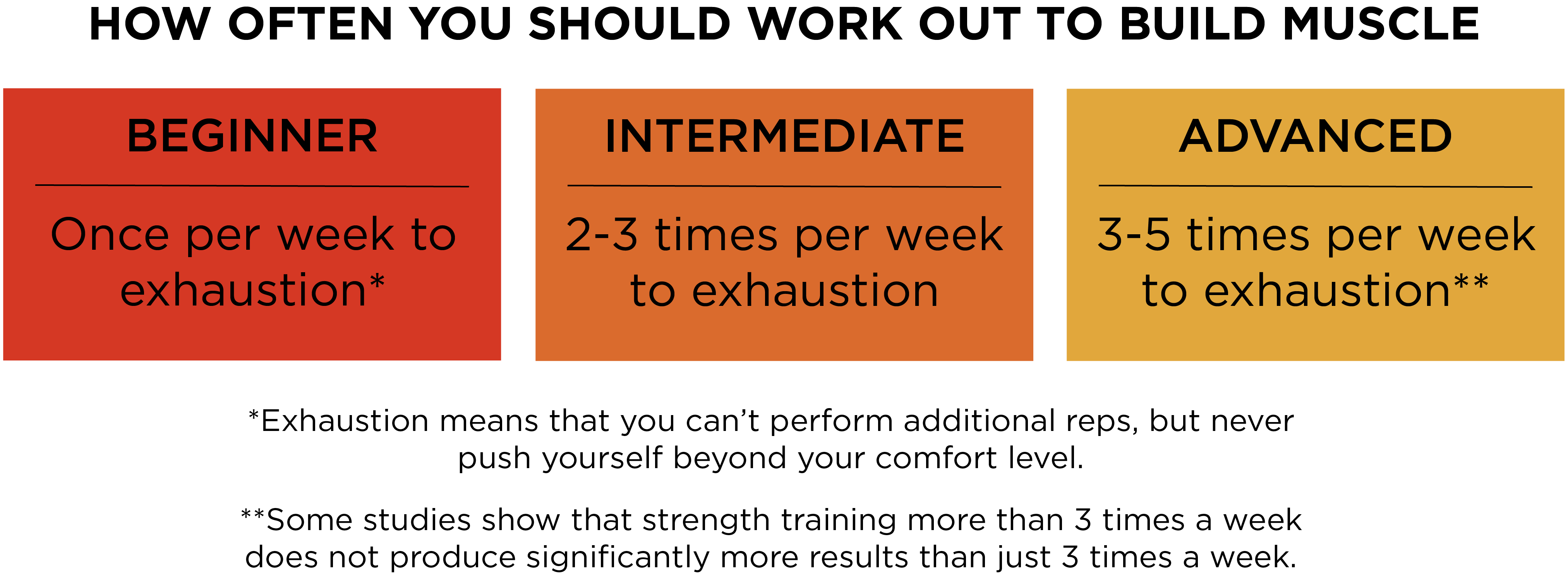
More gym visits are not always better. Rest is important. For beginners, two to three times per week is a good start. For experienced athletes, four to five sessions may be ideal. Overtraining can lead to injuries or burnout.
Quality matters more than quantity. Short, focused workouts can be more effective than long, unfocused ones. Also, adding variety—like group classes, yoga, or swimming—can help prevent plateaus and keep you interested.
It’s also helpful to listen to your body. If you feel tired or sore, a rest day can be more beneficial than another gym session. Recovery is when your body gets stronger.

Credit: www.gymshark.com
Why Many People Struggle To Go Regularly
If you find it hard to go to the gym as often as you want, you’re not alone. Many people face challenges. Understanding these can help you find solutions.
Common Barriers
- Time pressure: Busy schedules, work, or family commitments are top reasons for missing the gym.
- Lack of motivation: Without clear goals, it’s easy to skip workouts.
- Cost: Gym memberships can be expensive, especially for families.
- Distance: If the gym is far away, people are less likely to go.
- Intimidation: Beginners often feel nervous about using equipment or being judged.
- Boredom: Doing the same routine can make people lose interest.
Some people also struggle with energy levels. After a long day, it’s tempting to relax rather than exercise. Unexpected events—like illness, overtime at work, or family emergencies—can also disrupt routines.
Non-obvious Insights
Many people set goals that are too ambitious at first. They plan to go every day, then feel disappointed when they miss a session. It’s better to start small and build up.
Another insight: some people go to the gym but spend a lot of time on their phones, chatting, or doing very light exercise. The number of visits does not always equal a good workout.
Also, for some, the real struggle is not the workout but getting to the gym itself. Building a routine around the visit—like going at the same time or packing your bag the night before—can make it easier.
A surprising tip: even short sessions (20–30 minutes) can be effective if you stay focused. This helps people with limited time keep the habit going.
How Gym Attendance Changes Over Time
Gym attendance often changes during the year and throughout a person’s life.
Seasonal Patterns
Many gyms see a spike in new members after holidays, especially in January. However, attendance often drops after a few weeks. Summer and holiday seasons can also see fewer visits as people travel or spend time outdoors.
Weather can also play a part. In colder climates, people may avoid going out in winter, leading to fewer gym visits and more home workouts. In hot climates, gyms are a cool, comfortable place to exercise.
Life Events
Changes like a new job, moving to a new city, or becoming a parent can affect your gym routine. It’s normal for attendance to go up and down during different life stages.
Students might go more during school breaks and less during exams. Parents of young children might need years before they can return to regular gym sessions. Retirees sometimes increase their gym visits as they have more free time.
Understanding that routines change can help you avoid feeling guilty during busy periods. What matters is returning to activity when you can.
The Role Of Home Workouts And Alternatives
Home workouts have become much more popular. Many people find it easier to exercise at home or outdoors, especially when time or money is tight.
Comparing Gym And Home Workouts
| Aspect | Gym Workout | Home Workout |
|---|---|---|
| Equipment | Wide variety | Limited or bodyweight |
| Motivation | Social environment | Self-driven |
| Cost | Membership fees | Low or free |
| Flexibility | Set hours | Any time |
| Privacy | Public space | Private |
Both options have pros and cons. Many people combine gym sessions with home workouts for flexibility.
For example, you might go to the gym for strength training but do yoga or cardio at home. Online videos, fitness apps, and virtual classes have made home workouts more effective and popular. Some people even create small home gyms with basic equipment like dumbbells and resistance bands.
How To Decide Your Own Gym Routine
Knowing the average gym attendance is useful, but your own routine should fit your goals, schedule, and preferences.
Questions To Ask Yourself
- What is my main fitness goal? (e.g., weight loss, muscle building, stress relief)
- How much time can I realistically commit?
- Do I enjoy group classes, solo workouts, or outdoor activities?
- What fits my budget?
It’s also important to consider your personality. Some people need variety, while others prefer routine. If you get bored easily, try different classes or activities. If you like structure, stick with a set plan.
Building A Realistic Plan
Start with 2-3 gym visits per week if you’re new. Focus on consistency, not perfection. Track your progress and adjust as life changes.
Use a fitness app or a simple notebook to record your workouts. Seeing your progress over time can boost motivation. If you miss a session, don’t give up—just get back on track.
Try to schedule workouts at the same time each day. This reduces decision fatigue and makes exercise a normal part of your day.
Common Mistakes To Avoid
- Setting goals that are too high (“I’ll go every day!”) and burning out
- Comparing yourself with advanced gym-goers
- Focusing only on attendance, not the quality of workouts
Another common mistake is ignoring nutrition and recovery. Exercise is just one part of a healthy lifestyle. Eating well and getting enough sleep support your gym results.
How Gyms Try To Increase Attendance
Fitness centers use many strategies to keep members coming regularly. Understanding these can help you use the gym more effectively.
Motivation Tools
- Group classes: Many people find classes more motivating than solo workouts.
- Personal trainers: Trainers give guidance and accountability.
- Challenges and events: Gyms often run fitness challenges to boost attendance.
Some gyms use friendly competitions or provide small rewards for reaching attendance goals. These “gamification” strategies can make workouts more fun and help you stick with your routine.
Technology
Many gyms offer apps to track visits, book classes, or set reminders. Some even use reward systems for regular visits.
Wearable fitness trackers can also connect with gym equipment. This allows you to see your progress and set personal records.
Social Support
Gyms encourage members to bring friends or join social events. Working out with others can make you more likely to stick with your routine.
Some gyms have online communities where members share tips, progress, and motivation. This can be especially helpful if you struggle with motivation or feel isolated.
Real-life Stories: How Often People Actually Go
Hearing about real experiences can help you relate and set your own goals.
Case 1: The Busy Professional
Maria works long hours in an office. She aims for 3 gym sessions weekly but often manages 2. She sometimes swaps a gym session for a walk during her lunch break. For her, flexibility is the key to consistency.
She also found that shorter, focused workouts fit her schedule better. Instead of long sessions, she does 30-minute routines with weights or cardio. This helps her stay active without feeling overwhelmed.
Case 2: The Motivated Beginner
Ajay just joined his first gym. Inspired by online videos, he tried to go every day but quickly felt tired. Now, he goes 3 times a week and feels stronger and more motivated.
Ajay also mixes gym days with home stretching or yoga. He tracks his progress and rewards himself for sticking to his plan. This mix keeps him interested and avoids burnout.
Case 3: The Parent
Tom is a father of two. He struggles to find time for the gym, so he goes once on weekends and does short home workouts during the week. He values any activity over none.
Tom’s example shows that you don’t need to go to the gym every day to stay healthy. He includes his kids in some activities, like family walks or bike rides. This way, exercise becomes part of family life.
These stories show that everyone’s routine is different, and that’s okay.
Credit: www.chicagoathleticclubs.com
How To Make Gym Visits A Lasting Habit
Building a gym habit is challenging for many, but there are proven ways to make it easier.
Practical Tips
- Schedule workouts like appointments. Put them in your calendar.
- Pack your gym bag in advance to save time.
- Find a workout buddy for accountability.
- Set small, clear goals (e.g., “I’ll go twice this week”).
- Celebrate progress, not just results.
Other useful ideas: Listen to music or podcasts during workouts to make them more enjoyable. Change your routine every few weeks to stay interested. If you miss a session, forgive yourself and focus on your next workout.
Two Insights Beginners Miss
First, many think motivation will always be high. In reality, discipline and routine matter more. Second, small setbacks are normal. Missing a session doesn’t mean you’ve failed—just get back on track.
Another overlooked tip: Tracking small wins, like lifting a little more weight or running longer, helps keep you motivated. Progress is not always about appearance—it’s also about feeling stronger and healthier.
The Impact Of Gym Attendance On Health
Regular gym attendance can improve your health, but the benefits depend on the quality and consistency of your workouts.
Physical Benefits
- Improved strength and endurance
- Better heart health
- Weight management
- Reduced stress
Over time, regular exercise can lower the risk of diseases like diabetes, high blood pressure, and certain cancers. It also helps with posture and balance, which is important as you age.
Mental Benefits
Exercising regularly, especially in a gym environment, can boost mood and confidence. Many people find that going to the gym gives structure to their day.
Exercise releases endorphins, chemicals that help you feel happier. For some, the gym is a break from daily stress. It can also help with sleep and focus.
Social Benefits
For some, the gym is a place to meet friends or connect with a supportive community.
Group classes, team sports, and gym events help people build social networks. This sense of belonging can make fitness more enjoyable and easier to maintain.

Credit: www.gymshark.com
The Future Of Gym Attendance
Fitness trends are always changing. Technology and new exercise options are shaping how people use gyms.
Digital Fitness
Virtual classes and fitness apps are now common. Some people use these instead of, or alongside, the gym.
For example, online platforms offer live classes, personal training, and workout plans. This trend grew during the COVID-19 pandemic and is likely to stay popular.
Flexible Memberships
Gyms are offering flexible plans, day passes, or online memberships to attract more people.
Some gyms now allow you to pay only for the days you attend. This makes gym access easier for people with changing schedules.
Focus On Wellness
Many gyms now offer yoga, meditation, and nutrition advice—not just weights and cardio. The focus is shifting from just exercise to overall wellness.
This change attracts people who want to improve their whole lifestyle, not just their fitness. Wellness programs may include stress management workshops, healthy cooking classes, or mindfulness sessions.
Frequently Asked Questions
How Often Should A Beginner Go To The Gym?
Most experts suggest beginners start with 2-3 times per week. This allows your body to adapt and reduces the risk of injury. Focus on building a habit before increasing frequency.
Is Going To The Gym Once A Week Enough?
Going once a week is better than not going at all. You’ll see some benefits, especially if you’re new to exercise. For more significant results, aim for 2-3 sessions per week.
Do Home Workouts Count As Much As Gym Workouts?
Yes, home workouts can be just as effective if you choose the right exercises and stay consistent. The key is effort, not location.
Why Do Many People Stop Going To The Gym?
Common reasons include lack of time, losing motivation, high costs, or feeling uncomfortable at the gym. Setting realistic goals and finding enjoyable routines can help you stay consistent.
Where Can I Find More Information About Gym Attendance Statistics?
For more detailed data and research, visit the International Health, Racquet & Sportsclub Association. They offer global reports on fitness club trends and attendance.
Choosing how often to go to the gym is a personal decision. There is no single right answer—listen to your body, set clear goals, and focus on making exercise a regular part of your life. Whether you go once a week or five times, what matters most is finding a routine that works for you and helps you stay healthy.
