

How Often Do You Wear T Shirts? Surprising Trends Revealed
Most people own at least a few t-shirts, but have you ever stopped to wonder how often you actually wear them? T-shirts are everywhere, from busy city streets to small villages. Some people put on a t-shirt almost every day, while others save them for special moments.
In this article, you’ll learn how often people wear t-shirts, why t-shirts are so popular, and what influences our choices. We’ll also look at t-shirt habits for work, exercise, and even sleep. By the end, you’ll see t-shirts in a whole new way.
The Universal Appeal Of T-shirts
T-shirts are one of the most common pieces of clothing in the world. Their simple design and comfort make them easy to wear for almost any activity. You can see t-shirts on children, adults, students, workers, and even retirees. There are a few reasons for this popularity:
- Versatility: T-shirts match with jeans, shorts, skirts, or under a jacket.
- Comfort: Most t-shirts are made from soft cotton or blends that feel good.
- Affordability: You can find t-shirts at nearly every price range.
- Expression: T-shirts are often used to show support for teams, music, art, or causes.
Because of these strengths, t-shirts are worn by people all over the world, every single day.
How Often Do People Wear T-shirts?
The answer depends on your lifestyle, culture, and even the weather. Let’s break it down with some real numbers.
Global Averages
Surveys show that the average person wears a t-shirt between 3 to 5 times a week. In some countries, especially in warmer climates, this number can be even higher. For example, in areas with hot weather, t-shirts might be worn daily.
Age Differences
Young people, especially teens and college students, are the group most likely to wear t-shirts often. Many students wear t-shirts almost every day. Adults who work in offices might wear them less, but still often choose t-shirts for weekends or after work.
Gender Trends
Both men and women wear t-shirts, but men tend to wear them more frequently. This is partly because t-shirts are still seen as more casual, and men’s fashion often allows for more casual dressing.
T-shirts At Home Vs. Outside
Many people wear t-shirts at home for comfort, even if they choose other clothes when going out. After work, a lot of people change into a soft t-shirt to relax.
Work And School Environments
Some jobs and schools allow t-shirts, while others require more formal clothing. In creative fields, tech companies, and schools with relaxed dress codes, t-shirts might be worn every day.

Credit: fcdrycleaners.com
Why Do People Choose T-shirts So Often?
People choose t-shirts for more than just comfort. Here’s what influences their choices:
- Weather: T-shirts are perfect for warm weather. They let the skin breathe and prevent overheating.
- Activity: For sports, exercise, or outdoor activities, t-shirts are an easy choice.
- Fashion: Graphic t-shirts let people show their personality or support causes.
- Practicality: T-shirts are easy to wash and dry, making them simple for daily life.
How Many T-shirts Does The Average Person Own?
You might be surprised by the numbers. The average person owns between 10 and 20 t-shirts. Some people have 30 or more. This means that even if you wear a t-shirt every day, you might not repeat the same one for weeks.
T-shirts And Minimalism
A growing number of people prefer to keep fewer clothes. Minimalists might own just 5 to 7 t-shirts, but wear each one more often. They focus on quality and versatility.
Special Collections
Some people collect t-shirts from concerts, travels, or events. For them, t-shirts are more than clothes; they are memories.
T-shirts In Different Situations
Let’s look at how often t-shirts are worn for different parts of life.
At Work
T-shirts are common in some jobs, rare in others. Here’s a comparison of t-shirt use in different workplaces:
| Workplace Type | T-Shirt Frequency | Dress Code |
|---|---|---|
| Tech Companies | Very High | Casual |
| Creative Agencies | High | Casual/Smart Casual |
| Retail | Moderate | Uniform/Branded T-Shirts |
| Banks/Corporate | Low | Formal |
| Manufacturing | High | Workwear/Safety |
For Exercise
Almost every sport or fitness activity includes t-shirts. Gym-goers, runners, and team sports players all rely on t-shirts for their comfort and sweat-wicking abilities.
At Home
T-shirts are the first choice for relaxing at home. Many people change into a t-shirt as soon as they get home from work or school.
For Sleep
Surprisingly, many people wear t-shirts as sleepwear. They are soft, non-restrictive, and easy to clean. For some, an old t-shirt becomes their favorite pajama top.
Special Events
T-shirts are also used for events like family reunions, charity runs, or company outings. These shirts often have special designs and become souvenirs.
Factors That Affect T-shirt Wearing Frequency
Many things influence how often someone wears a t-shirt.
Climate
In hot, humid places, t-shirts are worn almost every day. In colder regions, t-shirts may be hidden under sweaters or jackets but are still worn as a base layer.
Culture
In some cultures, casual dressing is normal, and t-shirts are worn everywhere. In others, formal wear is expected in public, so t-shirts are reserved for home.
Personal Style
Some people like classic looks and wear plain t-shirts often. Others enjoy more formal or trendy outfits and wear t-shirts less.
Laundry Habits
People who do laundry often can own fewer t-shirts and still wear them daily. Those who wash clothes weekly might need more t-shirts to last between washes.
The T-shirt Rotation: How People Choose What To Wear
You might think people just grab any t-shirt, but there is often a system.
- Favorites: Most people have favorite t-shirts they wear more often.
- Occasion: A plain t-shirt might be for work, while a graphic one is for weekends.
- Condition: Newer t-shirts are worn outside, while old ones become home or sleepwear.
People often rotate t-shirts to keep them from wearing out too quickly.
Washing And Care: How It Affects T-shirt Use
How often you wear a t-shirt depends on how you care for it.
Washing Frequency
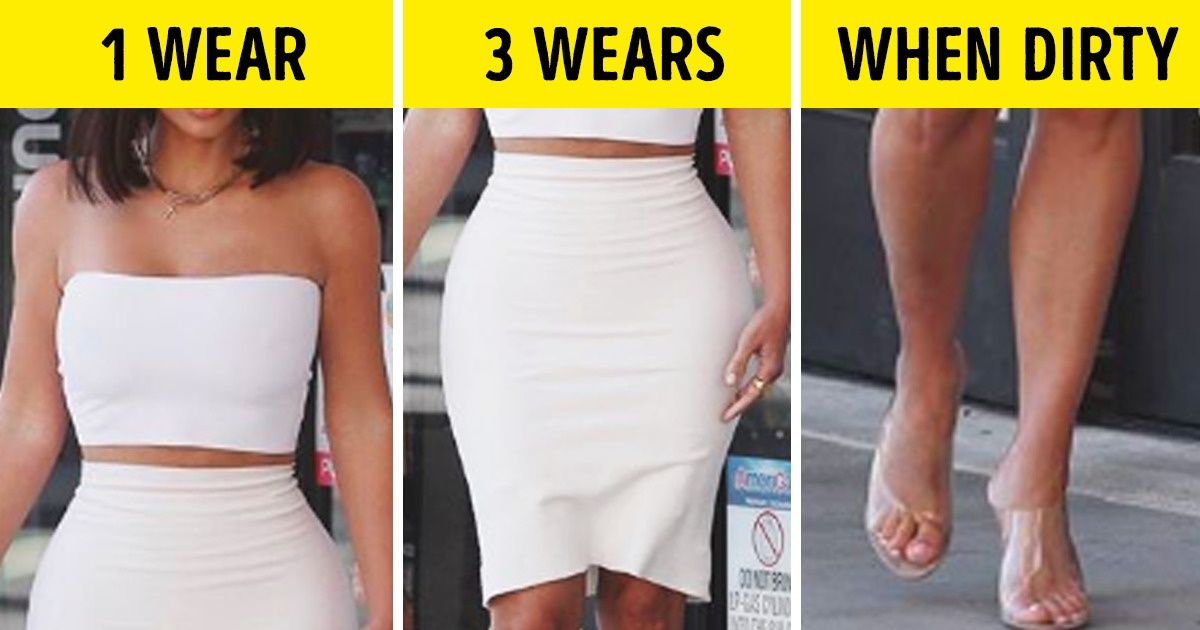
Some people wash t-shirts after every wear, especially in hot weather. Others might wear a t-shirt twice before washing, especially if it was worn for only a short time.
Fabric Quality
High-quality t-shirts can be worn and washed many times before they lose shape. Cheap fabrics might fade or stretch faster, causing people to wear them less often.
Storing T-shirts
Folding t-shirts neatly makes it easier to see all your options and wear each one regularly. Storing them in piles often leads to wearing only the top few.
T-shirts And Social Identity
T-shirts are not just about comfort; they help people express who they are.
Team And Brand Support
Wearing a t-shirt with a sports logo or brand shows support or belonging.
Messages And Causes
Many people choose t-shirts with slogans or art that reflect their beliefs or interests.
Group Identity
At schools, events, or workplaces, matching t-shirts help create a sense of unity.
The Life Cycle Of A T-shirt
T-shirts go through several stages:
- New: Worn outside, to work, or for special occasions.
- Favorite: Worn most often, both outside and at home.
- Homewear: Worn only at home when they start to fade or stretch.
- Sleepwear: Once too old or stained, used for sleeping.
- Rags or Crafts: Finally, old t-shirts are cut up for cleaning or DIY projects.
Most people wear their favorite t-shirts as much as possible until they are no longer presentable.
T-shirts And Sustainability
The high number of t-shirts owned and worn can impact the environment. Cotton and polyester production uses resources, and fast fashion leads to waste. Some people now choose organic cotton or recycled fabrics and wear each t-shirt longer to reduce their impact.
You can help by:
- Choosing higher quality t-shirts that last longer
- Donating t-shirts you no longer want
- Recycling worn-out t-shirts
How T-shirt Wearing Has Changed Over Time
T-shirt habits are always evolving. Years ago, t-shirts were mostly underwear. Now, they are a fashion statement. The rise of remote work and casual workplaces made t-shirts even more common.
Social media and online stores have also made it easier to find unique t-shirts and share your style.
Comparing T-shirt Use In Different Countries
Here’s a look at how t-shirt use compares across regions:
| Country/Region | Average Uses per Week | Popular Styles |
|---|---|---|
| United States | 5 | Graphic, Sports, Plain |
| Japan | 3 | Minimalist, Streetwear |
| Brazil | 6 | Bright Colors, Sporty |
| United Kingdom | 4 | Band, Plain, Striped |
| India | 4 | Casual, Polo, Printed |
These numbers are averages, and real habits can be higher or lower based on city, age, and job.
T-shirts For Different Activities
T-shirts are not just for casual wear. Here’s how they fit different activities:
- Sports: Special performance t-shirts wick sweat and keep athletes cool.
- Travel: T-shirts are easy to pack and match with other clothes.
- Events: Custom t-shirts create team spirit or mark special memories.
- Work: In some jobs, branded t-shirts are part of the uniform.
Credit: brightside.me
Practical Tips To Make T-shirts Last Longer
If you wear t-shirts often, you want them to last. Here’s how:
- Wash in cold water: This prevents shrinking and fading.
- Avoid high heat: Hang t-shirts to dry or use low heat in the dryer.
- Turn inside out: This protects prints and colors during washing.
- Don’t overstuff drawers: Give t-shirts space to stay wrinkle-free.
- Rotate your t-shirts: Don’t wear the same one every day.
These habits can add months or even years to a t-shirt’s life.
Non-obvious Insights About T-shirt Habits
1. T-Shirts as Social Uniforms:
In group settings like volunteer events or school trips, people tend to wear t-shirts more often. It’s not just about comfort—matching t-shirts help people feel connected. If you join a club, you might find yourself wearing t-shirts more than you expect.
2. The “Invisible” T-Shirt:
Many people wear t-shirts under other clothes, even when not visible. For example, under dress shirts or sweaters. These hidden t-shirts are not counted in most surveys, so real t-shirt wearing is even higher than statistics suggest.
Credit: www.gingtto.com
The Emotional Side Of T-shirts
Sometimes, a t-shirt means more than just a piece of clothing. People often keep old t-shirts for years because of memories. An old concert t-shirt or a shirt from your first job can feel special, even if you rarely wear it now.
T-shirts can also boost confidence. Wearing a shirt with a favorite quote, image, or color can make you feel good and stand out in a crowd.
Myths About T-shirt Use
Let’s clear up some common misunderstandings:
- Myth: Only young people wear t-shirts every day.
Fact: People of all ages use t-shirts, but for different reasons and at different times.
- Myth: T-shirts are not stylish.
Fact: With the right fit and design, t-shirts can be part of a fashionable outfit.
- Myth: You need many t-shirts to dress well.
Fact: A few high-quality t-shirts can cover most situations if chosen wisely.
When Should You Replace A T-shirt?
You don’t need to wait for holes to appear. Here are clear signs it’s time for a new one:
- The fabric becomes thin or see-through.
- The collar stretches out of shape.
- Stains don’t wash out.
- Prints crack or fade badly.
- The fit changes and feels uncomfortable.
Replacing old t-shirts helps you always look and feel your best.
The Future Of T-shirt Wearing
Fashion always changes, but t-shirts will likely stay popular. New materials, eco-friendly production, and creative designs keep t-shirts interesting for every generation. Technology now allows people to design and order custom t-shirts online, so your options are endless.
Frequently Asked Questions
How Many Times Can I Wear A T-shirt Before Washing It?
Most people wash a t-shirt after one wear, especially if they sweat or it gets dirty. However, if you wear it for just a few hours and it stays clean, you might wear it again. It’s important to consider hygiene and your own comfort.
Is It Okay To Wear T-shirts Every Day?
Yes, it’s fine to wear t-shirts daily if it fits your lifestyle and dress code. Just make sure to rotate them so each one gets equal use, and choose styles that suit your activities.
How Do I Choose Good Quality T-shirts?
Look for thick, soft fabrics (like 100% cotton or blended with modal), strong seams, and a fit that feels comfortable but not too tight. High-quality t-shirts last longer and keep their shape after many washes. For more tips, see this expert guide.
Do Women And Men Wear T-shirts Differently?
Both men and women wear t-shirts often, but styles and fits may differ. Women might choose t-shirts with different necklines or designs, while men often prefer classic cuts. The main reasons for wearing them—comfort, style, and ease—are the same.
Can T-shirts Be Formal?
T-shirts are usually casual, but with the right styling (such as a blazer or smart accessories), they can work for some smart-casual events. In very formal settings, though, t-shirts are still not common.
T-shirts are more than just a basic item in your closet. They’re part of daily life, self-expression, and even memories. Whether you wear them every day or just once in a while, t-shirts have a place in almost every wardrobe.
With a few smart choices, you can make your t-shirts last longer, look better, and fit more occasions.
