

How Much Gym Clothes Do You Really Need? A Practical Guide
Building a gym wardrobe can be confusing. You want to be ready for every workout, but you don’t want to waste money or fill your closet with clothes you rarely wear. Many people wonder, “How much gym clothes do I actually need?” The answer depends on your fitness routine, laundry habits, and budget. If you are just starting, you might buy too many or too few clothes, which can make working out less enjoyable. This guide will help you figure out the right amount of gym clothes for your lifestyle, save money, and stay comfortable in every session.
Why Having The Right Amount Of Gym Clothes Matters
Having enough gym wear is more important than many beginners realize. Too few, and you’ll always be washing sweaty shirts. Too many, and you waste money and space. The right balance means less stress, more comfort, and easier workouts. Also, good gym clothes can prevent skin problems, reduce odor, and make you feel more confident in the gym.
There’s another aspect: motivation. When you have fresh, well-fitting gym clothes ready, it’s easier to stick to your workout routine. If you’re always running out of clean gear, you might skip sessions or feel less excited to train. On the other hand, a closet stuffed with clothes you never wear can make getting ready feel overwhelming and even cause decision fatigue. The right amount of gym clothes creates a smoother, more enjoyable fitness habit.
Many people overlook the hygiene side. Wearing damp, unwashed clothes can lead to rashes, acne, or even fungal infections. If you always have enough clean options, you avoid these health issues. Plus, regular rotation of your gym clothes helps them last longer since each piece gets more time to air and recover between uses.
Key Factors That Affect How Much Gym Clothes You Need
Before deciding how many pieces to buy, you need to think about a few important things:
- How often you work out – If you exercise daily, you’ll need more clothes.
- Your laundry schedule – Do you wash clothes every other day or once a week?
- Type of workouts – Yoga, running, weightlifting, and classes might need different gear.
- Climate and weather – You’ll sweat more in hot weather, so you might change more often.
- Personal preferences – Some people like fresh clothes every session, while others don’t mind repeating.
- Budget – High-quality gym clothes can be expensive, so plan spending wisely.
These factors shape your gym wardrobe needs. For example, a person who does yoga at home three times a week will need much less than someone who runs outside every morning.
There are other subtle things to consider, too. If you work out at lunch and go back to work, you may want an extra set to avoid wearing damp clothes. If you travel often, a few lightweight, quick-dry pieces make life easier.
And if you’re prone to heavy sweating or live in a humid area, you might need to change more often than someone in a cooler climate.
The Essential Gym Clothes: What You Really Need
Let’s break down the basic gym wardrobe for most people. This is a starting point—adjust as needed for your routine.
Tops
Most gym-goers need 3 to 5 tops. This includes T-shirts, tank tops, or long-sleeve shirts. If you work out every day, aim for five. If you exercise less often, three might be enough. Choose sweat-wicking fabrics, as cotton can stay wet and feel uncomfortable.
If you do a mix of indoor and outdoor workouts, consider having a variety of sleeve lengths. In summer, sleeveless tops or tanks are more comfortable, while long sleeves work better for cold weather or sun protection. If you prefer fitted tops for some workouts and looser ones for others, have at least one of each type.
Some people also like to have a “favorite” top for tough days—one that always feels good or boosts their confidence.
Bottoms
You’ll want 2 to 4 pairs of gym bottoms. This can be shorts, leggings, or joggers. People who do cardio or high-intensity workouts may want more pairs, as these get sweaty quickly. For yoga or pilates, you might reuse bottoms if they stay clean.
Having different types of bottoms can help with comfort and performance. For example, shorts are often better for hot days or HIIT, while leggings provide coverage and warmth for stretching or weightlifting. If you notice that you always reach for the same style, consider buying an extra pair of your favorite.
For those who train both indoors and outdoors, consider at least one pair of thermal leggings or weather-resistant pants for cold or rainy days.
Sports Bras (for Women)
Women should have 2 to 4 sports bras. Sweat can build up quickly, and it’s not healthy to re-wear a sweaty bra. If you work out more than three times a week, consider having at least three bras.
Some workouts need different support levels—a high-impact bra for running, a lighter one for yoga. If you do a mix of activities, having at least one of each type is smart. Also, sports bras take longer to dry after washing, so having a spare or two prevents you from running out.
If you have sensitive skin, rotating bras more often helps avoid irritation.
Underwear
It’s best to have enough underwear for each workout. For most, this means 4 to 7 pairs of moisture-wicking underwear. Reusing sweaty underwear can lead to irritation and odor.
Look for seamless, synthetic fabrics that breathe well and dry quickly. Cotton underwear tends to stay damp and can cause discomfort. If you do two workouts a day, or combine gym and other sports, make sure you have enough pairs for every session.
Some people keep a few “just for the gym” pairs to avoid mixing with everyday underwear.
Socks
High-quality, sweat-wicking socks matter more than you think. 4 to 7 pairs are ideal, so you always have a clean pair ready.
Look for socks designed for the activities you do. Runners, for example, benefit from cushioned, anti-blister socks, while for weightlifting, thinner socks can be better for stability. If you notice foot odor or blisters, try switching sock brands or materials.
Having a couple of longer pairs for winter or ankle socks for summer gives you more flexibility.
Outerwear
Depending on your climate, you may need 1 to 2 pieces of outerwear—like a hoodie, jacket, or windbreaker—for warm-ups or outdoor workouts.
For those who exercise outside, a lightweight, packable jacket can be a lifesaver in unexpected rain. If you train in the early morning or late evening, reflective jackets or vests are useful for safety. Having a hoodie or zip-up jacket makes warming up and cooling down more comfortable, and you’ll use it more often than you think, especially in unpredictable weather.
Shoes
At least one good pair of gym shoes is essential. If you do different sports (like running, lifting, and classes), consider a second pair designed for each activity.
Shoes wear out faster than many realize. Track your mileage or months of use—running shoes usually last 300–500 miles, cross-trainers about a year with regular use. Shoes that look fine on the outside may not support your feet after a while, so replace them when you notice soreness or the soles feel thin.
Specialty Items
Some workouts require extra gear, like compression sleeves, gloves, or hats. Only buy these if your routine needs them.
Gloves help with weightlifting or rowing, while hats and headbands keep sweat out of your eyes during cardio. If you train outdoors, consider sun sleeves or a neck gaiter. Don’t buy specialty items until you know you’ll use them regularly—many end up forgotten in a drawer.
Sample Gym Clothes Wardrobe For Different Workout Schedules
To make things easier, here is a comparison of different gym wardrobes based on workout frequency:
| Workout Days/Week | Tops | Bottoms | Sports Bras | Socks | Underwear |
|---|---|---|---|---|---|
| 2-3 | 3 | 2 | 2 | 3 | 3 |
| 4-5 | 4-5 | 3-4 | 3 | 5 | 5 |
| 6-7 | 5-7 | 4-5 | 4-5 | 7 | 7 |
Adjust these numbers for your climate, how much you sweat, and your laundry habits.
For example, if you live in a hot area or sweat more than average, add an extra top or pair of underwear to each category. If your workouts are usually low-intensity and you don’t sweat much, you might get by with fewer items.
If you double up on workouts some days (like gym in the morning, yoga at night), plan for extra gear. The goal is to never feel rushed or stressed about having clean gym clothes.
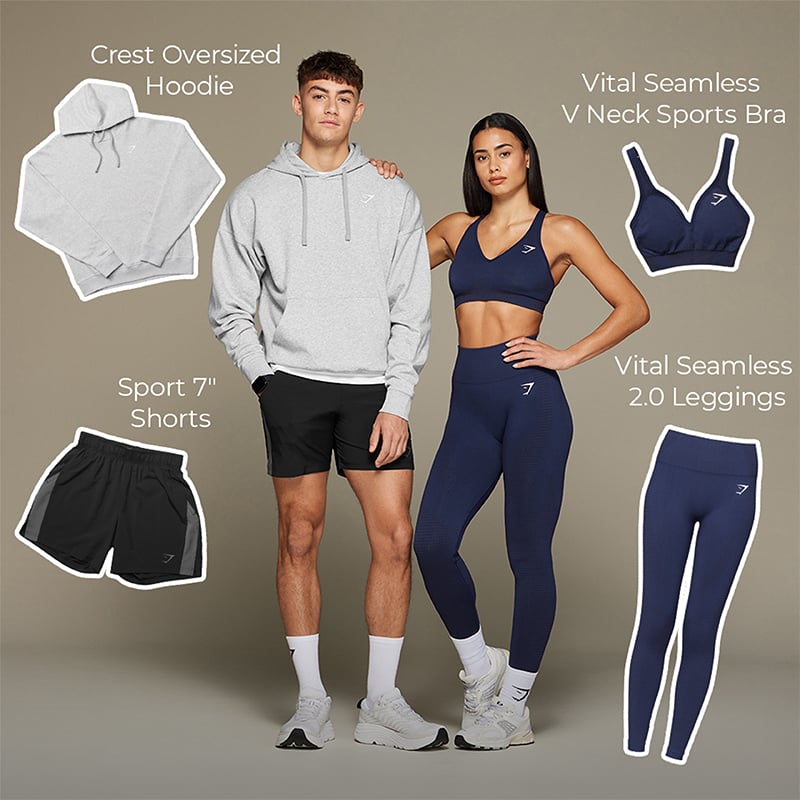
Credit: www.gymshark.com
How To Choose The Right Gym Clothes
It’s not only about quantity but also about choosing wisely. Here are a few things to consider:
Fabric
Pick moisture-wicking fabrics like polyester, nylon, or blends. They dry quickly, keep you comfortable, and prevent odors. Cotton is soft, but it absorbs sweat and can feel heavy.
Many brands now offer “anti-odor” or “antimicrobial” finishes—these are helpful if you sweat a lot or don’t wash clothes right away. Test different blends if you have sensitive skin, as some synthetics can cause irritation for some people. If you train outdoors, consider UV-protective fabrics.
Fit
Your clothes should fit well—not too tight, not too loose. Baggy clothes can get caught on equipment, while tight clothes might restrict movement.
If you’re unsure about fit, try on a few sizes and move around—do squats, stretches, or jumps in the dressing room. Pay attention to waistbands, armholes, and seams. A good rule: you should never have to adjust your clothes during a workout. If you do, the fit isn’t right.
Durability
Look for strong stitching and fabrics that hold up after many washes. Cheap clothes may rip or lose shape quickly.
One way to test: gently pull seams and check inside for extra stitching or reinforcement. Reviews from other buyers can reveal if an item pills or stretches out quickly. Spending a bit more up front can save money over time.
Activity-specific Features
Some workouts need special gear. Runners might want shorts with pockets; yogis prefer high-rise leggings that stay in place.
Think about what annoys you during a workout—phone bouncing, waistband rolling, or shorts riding up. The right features solve these problems. Don’t be afraid to try new styles; a small change like a zip pocket or silicone grip can make a big difference.
Breathability
Mesh panels or ventilated areas help you stay cool, especially during hot sessions.
If you train in a hot gym or outdoors, prioritize breathable fabrics. Look for clothes with small holes, mesh backs, or laser-cut ventilation. These details help regulate your body temperature and keep you comfortable, especially during high-intensity sessions.
How Often Should You Wash Gym Clothes?
This is a common question. Ideally, you should wash every item after each workout. Sweat, bacteria, and odor build up fast, especially in humid climates. If you can’t wash after every use, air out your clothes and never leave them in a gym bag for long.
If you must re-wear, choose items that are fully dry and don’t smell. Turn clothes inside out before washing to clean sweat and bacteria from the inside. For stubborn odors, soak clothes in a bit of vinegar or use a sports detergent designed for activewear.
If your gym clothes start to smell before a workout, it’s time for a deep clean or replacement.
Mistakes Beginners Make When Buying Gym Clothes
- Buying too many at once – Start with basics. You’ll learn what you like after a few workouts.
- Ignoring quality for price – Cheap gear might save money now but wears out quickly. It’s better to have fewer, better pieces.
- Choosing the wrong size – Fit matters for performance and comfort. Try on different brands and styles.
- Forgetting about socks and underwear – These matter as much as shirts and pants for comfort.
- Not rotating clothes – Reusing sweaty clothes can cause skin problems and odor.
A useful tip: if you keep running out of clean gym clothes before laundry day, add one or two more of the items you use most.
Another common mistake is buying clothes only for how they look, not how they perform. Sometimes a shirt looks stylish but restricts movement or a fashionable pair of shorts rides up constantly. Comfort and function should always come first. Also, avoid buying all the same color—having a mix makes laundry easier and helps you spot when something is missing.
How To Build A Gym Wardrobe On A Budget
You don’t need to spend a lot to get started. Here’s how to save money:
- Buy basics first. Get a few tops, bottoms, and underwear in neutral colors.
- Wait for sales or buy off-season. Last season’s colors are often much cheaper.
- Check out outlet stores or online deals. Many big brands have outlet websites.
- Mix and match. Simple colors go with everything, so you need fewer pieces.
- Take care of your clothes. Proper washing and air drying help them last longer.
You can also look for local brands or secondhand gear in good condition.
Another tip: don’t overlook discount retailers or apps for gently used activewear. Sometimes you can find high-end brands at a fraction of the price. If you’re handy, simple sewing skills can repair small rips or replace elastic. Also, trading gear with friends who wear similar sizes can refresh your wardrobe for free.
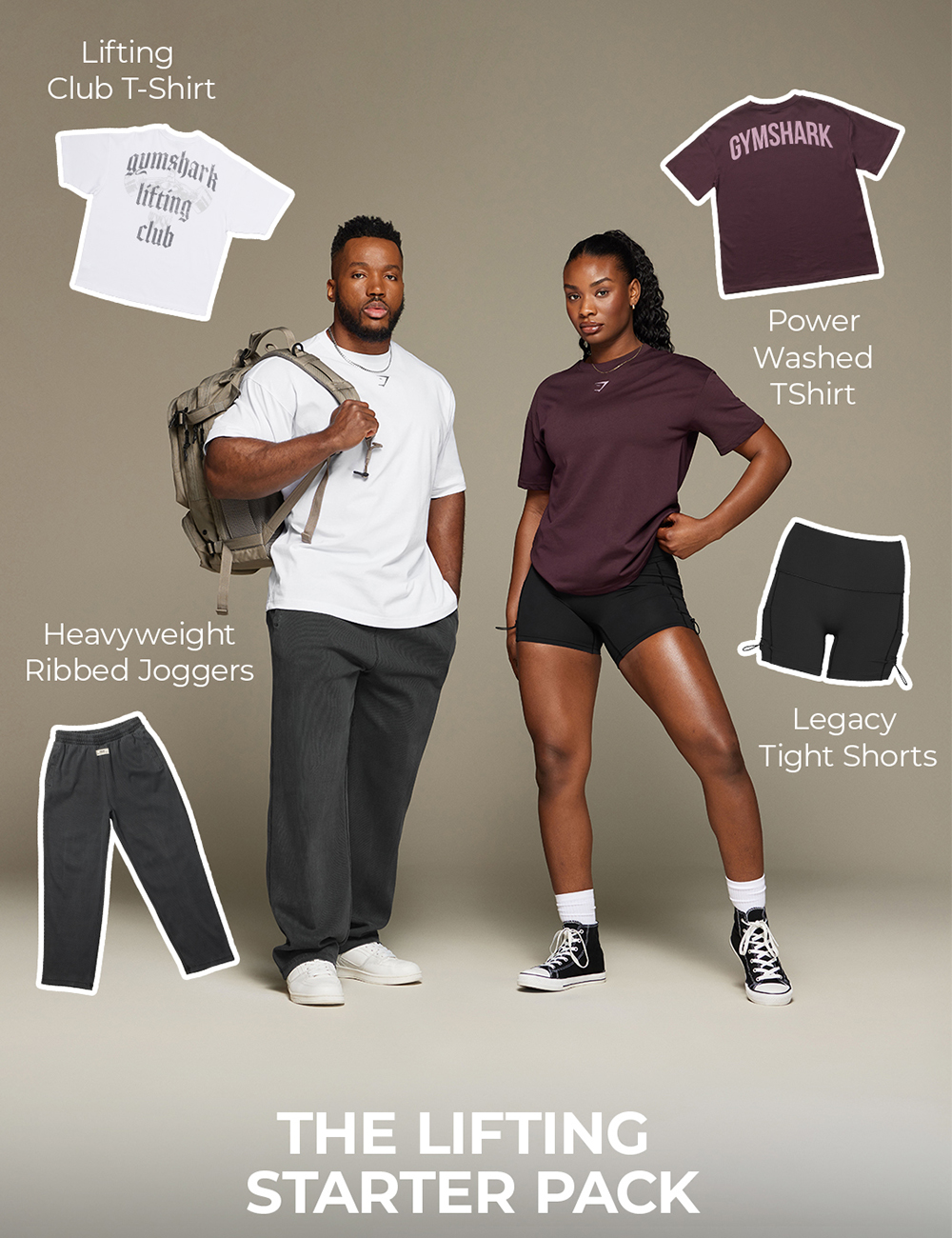
Credit: www.gymshark.com
How Long Should Gym Clothes Last?
With good care, high-quality gym clothes can last for months or even years. Cheaper pieces may fade or lose shape quickly. Here are signs it’s time to replace:
- Fabric becomes thin or transparent.
- Bad odors remain after washing.
- Elastic waistbands lose stretch.
- Seams start to unravel.
If you notice these issues, replace those pieces to keep your workouts comfortable.
Remember, gym clothes often wear out in hidden ways—like lost compression, which reduces support, or small holes under arms. Check your gear every few months, especially if you train hard. Rotating your clothes helps them last longer by reducing repeated stress on the same pieces.
Gym Clothes For Different Types Of Workouts
Not all workout clothes are the same. Depending on your favorite exercise, you may need to adjust your wardrobe.
Weightlifting
- Tops: T-shirts or tanks, not too loose (for safety).
- Bottoms: Shorts or leggings that stretch.
- Shoes: Flat, stable shoes for good grip.
Loose sleeves or baggy shirts can get caught on barbells or machines, so keep tops fitted but comfortable. Some lifters prefer shorts with built-in liners for extra support.
Running
- Tops: Lightweight, sweat-wicking shirts.
- Bottoms: Shorts with liners or leggings.
- Socks: High-quality, blister-proof.
- Accessories: Hat, sunglasses for sun.
If you run at dawn or dusk, reflective details are important for safety. A cap with a brim helps keep sweat and sun out of your eyes.
Yoga/pilates
- Tops: Fitted tank or crop top.
- Bottoms: High-rise leggings for movement.
- Accessories: Light sweater for warm-ups.
Leggings with gusseted crotches reduce chafing and camel toe. Avoid tops that ride up when you’re upside down or stretching.
Cardio Classes (hiit, Zumba)
- Tops: Sweat-wicking, breathable tops.
- Bottoms: Shorts or leggings.
- Shoes: Supportive, flexible sneakers.
Look for clothes that allow freedom of movement and won’t distract you during quick changes or jumping.
Outdoor Training
- Layering: Add a jacket, headband, or gloves if needed.
- Weather: Waterproof or thermal layers for rain or cold.
Don’t forget sunblock or bug spray if you train outside. Consider a lightweight backpack or belt for carrying water and essentials.
Comparing Gym Clothes Needs: Home Vs. Gym Vs. Outdoor Workouts
Where you work out can change what and how much you need. Here is a comparison:
| Workout Location | Clothes Needed | Special Considerations |
|---|---|---|
| Home | Fewer items, basics only | Less focus on style, can rewear if clean |
| Gym | Full wardrobe, more tops/bottoms | Consider modesty, hygiene, social setting |
| Outdoor | Layered clothes, weather gear | Sun/rain protection, visibility |
For home workouts, comfort is key and you might need fewer changes. In the gym, you may want to look more presentable and have more options. Outdoors, focus on climate-appropriate gear and safety.
If you work out in multiple places, choose versatile pieces that work everywhere. For example, a simple black legging can be worn at home, in the gym, or outdoors with a change of top or jacket. This approach keeps your wardrobe simple and flexible.
How To Store And Care For Gym Clothes
Proper storage and care extend the life of your gym clothes:
- Air out after use. Don’t toss sweaty clothes in a pile or bag.
- Wash quickly. The longer sweat sits, the harder it is to remove odor.
- Avoid fabric softeners. These coat fibers and reduce sweat-wicking ability.
- Hang dry when possible. This prevents shrinking and keeps elastic strong.
- Sort by color and fabric. Some gym clothes bleed color or snag easily.
A simple trick: keep a mesh laundry bag just for gym clothes. Toss them in after each workout and wash them together.
For storage, use breathable baskets or open shelves. Avoid plastic bags or bins that trap moisture. If you have pets, keep gym clothes out of reach—they often love the salty smell! Rotate your clothes regularly and keep an eye out for mildew or lingering odors, which mean it’s time for deeper cleaning.
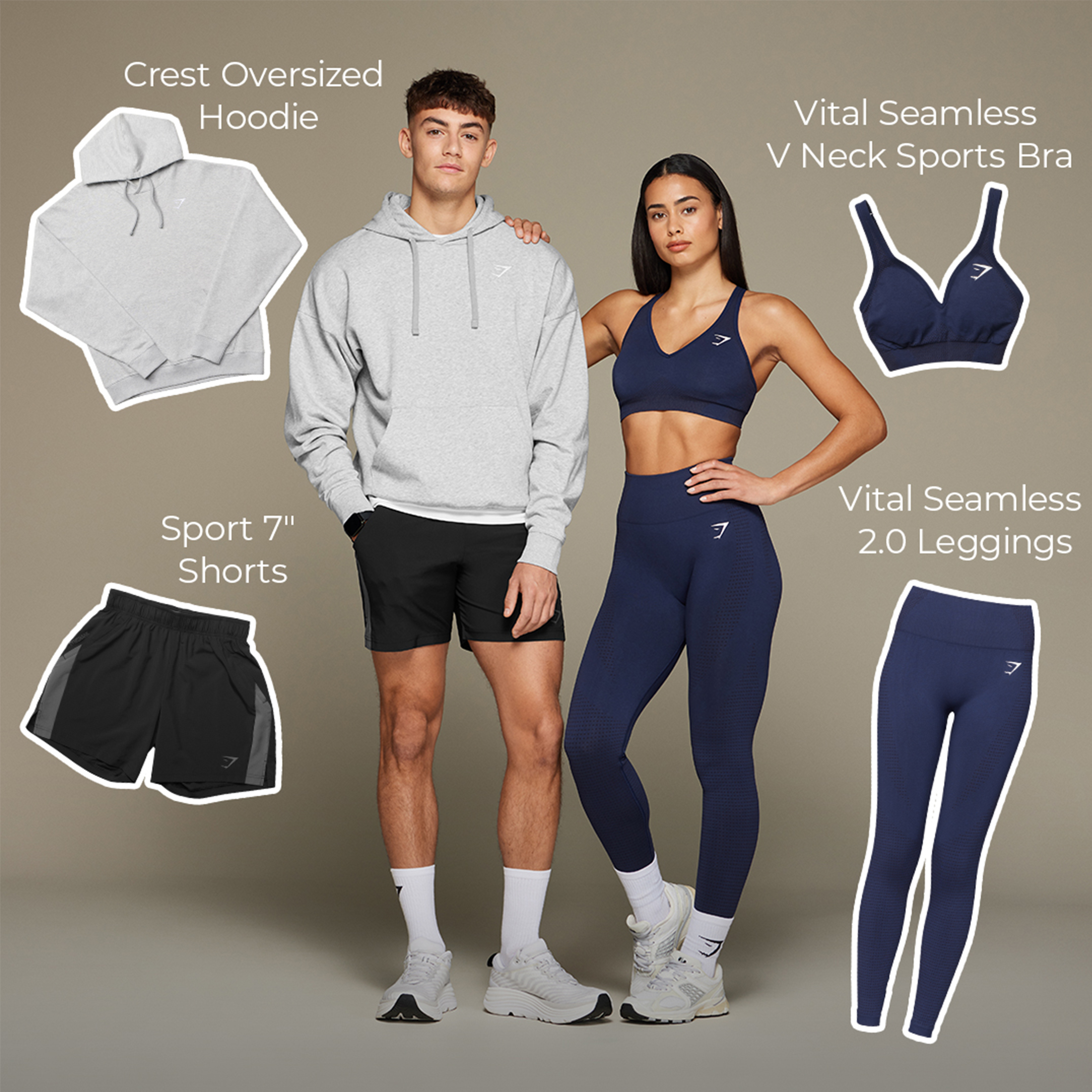
Credit: www.gymshark.com
When To Upgrade Or Replace Your Gym Clothes
Upgrading doesn’t always mean buying more—it could mean choosing higher quality or picking items that suit your workouts better.
- Upgrade for comfort. If you find a brand or material you love, add more.
- Replace when worn out. Don’t keep old, stretched, or smelly clothes.
- Try new features. Items like built-in pockets, mesh panels, or better waistbands can make workouts more enjoyable.
If you notice your motivation dropping because you don’t like your clothes, consider refreshing your wardrobe.
Also, as your fitness goals change, your clothing needs might shift. For example, if you start running, you may need more lightweight tops and a second pair of shoes. If you switch to yoga, you might want more leggings and less outerwear.
Review your wardrobe every 6–12 months to keep it aligned with your routine.
Environmental Impact: How To Be Eco-friendly With Gym Clothes
Fast fashion affects the environment. Here’s how to reduce your impact:
- Buy only what you need. Avoid buying more than you use.
- Choose quality over quantity. Durable items mean less waste.
- Look for recycled materials. Some brands use recycled polyester or organic cotton.
- Donate old clothes. Many gyms or stores accept used gear.
- Wash in cold water. Saves energy and is gentler on fabrics.
Even small steps help the planet and save money in the long run.
If you want to go further, wash full loads to use less water, hang dry to save energy, and avoid microplastics by using a laundry bag that catches fibers. When buying new clothes, support brands with clear sustainability practices.
Non-obvious Tips Most Beginners Miss
- Rotate your gear to let pieces dry fully between uses. This reduces odor and wear.
- Have a backup set in your gym bag or car. You’ll never have to skip a workout because you forgot clothes.
- Track which clothes you actually wear. After a few weeks, you’ll see which pieces you love and which you ignore. Donate what you don’t use.
- Invest in good laundry detergent designed for activewear. Regular detergent might not remove sweat smells.
- Label your gym clothes if you share laundry with housemates or family. This prevents mix-ups.
Another overlooked tip: keep a small stash of essentials (like socks or underwear) in your gym locker or at work. This “emergency kit” saves you when you forget something. Also, check your gym’s lost and found for missing items—many people leave clothes behind by mistake.
Example: Building A Minimalist Gym Wardrobe
Let’s say you work out four times a week, mostly at the gym, and do laundry once a week. A minimalist but practical wardrobe might look like:
- 4 sweat-wicking tops
- 3 pairs of shorts/leggings
- 3 sports bras
- 5 pairs of socks
- 5 pairs of underwear
- 1 hoodie or jacket
- 1 pair of gym shoes
This setup covers all your workouts and gives you a buffer for busy days.
To go even more minimal, choose neutral or matching colors so all pieces work together. If you find you never wear an item, remove it. The goal is to have enough to stay comfortable, but not so much that you feel overwhelmed by choices or laundry.
Should You Buy Expensive Gym Clothes?
Not always. Expensive does not always mean better. Some high-end brands offer great comfort and style, but many affordable options perform just as well. Focus on:
- Fit and feel
- Sweat-wicking ability
- Durability
- Your budget
Try a mix of brands to find what works for you. Read reviews and ask friends for recommendations. For more on choosing activewear, see this Healthline guide.
Don’t be afraid to try less famous brands—they often offer similar quality for less money. Sometimes, outlet or discount lines use the same fabrics as premium items. Remember, expensive gear is only worth it if it actually makes your workouts more comfortable or enjoyable.
Frequently Asked Questions
How Many Sets Of Gym Clothes Do I Need If I Work Out Every Day?
If you exercise daily and do laundry once a week, you should have 6 to 7 tops and bottoms, enough socks and underwear for each workout, and at least 3 sports bras if you need them. This ensures you always have clean clothes.
If you do two workouts a day, double the essentials—especially underwear, socks, and bras. If you travel or miss laundry day often, add a spare set as a backup.
Can I Re-wear Gym Clothes Without Washing?
It’s not recommended. Sweat and bacteria build up quickly. If you must re-wear, only do so if you did a light workout and the clothes are completely dry and odor-free.
Keep in mind, re-wearing increases the risk of skin irritation, breakouts, and odor. If you need to re-wear, air clothes out fully and don’t store them in a closed bag.
What’s The Best Fabric For Gym Clothes?
Moisture-wicking fabrics like polyester, nylon, or blends are best. They pull sweat away from your skin and dry quickly. Avoid 100% cotton for high-sweat workouts.
Some brands add silver or copper fibers to help control odor, but always check for skin sensitivity before buying.
How Do I Know When It’s Time To Replace Gym Clothes?
Replace items when they become thin, lose shape, smell bad even after washing, or the elastic wears out. Good gym clothes support your workout, so don’t keep old, uncomfortable pieces.
If you notice rashes, discomfort, or less support, it’s a sign your gear is past its best.
Is It Worth Buying Separate Gym Shoes For Different Workouts?
If you do a mix of activities (like running and lifting), it’s helpful to have shoes designed for each. Running shoes provide cushioning; lifting shoes offer stability. If you mainly do one activity, one good pair is usually enough.
If you notice pain, unusual wear on your shoes, or slipping, it may be time for a new pair or a different style.
Feeling ready to refresh your gym wardrobe? Remember, it’s about finding the right balance for your lifestyle, not following someone else’s list. With the right amount of gym clothes, you’ll always feel prepared, comfortable, and ready to move.
