

How Much Gym Clothes Do You Have? Find Your Perfect Fitness Wardrobe
How Much Gym Clothes Do You Have
When you open your closet before a workout, do you see a neat set of gym outfits or a pile of mismatched shirts and shorts? Many people wonder, “How much gym clothes do you have? ” but rarely stop to count or consider what they really need.
Some buy new gear often, hoping it will motivate them. Others use the same old t-shirt for years. Finding the right balance is not just about style—it helps you stay comfortable, avoid laundry overload, and even save money.
Thinking about your gym wardrobe can also reveal a lot about your fitness routine. Are you a casual walker, a dedicated lifter, or somewhere in between? The amount and type of gym clothes you need depends on your workout habits, climate, laundry schedule, and personal preferences.
This article will help you figure out the ideal number of gym clothes for your lifestyle, with real examples and helpful tips. Whether you’re just starting or want to refresh your collection, you’ll get practical advice for a smarter, simpler gym wardrobe.
Why The Right Number Of Gym Clothes Matters
The number of gym clothes you own affects more than you think. It’s not just about looking good at the gym. Having the right amount means you always have clean, fresh clothes. You avoid wearing damp or smelly outfits and save time on constant washing.
Hygiene is a big reason to think about your gym wardrobe. Sweat creates bacteria, and re-wearing unwashed clothes can lead to skin issues. If you have too few gym outfits, you may be tempted to wear the same set again before washing. On the other hand, too many clothes can clutter your closet and make it hard to find your favorites.
Owning the right number of gym clothes also helps with motivation. Putting on a comfortable, good-looking outfit can boost your mood and help you look forward to exercise. Knowing you have enough clean options removes one barrier from your routine.
Factors That Decide How Much Gym Clothes You Need
There is no one-size-fits-all answer. The ideal amount depends on several things:
- Workout Frequency: The more you exercise, the more outfits you need. Someone who works out twice a week needs fewer clothes than someone who trains daily.
- Type of Exercise: High-intensity workouts like HIIT or running make you sweat more. You’ll need fresh clothes for every session. Yoga or walking may not require a full change each time.
- Laundry Habits: If you do laundry often, you can get by with fewer outfits. If you wash clothes once a week or less, you need enough sets to last.
- Climate: Hot, humid climates mean more sweating and the need for extra clothes. In cooler places, you might layer and re-wear some items.
- Personal Preferences: Some people like variety and style, while others prefer a simple, repeatable wardrobe.
Understanding these factors helps you decide how much gym clothes is right for you.
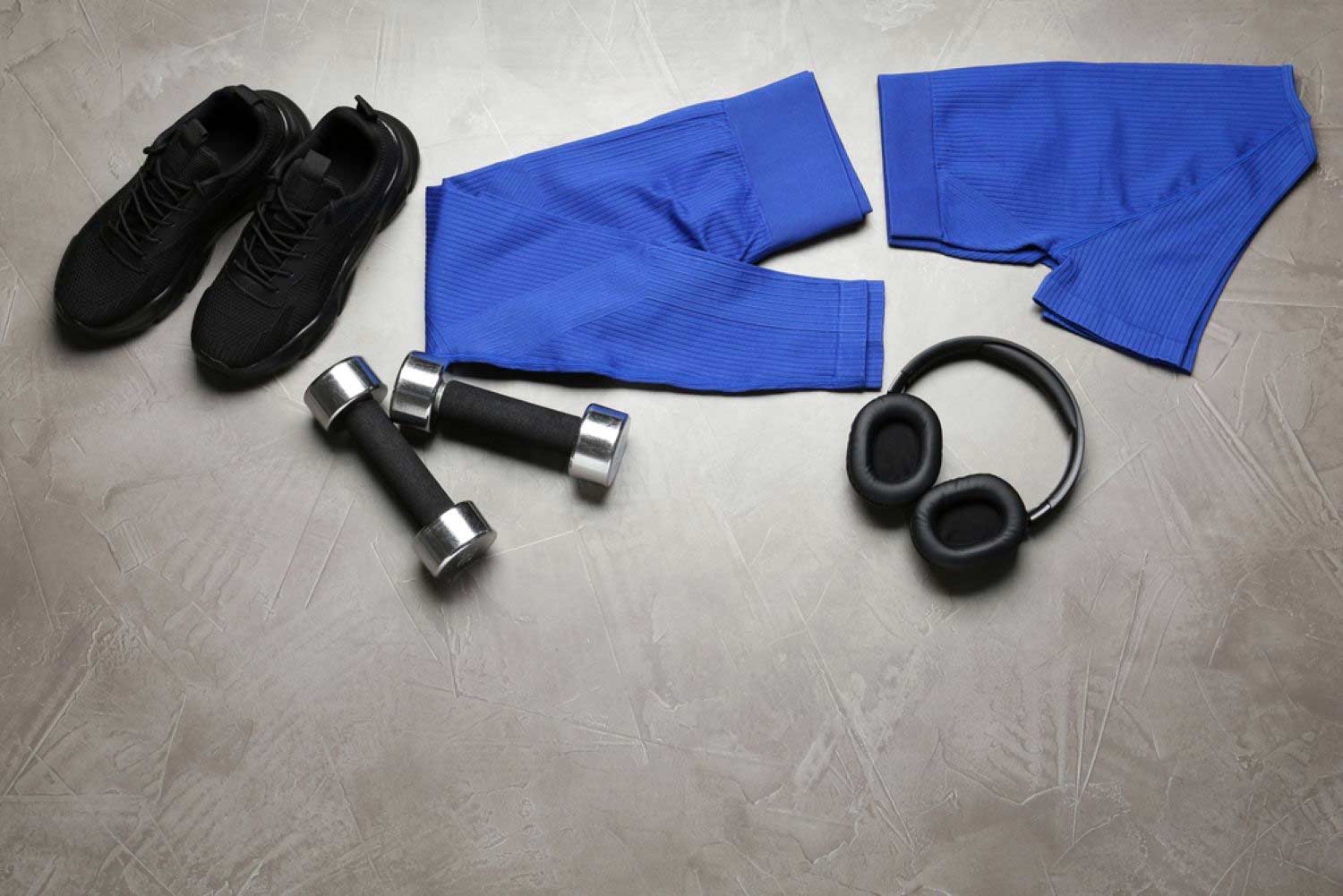
Credit: inphormnyc.com
Essential Types Of Gym Clothes
Before choosing how many, it’s good to know the main types of gym clothes. Your needs might be different, but most people require a mix of these:
- Tops: T-shirts, tank tops, long-sleeve shirts
- Bottoms: Shorts, leggings, track pants
- Sports bras (for women)
- Socks
- Underwear
- Jackets or hoodies (for outdoor or cold weather)
- Shoes
Accessories like hats, headbands, or gloves can also be part of your gym wardrobe, but they are not needed by everyone.
The Minimalist Approach: How Few Gym Clothes Can You Own?
Some people prefer a minimalist wardrobe. This means owning only what you need, nothing extra. If you want to keep your gym clothes simple, here’s an example of a basic set:
- 2–3 gym tops
- 2–3 pairs of bottoms
- 2 sports bras (if needed)
- 3–4 pairs of socks
- 3–4 pairs of underwear
- 1 jacket or hoodie (if necessary)
- 1 pair of gym shoes
This setup works if you exercise two or three times a week and do laundry often. It’s great for those who want less clutter and easier choices. But it can be risky if you miss laundry day—having a backup outfit is smart.
The Moderate Wardrobe: Most Common Approach
Most active people fall into the moderate wardrobe group. They work out three to five times a week, so they need enough clothes for each session with a few extras. Here’s a typical moderate gym wardrobe:
- 4–6 gym tops
- 4–6 pairs of bottoms
- 3–5 sports bras (if needed)
- 5–7 pairs of socks
- 5–7 pairs of underwear
- 1–2 jackets or hoodies
- 1–2 pairs of gym shoes
This setup handles most weeks, even if you delay laundry by a day or two. It allows for different types of workouts and weather. It also means you have options if one outfit is still drying or you forget to wash.
The Maximalist Wardrobe: For Serious Athletes Or Fashion Lovers
Some people enjoy having a large selection of gym clothes. Maybe they train daily, have different types of workouts, or just love fitness fashion. Here’s what a maximalist gym wardrobe might look like:
- 7–10+ gym tops
- 7–10+ pairs of bottoms
- 6–10 sports bras (if needed)
- 10+ pairs of socks
- 10+ pairs of underwear
- 2–4 jackets or hoodies
- 2–3 pairs of gym shoes
This works for people who exercise every day, travel often, or just like variety. It’s also helpful for those who live in very hot places or sweat a lot. But it takes up more space and can make decisions harder.
What Research And Data Say
A survey by the fitness platform Statista found the average gym-goer owns five to seven gym outfits. Another study from a sportswear brand showed most people wear about 60% of their gym clothes regularly; the rest sits unused. This means many of us buy more than we need.
Athletes and group class regulars often own more. For example, competitive runners or CrossFit fans may have a separate set for each type of workout. But for most, a medium-sized wardrobe is enough.
Here is a quick comparison of how gym clothes needs change based on activity:
| Type of Gym-Goer | Workouts per Week | Recommended Outfits |
|---|---|---|
| Casual Exerciser | 1–2 | 2–3 |
| Regular Gym Member | 3–5 | 4–6 |
| Serious Athlete | 6–7 | 7–10 |
These numbers are for full outfits (top and bottom). Adjust up if you sweat a lot or do not like repeating clothes.
How To Choose Which Gym Clothes To Keep Or Buy
When building or updating your gym wardrobe, ask yourself:
- Does it fit well? Comfort is key. Avoid clothes that pinch, ride up, or sag.
- Is it functional? Breathable, sweat-wicking materials work best.
- Is it easy to wash? Gym clothes should survive regular laundry.
- Do you like how it looks? You’re more likely to wear clothes you enjoy.
- Is it versatile? Can you mix and match with other items?
If you own clothes that never get worn, it’s better to donate or recycle them. Focus on quality over quantity. A few great pieces are better than many that don’t fit or feel good.
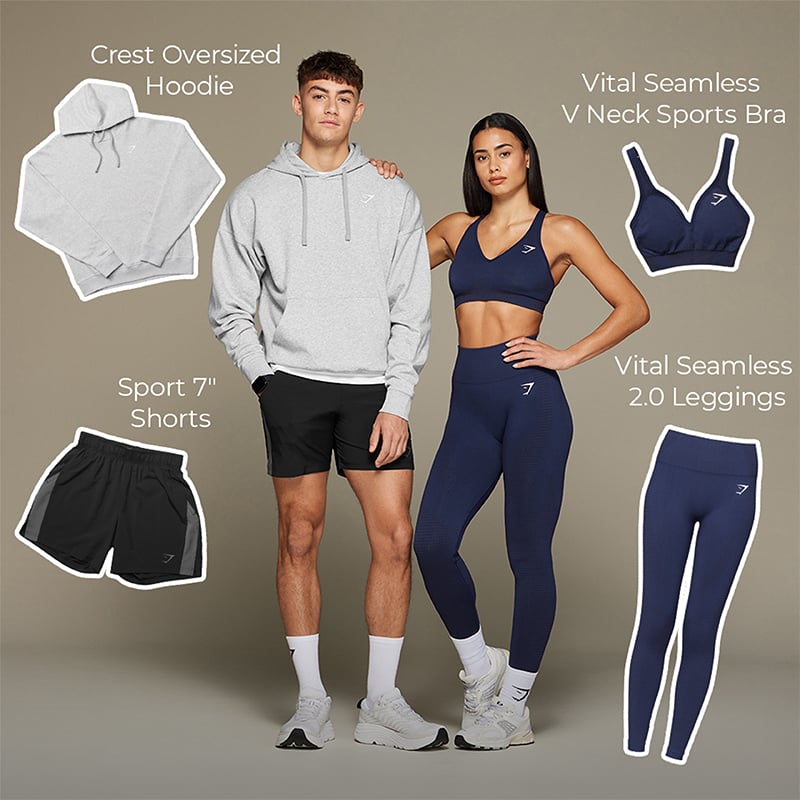
Credit: www.gymshark.com
Signs You Have Too Many Or Too Few Gym Clothes
How do you know if your gym wardrobe is the right size? Look for these signs:
Too Few Gym Clothes:
- You run out of clean clothes before laundry day.
- You re-wear sweaty or dirty items.
- You skip workouts because you don’t have anything to wear.
Too Many Gym Clothes:
- Clothes stay in your drawer for weeks, unworn.
- You forget about some pieces.
- Your closet feels crowded and hard to organize.
The sweet spot is when you always have something clean, everything fits, and you wear most of your gear regularly.
The Role Of Special Gym Clothes
Some workouts need special clothes. For example, cyclists wear padded shorts, swimmers need swimsuits, and weightlifters may use supportive belts or gloves. If your fitness routine includes these activities, you might need extra gear.
But be careful—some people buy specialty items and never use them. Only add these pieces if you use them at least once a week. Otherwise, they just take up space.
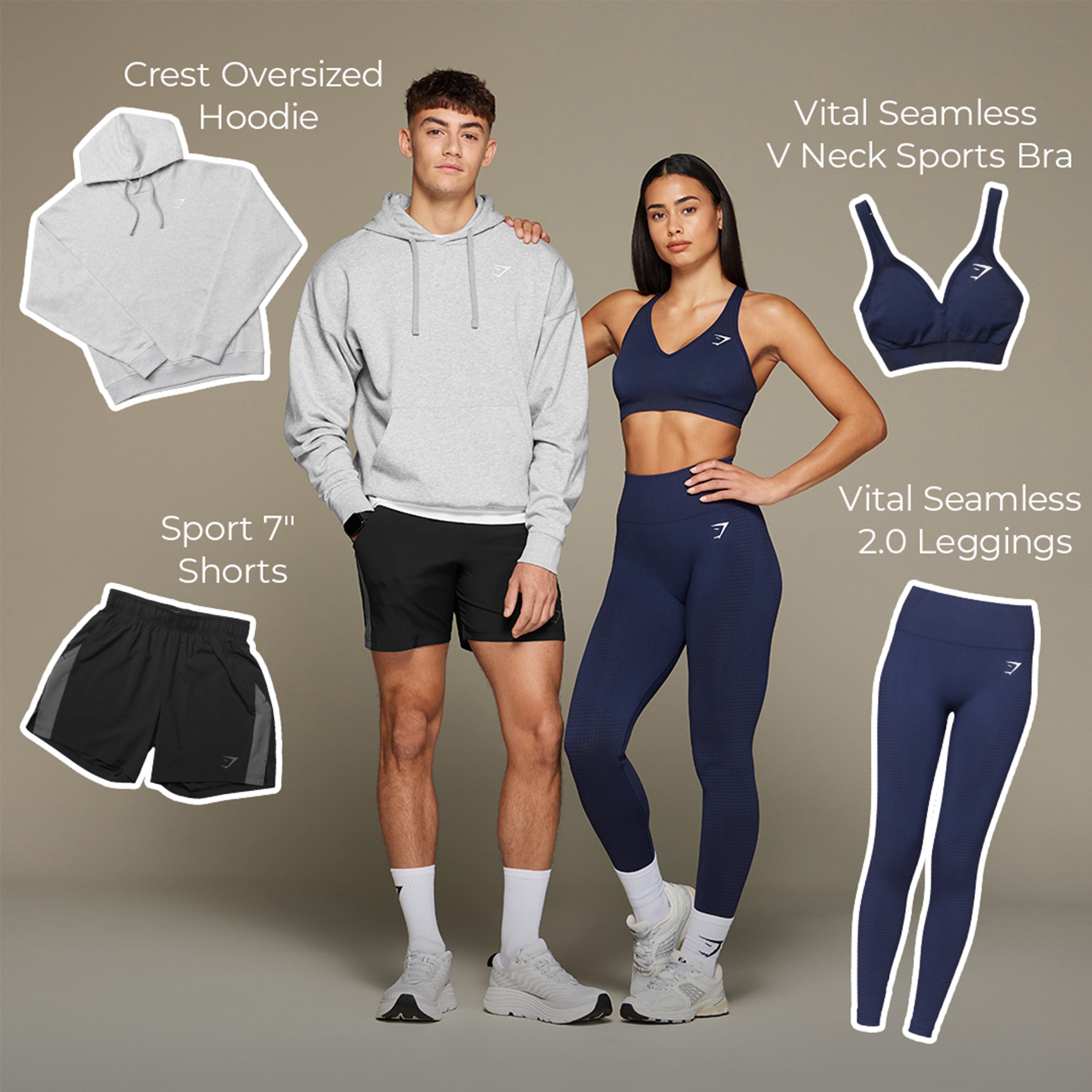
Credit: www.gymshark.com
How Laundry Habits Change Your Needs
Laundry is a hidden factor in gym wardrobe size. If you wash clothes after every session, you can own fewer sets. But if you do laundry once a week or less, you need more options.
Here is a simple chart:
| Laundry Frequency | Minimum Sets Needed | Best for |
|---|---|---|
| After every workout | 2–3 | Minimalists, frequent washers |
| Twice a week | 4–5 | Moderate exercisers |
| Once a week | 6–7 | Busy people, large families |
If your gym clothes often smell even after washing, consider using a sports detergent or air-drying before putting them in the hamper.
How To Rotate Your Gym Clothes Smartly
Rotating your gym clothes helps them last longer and keeps your routine fresh. Here’s a simple way to do it:
- Keep favorites within reach: Put the clothes you wear most often at the front of your drawer.
- Use a “one in, one out” rule: For every new item you buy, donate or recycle one old piece.
- Check for wear: If a shirt is stretched, stained, or smells even after washing, it’s time to retire it.
- Seasonal swap: Store off-season clothes (like heavy hoodies in summer) to free up space.
This keeps your wardrobe tidy and ensures you use everything you own.
When To Replace Gym Clothes
Gym clothes wear out faster than regular clothes because of sweat, stretching, and frequent washing. Here are signs it’s time to replace an item:
- Elastic is loose or stretched out
- Fabric is thin or see-through
- Permanent odor remains after washing
- Holes or tears
- Irritation or chafing while wearing
On average, gym clothes last six months to two years, depending on use and quality. Shoes should be replaced after 300–500 miles of running or when the soles wear down. Replacing clothes at the right time keeps you comfortable and prevents injuries.
Mistakes People Make When Buying Gym Clothes
Many people buy gym clothes based on trends, price, or advertising, but this often leads to mistakes:
- Buying too many items at once: Start with a few basics and add as needed.
- Focusing on style over function: Cool designs mean nothing if the fit is wrong or fabric doesn’t breathe.
- Ignoring care instructions: Some materials shrink or fade if not washed correctly.
- Skipping quality checks: Cheap gym clothes may not last, costing more in the long run.
- Not considering your real habits: If you exercise twice a week, you don’t need ten outfits.
A smart buyer looks for durable, comfortable clothes in the right quantity for their lifestyle.
The Impact Of Gym Clothes On Performance
It’s not just about looks—good gym clothes can improve your performance. Sweat-wicking materials help your body stay cool, reducing the risk of overheating. Supportive sports bras or compression wear can prevent injuries. Well-fitted shoes reduce joint pain.
But having too many clothes does not make you exercise more. Studies show that motivation comes from routine, goals, and social support—not just new gear. So, buy what you need, but don’t expect clothes alone to change your habits.
Sustainability And Gym Clothes
Fast fashion affects gym clothes too. Many sportswear brands produce large amounts of synthetic clothing, which ends up in landfills. To be more sustainable:
- Buy fewer, better-quality pieces that last longer.
- Choose recycled materials when possible.
- Donate or recycle old gym clothes instead of throwing them away.
Some brands now offer recycling programs for old sportswear. This is better for the planet and keeps your closet tidy.
Real-life Examples: Gym Wardrobes For Different People
Let’s look at three examples:
Case 1: The Busy Parent
- Exercises twice a week
- Does laundry every five days
- Needs: 3 tops, 3 bottoms, 1 hoodie, 4 socks/underwear
Case 2: The Gym Enthusiast
- Works out five days a week (mix of cardio and weights)
- Does laundry once a week
- Needs: 6 tops, 6 bottoms, 2 hoodies, 7 socks/underwear
Case 3: The Competitive Athlete
- Trains every day (includes swimming and running)
- Needs special gear (swimsuit, running shorts, etc.)
- Does laundry twice a week
- Needs: 8 tops, 8 bottoms, 2 swimwear sets, 3 jackets, 10 socks/underwear
These examples show there’s no single answer. Your routine shapes your needs.
How To Start Building The Right Gym Wardrobe
If you want to build a better gym wardrobe, follow these steps:
- Count what you have: Lay out all your gym clothes. Group them by type.
- Check what you wear: Notice which items you use most.
- Remove what you don’t use: Donate or recycle old or ill-fitting items.
- Fill the gaps: If you run out of clean clothes, add a few more.
- Test your new routine: See if your new system works for a few weeks.
This process helps you avoid waste and makes getting ready for the gym easier.
Is There An Ideal Number Of Gym Clothes?
There is no magic number. But here’s a simple guideline based on most people’s experiences:
- If you work out 2–3 times a week: 3–4 outfits
- If you work out 4–5 times a week: 5–7 outfits
- If you work out daily: 7–10 outfits
Adjust up for hot climates, heavy sweating, or slow laundry habits. Adjust down if you do laundry often or prefer a minimalist lifestyle.
Non-obvious Tips Most Beginners Miss
Many new gym-goers overlook these:
- Double-duty clothes: Some gym wear (like plain black leggings or simple tees) can also be worn for errands or lounging. This maximizes value.
- Rotation system: Use a simple rotation (left-to-right in your drawer) to make sure all items get worn, which extends their life.
- Check your climate: In humid places, gym clothes may need more airing out or washing. Owning a few extra pieces can help prevent odor buildup.
- Travel set: Keep one set of gym clothes in your bag or car. This makes it easier to stick to your routine if your plans change.
These small tricks can save time and money over the long term.
The Role Of Material And Fit In Choosing Quantity
Choosing the right material helps you own fewer clothes because quality items last longer and resist odor. Look for polyester blends, bamboo, or merino wool for breathability. Avoid cotton for heavy workouts, as it holds sweat.
Fit also matters. Too-tight clothes wear out faster and can restrict movement. Too-loose clothes may chafe or distract you. Try on new pieces and move around before buying.
Should You Buy Gym Clothes In Sets Or Separates?
Buying matching sets can look stylish and make getting ready easy. But buying separates lets you mix and match, which means you need fewer pieces for more outfit combinations.
If you want a small wardrobe, stick to neutral colors and classic styles. For those who love variety, a few bright or patterned items can add personality.
Here’s a simple mix-and-match example:
| Item | Color | Combines with |
|---|---|---|
| 3 tops | Black, gray, blue | All bottoms |
| 3 bottoms | Black, navy, olive | All tops |
| 1 hoodie | Black | Any outfit |
With just a few well-chosen items, you can create many combinations.
How To Store Gym Clothes For Easy Access
A messy gym drawer slows you down. Here’s how to organize:
- Use dividers in drawers for tops, bottoms, and socks.
- Hang jackets or hoodies to prevent wrinkles.
- Store shoes separately to avoid odor transfer.
- Keep a “ready to go” bag with a full outfit for last-minute workouts.
Good storage means less time getting ready and more focus on your workout.
When To Upgrade Your Gym Wardrobe
Upgrade when:
- Your routine changes (you start swimming, running, or lifting more)
- You move to a new climate
- Your current clothes no longer fit or feel good
- You want to treat yourself for hitting a goal
But don’t feel pressured by trends. Focus on what helps you perform and feel your best.
How Much Do People Spend On Gym Clothes?
The amount spent varies widely. Some buy budget basics, while others invest in high-end brands. A survey by a major sports retailer showed:
- Average yearly spend per person: $50–$150
- High-end buyers: $300+ per year
- Most common: $10–$30 per item
Expensive doesn’t always mean better. Look for value, not just price. For advice on sustainable fashion and spending, you can read this New York Times guide.
Frequently Asked Questions
How Many Gym Outfits Should I Own If I Work Out Every Day?
If you exercise daily, aim for seven to ten gym outfits. This gives you a fresh option each day and time for laundry. If you sweat heavily or live in a hot place, you may want one or two extra sets.
Can I Wear Regular Clothes For The Gym?
You can, but gym clothes are made for movement and sweat. Regular cotton t-shirts and shorts can hold moisture and cause chafing. It’s better to use clothes made for exercise, even if you start with just a couple of sets.
How Often Should I Replace Gym Clothes?
Replace items when they lose shape, have holes, or keep odors after washing. On average, most people replace gym clothes every six months to two years, depending on use.
Is It Better To Buy Cheap Or Expensive Gym Clothes?
Focus on quality and fit over price. Cheap clothes may wear out quickly, but high price doesn’t always mean high quality. Try different brands and read reviews before buying.
What Should I Do With Old Gym Clothes?
Donate or recycle old gym clothes if they are in good condition. Some brands have recycling programs. Avoid throwing them in the trash to reduce waste.
Finding the right amount of gym clothes is about balance—enough to keep you comfortable and motivated, not so much that your closet overflows. With a thoughtful approach, you can build a gym wardrobe that supports your health, your budget, and the environment.
