

How Much Gym Clothes Do I Need? Your Essential Guide
How Much Gym Clothes Do I Need
Choosing the right amount of gym clothes is more important than many people think. If you’re just starting your fitness journey, you may ask yourself: “How many sets do I actually need?” Some buy too many, while others run out of clean clothes by midweek. The perfect number depends on your workout habits, how often you do laundry, and your personal comfort. But there’s more to it—climate, type of exercise, and even your lifestyle all play a role.
This guide will help you find the right balance. You’ll learn how to build a practical gym wardrobe, avoid common mistakes, and keep your routine simple. By the end, you’ll know exactly how many items you need, why each piece matters, and how to make smart choices for your fitness and budget.
You’ll also discover tips for making clothes last, how to adapt for travel, and how a minimalist approach can keep your routine stress-free.
Why The Right Amount Of Gym Clothes Matters
Wearing clean, comfortable gym clothes is not just about looking good. It helps you perform better, prevents skin problems, and boosts your confidence. If you don’t have enough, you may skip workouts or wear dirty clothes, which is unhealthy. Too many, and you waste money and closet space.
Many beginners believe more is always better. In reality, the right amount is about balance. You need enough for your schedule and lifestyle, but not so many that laundry piles up or you forget what you own. Understanding this will save you time, money, and frustration.
A well-sized gym wardrobe also helps you build a solid routine. When you know you have enough clean clothes, you’re less likely to skip a session. On the other hand, having too many options can make decision-making harder and delay your workout.
People who keep things simple often find it easier to stick to their fitness plan.
Factors That Affect How Many Gym Clothes You Need
The perfect amount isn’t the same for everyone. Here are the biggest things to consider:
1. Workout Frequency
How often you exercise each week is the main factor. If you work out once or twice, you need fewer clothes than someone who goes daily.
- 1–2 times per week: 1–2 sets may be enough
- 3–4 times per week: 3–4 sets recommended
- 5+ times per week: 5–7 sets for comfort
For example, someone who does both gym sessions and outdoor runs in one week may need even more, especially if they sweat heavily or do double sessions.
2. Laundry Schedule
If you wash clothes often, you can get by with fewer sets. If you do laundry once a week (or less), you need more.
- Daily laundry: Fewer clothes needed
- Weekly laundry: More sets required
Also consider how long your clothes take to dry. If you live in a humid area, clothes might need more time to dry, so having a few extra sets prevents you from running out.
3. Type Of Exercise
Some workouts are sweatier than others. Cardio and HIIT usually require fresh clothes every time. Yoga or stretching may allow you to reuse an item if it’s not dirty.
For mixed routines, like strength training with cardio, you might need to change more often. If you do low-intensity exercise like walking, you can sometimes re-wear bottoms or outer layers.
4. Climate And Season
Hot, humid weather means more sweat and possibly changing clothes more often. In cold weather, you might layer up or reuse items that don’t touch your skin directly.
If you live somewhere with big seasonal changes, you may find your needs shift during the year. For example, you may need more lightweight tops in summer and more long-sleeve layers in winter.
5. Personal Preferences
Some people feel fine wearing the same shorts twice if they’re not smelly. Others want a fresh set every time. Know your comfort level.
Non-obvious insight: Many people underestimate how much climate and sweat level affect clothing needs, especially if they work out indoors but sweat heavily. For example, if you use a heated yoga studio, you’ll need more changes even in winter.
Another detail that’s often missed: some people prefer different clothes for different moods or activities. For example, you might want loose tops for cardio and fitted ones for weightlifting.
Essential Gym Clothing Items: What You Really Need
Let’s break down the core pieces you’ll need for a complete gym wardrobe. We’ll look at upper body, lower body, undergarments, socks, and accessories.
Tops
You’ll usually need at least one workout top for each session before your next laundry day.
- T-shirts: Versatile and affordable. Good for most workouts and easy to layer.
- Tank tops: Better for hot weather or intense workouts. They keep you cool and dry faster.
- Long-sleeve shirts: For cold weather or outdoor exercise. Layer under a jacket for winter runs.
Some people like to mix short and long sleeves depending on the gym’s air conditioning or their personal comfort.
Bottoms
The type depends on your activities and comfort.
- Shorts: Great for cardio, HIIT, or summer weather. Look for styles with built-in liners for extra support.
- Leggings/tights: Popular for yoga, pilates, or running. They stay in place during movement and help with flexibility.
- Track pants/joggers: For cooler weather or warm-ups. Some have zip pockets for keys or cards.
If you do different types of workouts, having a mix helps. For example, shorts for cardio days and leggings for yoga or stretching.
Sports Bras (for Women)
A good sports bra is essential for support and comfort. You’ll need at least as many bras as your workout days between laundry.
Sports bras come in different support levels—low, medium, and high impact. Choose based on your activity. For example, running needs high support, while yoga may only require medium support.
Underwear
Cotton or moisture-wicking underwear is important for hygiene and comfort. Have at least one pair per workout.
Seamless designs reduce chafing. For men, athletic boxer briefs are a popular choice.
Socks
Sweaty feet can cause blisters and odor. Use breathable, athletic socks and have enough for each session.
For long workouts or running, consider cushioned or anti-blister socks. Some people also like compression socks for recovery.
Outerwear
- Light jacket or hoodie: For warm-ups or outdoor workouts. A zip-up style is easy to remove.
- Rain jacket: If you exercise outside in wet weather. Look for breathable, waterproof material.
In cold climates, a windbreaker or insulated jacket might be needed for outdoor sessions.
Shoes
You need at least one pair for the gym, but if you do different sports (like running and weightlifting), consider two pairs.
Running shoes and lifting shoes have different designs—one for cushioning, one for stability. Using the right shoe reduces injury risk.
Accessories
- Headbands or sweatbands: For keeping sweat away from eyes and face.
- Gym towel: Many gyms require this for hygiene and cleaning equipment after use.
- Gloves: For weightlifting or cycling to protect your hands and improve grip.
Pro tip: Accessories are often overlooked. Sweatbands and towels can make a big difference for hygiene and comfort. A water bottle and a small bag for toiletries are also handy for regular gym-goers.
Building Your Gym Wardrobe: How Many Of Each Item?
Here’s a simple rule: Have one clean set for each workout before your next laundry day. Below is a practical guideline for most people who work out 3–5 times per week and do laundry weekly.
| Item | Minimum | Recommended | Why? |
|---|---|---|---|
| Workout tops | 3 | 5–7 | Fresh shirt for each session |
| Shorts/leggings | 2 | 4–5 | Some can be worn twice if not sweaty |
| Sports bras | 2 | 4–5 | Need time to air out and wash |
| Underwear | 3 | 5–7 | Change every workout for hygiene |
| Socks | 3 | 5–7 | Fresh pair prevents odor/blisters |
| Shoes | 1 | 2 | One for main activity, optional backup |
| Hoodies/jackets | 1 | 2 | For warm-up or outdoor gym |
| Gym towel | 1 | 2 | Always have a clean one |
Note: If you work out more often, increase the numbers. If you do laundry more than once a week, you can have fewer sets.
For people who work out multiple times a day, having a few extra tops, underwear, and socks is smart. It’s always better to have a spare than to be caught without clean clothes.
How To Choose Quality Gym Clothes
Having the right amount is important, but quality matters, too. Poor-quality clothes wear out faster and may not be comfortable.
Fabric
Look for moisture-wicking, breathable fabrics like polyester, nylon, or technical blends. Avoid heavy cotton for sweaty workouts.
Some brands add mesh panels for extra ventilation. For hot climates, lighter colors reflect sunlight and keep you cooler.
Fit
Clothes should be snug but not tight. Test movement—can you squat, jump, and stretch comfortably?
Try on clothes and do a few movements before buying. Some tops and leggings stretch out after washing, so check reviews for sizing advice.
Durability
Stitching, seams, and fabric thickness matter. Cheap items may fall apart after a few washes. Spending a bit more up front can save money in the long run.
Reinforced seams and double-layered fabrics last longer. If you notice pilling or thinning quickly, it’s a sign of low quality.
Odor Control
Some fabrics are treated to resist bacteria and odor. This is useful if you sweat a lot.
Look for “anti-microbial” labels. These can help keep clothes smelling fresh, especially for multi-day trips or busy weeks.
Insider tip: Many people buy cheap sets and end up replacing them quickly. Investing in a few quality pieces is often better than buying many low-quality items. Quality clothes also keep their shape and color longer, so you look and feel good every session.
Gym Clothes For Different Types Of Workouts
Not all workouts need the same clothes. Here’s how your needs change by activity:
Cardio & Hiit
You sweat more, so you need more quick-dry tops and bottoms. Avoid cotton.
Consider tops with mesh backs or laser-cut holes for more breathability. Having extra sets is wise if you do these workouts daily.
Weightlifting
You can reuse some items if you don’t sweat much, but consider supportive shoes and gloves.
Some lifters prefer compression wear for muscle support. Shorts or joggers with pockets are useful for holding your phone or keys.
Yoga/pilates
Stretchy leggings and fitted tops work best. You may get by with fewer sets if you sweat less.
Some yoga studios are heated (“hot yoga”), so you’ll need more changes. For pilates, grip socks are helpful on slippery floors.
Outdoor Running
Weather is a big factor. You may need extra layers, hats, or rain gear.
Reflective details are important for early morning or night runs. For winter, thermal leggings and gloves keep you comfortable.
Group Classes
Bring a gym towel and fresh socks every session. For dance or aerobics, shoes matter more.
Choose shoes designed for lateral movement if you take Zumba or step classes.
Non-obvious insight: The activity’s intensity is often more important than the type. Even in yoga, hot studios can mean you need extra sets. And for outdoor workouts, wind and rain can make you change clothes more often.
Gym Clothes For Men Vs. Women
While much is similar, there are a few key differences:
For Women
- Sports bras: Must-have for support
- Leggings or capris: Often preferred for coverage and comfort
- Layering: More options for tanks, jackets, and crop tops
Women’s activewear often has pockets and hidden features for keys or cards. High-waisted leggings are popular for comfort and coverage during movement.
For Men
- Shorts or joggers: Most common
- Compression wear: For support or muscle recovery
- Muscle tanks: Popular for upper-body workouts
Men’s gym shorts often have built-in liners for support, and many prefer looser fits for mobility. Compression sleeves are also common for arms or calves.
Both need enough tops, bottoms, socks, and underwear for each workout. The focus should always be on comfort and confidence, no matter your gender.
Gym Clothes For Different Climates
Where you live changes what you need.
Hot And Humid
- Lighter, sweat-wicking fabrics
- Extra tops and underwear (may change mid-workout)
- More shorts, fewer long pants
If you train outside, wear UV-protective clothing and a hat. Quick-dry towels are helpful for wiping sweat.
Cold Weather
- Long sleeves, leggings, and outer layers
- Fewer changes since you may sweat less
- Consider gloves and hats for outdoor workouts
Layering is important. Start with a base layer to wick sweat, then add warmth as needed. Remove layers as you warm up.
Rainy Conditions
- Water-resistant jacket
- Quick-dry shoes or a second pair for wet days
Shoe covers and waterproof bags protect your gear. For those in rainy climates, consider investing in a few extra pairs of socks and shoes to allow for drying time.
Practical tip: In variable climates, choose items that layer well so you don’t need a whole new wardrobe for each season. Look for clothes that pack small but keep you warm or cool as needed.
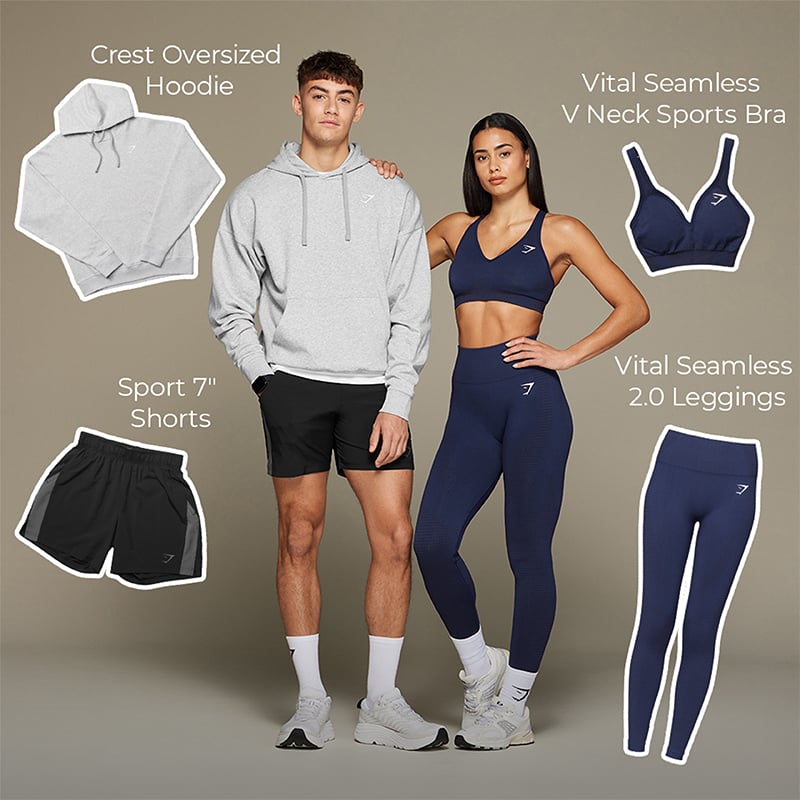
Credit: www.gymshark.com
Common Mistakes When Buying Gym Clothes
Avoid these pitfalls to save money and keep your routine easy.
- Overbuying: Buying too many items “just in case.” Start with the basics and add only if needed.
- Underestimating laundry: Not counting how often you’ll wash clothes. This leads to running out.
- Ignoring fit: Clothes that are too tight or loose make workouts uncomfortable and less effective.
- Choosing fashion over function: Some trendy items look good but aren’t practical for exercise.
- Neglecting accessories: Forgetting sweatbands or towels can make workouts less pleasant.
- Not checking care labels: Some clothes need special washing. Check before buying.
- Sticking to one brand: Explore different brands for better fit and value.
Important: Many new gym-goers buy too many tops and too few bottoms. Shorts and leggings often get dirtier and need more frequent changes.
Another common mistake: not trying on clothes before buying. Sizing can vary a lot between brands, so always check fit and comfort.
How To Make Your Gym Clothes Last Longer
Taking care of your gym clothes will save you money and hassle. Here’s how:
Wash Promptly
Sweat left in clothes can cause smells and damage fabric. Wash soon after use.
If you can’t wash right away, rinse clothes in cold water and hang them to air out. This prevents bacteria from building up.
Use Mild Detergent
Strong detergents and fabric softeners can break down technical fabrics.
Choose a detergent made for activewear if possible. Avoid bleach, as it damages fibers and reduces moisture-wicking ability.
Air Dry
Machine drying can shrink or ruin elastic fibers. Air dry when possible.
Hang clothes in a well-ventilated area. If you must use a dryer, use a low-heat setting.
Rotate Items
Wearing the same items too often causes faster wear. Rotate between sets.
Having a few more sets allows each item to rest and recover its shape.
Store Properly
Don’t leave sweaty clothes in your bag. Hang them to dry before washing.
Dedicated storage space for gym clothes keeps them fresh and easy to find. Use breathable bags for carrying clothes to and from the gym.
Lesser-known tip: Avoid using bleach, which can ruin moisture-wicking properties. Also, close all zippers and velcro before washing to prevent snags.
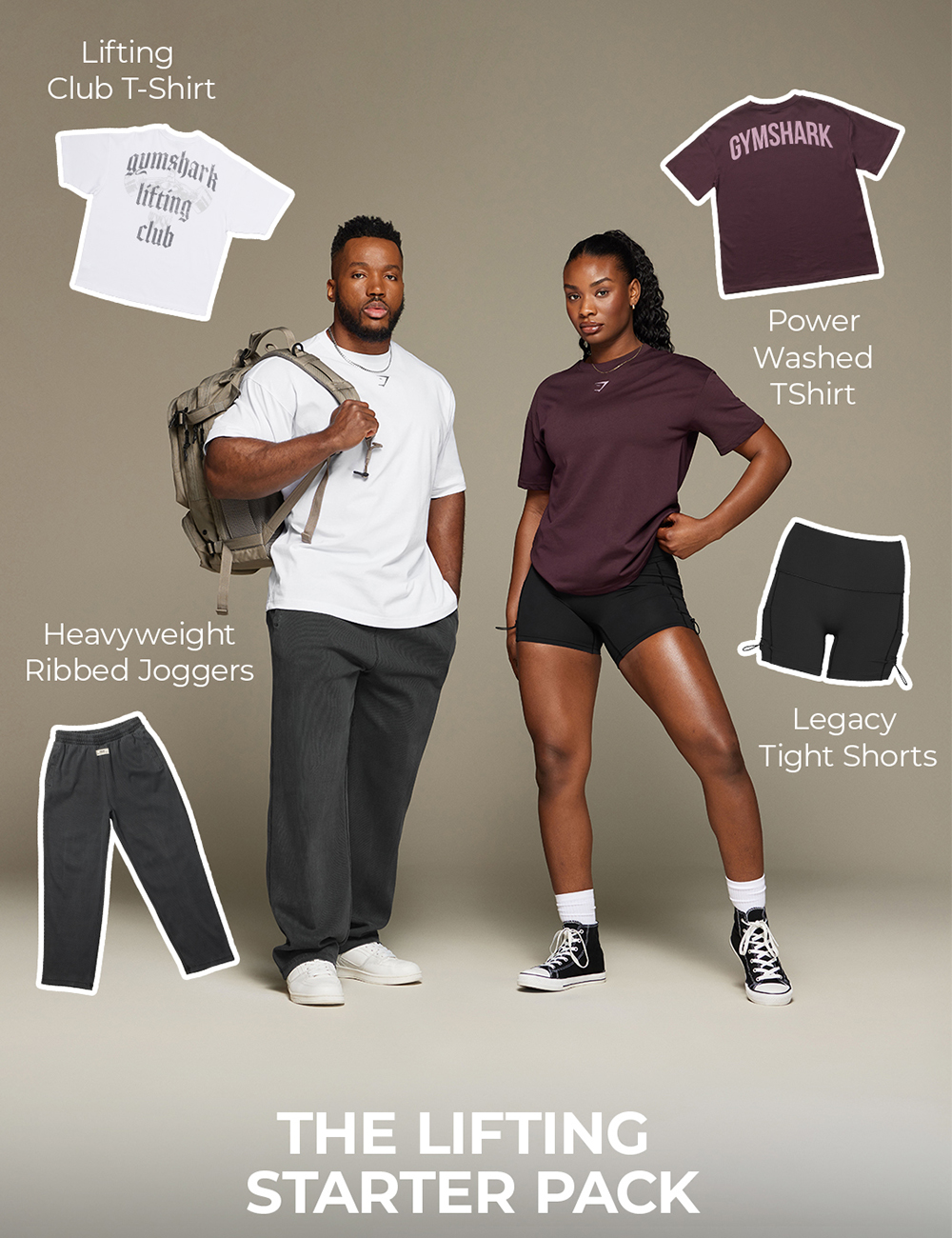
Credit: www.gymshark.com
How To Build A Minimalist Gym Wardrobe
You don’t need a huge closet for effective workouts. Here’s a minimalist setup for 3–4 sessions per week:
- 3–4 tops: Mix tees and tanks
- 2–3 bottoms: Shorts/leggings depending on activity
- 2 sports bras (if needed)
- 3–4 pairs of socks
- 3–4 pairs of underwear
- 1 jacket or hoodie
- 1 gym towel
- 1–2 pairs of shoes
This covers a full week with a simple laundry routine.
For even more simplicity, choose neutral colors that mix and match easily. This way, you can pair any top with any bottom and still look coordinated.
Gym Clothes For Specialized Activities
If you do more than basic gym workouts, consider specialized gear:
Swimming
- Swimsuit/trunks
- Goggles
- Swim cap (optional)
- Quick-dry towel
Chlorine can damage regular gym clothes, so keep swimwear separate.
Cycling
- Padded shorts
- Breathable top
- Cycling gloves
Bright or reflective clothing is useful for safety if you ride outside.
Team Sports
- Sport-specific uniform or gear
- Extra socks and shoes
Consider a separate bag for team gear to keep things organized.
Note: Specialized activities may require buying extra items, but only for those activities. Don’t overbuy if you only do them occasionally.
Budgeting For Gym Clothes
You don’t need to spend a lot. Here’s a simple cost comparison for a basic wardrobe:
| Item | Budget ($) | Mid-range ($) | Premium ($) |
|---|---|---|---|
| Top | 5–10 | 15–30 | 40+ |
| Shorts/Leggings | 10–20 | 25–50 | 60+ |
| Sports Bra | 10–20 | 25–40 | 50+ |
| Socks (per pair) | 2–5 | 8–12 | 15+ |
| Shoes | 30–50 | 60–100 | 120+ |
Start with the essentials and add more only if you need them. For more on saving money on activewear, check [Consumer Reports](https://www.consumerreports.org/health-wellness/how-to-save-on-workout-clothes-a5607279456/).
When budgeting, remember that shoes and sports bras usually wear out faster, so set aside extra for replacements. Off-season sales or outlet stores are good places to find deals.
When To Replace Your Gym Clothes
No matter how many sets you own, they won’t last forever. Watch for these signs:
- Odor won’t wash out
- Fabric thins or tears
- Elastic is loose
- Seams unraveling
- Shoes lose support or tread
Replace immediately if you notice any of these. For most, tops and bottoms last 6–12 months with regular use, shoes 6–18 months.
Also, if your clothes don’t fit well anymore—maybe you’ve gained muscle or lost weight—it’s time for an update. Ill-fitting clothes can distract you and affect performance.
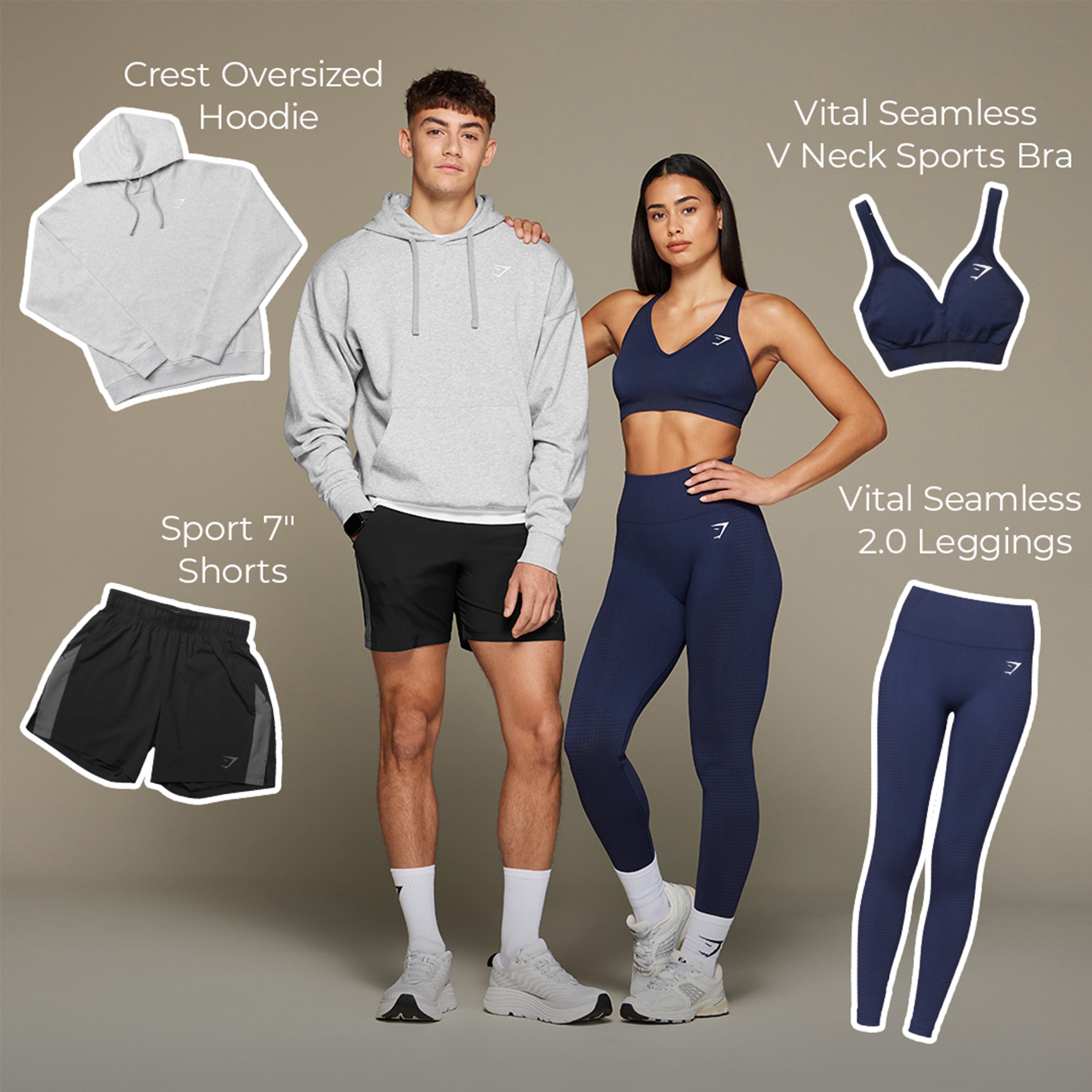
Credit: www.gymshark.com
Gym Clothes For Travel And On-the-go
If you travel often or go straight from work to the gym, you may need extra sets.
- Packable items: Lightweight and quick-drying clothes are best.
- Extra underwear and socks: Always carry a spare set.
- Compact shoes: Consider minimalist sneakers for easy packing.
Pro tip: Keep a backup set of clothes in your gym bag for emergencies. A small toiletry kit, like deodorant and wipes, can also help you freshen up on the go.
When traveling, choose versatile clothes that work for both gym and casual wear to save space.
Frequently Asked Questions
How Many Gym Outfits Should A Beginner Have?
Beginners should start with at least 3–4 complete outfits. This covers workouts for most of the week before laundry day. As you get into a routine, you can add more if needed.
Can I Wear The Same Gym Clothes Twice?
It depends. Tops and underwear should be changed every time for hygiene. Shorts or leggings can sometimes be worn twice if not sweaty or dirty, but always listen to your body and nose.
How Often Should I Wash Gym Clothes?
Wash after every use, especially tops, underwear, and socks. Leaving sweat in clothes can cause odor and bacteria. Bottoms can sometimes wait if not too sweaty, but washing every time is best practice.
Do I Need Special Gym Clothes For Different Workouts?
Some activities need specific clothes. For example, yoga needs stretchy pants, while running requires sweat-wicking tops and supportive shoes. For general gym workouts, basic tops and bottoms are enough.
What Is The Best Way To Store Gym Clothes?
Store gym clothes in a dry, ventilated space. Don’t keep sweaty clothes in your bag. Hang them to air out before washing. Fold and keep them separate from regular clothes for easy access.
Finding the right number of gym clothes doesn’t have to be a guessing game. Focus on your workout routine, laundry habits, and comfort. Start with the basics, invest in quality, and adjust as your needs change. With the right approach, your gym wardrobe will keep you motivated and ready for every session—without the stress of running out of clean gear.
