

How Much Does It Cost to Make Gym Clothes? A Complete Breakdown
How Much Does It Cost To Make Gym Clothes
Creating gym clothes might look simple, but the true cost is more complex than many people think. If you want to start a gym apparel brand, or just understand why some leggings cost more than others, it’s important to know what goes into making gym clothes. From fabric to packaging, every step adds to the total price. This article breaks down all these factors in clear, simple language so you can see the full picture.
What Makes Up The Cost Of Gym Clothes?
The price tag on gym clothes includes much more than just the fabric. Every step, from designing to shipping, adds value—and cost. Here’s what you’re really paying for when you buy or make gym clothes:
- Materials (main fabric, trims)
- Design and development
- Manufacturing and labor
- Quality control
- Packaging
- Shipping and logistics
- Branding and marketing
- Overhead and business costs
- Taxes, duties, and compliance
Let’s look at each factor in detail.
Material Costs
The material is the heart of any gym clothing item. Good quality fabric is essential for comfort, durability, and performance. But not all fabrics are equal, and prices vary widely.
Main Fabric
Most gym wear uses synthetic fibers like polyester, nylon, or blends with spandex (also called Lycra or elastane). These give stretch and moisture-wicking properties. Here’s how the cost breaks down:
- Basic polyester: $2–$4 per yard
- High-performance polyester blends: $5–$9 per yard
- Nylon/spandex blends: $6–$12 per yard
- Sustainable options (like recycled polyester): $8–$15 per yard
For a pair of leggings, you usually need about 1–1.5 yards of fabric. For a tank top, about 0.75 yards. The quality and source of the fabric matter a lot—cheaper fabric pills, loses shape, and feels rough.
Fabric Treatment
Some gym clothes have special treatments, like antibacterial, UV protection, or cooling finishes. These can add $0.50–$2 per yard.
Trims And Accessories
Small items like zippers, elastic bands, drawstrings, labels, and reflective strips also cost money. On average:
- Zippers: $0.20–$0.80 each
- Elastic waistbands: $0.10–$0.50 per item
- Labels and tags: $0.05–$0.25 per item
- Other trims: $0.05–$0.50 per item
Individually, these seem small, but they add up in large production.
Material Waste And Minimum Orders
When buying fabric, factories often require a minimum order quantity (MOQ), usually 500–1000 yards. You also lose some fabric during cutting (called wastage), usually 10–15% of total fabric. This extra cost is often included in the final price.
Design And Development Costs
Before a gym shirt or leggings reach the sewing line, there’s a lot of work behind the scenes.
Design
Designers create the look, fit, and details of the clothes. For small brands or startups, you might hire a freelance designer for $500–$2000 per style. Bigger brands have in-house teams, but this cost is still there.
Tech Pack Creation
A tech pack is a detailed file with measurements, fabric choices, stitching methods, and artwork. This is essential for factories to make your design correctly. A tech pack usually costs $100–$400 per style if outsourced.
Prototyping And Sampling
Making the first sample (prototype) is not cheap. Factories charge more for samples than for bulk orders, usually $50–$150 per piece. Most brands make several samples before the final version, so costs can add up quickly.
Manufacturing And Labor
Now the actual production begins. Labor costs depend on where the factory is located and how complex the design is.
Sewing And Assembly
- Simple tank top: $1–$2 in labor
- Leggings with pockets/panels: $2–$4 in labor
- Sports bra with padding: $2.50–$5 in labor
Labor costs are lower in countries like China, Vietnam, and Bangladesh. In the US or Europe, labor can be 3–5 times higher.
Cutting And Printing
Cutting is often automated, but printing (logos, patterns, graphics) adds cost:
- Screen printing: $0.50–$1.50 per item (depends on the number of colors)
- Sublimation printing: $1–$3 per item
- Heat transfer logos: $0.30–$0.80 each
Complex prints or custom graphics cost more.
Embroidery
Some gym clothes have embroidered logos or details. Embroidery adds $0.50–$1.50 per item, depending on size and complexity.
Quality Control
Quality matters in gym clothes. Poor stitching or weak fabric can lead to returns and bad reviews.
- Inline inspections: Workers check items during production. Cost is built into labor, but extra checks cost $0.05–$0.20 per item.
- Final inspections: Some brands pay outside companies to check finished goods, costing $150–$400 per batch.
Catching problems early saves money in the long run.
Packaging Costs
How gym clothes are packed affects both the cost and the customer experience.
Basic Packaging
- Polybag: $0.05–$0.10 per item
- Hang tags: $0.05–$0.20 each
- Size stickers: $0.01 each
Premium Packaging
- Custom boxes: $0.50–$2 each
- Tissue paper, thank-you cards: $0.10–$0.30 per item
Some brands invest more in packaging to improve unboxing experience, but this raises the cost per item.
Shipping And Logistics
Shipping is often overlooked but can be a big expense, especially for international orders.
Factory To Warehouse
- Sea freight: $0.10–$0.30 per item (cheaper, but slower)
- Air freight: $0.50–$2 per item (faster, but more expensive)
Shipping rates depend on order size, weight, distance, and speed.
Distribution And Fulfillment
If you store inventory in a warehouse or use a 3rd party fulfillment center, add $0.50–$2 per item for handling and delivery to customers.
Import Duties And Taxes
Importing gym clothes into the US, Europe, or other countries means paying duties, often 10–20% of the production cost.
Branding And Marketing
People pay more for gym clothes from famous brands, not just because of quality, but because of branding.
Branding Elements
- Custom logos/tags: Already covered in trims, but unique branding can add $0.10–$0.50 per item in design and set-up fees.
Marketing Costs
Marketing includes photoshoots, influencer partnerships, ads, and social media. It’s hard to put an exact cost per item, but many brands spend 15–30% of their total cost on marketing.
Example: Marketing Spend
If a gym shirt costs $10 to make, the brand might spend $2–$3 on marketing for each sale.
Overhead And Business Costs
Running a gym apparel business has many other costs.
Staff Salaries
If you have employees (managers, designers, sales staff), their salaries are part of the total cost.
Office, Website, Legal
- Office rent, utilities
- Website hosting and design
- Legal and accounting fees
- Insurance
These are called overhead costs. Most brands divide them across each item sold.
Average Overhead Cost
For small brands, this might add $1–$5 to each item. Bigger brands can spread these costs more widely.
Taxes, Duties, And Compliance
Gym clothes must follow safety and labeling rules in each country.
Compliance Testing
Some countries require tests for chemicals, flammability, or labeling. Each test can cost $100–$500. This is usually a one-time cost for each style.
Import Taxes
As mentioned, duties and taxes add 10–20% of the production price when importing.

Credit: www.adidas.com
Typical Cost Breakdown: Example
Let’s see how these costs add up for a basic pair of gym leggings.
| Cost Component | Low-End Estimate | High-End Estimate |
|---|---|---|
| Fabric (1.2 yards) | $3.60 | $18.00 |
| Trims & Accessories | $0.30 | $1.50 |
| Labor (sewing, assembly) | $2.00 | $5.00 |
| Printing/Embroidery | $0.30 | $2.00 |
| Quality Control | $0.10 | $0.50 |
| Packaging | $0.10 | $1.00 |
| Shipping & Logistics | $0.30 | $2.00 |
| Overhead Allocation | $1.00 | $5.00 |
| Marketing & Branding | $2.00 | $6.00 |
| Duties & Taxes | $1.00 | $3.00 |
Total cost per pair: about $10–$44 (range depends on materials, country, and scale).
Comparing Gym Clothes: Low-end Vs. High-end
Not all gym clothes are made the same way. Here’s a side-by-side look at the main differences.
| Feature | Low-End Gym Clothes | High-End Gym Clothes |
|---|---|---|
| Fabric Quality | Basic polyester | Premium blends, recycled, technical finishes |
| Stitching | Simple, few seams | Flatlock, reinforced, ergonomic seams |
| Fit | Standard sizes | Body-mapped, more sizes, better fit |
| Branding | Simple or generic | Custom, premium packaging, unique logo |
| Performance Features | Basic | Moisture-wicking, odor control, UV protection |
| Price to Make | $7–$15 per item | $20–$45 per item |
Key Insight: Higher-end gym clothes cost more to make, but they also last longer, fit better, and perform better. Many beginners overlook the hidden value in good stitching and technical fabric.
Why Do Retail Prices Seem So High?
You might notice that a pair of leggings costing $15 to make sells for $60 or more. Why the big gap? Retail price includes:
- Wholesale markup: Stores buy from brands at 2–2.5 times the cost price.
- Retail markup: Stores sell to customers at 2–3 times the wholesale price.
This covers unsold items, returns, rent, staff, and profit. Direct-to-consumer brands skip some markups, but still need profit.
Hidden Costs Most Beginners Miss
Many first-time gym clothing makers underestimate these:
- Sampling rounds: It often takes 3–5 samples to get a style right. Each costs much more than bulk production.
- MOQ penalties: If you can’t meet a factory’s minimum order, you pay extra or get rejected.
- Inventory risk: If you guess the wrong colors or sizes, you may be left with unsold stock.
- Returns and defects: Returns mean lost profit. Cheap materials or poor QC increase return rates.
- Exchange rates: If you buy from abroad, currency changes can change your costs overnight.

Credit: drreemaarora.com
How To Reduce Gym Clothes Production Costs
If you want to start your own gym apparel line, here are smart ways to keep costs down without sacrificing quality:
- Order in bulk: Larger orders lower per-item costs, but be careful of overstock.
- Use versatile designs: Fewer styles/colors keep costs lower.
- Choose reliable factories: Good partners save money through fewer mistakes and better quality.
- Invest in quality fabric: It costs more up front but reduces returns and boosts customer happiness.
- Plan for testing: Budget for compliance and fit testing early, not as an afterthought.
- Negotiate shipping: Compare sea and air freight; sometimes slower shipping saves a lot.
Comparing Production By Country
Where you make your gym clothes changes the cost dramatically.
| Country | Typical Labor Cost per Item | Typical Order Size (MOQ) | Notes |
|---|---|---|---|
| China | $1–$3 | 500–1000 | Best for variety, large scale, good quality |
| Vietnam | $0.80–$2 | 500+ | Good value, growing quality |
| Bangladesh | $0.50–$1.50 | 1000+ | Lowest cost, but quality varies |
| USA/Europe | $3–$10 | 100–300 | High cost, fast delivery, low MOQs |
Insight: Many new brands go overseas for lower costs but forget about shipping, communication, and quality challenges.
The Role Of Sustainability In Cost
Eco-friendly Gym Clothes Are More Expensive To Make. Why?
- Recycled fabrics cost 30–100% more than standard.
- Certifications like GRS, OEKO-TEX, or Fair Trade add fees.
- Smaller batches are common, so factories charge more per item.
But green products are popular and can sell for higher prices. Brands must balance cost with eco values.
Mistakes To Avoid When Pricing Gym Clothes
- Ignoring hidden fees: Always ask your factory for a “landed cost” (all-in price including shipping and duties).
- Underestimating development: Samples, tech packs, and revisions can eat up your budget.
- Pricing too low: Leave room for discounts, returns, and future cost increases.
- Copying others: Your costs and margins may be different from big brands.
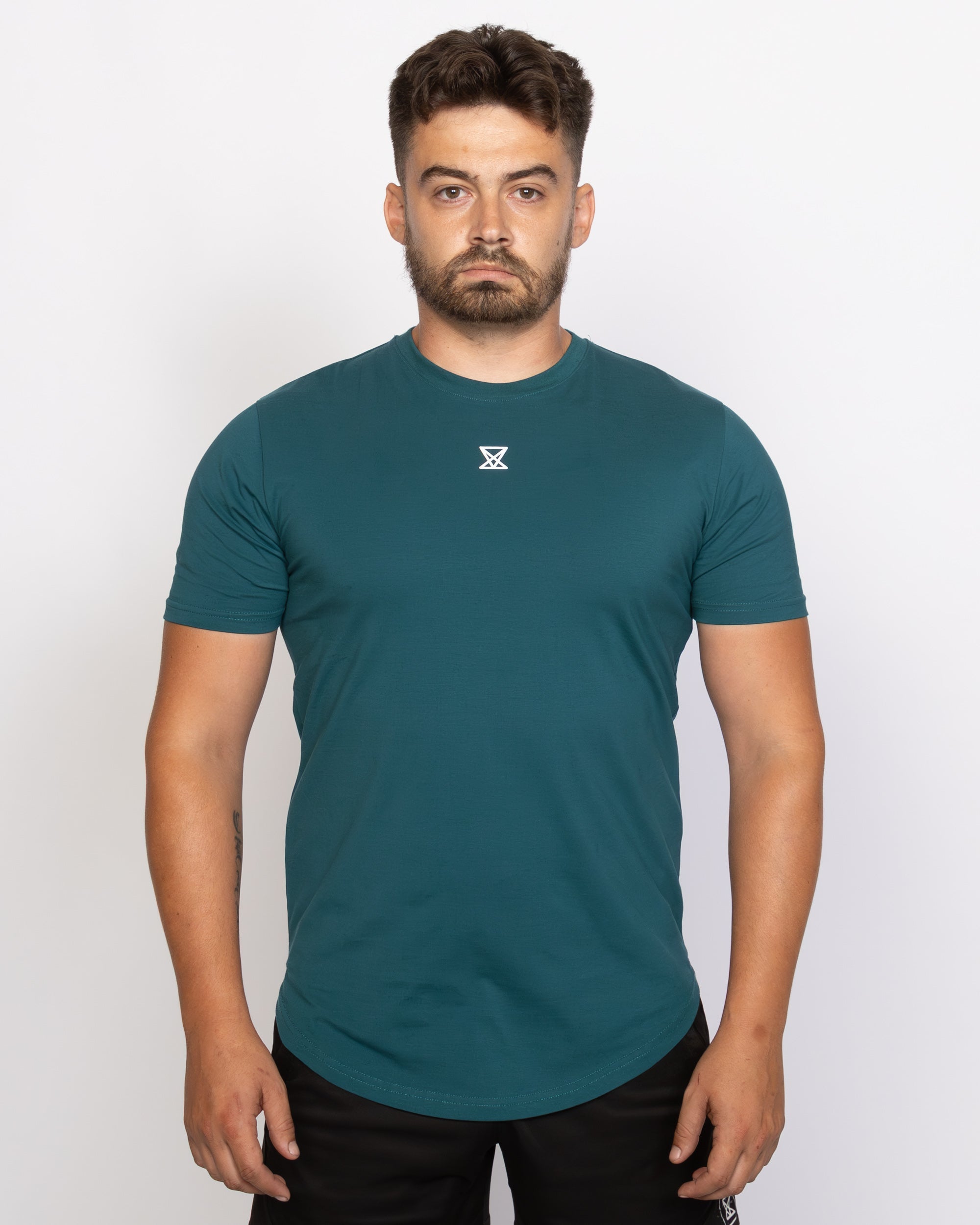
Credit: www.vxsgymwear.com
Non-obvious Insights For New Brands
- Fit is king. The best gym clothes lose customers if they fit poorly. Spend extra time and money on fit samples.
- Fabric testing saves money. Cheap fabric stretches out, pills, or shrinks. Always test before bulk orders.
- Local vs. overseas: Making gym clothes locally costs more, but you can visit the factory, fix mistakes faster, and order smaller batches.
- Branding is not just a logo. Unique packaging or a creative story can justify higher prices, even if your production cost is similar.
Frequently Asked Questions
How Much Does It Cost To Make A Basic Gym T-shirt?
A basic gym t-shirt made from standard polyester usually costs $4–$8 to make if you order in bulk (500+ pieces). This includes fabric, labor, basic packaging, and shipping, but not branding or marketing costs.
Why Do Some Gym Leggings Cost $10 To Make But Sell For $60 Or More?
Retail prices include not just production, but also marketing, branding, store markups, returns, and overhead costs. Plus, stores need profit and must cover unsold items. Direct-to-consumer brands sometimes charge less, but still need a healthy margin.
Can I Make Gym Clothes For Less If I Do It Myself?
DIY sewing can lower some costs, but you’ll spend more time and may struggle to find quality fabric at low prices. Small orders of fabric, trims, and packaging cost more per piece. Also, professional equipment and skills make a big difference in quality.
What’s The Cheapest Country To Manufacture Gym Clothes?
Countries like Bangladesh, Vietnam, and Indonesia offer the lowest labor costs, often $0.50–$2 per item. But quality, reliability, and shipping costs vary. It’s important to balance price with quality and communication.
Is Sustainable Gym Clothing Much More Expensive To Make?
Yes, recycled or eco-friendly fabrics cost more, often 30–100% higher than standard. Certifications and ethical labor also add to the price. However, many customers are willing to pay more for sustainable options.
For deeper research, you can check Business of Fashion.
Making gym clothes is more than just sewing fabric together. Each step—from design to shipping—adds cost and value. Knowing where your money goes helps you make better choices, whether you’re buying for yourself or building a new brand. With smart planning and attention to detail, you can create gym wear that balances price, quality, and style.
