

How Much Does It Cost to Make Gym Clothes: A Complete Breakdown
How Much Does It Cost To Make Gym Clothes
Creating gym clothes is more complex than many people think. When you see a pair of leggings or a gym shirt in a store, the price tag reflects much more than just fabric and sewing. The real cost to make gym clothes comes from a mix of materials, labor, design, shipping, marketing, and business expenses.
Whether you want to start your own fitness clothing line or are just curious about why activewear can be so expensive, understanding these costs can help you make smarter choices.
Let’s take a detailed look at every factor that adds to the cost of producing gym clothes. You will see how each choice—from fabric to branding—affects the final price and what beginners often miss when budgeting for sportswear production.
The Main Cost Components In Gym Clothes Production
Making gym clothes involves several steps, each with its own price tag. Here are the key areas you need to consider:
- Materials and Fabrics
- Design and Development
- Sampling and Prototyping
- Cut and Sew Labor
- Trims and Accessories
- Branding and Labels
- Quality Control and Testing
- Packaging
- Shipping and Logistics
- Business and Overhead Expenses
- Minimum Order Quantities (MOQs)
- Hidden and Unexpected Costs
Each of these points can change the total cost per item. Let’s explore them one by one.
Materials And Fabrics
The fabric is the foundation of any gym clothing piece. The type, quality, and source of fabric play a huge role in both performance and cost.
Common Fabrics Used
- Polyester: Lightweight, moisture-wicking, and affordable.
- Nylon: Durable, soft, and more expensive than polyester.
- Spandex (Lycra/Elastane): Offers stretch; usually blended with polyester or nylon.
- Cotton: Sometimes blended for comfort, but less common for high-performance gym wear.
Fabric Cost Breakdown
The price of fabric can range from $2 to $15 per yard (or even more for specialty fabrics). High-end performance fabrics with features like antibacterial finish or UV protection cost more. The amount of fabric needed depends on the size and style of the garment.
For example, a pair of basic leggings may require about 0. 8 to 1 yard of fabric. If you choose a premium nylon-spandex blend at $10 per yard, the material cost for one pair is about $8-10, before any waste.
Important Insights
- Minimum order quantities apply to fabric too. Suppliers may require you to buy 100-500 yards at a time.
- Stretch fabrics often have higher wastage (up to 20%) due to the way they’re cut.
Design And Development
Designing gym clothes is not just about drawing a sketch. It involves technical design, pattern making, and digital files for manufacturing.
- Technical sketches: Used to show the manufacturer exactly what to make. Hiring a designer can cost $100–$500 per style.
- Pattern making: This is the blueprint for your garment. Pattern makers may charge $100–$300 per pattern.
If you need help with fit or have a complicated design (like mesh panels or unique seams), the development cost will be higher.
Non-obvious insight: Many beginners skip investing in good patterns, which leads to poor fit and high rejection rates in production.
Sampling And Prototyping
Before making a full order, factories create samples. These are test garments based on your designs and patterns.
- Sample cost per piece: Usually $50–$200, depending on complexity.
- It’s common to need 2-4 rounds of samples to get the fit and details right.
Sampling is expensive because it’s done by the most skilled workers, and setup costs are high. Never skip this step—cutting corners here can lead to huge losses later.

Credit: drreemaarora.com
Cut And Sew Labor
This is the cost of actually sewing the gym clothes. Labor rates vary by country:
- China/Bangladesh/Vietnam: Lower labor costs, around $2–$6 per piece
- Turkey/Portugal: Mid-range, about $6–$12 per piece
- USA/UK/Europe: Higher, from $12–$25 per piece or more
Labor cost depends on the garment’s complexity. Simple tanks cost less. Leggings with multiple panels, pockets, or mesh inserts cost more.
Extra tip: Some factories offer “full package production” (FPP) where they handle everything from fabric sourcing to sewing, which can save time but may cost more.
Trims And Accessories
Trims are the small parts that finish a garment. For gym clothes, this could include:
- Zippers
- Drawcords
- Elastic waistbands
- Reflective strips
- Buttons or snaps
The cost for trims can be as low as $0.30 per piece for basics, up to $3 per piece for high-end accessories like waterproof zippers or branded hardware.
Insight: Many new brands forget to budget for trims, which can add up fast, especially for multi-piece items like zip-up jackets.
Branding And Labels
Your logo and other branding elements help your gym clothes stand out.
- Woven labels: $0.10–$0.50 each
- Heat transfer logos: $0.20–$0.70 each
- Hangtags: $0.15–$0.50 each
Adding custom branding increases the cost per item, but it’s essential for building a recognizable brand.
Hidden cost: If you want multiple locations for your logo (front, back, sleeve), you pay for each one.
Quality Control And Testing
Quality control (QC) ensures your gym clothes meet standards before they ship.
- In-house QC: Often included in factory price, but can be basic.
- Third-party QC: $200–$500 per inspection, good for large orders.
For advanced gym wear, you may need lab tests for colorfastness, stretch, or moisture wicking. Lab testing costs $100–$400 per test.
Beginner mistake: Skipping QC can lead to expensive returns and damage your brand’s reputation.

Credit: www.adidas.com
Packaging
Packaging is more than just a plastic bag. It protects your product and affects how customers see your brand.
- Polybag: $0.05–$0.15 per piece
- Branded boxes: $0.50–$2.00 per piece
- Swing tags, tissue paper, stickers: Extra $0.10–$0.30 each
Eco-friendly packaging costs more but is popular with today’s buyers.
Non-obvious insight: Packaging is often priced separately and can become expensive if you want custom designs or multiple layers of protection.
Shipping And Logistics
Getting your finished gym clothes from the factory to your warehouse or customers involves several steps:
- Freight shipping: By sea (cheaper, slower) or air (expensive, fast)
- Import duties: Varies by country, can be 10–30% of product value
- Domestic transport: From port to warehouse or fulfillment center
Average shipping costs for gym wear range from $0.50–$3.00 per piece for sea freight, but can be much higher for air shipping or small orders.
Tip: Always get quotes for shipping before placing your order, as rates can change quickly.
Business And Overhead Expenses
You need to factor in the cost to run your business:
- Office rent, utilities, and equipment
- Design software licenses
- Salaries for staff
- Marketing and website costs
These are “indirect” costs, but they add to the real cost per item. For a small brand, overhead might add $1–$5 per piece depending on your scale.
Insight: Many beginners only count direct production costs and are surprised when overheads eat into their profits.
Minimum Order Quantities (moqs)
Most factories and suppliers require a minimum order quantity. This can be a major cost factor.
- For gym clothes, MOQs often range from 100 to 500 pieces per style.
- If you want 3 colors and 5 sizes, you may need to order 1,500+ pieces.
Ordering less than the MOQ often increases the price per item by 30–100%.
Extra tip: Some newer factories offer “no MOQ,” but their prices are much higher to make up for small runs.
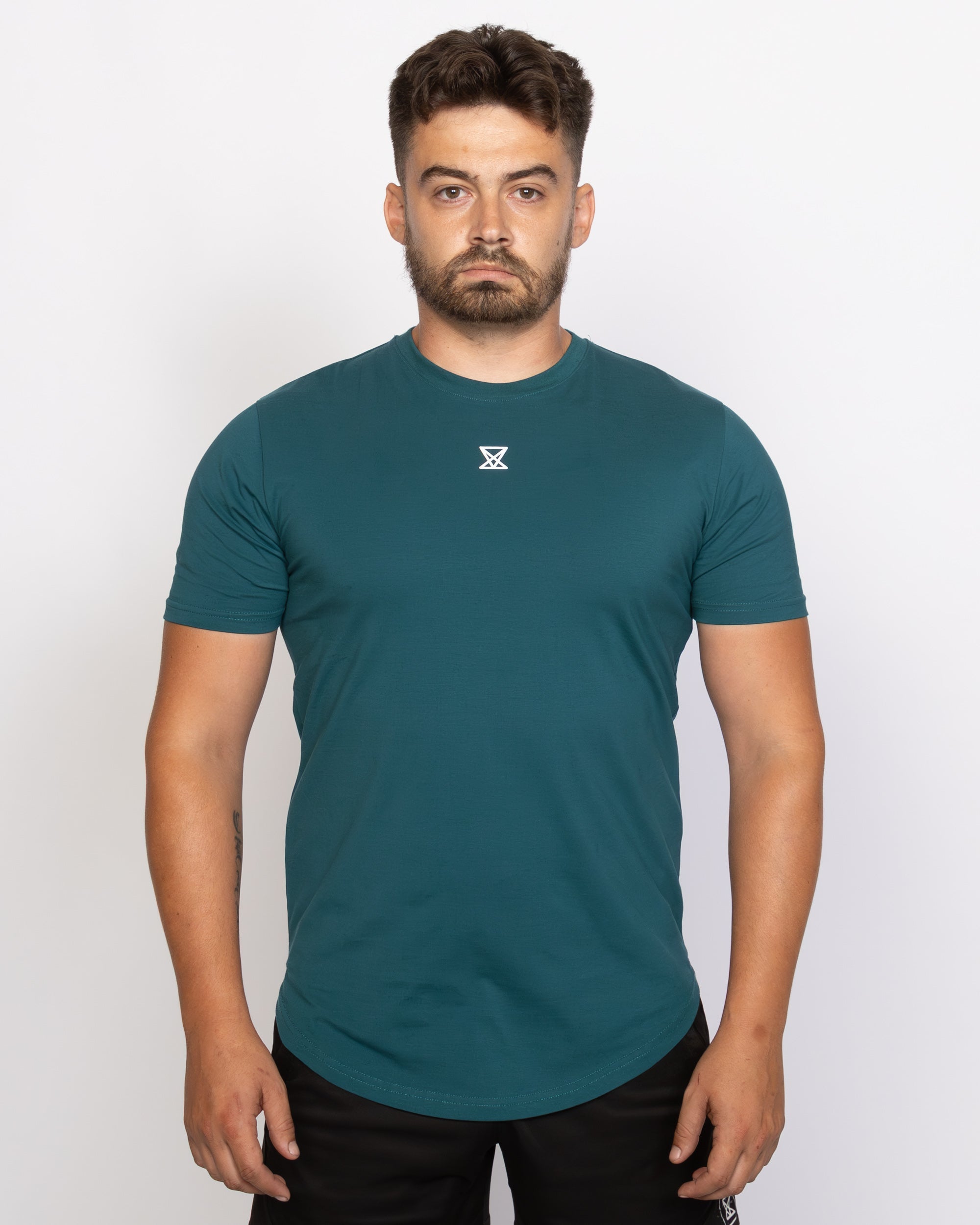
Credit: www.vxsgymwear.com
Hidden And Unexpected Costs
There are always extra costs that catch people off guard:
- Sample shipping fees: $30–$70 per package
- Import taxes and customs clearance
- Currency exchange fees
- Rework for manufacturing errors
- Storage fees if your goods sit in a warehouse
These can add 5–15% to your overall costs.
Real-world Cost Example: Breaking Down A Pair Of Gym Leggings
Let’s put all the above into a realistic example. Here’s how the cost might look for a mid-range pair of women’s gym leggings (per piece, at 500 pieces):
- Fabric: $7.50
- Trims: $0.50
- Labor: $5.00
- Branding: $0.50
- Packaging: $0.30
- Shipping (sea): $1.00
- Overhead allocation: $2.00
- Quality control: $0.40
- Miscellaneous: $0.30
Total per piece: $17.50
This is a simplified estimate. If you use premium fabrics, add custom features, or have high overhead, your cost could easily go above $25 per pair. For more basic products or very high volumes, the cost might drop to $10–$12.
How Country Of Production Impacts Cost
Where you make your gym clothes matters a lot. Here’s a comparison of typical costs for a basic gym shirt:
| Country | Material Cost | Labor Cost | Overhead/Other | Estimated Total |
|---|---|---|---|---|
| China | $3.00 | $2.50 | $1.00 | $6.50 |
| Vietnam | $3.50 | $2.00 | $1.20 | $6.70 |
| Turkey | $4.00 | $4.00 | $1.50 | $9.50 |
| USA | $4.50 | $8.00 | $2.50 | $15.00 |
| Portugal | $5.00 | $7.00 | $2.00 | $14.00 |
As you can see, producing in higher-wage countries raises the final cost. However, some brands pay more to market their products as “Made in USA” or “Made in Europe. ”
Comparing Costs For Different Types Of Gym Clothes
Not all gym clothes cost the same to make. Here is a comparison of different gym wear items:
| Product | Material Cost | Labor Cost | Average Total Cost |
|---|---|---|---|
| Basic Tank Top | $2.00 | $2.00 | $5–$7 |
| Performance T-Shirt | $3.00 | $3.00 | $7–$10 |
| Leggings | $7.00 | $5.00 | $13–$20 |
| Sports Bra | $4.00 | $3.50 | $9–$15 |
| Jacket (with zippers) | $10.00 | $8.00 | $22–$30 |
| Shorts | $3.00 | $2.50 | $7–$12 |
The more complex or premium the item, the higher the cost.
Factors That Raise The Cost Of Gym Clothes
If you want to make your gym clothes stand out, you may need to pay more. Here are some common features that raise costs:
- Performance fabrics: Sweat-wicking, quick-dry, or antibacterial finishes.
- Custom prints: Digital or sublimation prints cost more than plain colors.
- Special trims: Reflective details, mesh panels, or laser-cut edges.
- Sustainable materials: Organic cotton, recycled polyester, or eco-friendly dyes.
- Advanced construction: Flatlock seams, bonded edges, or gussets for extra comfort.
Each feature could add anywhere from $1 to $5 per item.
Real-world tip: Start simple. Add complex features only after you understand your market and budget.
How Brands Set Retail Prices
You might wonder why a $15 legging costs $60 in a store. Brands use a “markup” to cover all their costs and make a profit.
- Wholesale price: Usually 2–2.5 times the cost to make
- Retail price: Usually 2–2.5 times the wholesale price
So, if your leggings cost $15 to make:
- Wholesale: $30–$38
- Retail: $60–$95
This covers marketing, staff, rent, taxes, and allows for sales or returns.
Important insight: High markups do not mean high profits. Return rates, unsold inventory, and heavy marketing costs can eat into margins.
Mistakes Beginners Make When Calculating Costs
- Ignoring sampling and development: These upfront costs can be big, especially for small runs.
- Forgetting about shipping and customs: These can sometimes double your expected costs.
- Not planning for quality control: Skipping QC can destroy your brand with poor products.
- Underestimating MOQs: Small orders often mean higher per-item costs.
- Ignoring overheads: Office, marketing, and software all add up.
- Assuming prices won’t change: Fabric and shipping costs can rise suddenly.
- Not budgeting for returns or defects: Always allow for some loss in your calculations.
Tips To Reduce The Cost Of Making Gym Clothes
- Order larger quantities: Lower cost per piece by meeting higher MOQs.
- Simplify designs: Fewer trims and features save on labor and materials.
- Source locally when possible: Lower shipping and import costs.
- Build strong supplier relationships: Good partners may offer better prices or payment terms.
- Start with fewer styles: Focus on a core collection to reduce complexity and cost.
Sustainability And Its Impact On Cost
Many modern brands want eco-friendly gym wear, but this affects costs.
- Organic or recycled materials are often 20–50% more expensive.
- Certifications like GOTS or OEKO-TEX add extra fees.
- Eco-friendly packaging is pricier than plastic.
However, some customers are willing to pay more for sustainable products. It can also help you stand out in a crowded market.
For more details about sustainable textile certifications and standards, you can visit the Global Organic Textile Standard page.
When Does It Make Sense To Manufacture Your Own Gym Clothes?
Making your own gym clothes is a big investment. It makes sense if:
- You have a strong brand or a unique design idea.
- You can afford the upfront costs (development, samples, MOQs).
- You understand your target market and have a plan for selling.
If you’re just starting, consider private labeling or small-batch production before going full scale.
Frequently Asked Questions
How Much Does It Cost To Make A Single Gym T-shirt?
The cost depends on fabric, design, and where it’s made. For a basic polyester t-shirt from Asia, the cost can be $5–$8 per piece at mid-level volumes. In the USA or Europe, costs can be $12–$18 per piece or more.
What Is The Biggest Cost Factor For Gym Clothes?
Fabric and labor are usually the two largest costs. Special features, branding, and small order sizes can also raise the price.
Can I Make Gym Clothes With No Minimum Order?
Some factories offer “no MOQ,” but the price per piece is much higher—often 2–3 times more. This is good for testing but not for scaling.
Are Sustainable Gym Clothes Much More Expensive To Make?
Yes, using organic or recycled materials and eco-friendly packaging usually adds 20–50% to the cost. However, you may be able to charge higher retail prices if your market values sustainability.
How Long Does It Take To Produce Gym Clothes?
From design to delivery, it can take 2–6 months. Sampling and revisions take the most time. Larger orders or complex designs may take longer.
Making gym clothes is a detailed process with many cost factors. If you understand each step and plan carefully, you can create high-quality, profitable gym wear that stands out in the market. Whether you are launching your own label or just want to know where your money goes, knowing these details gives you a clear advantage.
