

How Much Does Gear Cost Gym: A Complete Pricing Guide
How Much Does Gym Gear Cost? A Complete Guide
For anyone starting a gym or building a home fitness space, one big question often comes up: How much does gym gear cost? Whether you dream of opening a commercial gym or just want a smart home workout setup, understanding the real costs is essential. Getting the right equipment means more than just buying dumbbells. You need to know what gear is necessary, what’s optional, and what will actually help you reach your goals.
This guide breaks down every major type of gym gear, the typical price ranges, and the factors that influence cost. You’ll see real examples and practical tips for smart spending, so you don’t waste money on gear you’ll never use.
What Influences Gym Gear Prices?
Before looking at specific equipment, it helps to know why prices can be so different. Here are the main factors:
- Brand Reputation: Well-known brands often cost more, but offer higher quality and better warranties.
- Materials and Build: Heavy-duty steel frames, better padding, and high-tech features all raise the price.
- Commercial vs Home Use: Commercial gear is made to last longer and handle more use, so it’s pricier.
- Features: Adjustable, digital, or multifunctional gear usually costs more.
- Size and Weight: Larger and heavier machines need more material and often have higher shipping costs.
Thinking about these points helps you understand why some equipment is cheap and some is a big investment. For example, a treadmill from a famous commercial brand might cost double the price of a basic home treadmill, but it could last ten years with heavy use.
On the other hand, budget models might need repairs or replacements sooner, which adds to long-term costs. Also, some high-end brands include better customer service and longer warranties, saving stress if something breaks.
Essential Gym Gear And Their Costs
Let’s break down the main types of gym equipment, from basic to advanced, and what you should expect to pay.
Free Weights
Free weights are the foundation of most gyms. They include dumbbells, barbells, kettlebells, and weight plates.
Dumbbells
Dumbbells come in several styles:
- Fixed Dumbbells: These are single-weight units, often with rubber or metal coating.
- Price range: $15–$80 per pair for light weights (2–10 kg); $100–$250+ per pair for heavy weights (20–40 kg).
- Gyms often buy sets from 2 kg to 40 kg, which can add up to $2,000–$4,000 for a full rack.
- Adjustable Dumbbells: One set replaces many, using a dial or pin to change weight.
- Price range: $200–$500 per pair (typically 2–24 kg or 5–52 lbs per dumbbell).
- These are popular in home gyms because they take less space and allow quick weight changes.
Key insight: Adjustable dumbbells save space and money for home gyms, but fixed dumbbells are more durable for heavy, repeated use. Many commercial gyms avoid adjustable models because they wear out faster with constant use.
Barbells And Weight Plates
Barbells and plates allow for big lifts like squats and bench press.
- Standard Barbell (7ft/20kg): $100–$350 depending on quality.
- Olympic Barbell: $150–$600 for higher-end brands.
- Weight Plates: $2–$5 per kg for basic iron; $5–$10 per kg for bumper plates (rubber-coated).
Buying a basic barbell set (bar + 100 kg plates) can cost $300–$800.
A full set for a commercial gym, with multiple barbells and 400–500 kg of plates, can cost $3,000 or more. Bumper plates are ideal if you plan to drop weights (like in CrossFit), but they’re pricier. Cheaper iron plates work well for most strength training but can damage floors if dropped.
Kettlebells
Kettlebells are popular for strength and cardio.
- Price range: $20–$60 each for lighter weights (4–16 kg); $70–$150+ for heavier (20–32 kg).
- Competition-grade kettlebells cost more due to better balance and uniform size.
A basic home gym may only need 2–3 kettlebell sizes, while commercial gyms often buy a full set (4–32 kg), which can cost over $1,000 for quality brands. Be sure to check the handle size and finish; cheap kettlebells can have rough handles that hurt your hands.
Resistance Machines
Resistance machines are often seen in commercial gyms. They guide movement and are safer for beginners.
- Single-function machines (leg press, chest press): $800–$3,000 each.
- Multi-gym machines (all-in-one): $1,000–$3,500 for home versions; $4,000+ for commercial models.
Tip: For home gyms, multi-gyms save space and usually cover most muscle groups. However, their weight stacks are often lighter and may not match serious strength training needs.
Machines with selectorized weight stacks are easier for beginners, but plate-loaded machines (where you add your own weight plates) are often more affordable and just as effective for experienced lifters.
Cardio Equipment
Cardio machines are a big investment but are popular for weight loss and endurance.
| Equipment | Home Use Price | Commercial Price | Key Features |
|---|---|---|---|
| Treadmill | $500–$2,000 | $2,500–$8,000 | Speed, incline, heart rate, display |
| Elliptical | $400–$1,500 | $2,000–$5,000 | Low impact, resistance, programs |
| Stationary Bike | $300–$1,200 | $1,800–$4,000 | Magnetic resistance, display, adjustability |
| Rowing Machine | $400–$1,500 | $1,800–$4,500 | Water/air/magnetic resistance |
| Stair Climber | $700–$2,500 | $3,000–$8,000 | Step height, speed, programs |
Key insight: Home versions usually have lighter frames and fewer features. Commercial machines are built to last for years of daily use. Also, the warranty for commercial gear is often much longer.
If you plan to use cardio machines heavily, investing a bit more in a strong frame and good shock absorption can prevent breakdowns and injuries. For home gyms, folding treadmills or bikes with wheels are easier to move and store.
Benches And Racks
No gym is complete without benches and racks for safety and variety.
- Flat Bench: $80–$250 for home use; $300–$700 for commercial.
- Adjustable Bench: $150–$400 for home; $500+ for commercial.
- Power Rack/Squat Rack: $300–$1,000 for home; $1,200–$3,000 for commercial.
- Smith Machine: $900–$2,500 for home; $3,000+ for commercial.
Having a sturdy rack is essential for heavy barbell lifts. Look for racks with thick steel (11-gauge or better) and solid welds. Adjustable benches let you do more exercises (flat, incline, decline).
Non-obvious insight: Some budget racks don’t include safety bars or spotter arms. These are important for solo lifters. Always check what’s included before you buy.
Functional Training Gear
This category covers gear for flexibility, balance, and high-intensity workouts.
Medicine Balls
- Price: $20–$70 each, depending on weight and brand.
- Slam balls (for throwing) are usually more durable but cost a bit extra.
Battle Ropes
- Price: $50–$150 for a standard 10–15 meter rope.
- Thicker ropes (2 inches) are harder to grip and more challenging.
Plyo Boxes
- Price: $50–$200 each, depending on size and build.
- Wooden boxes last longer, but foam boxes are safer for beginners.
Trx / Suspension Trainers
- Price: $100–$250 for a good set.
- Look for strong anchor points and quality straps.
Resistance Bands
- Price: $10–$50 per set, depending on resistance level.
- Full sets let you do more exercises.
Tip: Bands and suspension trainers are great for small spaces and travel. You can use them in a park or hotel room.
Flooring And Mats
Flooring is often forgotten, but it protects your space and equipment.
- Rubber gym mats: $30–$70 per square meter.
- Foam tiles: $15–$40 per square meter (softer, but less durable).
- Heavy-duty platforms (for lifting): $300–$1,000.
Key insight: Good flooring prevents injuries and extends the life of your gear. For heavy lifting, thick rubber (at least 10 mm) is best. In cardio areas, softer foam or carpet tiles can reduce noise.
If you’re renting your space, using interlocking tiles makes it easier to remove or change the floor later.
Accessories
Small gear can add up, but they are important for a complete gym.
- Jump rope: $10–$40.
- Pull-up bar: $30–$100.
- Foam roller: $20–$60.
- Weightlifting belt: $30–$120.
- Chalk, gloves, straps: $5–$50 each.
Accessories often get overlooked in the budget, but they make workouts safer and more comfortable. For example, a foam roller helps recovery, and lifting straps let you lift heavier without grip fatigue.
Mirrors And Storage
- Gym mirrors: $100–$300 per large panel.
- Dumbbell racks: $80–$400.
- Plate trees: $60–$200.
Good storage keeps your gym safe and organized. Storing weights properly prevents trips and falls, and mirrors help with exercise form.
Commercial Gym Vs Home Gym: Cost Breakdown
The costs change a lot depending on your goal. Here’s a comparison of a basic home gym and a small commercial gym:
| Equipment | Home Gym (Estimate) | Commercial Gym (Estimate) |
|---|---|---|
| Free Weights | $800–$1,500 | $4,000–$10,000 |
| Benches & Racks | $500–$1,200 | $3,000–$7,000 |
| Cardio Equipment | $1,000–$3,000 | $8,000–$25,000 |
| Machines | $1,000–$3,500 | $15,000–$40,000 |
| Functional Gear | $200–$800 | $2,000–$5,000 |
| Flooring | $300–$1,000 | $2,000–$8,000 |
| Accessories & Storage | $200–$700 | $2,000–$6,000 |
| Total Estimate | $4,000–$11,700 | $36,000–$101,000 |
These are typical starting costs. Actual amounts depend on the brand, location, and how complete you want your gym to be. Remember, commercial gyms often buy extra pieces to reduce downtime if something breaks.
Hidden Costs Many People Miss
When planning your gym, there are extra costs you might not expect. These can be just as important as the main gear.
- Delivery and Installation: Heavy items like treadmills or racks often have high shipping fees. Some companies charge for assembly.
- Warranty and Maintenance: Commercial gyms need regular servicing and may pay extra for longer warranties.
- Upgrades and Repairs: Over time, parts may break or need replacing. Budget for this from the start.
- Air Conditioning and Ventilation: Especially for commercial gyms, keeping the air cool and fresh is important, but it adds to the cost.
- Licenses and Insurance: Commercial gyms need business licenses and insurance, which are extra expenses.
- Cleaning Supplies: With hygiene more important than ever, you’ll need wipes, sprays, and cleaning staff.
Insider tip: Many beginners forget about maintenance and repairs. Budgeting just 5–10% of your gear cost each year helps avoid big surprises. Also, if you buy used equipment, try to get service records or test the gear before buying, as repairs can be costly.

Credit: www.gymstarters.com
How To Save Money On Gym Equipment
Getting fit doesn’t have to destroy your budget. Here are some smart ways to reduce costs:
- Buy Used Equipment: Many people sell nearly-new gear at a big discount when they upgrade or move.
- Look for Package Deals: Some suppliers offer discounts if you buy multiple items together.
- Choose Essential Gear First: Start with the basics (dumbbells, bench, mat) before adding expensive machines.
- Skip the Fancy Features: Simple, manual machines are often more reliable and cheaper to fix.
- DIY Solutions: For storage or even simple plyo boxes, building your own can save a lot.
Practical example: A used set of dumbbells and a sturdy bench can cost less than one new treadmill, but gives more exercise options. Also, some gyms or schools sell their old gear at auction, which can be a great source for commercial-quality gear at home-gym prices.
What To Consider When Choosing Gym Gear
It’s easy to get excited and buy too much. Here’s how to decide what’s really worth your money:
- Space Available: Measure your space before buying. Some machines need extra room for safe use.
- Your Fitness Goals: Buy gear that matches your goals. For example, runners need a treadmill; weightlifters need racks and barbells.
- User Experience: For commercial gyms, look for gear that is simple to adjust and comfortable for all sizes.
- Maintenance Needs: Choose machines and gear that are easy to clean and repair.
- Warranty and Support: Check how long the warranty lasts and if there’s local repair service.
Non-obvious insight: Some commercial gym owners buy extra gear for busy times, but for a home gym, it’s better to pick multi-use equipment. For example, a power rack lets you squat, bench, and do pull-ups, saving space and money.
Example Budgets For Different Gym Types
To give you a clearer picture, here are three example setups:
Basic Home Gym
- Adjustable Dumbbells: $300
- Bench (adjustable): $200
- Pull-up Bar: $50
- Resistance Bands: $30
- Yoga Mat: $30
- Jump Rope: $20
Total: $630
This setup fits in a small room and covers all major muscle groups. Even with a low budget, you can do hundreds of exercises.
Mid-range Home Gym
- Barbell + 100kg Plates: $400
- Power Rack: $500
- Adjustable Bench: $200
- Dumbbells (5–25 kg set): $500
- Treadmill: $1,200
- Rubber Mats: $300
- Storage Rack: $100
Total: $3,200
You can do strength, cardio, and functional workouts. This is enough for two people to train at the same time.
Entry-level Commercial Gym
- Dumbbells (full set, 2–40 kg): $2,500
- Barbells + Plates (multiple sets): $3,000
- Benches (flat and adjustable): $2,000
- Power Racks (x3): $4,000
- Multi-Gym Machine: $5,000
- Treadmills (x3): $9,000
- Ellipticals (x2): $6,000
- Rowing Machines (x2): $3,000
- Accessory Gear: $2,000
- Flooring: $5,000
- Mirrors and Storage: $3,000
Total: $44,500
This is enough for a small gym with 100–200 members. Always remember to budget for cleaning, insurance, and maintenance in addition to the gear.
Should You Buy New Or Used Gym Equipment?
This is a big decision for many buyers.
New Equipment
- Pros: Latest features, full warranty, known history, custom choices.
- Cons: Higher price, longer delivery times.
Used Equipment
- Pros: Lower cost (sometimes half the price), quick availability, can buy higher-end brands for less.
- Cons: Shorter or no warranty, possible wear and tear, limited choice.
Non-obvious insight: Many commercial gyms refresh their equipment every few years, so lightly used commercial-grade gear can be a great deal for home or small gym buyers. Check for rust, frame cracks, and make sure digital screens work before you buy.

Credit: wholesale.rdxsports.com
Most Common Buyer Mistakes
Avoid these to save money and frustration:
- Ignoring Space Limits: Buying too much or too big for your space.
- Choosing Looks Over Function: Shiny machines aren’t always better or necessary.
- Not Checking Weight Limits: Some benches or racks can’t handle heavy loads.
- Skipping Reviews and Research: Always check what other users say about quality and durability.
- Forgetting Ongoing Costs: Cleaning, maintenance, and repairs add up over time.
Another common error: not trying gear in person. If you can, test the equipment for noise, stability, and comfort before you buy, especially for cardio machines and benches.
How To Spot Quality Gym Gear
With so many brands and models, what makes equipment truly high-quality?
- Welds and Joints: Solid, clean welds mean strength.
- Finish: Powder-coated or chrome finishes last longer.
- Padding: Thick, firm padding on benches and machines resists wear.
- Adjustment Mechanisms: Should be smooth and easy to use.
- Warranty: Longer warranties often mean better build quality.
A quick check in the store: shake a machine or bench gently. If it wobbles, it may not last. Also, look for clearly labeled weight stacks and simple adjustments, which make workouts smoother and safer.
Where To Buy Gym Equipment
There are several places to shop, each with pros and cons:
- Specialty Fitness Stores: Good for advice and trying gear in person.
- Online Retailers: Often better prices and more choice, but check shipping costs.
- Classifieds and Marketplaces: Great for used deals, but inspect before buying.
- Direct from Manufacturer: Sometimes cheaper, especially for bulk orders.
For a list of reputable suppliers and more detailed advice, you can check this Shape.com guide.
Practical Tips For Setting Up Your Gym
- Measure Twice, Buy Once: Sketch your room and plan gear placement before buying.
- Prioritize Safety: Make sure there’s enough space to move around equipment.
- Leave Room for Growth: Start with essentials and add more as your needs change.
- Get Input from Others: If you share your gym, ask what equipment others will use most.
- Plan for Cleaning: Choose surfaces and mats that are easy to wipe down.
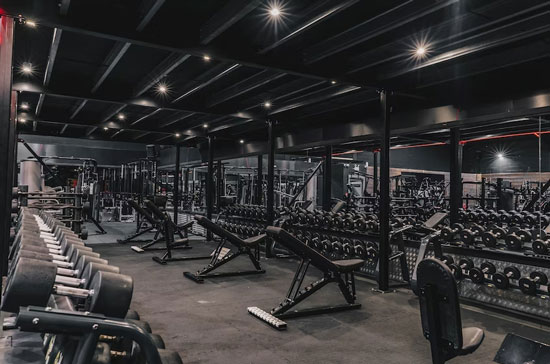
Also, check your floor strength if you live in an apartment or upstairs room. Heavy racks and weights can damage weak floors or cause noise for neighbors.
Credit: www.leadmanfitness.com
Frequently Asked Questions
How Much Does It Cost To Fully Equip A Commercial Gym?
A basic commercial gym setup usually costs between $40,000 and $100,000, depending on the size, number of machines, and quality of gear. High-end gyms with many stations and premium equipment may spend much more.
Is It Cheaper To Build A Home Gym Or Join A Gym?
Building a home gym is more expensive upfront (often $1,000–$5,000 for a good setup), but over time, it can save money compared to monthly gym fees. Plus, you save on travel and can work out anytime.
What’s The Most Cost-effective Gym Equipment For Beginners?
For most beginners, adjustable dumbbells, a bench, resistance bands, and a mat provide the best value. They are versatile, affordable, and cover a wide range of exercises.
Should I Buy Commercial-grade Equipment For My Home Gym?
Commercial-grade gear is more durable, but also heavier and more expensive. If you lift heavy often or want equipment that lasts decades, it can be a good investment. For most home users, high-quality home gear is enough.
Can I Finance Gym Equipment Purchases?
Yes, many suppliers offer financing options or payment plans, especially for large orders or commercial setups. Always check the total interest and read the terms before agreeing.
Setting up a gym is a big investment, but with careful planning, you can create a space that fits your goals and budget. Whether you’re training at home or building a business, knowing what gear to buy—and what it really costs—gives you a clear path to a fitter future.
