

How Much Do Gym Clothes Cost? Your Ultimate Pricing Guide
How Much Do Gym Clothes Cost
Choosing the right gym clothes is not just about style—it's about comfort, performance, and budget. Whether you’re new to working out or a seasoned athlete, the cost of gym apparel can be confusing. Prices range widely, and the reasons are not always obvious.
Some people wonder if they need expensive activewear, while others try to save by buying the cheapest options. Understanding what affects the cost of gym clothes can help you make smart decisions, save money, and still feel confident during every workout.
This guide explains what you’ll really pay for gym clothes, why prices differ, and how you can get the best value for your money. You’ll learn what to expect for every essential item—like shirts, shorts, sports bras, leggings, shoes, and more.
We’ll also explore hidden costs, what to look for in quality materials, and tips for finding good deals. By the end, you’ll know exactly what impacts gym clothes pricing, and how to shop wisely for your fitness wardrobe.
What Affects The Cost Of Gym Clothes?
Before looking at prices, it’s important to know why gym clothes can be so cheap or expensive. Several key factors make a big difference.
Brand Reputation: Well-known sports brands often charge more because people trust them. You’re paying for their image, marketing, and sometimes better quality control.
Material Quality: Clothes made from high-tech fabrics—like moisture-wicking polyester, bamboo, or merino wool—usually cost more. These materials keep you dry, comfortable, and sometimes odor-free.
Features and Technology: Some gym clothes include extras like anti-odor technology, seamless construction, or UV protection. These features push prices higher.
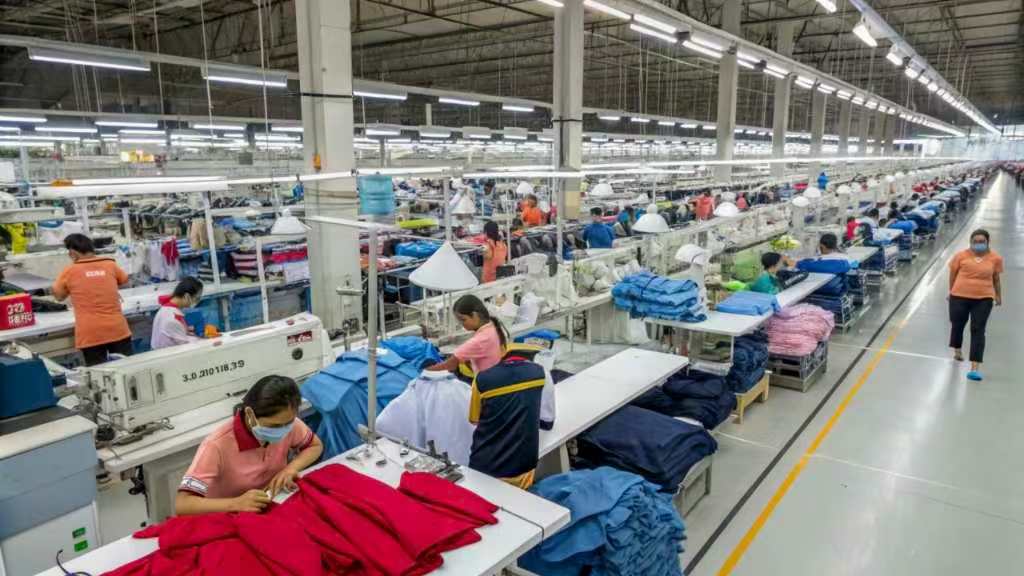
Production Location: Clothes made in countries with higher labor costs or stricter standards usually cost more.
Design and Style: Unique designs, limited editions, or collaborations with famous athletes or designers can be more expensive.
Retailer Markup: Buying from specialty sports stores or boutique shops often means higher prices than big-box retailers or online outlets.
Sustainability: Eco-friendly brands using recycled materials or ethical factories usually charge more for their commitment to the environment.
Understanding these points helps you see why two similar-looking shirts can have very different prices.
Average Price Range For Common Gym Clothes
To help you plan your gym wardrobe, here’s what you can expect to pay for the most popular pieces of gym clothing. Prices below reflect a wide range, from budget options to premium brands.
Gym T-shirts And Tops
Basic cotton or polyester gym t-shirts usually cost between $10 and $25 at big retailers or online stores. Well-known brands like Nike or Adidas can charge $25 to $40 for a standard shirt. High-performance or designer shirts may go up to $50 or more.
Tank tops and sleeveless shirts often cost a little less than short-sleeved tops, averaging $10 to $30, depending on the brand and fabric.
Long-sleeve shirts and technical tops made for running or cold weather can range from $20 to $60, especially if they include features like thumb holes or reflective strips.
Non-obvious insight: Sometimes, “basic” shirts from sports brands use the same fabric as their premium lines, but without the logos or special prints. This is a good way to save money if you’re not focused on style.
Sports Bras
For women, sports bras are essential. Budget sports bras cost around $15 to $25, but these often have less support. Mid-range options from brands like Reebok or Under Armour are usually $25 to $50. High-impact sports bras with advanced features (like molded cups or adjustable straps) can cost $50 to $70 or more.
Extra tip: Support level impacts price. Low-impact bras for yoga are cheaper than high-impact models made for running or HIIT.
Shorts
Gym shorts for men and women come in many styles. Basic cotton or polyester shorts start at $10 to $20. Mid-range shorts from activewear brands cost $25 to $40. Shorts with liners, moisture-wicking fabrics, or special pockets may be $40 to $60.
Compression shorts or advanced running shorts can go up to $60 or higher.
Beginner’s mistake: Some people buy very cheap shorts without checking the inner lining or pocket quality. This can lead to discomfort or losing items during workouts.
Leggings And Tights
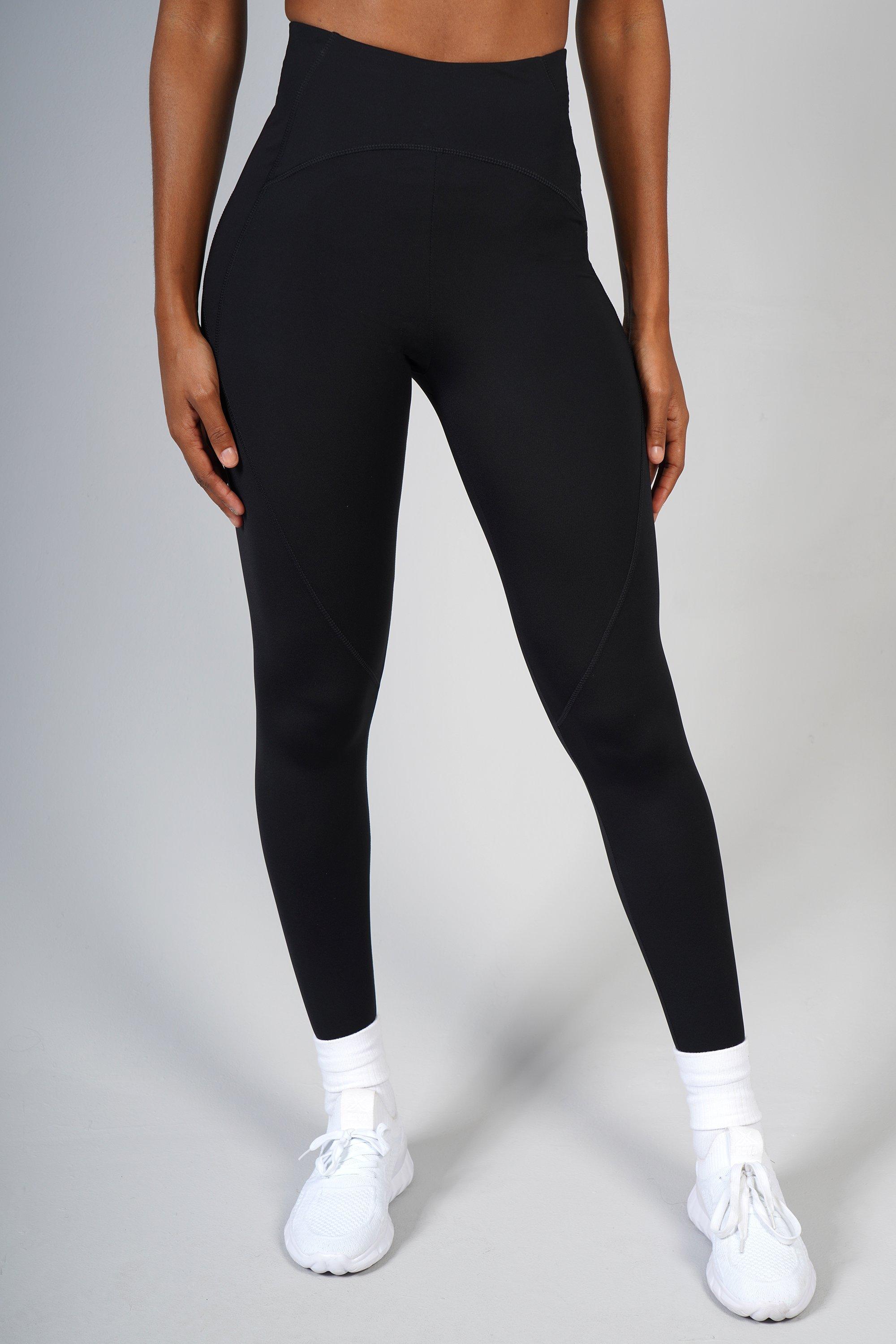
Leggings are very popular, especially for women. Low-cost leggings can be found for $15 to $30, but these may be see-through or lose shape quickly. Mid-range leggings from brands like Gymshark, Lululemon, or Adidas are $40 to $80. Premium or specialty leggings with high-compression, seamless designs, or special prints can reach $100 or more.
Men’s tights are often in the $25 to $60 range, with higher prices for brands or cold-weather models.
Non-obvious insight: Cheaper leggings often lack a gusset (an extra piece of fabric in the crotch), which can cause tearing or discomfort during exercises like squats.
Gym Shoes
Training shoes have the widest price range. Basic sneakers suitable for the gym start at $30 to $50. Well-known brands (Nike, Adidas, Reebok) typically offer gym shoes in the $60 to $120 range. Top performance shoes, such as CrossFit or weightlifting-specific models, can cost $120 to $200 or more.
Running shoes often cost more than basic trainers, especially those with advanced cushioning or technology.
Money-saving tip: Last season’s shoe models often have big discounts but similar performance.
Socks
Even socks make a difference. Basic cotton athletic socks cost $5 to $10 per pair. Performance socks with features like arch support, moisture-wicking, or blister protection are usually $12 to $20 per pair.
Multipacks save money, bringing the cost per pair down to $3 to $7 for simple gym socks.
Hoodies, Jackets, And Outerwear
Hoodies and light jackets for the gym vary a lot in price. Simple cotton hoodies are $20 to $40. Branded or technical hoodies (with sweat-wicking or quick-dry fabrics) cost $50 to $100. High-end designer or performance jackets can be $100 to $200.
Windbreakers and rain jackets made for running or outdoor training are usually $60 to $150.
Gym Bags
A basic gym bag starts at $15 to $25. Mid-range bags with shoe compartments or waterproof liners cost $30 to $60. Premium duffel bags or stylish backpacks from top brands can reach $100 or more.
Accessories (gloves, Headbands, Etc.)
Workout gloves are usually $10 to $25. Sweatbands or headbands are $5 to $20. Arm sleeves, lifting straps, or knee sleeves can range from $15 to $40, depending on materials and brand.
Price Comparison: Budget Vs. Premium Gym Clothes
It’s helpful to see how much prices can differ for the same type of item. Here’s a quick comparison:
| Item | Budget Price | Mid-Range Price | Premium Price |
|---|---|---|---|
| T-shirt | $10 | $25 | $50 |
| Sports Bra | $15 | $35 | $70 |
| Shorts | $10 | $30 | $60 |
| Leggings | $15 | $60 | $100 |
| Shoes | $30 | $80 | $150 |
This table shows why it’s important to shop based on your real needs and budget. Sometimes, mid-range offers the best mix of price and quality.
Credit: modaknits.com
Should You Buy Expensive Gym Clothes?
Many people wonder if it’s necessary to buy high-priced gym clothes. Here are some things to consider:
- Durability: Premium gym clothes often last longer. They keep their shape, color, and performance after many washes.
- Comfort and Fit: Expensive items usually have better fit, softer fabrics, or flat seams that reduce chafing.
- Performance Features: Sweat-wicking, compression, and anti-odor are common in more costly items.
- Confidence: Some people feel more motivated in stylish or branded clothes.
However, you don’t need top brands to start working out. For beginners, mid-range or even some budget clothes work fine. As you get more serious, you may choose to invest in higher-quality pieces for comfort and confidence.
Non-obvious insight: Sometimes, you only need one or two premium items—like shoes or a sports bra—while the rest of your outfit can be budget-friendly.
Hidden Costs When Buying Gym Clothes
People often forget about extra costs when buying gym clothes. Here’s what to watch out for:
- Shipping Fees: Many online stores add shipping charges, especially for low-cost items.
- Return Costs: Some brands charge for returns if the size or fit isn’t right.
- Special Care: High-tech fabrics may need special washing (like cold water or air drying), which adds time or cost.
- Replacement Rate: Cheap clothes may wear out quickly, so you buy more often.
Tip: Always check the return policy and washing instructions before buying.
How To Build A Gym Wardrobe On Any Budget
You don’t need to spend a lot to look and feel good at the gym. Here’s how to build your gym wardrobe smartly:
- Start with Essentials: Buy the basics first—1–2 shirts, 1–2 bottoms, 1 pair of shoes, and underwear.
- Choose Versatile Colors: Neutral colors (black, gray, navy) match everything and hide sweat stains.
- Look for Multi-Packs: Buying shirts, socks, or underwear in multipacks saves money.
- Upgrade Key Items: Spend more on shoes and sports bras, where fit and support matter most.
- Shop Outlets or Last Season: Discount stores and previous-season styles often have big savings.
- Buy Quality Over Quantity: One well-made shirt can last longer than three cheap ones.
- Wait for Sales: Many brands have big sales during holidays or season changes.
Beginner’s mistake: People often buy too many clothes at first. Start simple, then add pieces as you discover what you like.
Comparing Popular Gym Clothing Brands And Price Points
Some brands are famous for their gym clothes. Here’s how a few popular names compare:
| Brand | Type | Average Price (Shirt) | Average Price (Leggings) | Special Features |
|---|---|---|---|---|
| Nike | Global Sports Brand | $25–$45 | $40–$90 | Dri-FIT, Wide Range |
| Adidas | Global Sports Brand | $20–$40 | $35–$85 | Climalite, Eco Line |
| Lululemon | Premium Activewear | $40–$60 | $80–$120 | Buttery Soft, Technical |
| Gymshark | Trendy/Online | $20–$35 | $40–$70 | Fashionable, Fitted |
| Old Navy | Value Brand | $10–$20 | $15–$35 | Affordable Basics |
This comparison shows that brand choice can shift your total wardrobe cost up or down quickly.
Is There A Difference Between Men’s And Women’s Gym Clothes Prices?
Many people think women’s gym clothes are always more expensive, but this is only partly true. Here’s what to know:
- Sports bras and leggings often cost more for women, because of design and support features.
- Men’s gym shorts and shirts are usually priced similarly to women’s, except for special features.
- High-fashion or limited-edition styles (popular among women’s brands) can be more costly.
- Accessories like socks, hats, or gloves are usually similar in price for men and women.
Non-obvious insight: Some brands charge more for “women’s” versions of the same item, even when the materials are almost identical. Always check both sections if you’re looking for a basic piece.
How Much Does A Complete Gym Outfit Cost?
Let’s add up a typical gym outfit, from head to toe, using average prices:
Budget Outfit:
- Shirt: $10
- Shorts/Leggings: $15
- Sports Bra (if needed): $15
- Socks: $5
- Shoes: $40
Total: $85
Mid-Range Outfit:
- Shirt: $25
- Shorts/Leggings: $35
- Sports Bra: $35
- Socks: $10
- Shoes: $80
Total: $185
Premium Outfit:
- Shirt: $50
- Shorts/Leggings: $70
- Sports Bra: $70
- Socks: $20
- Shoes: $150
Total: $360
This does not include optional items like hoodies, gym bags, or accessories, which would add more cost.
Extra tip: Buying a few high-quality pieces and mixing with budget basics is a smart way to balance spending.

Credit: www.reddit.com
How Often Should You Replace Gym Clothes?
Gym clothes wear out faster than regular clothes, especially if you sweat a lot or wash them often. Here’s a guide:
- Shirts and Shorts: Replace every 1–2 years, or when they lose shape or develop odors.
- Leggings/Tights: Replace every 1–2 years, or sooner if they become see-through or lose elasticity.
- Sports Bras: Replace every 6–12 months, especially if they lose support.
- Shoes: Replace every 300–500 miles of running, or about every 6–12 months with regular use.
- Socks and Underwear: Replace when they lose elasticity or develop holes.
Non-obvious insight: Washing gym clothes in cold water and air drying can help them last longer and keep their performance.
Tips For Finding Good Deals On Gym Clothes
Here’s how you can save money while still getting quality:
- Shop End-of-Season Sales: Retailers clear out inventory to make space for new styles.
- Sign Up for Newsletters: Many brands send discount codes to new subscribers.
- Use Cashback or Coupon Sites: Websites like Rakuten or RetailMeNot offer cashback or coupons for many sports stores.
- Buy Off-Brand: Some lesser-known brands offer similar quality for lower prices.
- Check Resale or Thrift Shops: Many people sell lightly used gym clothes online.
- Avoid “Fast Fashion” Brands: Very cheap clothes often wear out fast, costing more over time.
- Bundle Purchases: Some stores offer discounts if you buy full outfits or sets.
Insider tip: If you find a piece you love, buy multiples during a sale, since styles and fits often change.
When Is It Worth Spending More On Gym Clothes?
There are times when paying more makes sense:
- High-Intensity Sports: If you do heavy running, HIIT, or weightlifting, quality matters for durability and support.
- Special Fit Needs: If you need extra-long or plus-size options, premium brands may offer better choices.
- Sensitive Skin: High-quality fabrics can prevent chafing or rashes.
- Outdoor Training: Weatherproof or thermal clothes are often worth the price if you exercise outside.
But for casual use, basics from value brands are often enough.
The Role Of Sustainability In Gym Clothes Pricing
More brands now focus on eco-friendly gym clothes. These use recycled materials, organic cotton, or ethical factories. Sustainable gym clothes usually cost more, but for good reason:
- They’re made with less environmental impact.
- Workers are paid fair wages.
- Materials are often higher quality, making the clothes last longer.
If sustainability is important to you, expect to pay $10–$30 more per item compared to regular brands. This is a growing trend, and more affordable options are appearing as demand increases.
For more on sustainable fabrics, check out this resource: Good On You.
Credit: everestkitchennc.com
Frequently Asked Questions
What Is The Cheapest Way To Buy Gym Clothes?
The cheapest way is to buy basic, no-name brands at big-box stores or online outlets, shop sales, and buy multipacks of shirts, socks, or underwear. Thrift shops or online resale marketplaces can also offer big savings on barely-used activewear.
How Many Gym Outfits Do I Need?
Most people start with 2–3 outfits. This allows you to work out a few times per week without washing clothes every day. If you exercise daily, you may want 4–5 sets to avoid constant laundry.
Are Expensive Gym Clothes Really Better?
Expensive gym clothes often have better fit, comfort, and performance features. However, you can find good-quality, affordable options if you focus on material, construction, and reviews—not just the brand name.
How Much Should I Spend On Gym Shoes?
Most people should spend $60–$120 for reliable gym shoes. If you run a lot or do high-impact sports, consider investing in a higher-end pair for better support and durability.
Can I Wear Regular Clothes To The Gym?
You can, but regular clothes may not handle sweat, stretching, or movement as well as gym-specific clothes. They may also become uncomfortable or wear out quickly. For best results, invest in at least a few pieces designed for exercise.
Building a gym wardrobe doesn’t have to be stressful or expensive. By understanding what affects the cost of gym clothes, you can balance style, comfort, and budget. Focus on what matters to you—performance, durability, or just getting started—and shop smart for the best value.
Remember, the most important thing is to stay active, no matter what you wear.
