

How Much Do Gym Clothes And Shoes Weigh? Surprising Facts Revealed
How Much Do Gym Clothes And Shoes Weigh
When you pack your gym bag, the weight of your clothes and shoes might seem like a small detail. But if you travel often, ship workout gear, or simply wonder if your fitness tracker is counting extra pounds, knowing the weight of gym clothes and shoes can be surprisingly useful. Many people underestimate how much their athletic apparel adds to their total weight, leading to confusion when tracking bodyweight progress or packing light. Whether you’re a beginner or a regular gym-goer, understanding these small but important details can help you plan better, avoid unnecessary surprises, and get the most accurate fitness results.
This guide dives deep into the real weight of different gym clothes and shoes, explains the factors that affect these numbers, and gives practical examples for both men and women. You’ll find detailed data, real-life scenarios, and tips that go beyond simple guesses—so you’ll never be left wondering, “Is it my clothes, or did I really gain weight?
”
Why Does The Weight Of Gym Clothes And Shoes Matter?
For most people, gym wear is just about comfort and style. But when it comes to tracking fitness progress, traveling, or even joining certain sports events, the weight of your clothes and shoes can matter more than you think.
- Weigh-ins at the Gym: Many people step on the scale while still wearing their workout gear. The extra weight can lead to inaccurate readings.
- Travel and Packing: If you fly or travel often, every ounce counts in your luggage. Knowing the weight of your gym clothes and shoes helps you pack more efficiently.
- Shipping Sports Gear: Online shoppers often wonder about shipping costs. Lighter gear means cheaper shipping.
- Sports Rules: Some combat sports and athletic events require weigh-ins in specific clothes or even shoes, making accuracy essential.
- Wearable Tech: Fitness trackers and smart scales may measure your weight with clothes on, affecting your data.
Many beginners don’t realize that even lightweight gym gear can add up. For example, a basic set of clothes and shoes can easily add one to two kilograms, which is enough to affect progress tracking or competition eligibility.
Average Weights Of Gym Clothes: Men’s And Women’s Examples
The weight of gym clothes varies depending on the fabric, style, and size. Let’s break down the most common items and their typical weights for men and women.
Men’s Gym Clothes: Average Weights
- T-Shirt: 120–180 grams (cotton or polyester blend)
- Shorts: 130–200 grams (lightweight synthetic materials)
- Socks: 35–50 grams (ankle sports socks)
- Underwear: 50–80 grams (briefs or boxers)
- Sweatpants: 300–500 grams (for colder weather)
- Hoodie/Sweatshirt: 450–700 grams (depends on thickness)
A basic men’s gym outfit (t-shirt, shorts, socks, underwear) usually weighs between 335 and 510 grams. Adding sweatpants and a hoodie for colder weather can push the total to 1,285–1,530 grams (about 1.3–1.5 kg).
Women’s Gym Clothes: Average Weights
- Sports Bra: 70–120 grams (medium support)
- Tank Top/T-Shirt: 90–140 grams (polyester, cotton, or blends)
- Leggings: 180–300 grams (full-length, synthetic fabrics)
- Socks: 30–45 grams (low-cut or no-show)
- Underwear: 25–50 grams (briefs or hipsters)
- Light Jacket/Hoodie: 350–600 grams
A typical women’s gym outfit (sports bra, tank top, leggings, socks, underwear) weighs between 395 and 655 grams. If you add a jacket or hoodie, the total reaches 745–1,255 grams.
Real-world Example: Full Gym Outfit Weight
Let’s compare full outfits for a standard session:
| Item | Men (grams) | Women (grams) |
|---|---|---|
| Top (T-shirt/Sports Bra + Top) | 150 | 200 |
| Bottom (Shorts/Leggings) | 170 | 240 |
| Socks | 40 | 35 |
| Underwear | 65 | 40 |
| Light Hoodie/Jacket | 500 | 500 |
| Total | 925 | 1,015 |
A full gym outfit, including a hoodie or jacket, can easily approach or surpass one kilogram.
How Much Do Gym Shoes Weigh?
Shoes can make a bigger difference than you might expect. Different types of gym footwear have different average weights.
Types Of Gym Shoes And Their Weights
- Running Shoes: 250–400 grams per shoe (500–800 grams per pair)
- Cross-Trainers: 300–450 grams per shoe (600–900 grams per pair)
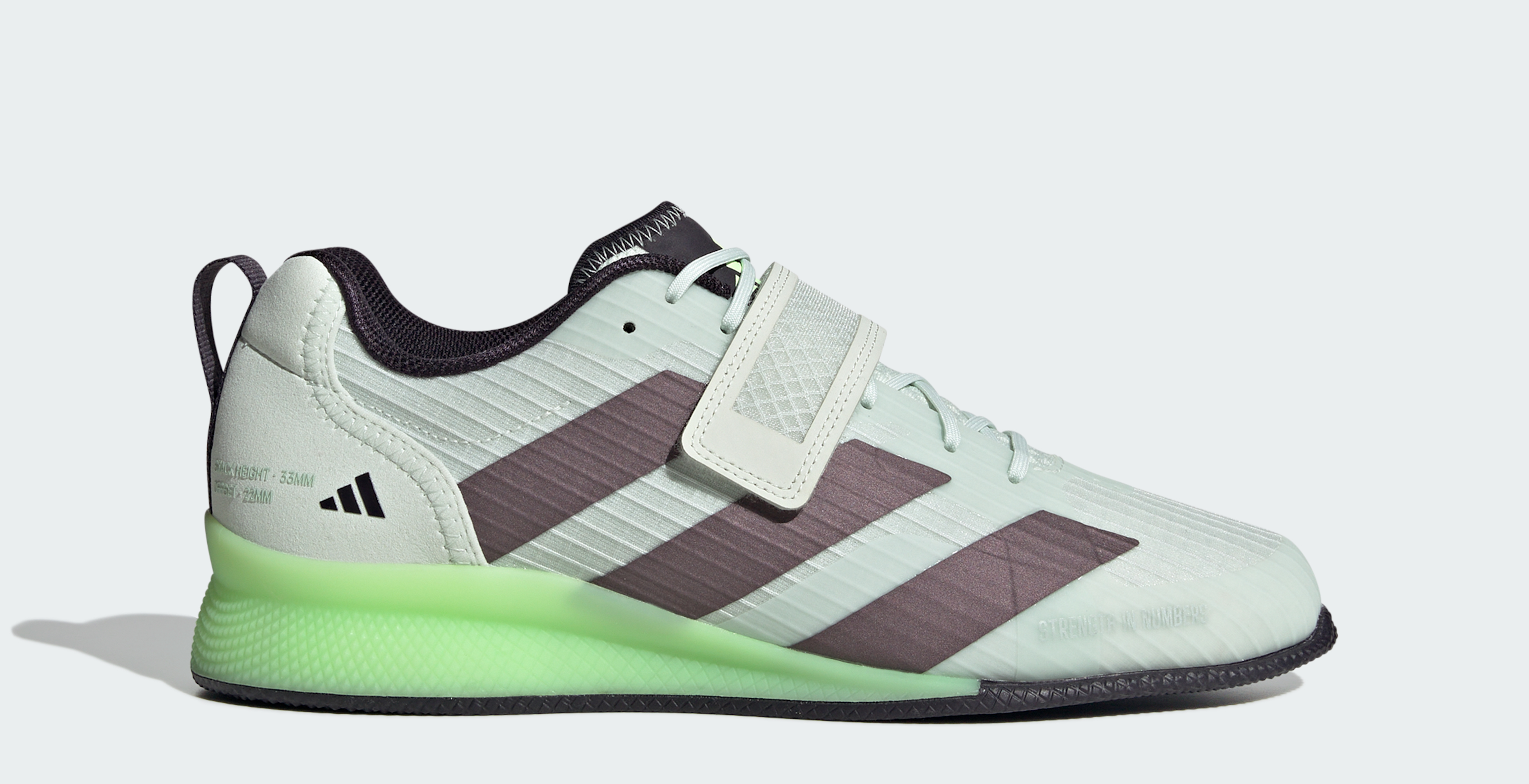
- Weightlifting Shoes: 350–500 grams per shoe (700–1,000 grams per pair)
- Minimalist/Lightweight Shoes: 150–250 grams per shoe (300–500 grams per pair)
- High-Top Trainers: 400–600 grams per shoe (800–1,200 grams per pair)
A standard pair of running or training shoes will usually weigh 600–900 grams. If you switch to minimalist shoes, you can cut that by half, but weightlifting shoes or high-tops will be heavier.
Shoe Weight Comparison: Examples
| Shoe Type | Weight per Pair (grams) | Weight per Pair (pounds) |
|---|---|---|
| Running Shoes | 700 | 1.54 |
| Cross-Trainers | 800 | 1.76 |
| Weightlifting Shoes | 900 | 1.98 |
| Minimalist Shoes | 400 | 0.88 |
| High-Top Trainers | 1,000 | 2.20 |
Many beginners are surprised that shoe weight can make up more than half of the total weight of their gym attire. This is especially important if you weigh yourself with shoes on or travel with limited luggage space.
Full Outfit Weights: Putting It All Together
To see the bigger picture, let’s calculate the total weight of a complete gym outfit, including shoes.
Typical Complete Outfit (men)
- T-shirt: 150 grams
- Shorts: 170 grams
- Socks: 40 grams
- Underwear: 65 grams
- Hoodie: 500 grams
- Shoes (running): 700 grams
Total: 1,625 grams (or about 1.63 kg)
Typical Complete Outfit (women)
- Sports bra: 90 grams
- Tank top: 110 grams
- Leggings: 240 grams
- Socks: 35 grams
- Underwear: 40 grams
- Hoodie: 500 grams
- Shoes (running): 700 grams
Total: 1,715 grams (or about 1.72 kg)
Lightest Possible Outfit
If you wear only the minimum (no hoodie, minimalist shoes):
- Men: T-shirt (150) + shorts (170) + socks (40) + underwear (65) + shoes (400) = 825 grams
- Women: Sports bra (90) + tank top (110) + leggings (180) + socks (35) + underwear (25) + shoes (400) = 840 grams
The difference between a full set and a lightweight set can be almost one kilogram. For travelers or competitive athletes, this is a significant number.

Credit: www.amazon.com
Fabric And Material: How They Affect Weight
The material of your gym clothes and shoes makes a noticeable difference.
- Cotton: Heavier than most synthetics. Absorbs sweat, which adds extra weight during exercise.
- Polyester/Nylon: Lighter, dries quickly, and usually weighs less even when wet.
- Spandex/Elastane: Used in small amounts for stretch; doesn’t add much weight.
- Wool: Rare for gym wear, but heavier and holds moisture.
- Leather/Suede (Shoes): Adds weight compared to mesh or synthetic uppers.
- EVA/Rubber (Soles): Lightweight foam reduces shoe weight; thick rubber soles are heavier.
When choosing gear, consider that even a few grams per item add up over time. For example, using only synthetic blends can lower the total outfit weight by up to 200 grams compared to cotton.
Wet Vs. Dry: How Sweat Changes The Weight
Many gym-goers don’t realize that clothes absorb sweat and become heavier during a workout. Even “moisture-wicking” fabrics hold some liquid.
- A sweat-soaked t-shirt can weigh up to 50–100 grams more.
- Cotton absorbs more, holding up to 7% of its weight in water.
- Synthetic shirts and leggings usually add only 20–40 grams after a heavy session.
Shoes, especially running or training shoes, also absorb sweat and can become heavier, especially if you exercise outdoors or in humid conditions.
Children’s Gym Clothes And Shoe Weights
Kids’ gym clothes and shoes weigh much less, but if you’re packing for a family or comparing sizes, here’s what to expect:
- T-shirt: 60–90 grams
- Shorts: 60–100 grams
- Socks: 15–25 grams
- Underwear: 20–30 grams
- Hoodie: 200–350 grams
- Shoes: 250–400 grams per pair
A full set for a child (t-shirt, shorts, socks, underwear, shoes) can weigh 400–645 grams. Add a hoodie, and it rises to 600–1,000 grams.
Travel And Luggage: Packing Tips For Gym Wear
If you travel often, knowing the weight of your gym gear can help you save space and avoid excess baggage fees.
- Choose lightweight fabrics: Synthetic blends save weight and dry faster if you need to wash on the go.
- Pack minimalist shoes: Halve the shoe weight by skipping heavy trainers or weightlifting shoes.
- Double up: Some gym tops can work as casual wear, reducing the total number of items you need.
- Compress and organize: Rolling clothes and using packing cubes helps fit more in less space.
A practical tip: Weigh your full gym outfit (including shoes) before your trip. You might be able to pack two sets of lightweight gear for the same weight as one heavy set.
Impact On Fitness Tracking And Weigh-ins
If you use a scale to track weight loss or muscle gain, wearing different gym clothes each time can affect accuracy.
- A heavy hoodie and shoes can add up to 1.5 kg to your weight.
- Weighing at home in underwear gives more consistent results than weighing after a workout in full gear.
- For the most accurate tracking, always weigh yourself in similar clothing (or none at all).
Many gym-goers make the mistake of weighing themselves with shoes and a full outfit, then tracking progress inconsistently. This can hide real changes or cause confusion.
Shipping And Online Orders: Why Weight Matters
When you buy gym wear or shoes online, shipping costs often depend on weight.
- Lighter shoes cost less to ship and are cheaper to return if needed.
- Bulkier items like sweatpants or hoodies increase shipping fees.
- If you order from international stores, know the total weight to avoid surprises.
Some brands now list item weights online, especially for performance shoes or travel gear. Always check if weight is a priority for you.
How To Weigh Your Own Gym Clothes And Shoes
If you want to know the exact weight of your personal gear, it’s easy:
- Use a kitchen scale: Place each item on the scale and record the weight.
- Weigh in batches: For big items, use a bathroom scale. Weigh yourself holding the clothes/shoes, then subtract your weight without them.
- List and total: Add up each item for your complete set.
This is especially useful for competitive athletes or frequent travelers who need precise packing.
Unexpected Factors That Change Clothing And Shoe Weight
Many people overlook some key factors that can change the real-world weight of gym attire:
- Pockets and Zippers: Extra features add weight, especially in jackets and pants.
- Logos and Prints: Large rubberized prints or embroidery can add 10–30 grams per item.
- Shoe Inserts/Orthotics: Custom insoles or arch supports increase shoe weight.
- Worn-Out Gear: Older clothes lose fibers and become lighter over time, but shoes can absorb dirt and water, making them heavier.
A smart tip: If you need the lightest outfit, pick simple designs with minimal extras.

Credit: www.womenshealthmag.com
Practical Examples: Weighing Popular Brand Gym Clothes And Shoes
Let’s look at the weights of some common items from well-known brands (weights are for average adult sizes):
- Nike Dri-FIT T-shirt: 140 grams
- Adidas Running Shorts: 130 grams
- Under Armour Sports Bra: 85 grams
- Lululemon Align Leggings: 230 grams
- Reebok Training Socks: 40 grams
- Puma Hoodie: 480 grams
- New Balance Running Shoes: 690 grams per pair
- Converse High-Tops: 950 grams per pair
These numbers match the averages given earlier and show that even top brands stay within similar weight ranges.
How To Choose The Right Weight For Your Needs
The best weight for gym clothes and shoes depends on your goals:
- Everyday gym-goers: A standard set (about 1.5 kg including shoes) is fine.
- Travelers: Look for lightweight, quick-drying gear (under 1 kg total).
- Athletes in competitions: Know the exact allowed clothing and shoe types for weigh-ins.
- Outdoor exercisers: Heavier clothes might be needed for warmth, but remember, wet gear is heavier.
- People tracking weight: Always use the same outfit, or better, weigh yourself without clothes.
If you’re unsure, try weighing your gear for a week. You’ll quickly see what works best for your lifestyle.
Comparing Gym Clothes And Shoes To Everyday Wear
How does the weight of gym gear compare to regular clothes and shoes? Here’s a quick reference:
| Item | Gym Wear (grams) | Everyday Wear (grams) |
|---|---|---|
| Top | 150 | 200 (button-up shirt) |
| Bottom | 170 (shorts) | 450 (jeans) |
| Shoes | 700 (trainers) | 1,000 (boots) |
| Jacket/Hoodie | 500 | 900 (winter coat) |
Gym clothes are lighter than most everyday clothes, except for the shoes, where trainers and casual shoes can be similar.
Surprising Insights Most Beginners Miss
- Socks Matter More Than You Think: While socks seem light, the difference between thick and thin pairs can be 20 grams. Over time, that adds up—especially for runners or anyone tracking weight closely.
- Wet Clothes Can Skew Progress: Weighing yourself after a sweaty workout can add 100 grams or more, hiding real fat loss or gain.
- Packing for Weather: If you work out outdoors, your clothing weight can double with rain or snow. Always dry gear before packing to avoid carrying extra water weight.
Expert Tips To Minimize The Weight Of Gym Clothes And Shoes
- Stick to synthetics: They’re lighter and dry faster than cotton.
- Go minimalist: Choose shoes with simple construction if you don’t need extra support.
- Avoid heavy accessories: Leave metal water bottles or extra gadgets at home if weight is an issue.
- Buy travel-specific gym wear: Some brands offer ultra-light options for travelers.
When The Weight Of Gym Gear Really Matters
- Sports with strict weigh-ins: Combat sports, rowing, and some cycling events require precise weighing.
- Long-distance travel: Backpackers and digital nomads need to save every gram.
- Shipping internationally: Higher shipping costs for heavier items.
- Personal tracking: If you want to see true body changes, keep clothing weight consistent.
Credit: www.adidas.com
Where To Find More Data
Brands and manufacturers may provide item weights online, especially for travel and sports gear. For more detailed information, you can visit the Wikipedia page on athletic shoes.
Frequently Asked Questions
How Much Do Gym Clothes And Shoes Add To My Body Weight On A Scale?
A typical gym outfit (clothes and shoes) adds about 1–2 kg to your weight, depending on the items worn. For the most accurate tracking, weigh yourself in the same outfit each time, or without any clothes.
Do Wet Gym Clothes Weigh A Lot More Than Dry Ones?
Yes, clothes absorb sweat and water. A sweat-soaked t-shirt can weigh 50–100 grams more than when dry. Cotton holds more water than synthetic fabrics.
Are Women’s Gym Clothes Lighter Than Men’s?
Usually, yes. Women’s gym clothes are often smaller and made with lighter fabrics. However, items like leggings or sports bras can have similar weights to men’s shorts and t-shirts.
Which Gym Shoes Are The Lightest?
Minimalist shoes are the lightest, usually 150–250 grams per shoe. Traditional running shoes are heavier, and weightlifting shoes are the heaviest due to added support and materials.
Should I Factor Clothing And Shoe Weight When Tracking My Fitness Progress?
Absolutely. For the most accurate results, always use the same clothes (or none at all) when weighing yourself. Changing outfits between weigh-ins can hide real progress or create confusion.
Every detail counts when you care about your fitness journey, travel plans, or athletic performance. Knowing the real weight of your gym clothes and shoes is a simple step that can make your planning more precise and your results more reliable.
With this knowledge, you’ll never have to guess again.
