

How Much Do Gym Clothes And Shoes Weigh: Surprising Facts Revealed
How Much Do Gym Clothes And Shoes Weigh
Choosing the right gym clothes and shoes is about more than comfort and style. For many people, the weight of what you wear can make a difference—whether you’re tracking fitness progress, packing for travel, or just curious. You might notice a small change on the scale before and after changing, or wonder if your running shoes add much to your total. Understanding the weight of gym clothes and shoes helps you make smarter decisions, especially if you’re focused on accurate weigh-ins, sports competitions, or packing light.
This guide explores the typical weights of common gym clothes and shoes, why these numbers matter, and practical tips for managing them. You’ll find real-world examples, useful tables, and insights that most beginners miss. Whether you’re a gym-goer, athlete, or just want to avoid surprises at weigh-ins, this article will answer all your questions.
Why The Weight Of Gym Clothes And Shoes Matters
Many people overlook the impact of clothing on body weight measurements. If you step on the scale with a heavy hoodie and shoes, your reading will be higher than if you wore just a tank top and shorts. This difference may seem small, but it can be important if you’re:
- Competing in weight-class sports (like boxing or wrestling)
- Tracking weight loss or gain with precision
- Preparing for a fitness test or health check
- Traveling with strict luggage limits
Even a few hundred grams can push you over a limit or change your recorded progress. Knowing the average weights helps you plan and avoid mistakes.
Also, for those who monitor their body composition or use smart scales, the smallest differences in weight can affect the calculation of your body fat percentage or hydration level. Some smart scales even ask you to select “with clothes” or “without clothes” because a few hundred grams can make the difference between a positive or negative result in your progress chart.
For people who care about accuracy, such as athletes or those in medical programs, this detail is more important than it seems.
Another overlooked reason is psychological. If you see a number higher than expected because you’re wearing heavy gear, it can be discouraging. Understanding how much your outfit adds can prevent unnecessary stress and help you stay motivated.
What Affects Gym Clothes And Shoes Weight?
The weight of your gym wear depends on several factors:
- Material: Synthetic fabrics like polyester are usually lighter than cotton.
- Size and Fit: Larger clothes weigh more.
- Design Features: Zippers, pockets, padding, and linings add weight.
- Shoe Type: Running shoes are lighter than cross-trainers or basketball shoes.
- Moisture: Sweat-soaked clothes are heavier than dry ones.
Seams, logos, and decorative elements also play a role. Reflective strips for visibility, rubberized prints, or even thick stitching can add a few grams. For example, a t-shirt with a large logo print is slightly heavier than a plain one.
Some sportswear includes mesh panels for breathability, which reduce weight but may absorb more sweat. If you ever wonder why two shirts feel different in your hand, these small factors are often why.
Let’s look at the typical weight ranges and what influences them most.
Typical Weights Of Gym Clothes: Item By Item
To make things clear, here are the common gym clothes, their usual weights, and what affects them.
T-shirts
A basic gym t-shirt is light, but not all t-shirts are the same.
- Lightweight polyester t-shirt: 90–120 grams
- Cotton t-shirt: 130–180 grams
- Compression t-shirt: 70–110 grams
Compression shirts are often the lightest because of their thin, stretchy fabric. Cotton is heavier, especially if it soaks up sweat.
Washing and drying methods also affect the final weight. Tumble-dried shirts may retain more moisture than air-dried ones if not fully dried, which can add a few grams.
Shorts
Gym shorts vary a lot, depending on length and material.
- Running shorts: 60–90 grams
- Basketball shorts: 110–180 grams
- Compression shorts: 50–85 grams
Compression shorts are usually the lightest. Basketball shorts are longer and often have pockets, making them heavier.
Some running shorts have inner linings for support, which can add 10–20 grams. Mesh side panels or thick drawstrings also increase the total weight a little.
Tank Tops
Tank tops are usually lighter than t-shirts.
- Polyester tank top: 50–90 grams
- Cotton tank top: 80–120 grams
The absence of sleeves reduces weight, but cotton still adds bulk.
Designs with racerbacks or extra stitching for style can add a bit. For those who choose tanks with built-in support or double layers, expect 10–15 grams more.
Sports Bras
For women, sports bras are an essential part of gym clothing.
- Light support sports bra: 50–80 grams
- High support sports bra: 80–140 grams
Extra padding and thicker materials in high-support bras add weight.
Hooks, wide straps, and underwires also matter. Removable pads, often included for flexibility, can add 10–20 grams if left in.
Leggings And Tights
Many people wear leggings for comfort and mobility.
- Lightweight polyester leggings: 120–180 grams
- Cotton blend leggings: 180–250 grams
- Compression tights: 100–160 grams
Cotton blends are heavier, and full-length leggings weigh more than capri styles.
Some leggings have hidden pockets for keys or a phone. Even a small pocket with a zipper can add 10–15 grams. Thicker winter leggings or thermal tights can weigh up to 300 grams.
Sweatpants
Sweatpants are heavier due to their thicker fabric.
- Thin polyester sweatpants: 200–280 grams
- Cotton sweatpants: 300–450 grams
- Fleece-lined sweatpants: 400–600 grams
The warmest, thickest sweatpants can add almost half a kilo to your weight.
Elastic cuffs, cargo pockets, and drawstrings may add small but noticeable weight. Some brands also use double-layered knees for durability, which can add up to 50 grams more.
Hoodies And Sweatshirts
A hoodie or sweatshirt can be surprisingly heavy.
- Lightweight pullover hoodie: 300–400 grams
- Heavyweight hoodie (thick cotton): 500–750 grams
- Zip-up sweatshirt: 350–600 grams
Zippers and pockets increase the total.
Fleece linings, especially in winter hoodies, can push the weight toward the higher end. Oversized styles, popular for comfort, are heavier than standard-fit ones.
Gym Socks
Socks may seem too light to matter, but they can add up.
- Ankle socks (pair): 20–35 grams
- Crew socks (pair): 40–60 grams
- Compression socks (pair): 50–80 grams
Longer, thicker socks make a bigger difference.
Socks with extra cushioning or arch support are heavier. If you double up on socks for blisters or warmth, the weight doubles too.
Sports Underwear
Special sports underwear is lighter than everyday options.
- Men’s sports briefs: 30–50 grams
- Women’s sports briefs: 20–40 grams
Moisture-wicking materials are generally lighter.
Some options include mesh panels or wider waistbands, which can add a few extra grams. Seamless designs tend to be the lightest.
Sports Jackets
For outdoor workouts, jackets add extra weight.
- Windbreaker: 180–250 grams
- Lightweight running jacket: 200–300 grams
- Heavy insulated jacket: 400–800 grams
Choose the lightest option for weigh-ins or packing.
Jackets with hoods, inner pockets, or thumbholes will weigh more. Detachable layers (like removable liners) also add to the total.
Typical Weights Of Gym Shoes
Shoes often contribute the most to your total gym outfit weight. Let’s compare the most common types.
Running Shoes
Running shoes are designed to be light.
- Men’s running shoes (pair): 450–650 grams
- Women’s running shoes (pair): 400–550 grams
Minimalist or racing shoes can weigh even less.
The actual weight depends on the size (bigger shoes are heavier), cushioning, and sole design. Some lightweight “racing flats” can be just 350 grams per pair for smaller sizes.
Cross-trainers
Cross-trainers are a bit heavier for stability.
- Men’s cross-trainers (pair): 600–850 grams
- Women’s cross-trainers (pair): 500–700 grams
Extra support and thicker soles add weight.
If your trainers have reinforced toe caps or special grip soles, that adds weight too. Shoes with a lot of mesh are lighter but may be less durable.
Basketball Shoes
Basketball shoes are the heaviest among gym shoes.
- Men’s basketball shoes (pair): 800–1200 grams
- Women’s basketball shoes (pair): 650–950 grams
The high-top design and extra padding cause the increase.
Some shoes include ankle straps, air pockets, or thick rubber soles for support, which all add to the total. Limited edition or custom shoes often use heavier materials.
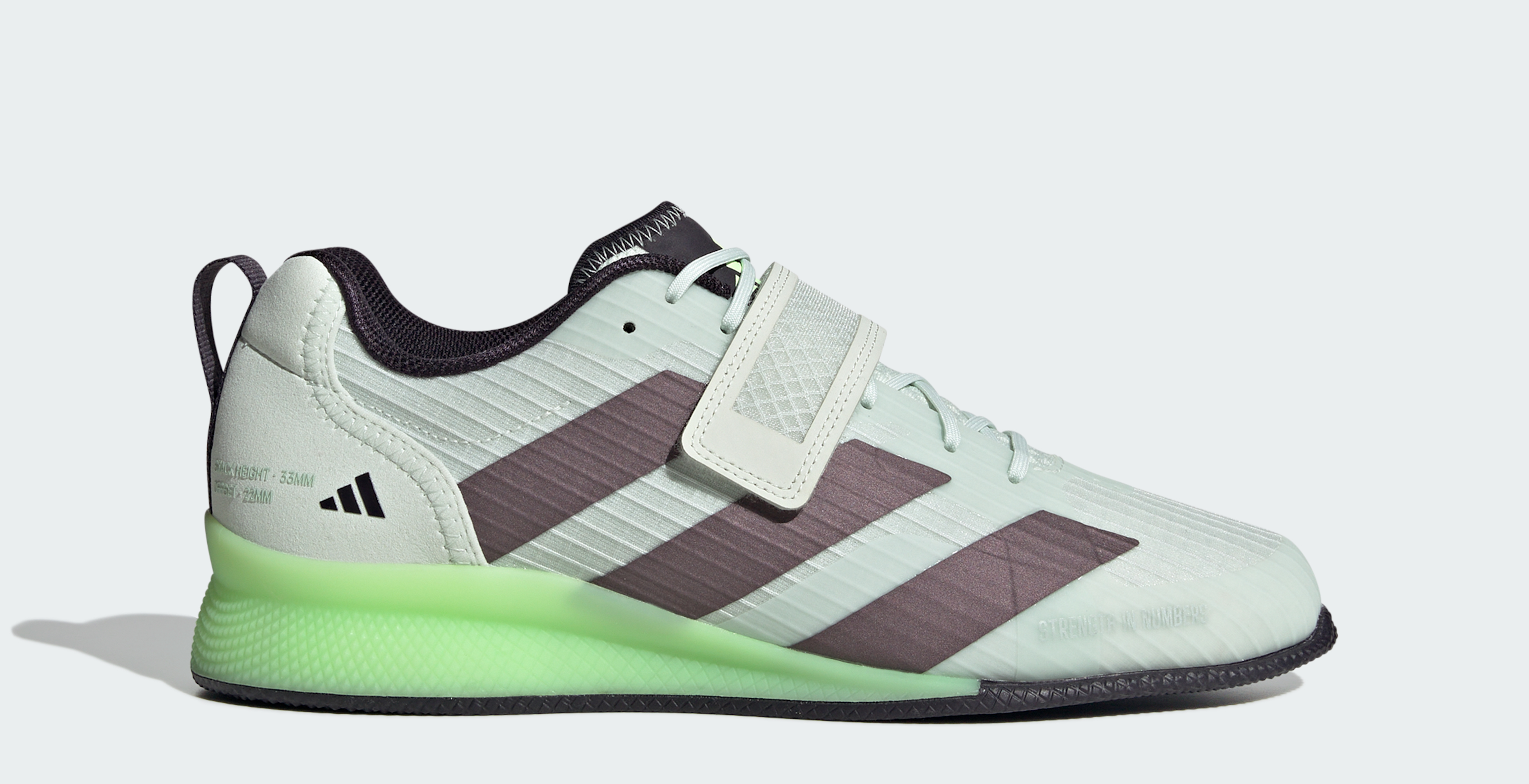
Lifting Shoes
Weightlifting shoes are sturdy and dense.
- Men’s lifting shoes (pair): 850–1200 grams
- Women’s lifting shoes (pair): 700–1000 grams
The solid heel and strong material explain their weight.
Raised heels, metal plates, or dual straps for stability increase the weight. Some premium models are heavier due to the use of leather or wood in the sole.
Minimalist Shoes
Barefoot or minimalist shoes are extremely light.
- Unisex minimalist shoes (pair): 250–400 grams
They use less material and are designed for a natural feel.
These shoes usually have thin rubber soles, no padding, and no arch support. They are popular for those who practice barefoot-style running or want the lightest possible option.

Credit: www.amazon.com
Comparison Of Gym Outfit Weights
Let’s see how different gym outfits add up. These examples help you estimate your total clothing and shoe weight for weigh-ins or packing.
| Outfit | Clothes Weight (g) | Shoes Weight (g) | Total (g) |
|---|---|---|---|
| Lightweight (tank, shorts, ankle socks) | 170 | 450 | 620 |
| Standard gym (t-shirt, shorts, crew socks) | 260 | 600 | 860 |
| Cold weather (hoodie, leggings, crew socks) | 620 | 650 | 1270 |
| Basketball (t-shirt, basketball shorts, high socks) | 310 | 950 | 1260 |
As you can see, your gym outfit can range from under 1 kg to over 1.2 kg depending on your choices.
It’s easy to underestimate how quickly the weight adds up, especially when you include shoes. If you pack two outfits and a pair of shoes for a weekend trip, your gym gear alone could be a significant part of your luggage limit.
How Much Do Wet Gym Clothes Weigh?
One key detail many people miss: clothes get heavier when wet. Sweat, rain, or washing can add significant weight.
- A soaked t-shirt can weigh 200–250 grams more
- Wet shorts add 100–150 grams
- Sweat-soaked socks can nearly double in weight
This matters if you weigh yourself after exercise. For athletes who need to weigh in dry, even a small amount of moisture can push you over your class limit.
Not all fabrics absorb water the same way. Cotton holds much more water than polyester or nylon, so a wet cotton shirt can be heavier than you expect. In humid gyms or rainy weather, your clothes may not dry completely, so even “dry” clothing can add hidden weight.
For weigh-ins, use a towel to dry off and switch to synthetic fabrics to avoid water retention.

Credit: www.amazon.com
Weighing-in: How Clothes And Shoes Affect Body Weight
For accurate tracking, you should know how much your clothes and shoes add to your scale reading.
- At home: Weigh yourself naked or in minimal clothing for best results.
- At the gym or doctor: If you must wear clothes, subtract the average weight of your outfit from your result.
- For athletes: Check competition rules—some allow underwear or minimal clothing, others require full gear.
Practical tip: Weigh your gym outfit at home so you always know what to subtract.
Some people keep a list taped near their scale or saved in their phone with the weights of their standard outfits. This simple habit can prevent confusion and help you track real changes in your body, not just changes in clothing.
Special Cases: Clothing For Specific Sports
Your sport or activity can change what you wear—and how much it weighs.
Weightlifting
- Most wear a singlet (lightweight), but lifting shoes are heavy.
- Total clothing and shoes: 900–1350 grams
Some competitions require knee sleeves or wrist wraps, which add another 50–150 grams.
Running
- Runners prefer lightweight, minimal gear.
- Typical total: 400–700 grams
Elite runners often choose ultra-light shoes and split shorts to keep the total as low as possible. Even a cap or sunglasses can add 30–50 grams.
Yoga And Pilates
- Usually, leggings and a tank top, with no shoes.
- Total: 180–350 grams
Yoga mats and props aren’t worn, but if you include them in your bag, your total carry weight increases. For hot yoga, a sweat towel may add 100 grams or more.
Boxing And Martial Arts
- Outfits are light, but some require headgear and gloves during weigh-ins (adds extra weight).
A basic gi for judo or karate can weigh 600–900 grams, much more than shorts and a t-shirt. Protective gear for sparring sessions can add several hundred grams.
Outdoor Training
- You might need a jacket, hat, and thicker pants.
- Total can exceed 1.5 kg
If you train in cold or wet weather, waterproof pants, gloves, or even thermal underwear quickly increase the total. Always factor in weather when planning your gear.
Understanding your sport’s typical gear helps you plan for both performance and weigh-ins.
Credit: www.adidas.com
Real-world Examples And Case Studies
Example 1: The Surprised Weight Tracker
A man checks his weight at the gym, wearing shoes, socks, a t-shirt, and shorts. The scale shows he is 1 kg heavier than expected. He removes his shoes and t-shirt and tries again. The difference is nearly 800 grams—enough to hide real progress or cause confusion.
This happens often, especially for those who weigh themselves at different times or in different outfits. Consistency is key for tracking real changes.
Example 2: Competition Day
A woman trains for a judo competition. She must weigh under a certain limit. The day before, she weighs herself at home in only underwear. On competition day, the rules require her to wear a cotton top and shorts. The extra 250 grams almost pushes her over her category.
Planning and knowing clothing weights avoids last-minute panic.
Some athletes purposely choose the lightest legal outfit for weigh-ins, then change into heavier or more protective gear for the actual event.
Example 3: Frequent Traveler
A fitness enthusiast travels often with only a carry-on. She weighs her gym shoes (600 grams), two outfits (400 grams each), and a jacket (250 grams). Packing light means more space for other essentials and no overweight fees.
Travelers often remove shoe insoles, use packable jackets, and choose clothes with multi-use features to minimize total weight.
Non-obvious Insights Most Beginners Miss
- Shoe insoles and orthotics add extra grams. Custom insoles can weigh 30–60 grams per pair.
- Laundry residue: If your clothes are still damp from washing, they can weigh much more than you expect.
- Labels and tags: Removing large inside tags and packaging before travel reduces total weight.
- Wristbands, headbands, and gloves: Small items can add up, especially for boxers, weightlifters, and cyclists.
- Accessory pouches and pockets: Even empty, zippered pockets and sewn-in pouches increase weight.
Another detail: If you use a fitness tracker or smartwatch, remember to include its weight (usually 25–50 grams) if you wear it during weigh-ins. Even phone armbands and key holders add extra grams, which can matter in strict competitions.
Lightweight Vs. Heavyweight: Performance And Comfort
Choosing lighter clothes can help you:
- Feel less restricted
- Sweat less
- Move more freely
However, heavier options are better for warmth or protection. For example, a thin tank top is great for summer, but a thick hoodie is best for cold-weather running.
Wearing lighter gear also reduces the risk of overheating and can improve your speed in activities like running or HIIT workouts. But in sports with physical contact or risk of falling, heavier gear with more padding is sometimes safer.
Here is a simple comparison between the lightest and heaviest typical gym outfits:
| Outfit Type | Clothing Items | Total Weight (g) |
|---|---|---|
| Lightest Possible | Compression shorts, lightweight tank, ankle socks, minimalist shoes | 370–540 |
| Heaviest Common | Fleece hoodie, sweatpants, crew socks, basketball shoes | 1350–2000 |
If you want the best balance, try to match your gear weight to your workout needs and local climate.
How To Measure Your Own Gym Clothes And Shoes
To know the exact weight for your own items, follow these steps:
- Use a kitchen or luggage scale: Place each item on the scale separately.
- Record weights: Write down the numbers for each item.
- Add them up: Total the items for your complete outfit.
- Check with accessories: Don’t forget wristbands, hats, or gloves.
This method is more accurate than guessing or using averages.
If your scale isn’t sensitive enough for light items, try weighing a group of clothes together and dividing by the number of pieces. For shoes, weigh both together for the total pair weight. If you want to be extra careful, weigh your clothes both dry and after exercise to see the effect of sweat.
Mistakes To Avoid When Considering Clothing And Shoe Weight
- Weighing at different times: Morning vs. night, or before vs. after workouts, can show different results due to sweat and water retention.
- Ignoring layers: Wearing extra layers for warmth adds unnoticed grams.
- Using unreliable scales: Cheap bathroom scales can be off by 200 grams or more.
- Not accounting for all gear: Small items like headbands or even hair ties can tip the scale in strict competitions.
Another mistake is forgetting to empty pockets. Even a set of keys or a phone can add 100 grams or more. Always check your outfit before stepping on the scale, especially before important weigh-ins.
How To Choose Lightweight Gym Clothes And Shoes
If you want to keep your gym outfit as light as possible, look for:
- Synthetic fabrics (polyester, nylon, spandex)
- Minimal design (no extra pockets or zippers)
- Low-cut or ankle socks
- Lightweight shoes designed for running or minimalist training
Try clothes on before buying to check comfort, as ultra-light options can sometimes sacrifice durability.
If you train outdoors, consider windproof but light jackets and avoid cotton, which soaks up sweat. For shoes, check the manufacturer’s listed weight, but remember that insoles or orthotics add a little more. Some brands now make “travel” gym clothes that pack small and dry quickly, making them perfect for those who need to keep weight down.
Frequently Asked Questions
How Much Do Gym Clothes And Shoes Usually Weigh Together?
A typical gym outfit (t-shirt, shorts, socks, running shoes) weighs 800–1100 grams. It can be less if you use minimalist shoes and light fabrics, or more with sweatpants, hoodies, or heavy shoes.
Does The Weight Of Gym Clothes Affect My Body Weight Reading?
Yes. Clothes and shoes can add up to 2 kg to the scale, especially if you wear multiple layers or heavy shoes. For accurate tracking, weigh yourself with the same outfit every time, or subtract the known clothing weight.
Are There Rules About Clothing For Sports Weigh-ins?
Many competitions have strict guidelines. Some require athletes to weigh in wearing only underwear, others allow light clothing. Always check your sport’s official rules to avoid last-minute surprises.
How Much More Do Wet Gym Clothes Weigh?
Wet gym clothes can be 200–500 grams heavier than dry clothes. Sweat, rain, or washing can all add weight. Always dry clothes fully before weighing in for competitions.
Where Can I Find More Information About Sports Equipment And Weighing Rules?
Authoritative sources such as Wikipedia provide details on weigh-in procedures and sports regulations.
The Bottom Line
The weight of gym clothes and shoes may seem minor, but it matters in many situations. From sports competitions and fitness tracking to travel and comfort, knowing the average weights helps you avoid mistakes and plan better. The numbers can add up faster than you think—especially with heavy shoes, thick clothing, or wet fabrics. For best results, measure your own gear, choose lighter options when it makes sense, and always consider your sport’s rules and your own comfort. With these tips, you’ll never be surprised by the scale or your suitcase again.
