

How Many Times Should You Wear Gym Clothes Before Washing?
How Many Times Should You Wear Gym Clothes
You just finished a workout and now you’re looking at your sweaty gym shirt, wondering: “Can I wear this again, or does it need to go straight into the wash?” This is a common question for anyone who exercises regularly. Wearing gym clothes multiple times can save time, money, and reduce laundry loads, but it may also create hygiene problems if not done wisely.
The answer isn’t as simple as “always wash after every use” or “wear it until it smells. ” How many times you should wear gym clothes depends on the type of garment, your workout intensity, your personal hygiene, and even the climate you live in.
Some people can get away with re-wearing a dry t-shirt for a quick walk, while others may need to wash everything after each session.
This guide will help you make smart decisions about re-wearing gym clothes. You’ll learn how sweat, bacteria, and fabric type affect cleanliness, when to wash and when to repeat, and how to keep your gear fresh and healthy for your body.
Why Re-wearing Gym Clothes Matters
Re-wearing gym clothes is about more than comfort or convenience. It affects your hygiene, skin health, and even the life of your clothes. Washing too often can damage fabrics, but not washing enough can cause skin irritation or infections.
Some key reasons people ask how often to wear gym clothes:
- Save water and energy: Fewer washes mean less environmental impact.
- Save money: Clothes last longer with less washing.
- Time management: Less laundry means more free time.
- Health concerns: Avoiding skin problems and infections.
- Odor control: Not wanting to smell bad at the gym or afterward.
Understanding the right balance helps you get the best from your gym routine and your clothes.
Factors That Affect How Often You Should Wash Gym Clothes
How many times you can wear your gym gear depends on several factors. Let’s look at the most important ones.
1. Type Of Exercise
The type and intensity of your workout makes a big difference. For example:
- Heavy cardio (running, cycling, HIIT): You sweat more, so clothes absorb more bacteria and odor.
- Strength training: Less sweat, especially if you rest between sets.
- Yoga or Pilates: Often less sweat, but close contact with a mat may make some parts dirtier.
- Low-intensity (stretching, walking): Clothes may stay dry and clean.
If your workout leaves you soaked, it’s best to wash the clothes after one use. For light exercise, you might get two or more wears.
2. Fabric And Material
Different materials handle sweat and bacteria differently.
- Cotton: Absorbs sweat and holds odor. Usually needs washing after each use.
- Synthetic fabrics (polyester, nylon): Designed to wick moisture, but can trap odor-causing bacteria.
- Merino wool: Naturally resists odor and bacteria; can sometimes be worn more than once if dried properly.
Look for anti-microbial or odor-resistant fabrics if you want to wear them more than once.
3. How Much You Sweat
Everyone’s sweat rate is different. Some people sweat heavily, while others barely sweat at all during the same workout.
- Heavy sweaters: Clothes will need more frequent washing.
- Light sweaters: May get an extra wear if clothes are aired out.
4. Climate And Environment
Hot, humid weather increases sweat and bacteria growth. Dry, cool climates may let you wear clothes longer.
- Humidity: More moisture, more bacteria, wash after each use.
- Dry air: Clothes dry faster, may allow for re-wearing.
5. Personal Hygiene And Skin Sensitivity
If you have sensitive skin or are prone to acne, always choose clean clothes. Wearing dirty gym gear can cause irritation or infections, especially in areas where the fabric rubs against the skin.
6. Clothing Design And Layers
Some gym items touch skin directly, others act as a second layer.
- Base layers (underwear, sports bras, socks): Touch sweat and skin directly; wash after every use.
- Outer layers (jackets, hoodies): May stay dry and clean; can often be worn several times.
7. How Long You Wore The Clothes
A short 15-minute session means less sweat and bacteria than a full-hour intense workout. If you just wore a shirt for a warm-up or a quick walk, it’s likely fine to re-wear.
8. Airing And Storage
If you air out your gym clothes properly after use, you reduce bacteria and odor. Never leave sweaty clothes in a bag or heap—they’ll smell worse and grow more bacteria.
How Many Times You Can Wear Each Type Of Gym Clothing
Let’s break it down by specific garment. This helps you decide when to wash and when to reuse.
Gym T-shirts And Tops
Most people sweat most from the chest, back, and underarms. Shirts collect sweat, bacteria, and odor quickly.
- After heavy exercise: Wash after one use.
- After light exercise: Possibly wear again if it’s dry and odor-free.
- Material matters: Merino wool can be worn 2-3 times if aired out. Cotton and synthetics usually need washing after each use.
Non-obvious insight: The color of your shirt can hide or show sweat stains, but it doesn’t change the need for washing. Dark clothes may look cleaner but still collect bacteria.
Sports Bras
Sports bras touch sensitive skin and absorb a lot of sweat.
- Wash after every use. They collect sweat and bacteria in skin folds, which can cause rashes or breakouts.
- If you did a very light activity and stayed dry, you might stretch to a second wear, but it’s not recommended.
Shorts, Leggings, And Tights
Your lower body doesn’t sweat as much as your upper body, but these clothes still absorb moisture.
- After intense workouts: Wash after each use.
- Low-sweat sessions: May get 2 wears, especially with odor-resistant fabrics.
- Compression gear: Needs more frequent washing, as it sits close to the skin.
Gym Underwear
Underwear is non-negotiable. It absorbs sweat, skin cells, and bacteria.
- Always wash after every use. Re-wearing gym underwear increases risk of irritation and infection.
Socks
Socks soak up sweat and bacteria from your feet.
- Wash after every use. Re-wearing gym socks can lead to fungal infections or athlete’s foot.
Hoodies, Jackets, And Outer Layers
These usually don’t touch much sweat unless you wear them alone.
- If worn over dry layers: Can be worn 5-7 times before washing, unless visibly dirty or smelly.
- If used as a base layer: Wash more often.
Gym Shorts With Built-in Liners
Liners act like underwear, so they collect sweat and bacteria.
- Wash after every use. Even if the outer short seems clean, the liner needs frequent washing.
Headbands, Hats, And Sweatbands
These pick up sweat from the forehead and hair.
- Wash after each use if soaked.
- Lightly used: Can sometimes get two wears if fully dried.
The Risks Of Re-wearing Gym Clothes Too Many Times
Wearing gym clothes too often without washing has real health risks. Here are the main ones:
1. Skin Infections
Sweaty clothes trap bacteria and fungi. This can cause:
- Body acne
- Folliculitis (infected hair follicles)
- Ringworm or other fungal infections
2. Odor
Even if you can’t smell it, others probably can. Odor comes from bacteria breaking down sweat.
3. Irritation And Rashes
Wet, dirty clothes rubbing on skin can cause chafing or rashes, especially in sensitive areas.
4. Mold And Mildew
Leaving sweaty clothes in a gym bag can quickly lead to mold growth. Mold can damage clothes and even trigger allergies.
5. Reduced Performance Of Fabrics
Sweat and bacteria can break down the fibers of performance fabrics, making them less effective over time.
Non-obvious insight: Odor-resistant fabrics can still collect bacteria even if you can’t smell them. Don’t rely only on your nose to judge cleanliness.
Credit: www.reddit.com
How To Tell If Gym Clothes Are Still Clean Enough To Wear
Sometimes you’re unsure if you can re-wear an item. Here are signs your gym clothes are ready for the wash:
- They smell, even a little.
- Stiffness or sticky feeling in the fabric.
- Visible stains or salt marks from sweat.
- Loss of stretch or shape.
- Itchy or uncomfortable after putting them on.
If in doubt, wash. It’s better to be safe, especially if you have sensitive skin.
How To Extend The Life Of Gym Clothes Between Washes
If you want to wear your gym clothes more than once, some smart habits help keep them fresh and safe.
1. Air Dry Immediately
Hang clothes up as soon as possible. Air flow helps dry sweat and reduces bacteria growth. Never leave clothes balled up in a bag.
2. Use Odor-resistant Fabrics
Choose gym gear made with merino wool or anti-microbial treatments. These resist odor and can sometimes be worn twice if dried well.
3. Spot Clean When Needed
If only one area is sweaty or dirty, dab with a damp cloth and let it dry.
4. Rotate Your Gym Clothes
Having several sets lets you air them out fully between wears. This reduces bacteria and smell.
5. Use Sports-specific Detergents
Regular laundry detergent may not remove all odor or bacteria. Use a detergent designed for synthetic or activewear fabrics.
6. Wash Gym Bag And Accessories
These also collect sweat and bacteria. Wash bags, yoga mats, and hats often.
7. Avoid Fabric Softeners
Fabric softeners can coat performance fibers and reduce their moisture-wicking abilities. Stick to mild detergent.
Practical Examples And Scenarios
Let’s look at how these rules play out in real life.
Example 1: The Cardio Lover
You run for an hour at high intensity and finish soaked. Your shirt and shorts are damp, and you wore a sports bra and socks.
- Shirt, sports bra, underwear, socks: Wash after one use.
- Shorts: Wash after one use unless dry; occasionally two wears if low sweat.
- Jacket (worn only to and from the gym): Can re-wear several times.
Example 2: The Strength Trainer
You lift weights for 45 minutes with moderate sweat. Your shirt is dry except for underarms.
- Shirt: If it passes the smell test and dries quickly, can wear once more.
- Shorts/leggings: Possibly two wears.
- Sports bra, underwear, socks: Wash after each use.
Example 3: The Yoga Enthusiast
You take a gentle yoga class with little sweat.
- Shirt and leggings: If no odor, can re-wear.
- Sports bra, underwear, socks: Wash after each use.
- Yoga mat towel: Wash if used, especially if sweaty.
How Washing Frequency Affects Gym Clothes
Washing too often can damage your clothes, but not washing enough is worse for your skin.
| Washing Frequency | Impact on Clothes | Impact on Hygiene |
|---|---|---|
| After every use | Shorter fabric life, fading color | Best for skin health |
| Every 2-3 uses | Longer fabric life, less fading | Risk of odor and bacteria |
| Weekly | Longest fabric life | High risk of infection, strong odor |
Tip: Always follow the care label on your gym clothes. Washing in cold water and air drying can help clothes last longer.
Common Myths About Washing Gym Clothes
Many people believe things about gym clothes that aren’t completely true. Here are some common myths:
Myth 1: If It Doesn’t Smell, It’s Clean
Even if you can’t smell sweat, bacteria can still be present. Odor-resistant fabrics can hide smell but not bacteria.
Myth 2: Synthetics Don’t Need As Much Washing
Synthetic fabrics wick sweat but can hold onto bacteria and odor. They may actually need more careful washing.
Myth 3: More Detergent Means Cleaner Clothes
Too much detergent can build up in fabric and trap odor. Use the recommended amount.
Myth 4: All Gym Clothes Are The Same
Different items (socks, bras, outer layers) need different care. Don’t treat them all alike.
Myth 5: Airing Clothes Is Enough
Air drying helps, but it doesn’t kill bacteria or remove all odor. Eventually, washing is necessary.
How Often People Actually Wash Gym Clothes
Surveys and studies show wide differences in washing habits.
- About 50% of people wash gym shirts after every use.
- 30% may wear shorts or leggings twice.
- Only 10-15% re-wear socks or underwear without washing (not recommended).
- Most people wash outer layers every 3-5 wears.
These numbers show that while some re-wearing is common, most people know to wash the items that touch skin and sweat the most.
Reducing Environmental Impact Of Gym Clothes Laundry
Frequent washing uses a lot of water and energy. Here are ways to reduce your footprint without sacrificing hygiene.
1. Wash Full Loads
Wait until you have a full load to wash, which saves water and energy.
2. Use Cold Water
Most gym clothes clean well in cold water, which saves energy and protects fabrics.
3. Air Dry When Possible
Skip the dryer to save energy and extend the life of your clothes.
4. Choose Durable, Odor-resistant Clothes
Investing in high-quality, odor-resistant activewear lets you wear items more than once safely.
Sample Weekly Gym Clothes Plan
Here’s an example schedule for someone who works out five times a week:
| Clothing Item | Number Owned | Wears per Week | Recommended Washes |
|---|---|---|---|
| Gym shirts | 3-5 | 5 | After 1-2 wears |
| Shorts/leggings | 2-3 | 5 | After 1-2 wears |
| Sports bras | 2-3 | 5 | After every use |
| Socks | 5+ | 5 | After every use |
| Hoodies/jackets | 1-2 | 2 | After 5-7 wears |
This plan helps you rotate items and avoid doing laundry every day.
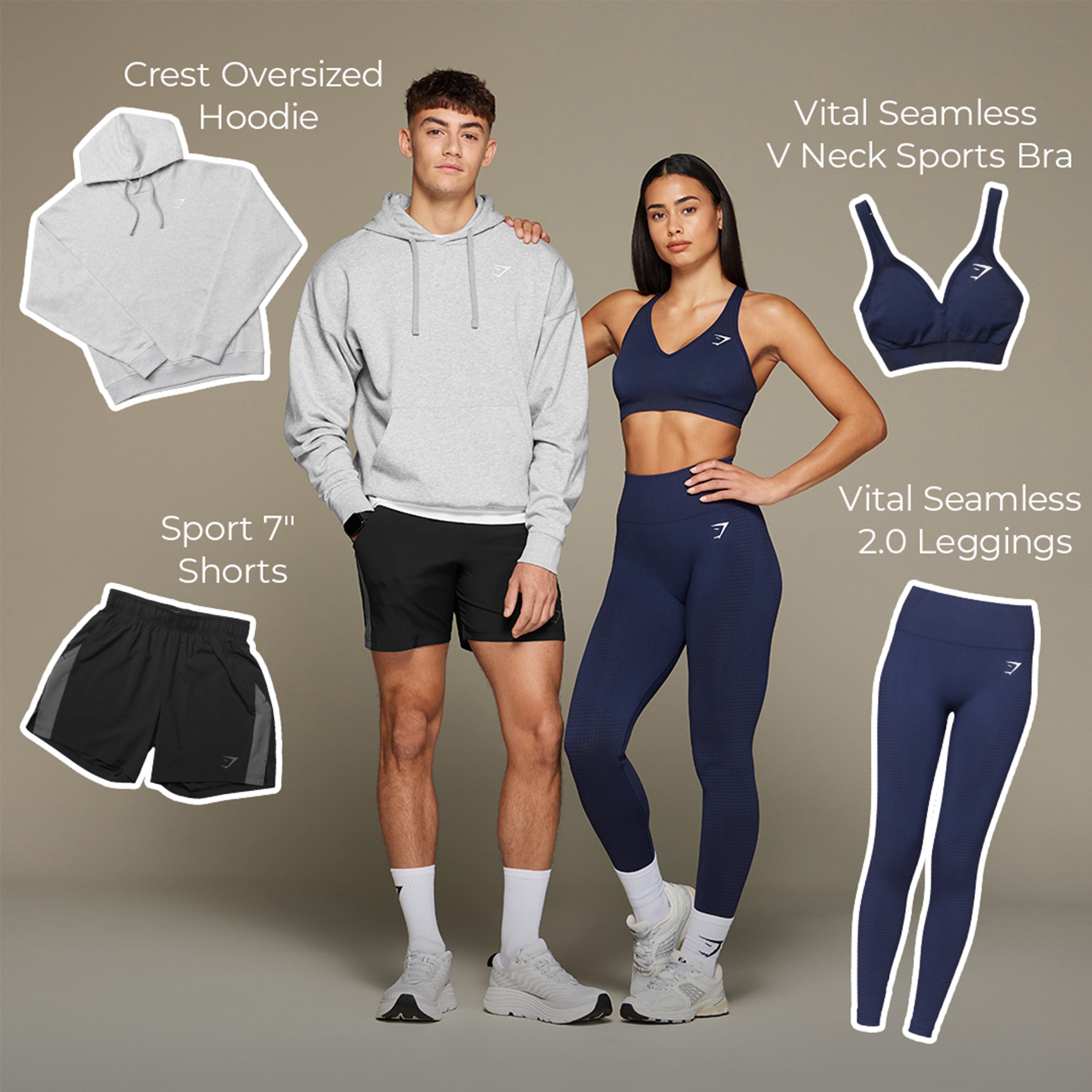
Credit: www.gymshark.com
Special Situations
Certain situations require more frequent washing:
- If you have a skin infection: Wash clothes after every use to prevent spreading.
- If you share equipment: More exposure to germs, wash after each session.
- Outdoor workouts: Dirt, pollen, or pollution require more washing.
- Swimming: Chlorine or saltwater can damage fabric—rinse immediately and wash soon.
When To Replace Gym Clothes
Even with careful washing, all gym gear wears out. Signs you need new clothes:
- Persistent odor that won’t wash out.
- Lost elasticity or stretched-out fit.
- Holes, tears, or thin spots.
- Irritation or itching even after cleaning.
Keep in mind, old gym clothes may not perform as well and can hold more bacteria.
Summary Table: How Many Times To Wear Each Item
Here’s a quick reference for how many times you can safely wear each type of gym clothing:
| Item | Times to Wear Before Washing |
|---|---|
| Shirts | 1 (sometimes 2 with light sweat and odor-resistant fabric) |
| Sports bras | 1 |
| Shorts/leggings | 1-2 |
| Underwear | 1 |
| Socks | 1 |
| Hoodies/jackets | 5-7 |
| Headbands/hats | 1-2 |
| Shorts with liners | 1 |
Final Thoughts
How many times you should wear gym clothes before washing depends on the type of clothing, your workout, and your personal habits. The safest rule is to always wash anything that touches sweat or skin directly after each use—especially underwear, socks, and sports bras. Shirts and shorts can sometimes be worn again if they’re dry and odor-free, but don’t push it if you have sensitive skin or are prone to irritation.
Airing clothes, rotating your wardrobe, and using odor-resistant materials can help you get more wears while staying hygienic. Pay attention to how your body and clothes feel, and don’t rely only on sight or smell. Staying clean isn’t just about looking good—it’s about staying healthy, too.
For more information about fabric care and hygiene, you can visit the CDC’s clothing hygiene guidelines.
Credit: www.reddit.com
Frequently Asked Questions
How Can I Make My Gym Clothes Last Longer?
Wash them in cold water, avoid fabric softeners, and air dry when possible. Rotate between several sets to reduce wear. Also, always follow the care instructions on the label to prevent damage.
Is It Safe To Re-wear Gym Clothes?
It’s safe for outer layers or shirts worn during light exercise if they’re dry and odor-free. However, always wash anything that touches skin directly, like underwear or sports bras, after each use.
Why Do My Gym Clothes Still Smell After Washing?
Odor can remain if sweat and bacteria are trapped in the fabric. Use a sports-specific detergent and avoid overloading the washer. Sometimes a vinegar rinse can help remove stubborn smells.
Can I Use Regular Detergent For Gym Clothes?
You can, but sports-specific detergents are better for removing sweat, bacteria, and odor from synthetic fabrics. Regular detergent may not clean as deeply, especially for high-performance gear.
How Often Should I Replace My Gym Clothes?
Replace gym clothes when they lose elasticity, develop holes, or keep a smell even after washing. This usually happens every few months with heavy use, but high-quality items can last longer if cared for properly.
Staying clean and healthy with your gym clothes is not only about washing, but making smart choices about when and how often to wear them. Listen to your body, check your clothes, and enjoy your workouts with confidence.
