

How Many Gym Clothes Should I Have? Essential Guide for Every Workout
How Many Gym Clothes Should I Have
Everyone who goes to the gym has wondered: How many gym clothes do I really need? Maybe you’re just starting your fitness journey and have only one set of workout gear. Maybe your closet is full of old T-shirts and worn-out shorts, and you’re not sure if you need to buy more. It’s a simple question, but the answer depends on your routine, lifestyle, and even laundry habits.
This article will help you find the right number of gym clothes for your needs. We’ll look at the key factors, compare different workout styles, and give practical advice to keep your gym life simple and stress-free. By the end, you’ll know exactly what to keep, what to add, and how to avoid the common mistakes that waste money and space.
Why The Right Number Of Gym Clothes Matters
Having enough gym clothes isn’t just about looking good. It helps you stay healthy, motivated, and consistent with your workouts. Wearing clean, comfortable gear means you’re less likely to skip a session because everything’s in the laundry. Plus, the right amount makes laundry easier and keeps your closet neat.
Not having enough can lead to wearing dirty clothes, which may cause skin problems or odors. Too many, and you waste money and space. The goal is to have just the right amount—enough to match your gym schedule and lifestyle.
Key Factors That Affect How Many Gym Clothes You Need
Choosing the right number is different for everyone. Let’s look at the most important things to consider before deciding how many gym outfits you should own.
1. How Often You Go To The Gym
The most important factor is your workout frequency. If you go every day, you’ll need more clothes than someone who trains twice a week. For example, a person who works out five times a week usually needs at least five sets, unless they do laundry often.
2. Type Of Workouts
Some workouts leave you sweatier than others. A high-intensity cardio class or hot yoga session will make your clothes much dirtier than a gentle walk or a light stretching routine. If you mix up activities, you might need different types of clothes, like moisture-wicking tops for cardio and softer fabrics for yoga.
3. Laundry Habits
If you wash clothes every day, you can get by with fewer sets. But if you only do laundry once a week, you’ll need more. Many people prefer to do laundry less often, so having extra sets saves time and stress.
4. Weather And Climate
In hot, humid places, you’ll sweat more and need to change clothes often. In cold areas, you may wear layers, which means you need more pieces per workout. Seasonal changes can also affect your needs—tank tops and shorts for summer, long sleeves and leggings for winter.
5. Personal Hygiene And Comfort
Some people are comfortable wearing the same shorts twice if they didn’t sweat much. Others want a fresh set every time. Think about your own comfort and hygiene standards. If you have sensitive skin or allergies, you’ll likely want more frequent changes.
6. Gym Rules And Social Settings
Some gyms have dress codes or require specific attire, like sleeves or closed shoes. If you join group classes or train with friends, you might care more about having clean, presentable gear.
7. Storage Space
If you have a small closet, you may want to keep your wardrobe simple. On the other hand, if you have plenty of space, you can rotate more outfits.
8. Budget
Quality gym clothes can be expensive. Finding the right number means balancing your health, comfort, and wallet. Buying too many at once can be wasteful, while too few can make your gym routine harder.
How Many Gym Clothes Do Most People Need? A Practical Guide
Let’s look at real numbers. Here’s a simple guide based on how many times you work out each week. This is not a strict rule, but it gives a starting point.
| Workouts per Week | Recommended Tops | Recommended Bottoms | Sports Bras (if needed) | Socks | Other Items |
|---|---|---|---|---|---|
| 1-2 | 2-3 | 2 | 2 | 2-3 | 1-2 jackets |
| 3-4 | 4-5 | 3-4 | 3-4 | 4-5 | 1-2 jackets |
| 5-7 | 6-7 | 5-6 | 5-6 | 7 | 2 jackets |
This table assumes you do laundry once a week. If you wash clothes more often, you can have fewer sets.
Essential Gym Clothing Items: What Should Be In Your Wardrobe
Now, let’s break down the must-have gym clothes for most people. These are the basics you’ll need, no matter your fitness level.
1. Workout Tops
These include T-shirts, tank tops, and long-sleeve shirts. Choose fabrics that wick sweat away from your body to stay comfortable. Most people need at least 3-7 tops, depending on their gym schedule.
2. Bottoms
This means shorts, leggings, or joggers. Aim for at least 2-6 pairs. Shorts are great for cardio and hot weather. Leggings or joggers are better for cooler days or weightlifting.
3. Sports Bras (for Women)
A well-fitted sports bra is essential for support. Having 2-6 is ideal, so you always have a clean one.
4. Socks
Sweat-wicking socks can prevent blisters and odor. You’ll need at least as many pairs as workout sessions per week, plus a couple extra in case of double sessions or laundry delays.
5. Underwear
Some people use separate underwear for workouts. If you sweat a lot or have sensitive skin, this is a good idea.
6. Jackets Or Hoodies
For warming up or outdoor runs, one or two lightweight jackets or hoodies are enough.
7. Special Gear
Depending on your activities, you might need compression sleeves, headbands, or gloves.
Sample Gym Wardrobes For Different Lifestyles
Here are three example wardrobes for different types of gym-goers. These cover the basics and a few extras for comfort.
1. The Minimalist
You go to the gym 2-3 times a week and prefer a simple routine.
- 3 workout tops
- 2 bottoms
- 2 sports bras (if needed)
- 3 pairs of socks
- 1 lightweight jacket
This setup keeps things simple and easy to manage.
2. The Busy Professional
You work out 4-5 times a week but have limited time for laundry.
- 5-6 workout tops
- 4 bottoms
- 4 sports bras (if needed)
- 6 pairs of socks
- 2 jackets or hoodies
This wardrobe means you always have a clean set, even if you miss laundry day.
3. The Fitness Enthusiast
You hit the gym daily or sometimes twice a day, and you do different types of workouts.
- 8-10 workout tops
- 6-7 bottoms
- 6-7 sports bras (if needed)
- 10 pairs of socks
- 2-3 jackets or hoodies
- 2-3 specialty items (compression shorts, headbands)
This selection covers all your needs, even with a busy schedule and different workout types.
Common Mistakes To Avoid When Building Your Gym Wardrobe
People often make the same errors when buying gym clothes. Avoid these to save money and stress.
- Buying too many at once: It’s tempting to stock up, but your needs may change as you develop your routine. Start small and add more only if needed.
- Ignoring laundry habits: If you do laundry often, you don’t need as many sets.
- Choosing style over function: Bright colors and trendy designs are fun, but comfort and fit are more important.
- Buying cheap, poor-quality clothes: They wear out quickly, losing shape and comfort. Invest in a few good pieces.
- Not considering activity types: Running, lifting, and yoga need different gear. Make sure your clothes match your workouts.
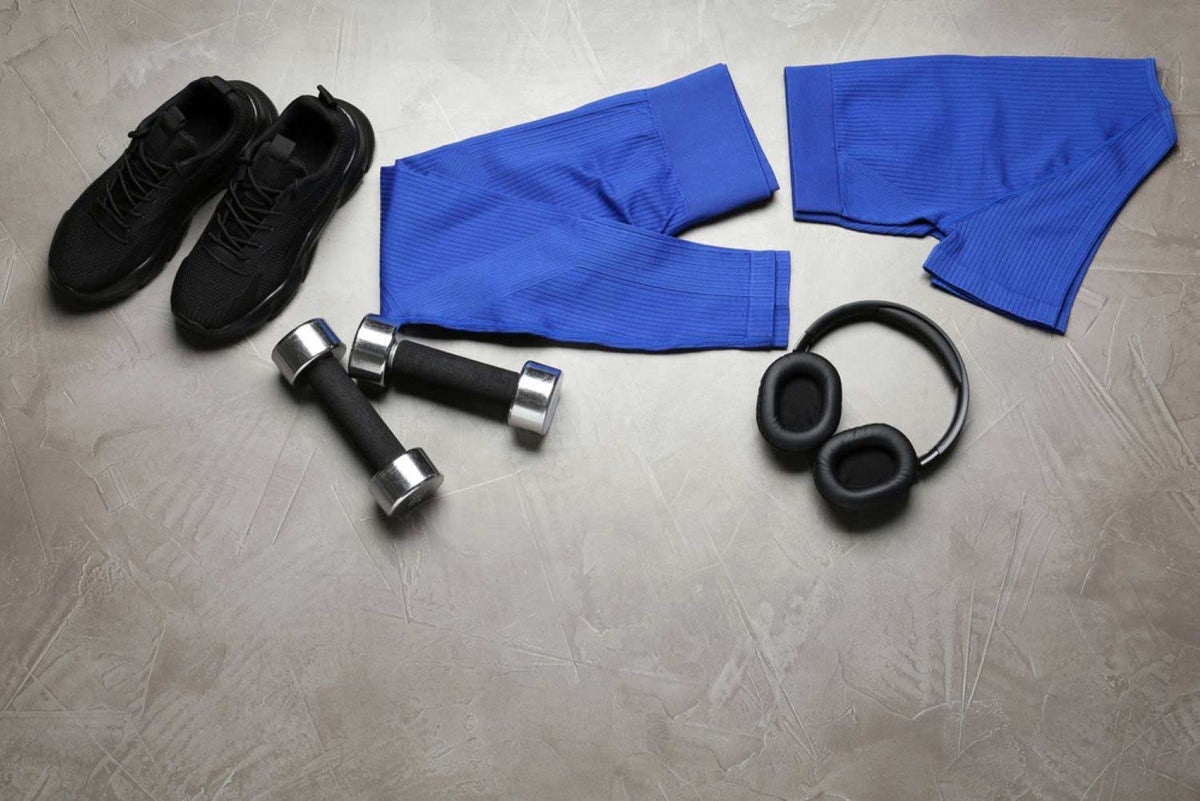
- Overlooking weather changes: Layering is key. Don’t forget jackets, long sleeves, or shorts for different seasons.
Credit: inphormnyc.com
How To Rotate And Care For Gym Clothes
Having the right number is only part of the answer. Knowing how to rotate and care for your gym wear helps them last longer and stay fresh.
- Rotate clothes: Try not to wear the same items back-to-back. This gives fabrics time to recover and keeps odors away.
- Quick dry: Hang sweaty clothes to air out if you can’t wash them right away.
- Follow washing instructions: Use cold water and skip fabric softeners, which can block sweat-wicking features.
- Replace when needed: If clothes lose their fit, stretch, or develop odors that don’t wash out, it’s time to replace them.
How Your Gym Clothes Needs Change Over Time
Your workout routine, lifestyle, and even your body may change. Here are some reasons you might need to adjust your gym wardrobe:
- Changing frequency: If you start going more (or less), you’ll need to add or remove sets.
- Different activities: Trying new workouts? You may need specific items, like padded cycling shorts.
- Weight changes: If your size changes, well-fitted clothes improve comfort and motivation.
- Seasons: Cold weather may require more layers, while summer may need lighter, faster-drying gear.
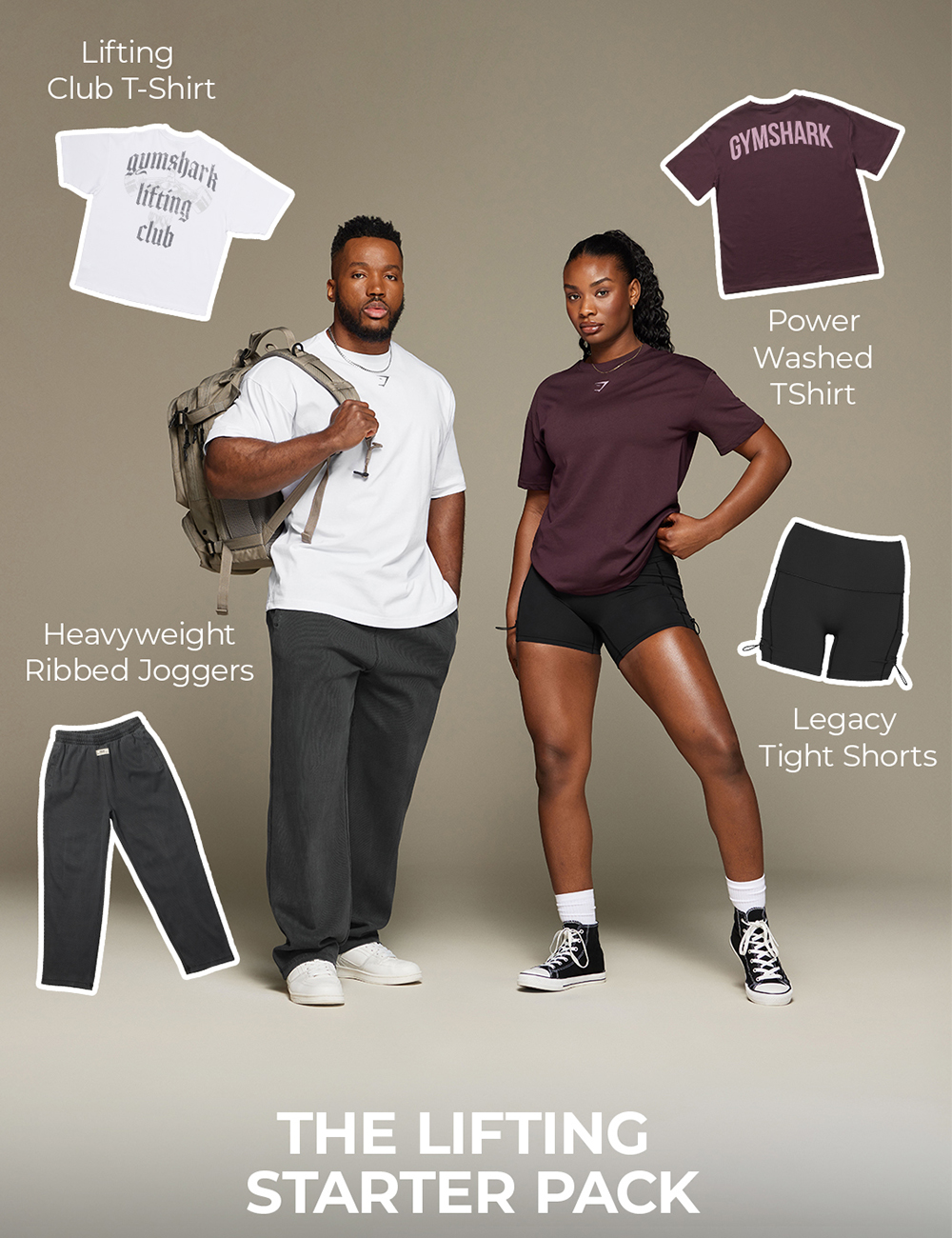
- Special events: Training for a marathon or joining a sports league could require extra items.
Credit: www.gymshark.com
Quality Vs. Quantity: What Matters More?
Many people ask whether it’s better to have a few high-quality pieces or lots of cheaper ones. The answer depends on your budget and needs.
Benefits Of Quality Gym Clothes
- Lasts longer: High-quality fabrics and stitching survive more washes.
- Better performance: Good workout gear is often more comfortable and effective at wicking sweat.
- Saves money over time: You replace them less often.
When Quantity Matters
- Busy schedules: If you can’t wash often, having more sets helps.
- Multiple workout types: Different activities may need different clothes.
A balanced approach works best: invest in a few quality basics, and add more as needed.
Comparing Gym Clothes Needs For Different Activities
Your ideal gym wardrobe changes depending on your main activity. Here’s a quick comparison to help you plan.
| Activity | Key Clothing Needs | Recommended Sets |
|---|---|---|
| Cardio (Running, HIIT) | Moisture-wicking tops, shorts, supportive bras | More tops and socks |
| Weightlifting | Flexible tops, leggings or shorts, gloves (optional) | Standard sets |
| Yoga/Pilates | Stretchy tops, leggings, fitted clothing | Standard sets, softer fabrics |
| Swimming | Swimsuits, cover-ups, flip-flops | At least 2 swimsuits |
| Outdoor training | Weatherproof layers, hats, gloves | Extra jackets/layers |
Specialized Gym Clothing: When Do You Need More?
Some people need extra items for special reasons. Consider adding these if they fit your routine:
- Compression wear: Helps with muscle recovery and comfort.
- Team uniforms: If you play in a league, you may need extra sets.
- Travel-friendly options: Quick-dry, lightweight clothes are handy for trips.
- Adaptive clothing: For those with medical needs or disabilities, special designs may be required.
Environmental Impact: How Many Gym Clothes Is Too Many?
Buying more than you need can harm the environment. Most workout clothes use synthetic materials that take a long time to break down. Try these tips to lower your impact:
- Buy only what you need: Follow the guides above to avoid waste.
- Choose quality: Durable clothes last longer, so you replace less often.
- Recycle: Donate or recycle old gym clothes when possible.
- Wash responsibly: Use cold water and avoid over-washing.
Real-world Examples: How People Build Their Gym Wardrobes
Let’s look at how three types of gym-goers manage their clothes:
Case 1: The Morning Runner
Maya runs five mornings a week before work. She does laundry on weekends, so she keeps:
- 5 moisture-wicking tops
- 3 pairs of shorts
- 2 long-sleeve shirts for cold days
- 5 pairs of socks
- 2 sports bras
She rotates tops and shorts to match the weather. On rainy days, she adds a lightweight jacket.
Case 2: The Lunchtime Lifter
Carlos lifts weights at lunch three times a week. He lives in a hot climate and prefers light, flexible clothes.
- 4 T-shirts
- 3 shorts
- 3 pairs of socks
He washes clothes twice a week and keeps an extra set in his gym bag in case he forgets to pack.
Case 3: The Yoga Lover
Tina does yoga and Pilates four times a week. She likes soft, stretchy fabrics and does laundry every four days.
- 4 tank tops
- 4 leggings
- 3 sports bras
She keeps one set at work for spontaneous sessions and switches to shorts in the summer.
These examples show how your routine, laundry habits, and preferences shape your wardrobe.
The Financial Side: How Much Should You Spend On Gym Clothes?
A complete gym wardrobe doesn’t have to be expensive. Here’s a breakdown of typical costs:
| Item | Average Price Range (per piece) | How Many Needed | Total Estimated Cost |
|---|---|---|---|
| Workout Top | $15–$40 | 3–7 | $45–$280 |
| Bottoms | $20–$50 | 2–6 | $40–$300 |
| Sports Bra | $20–$60 | 2–6 | $40–$360 |
| Socks | $3–$10 | 4–8 | $12–$80 |
| Jacket/Hoodie | $30–$70 | 1–2 | $30–$140 |
Quality matters more than quantity if you’re on a budget. Start with fewer pieces, then add as you learn what you actually wear most.
Surprising Insights Most People Miss
- Odor control depends on material, not just washing. Synthetic fabrics can trap smells, even if you wash them often. Natural fibers like bamboo or merino wool resist odor better.
- Clothes wear out faster if you don’t rotate. Using the same set every day makes them lose shape and function quickly.
- You don’t need one set per workout—if you plan carefully. If you work out both morning and evening, you can sometimes reuse jackets or outer layers.
How To Store And Organize Your Gym Clothes
A tidy gym wardrobe saves time and keeps clothes fresh. Here are some practical tips:
- Separate by type: Keep tops, bottoms, and socks in different drawers or sections.
- Use mesh laundry bags: For small items like socks and sports bras.
- Hang jackets and hoodies: They keep their shape better on hangers.
- Pack a gym bag: Always keep one full set ready for last-minute sessions.
- Store out-of-season clothes: Put winter gear away when it’s hot, and vice versa.
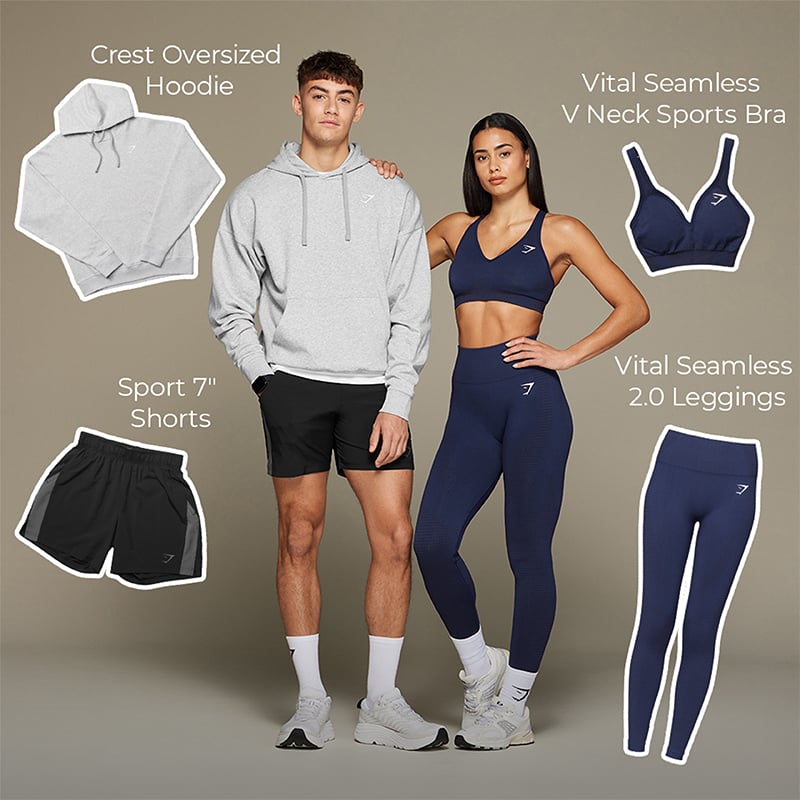
These habits make dressing for the gym quick and easy.
Credit: www.gymshark.com
Frequently Asked Questions
How Often Should I Replace My Gym Clothes?
You should replace gym clothes when they lose their shape, support, or begin to smell even after washing. For most people, this means every 6–12 months for tops and sports bras, and every 1–2 years for bottoms and jackets, depending on use.
Can I Wear The Same Gym Clothes For Different Workouts?
Yes, many gym clothes are versatile. Moisture-wicking tops and leggings work for cardio, weightlifting, and yoga. However, some activities may need special gear, like padded shorts for cycling.
Is It Bad To Wear Gym Clothes More Than Once Before Washing?
It’s best to wash gym clothes after every use, especially if you sweat a lot. Wearing them twice can cause odors and skin irritation. But if you barely sweat, wearing them again is sometimes okay—just check for smell and stains.
What’s The Best Fabric For Gym Clothes?
Synthetic fabrics like polyester and nylon are good for wicking sweat. Natural fibers like bamboo and merino wool are odor-resistant and soft. Choose the fabric that fits your comfort and activity type.
Where Can I Find More Information About Caring For Gym Clothes?
You can find more tips on proper care and washing instructions at REI’s workout clothing care guide.
Having the right number of gym clothes is all about balance. Start with the basics, adjust as your routine changes, and focus on quality. With smart planning, you’ll always have something clean, comfortable, and ready to wear—so you can focus on your fitness, not your laundry.
