

How Many Gym Clothes Do You Really Need? Fitness Essentials Guide
How Many Gym Clothes Do You Really Need? A Complete Guide
Starting a fitness journey or keeping up with regular workouts means facing one question: how many gym clothes do you actually need? Maybe your drawer is overflowing with old t-shirts, or you’re tired of washing sweaty leggings every other day. Deciding the right number of workout outfits can be confusing—especially when you want to balance convenience, hygiene, style, and your budget.
This guide breaks down everything you need to know about gym clothes: how many pieces are enough, what types matter most, and how your habits influence your wardrobe. You’ll discover smart tips, common mistakes people make, and the non-obvious details that help you get the most out of every gym session. Whether you exercise three times a week or daily, this article will help you build a gym wardrobe that works for you.
Why The Number Of Gym Clothes Matters
Choosing the right amount of gym clothes is more important than many realize. If you have too few, you’ll end up washing clothes all the time or, worse, wearing dirty outfits. Too many, and you waste money and space. The right number keeps your routine simple and supports your fitness goals.
Hygiene And Comfort
Wearing clean gym clothes each session helps prevent skin problems like rashes and body acne. Sweat and bacteria build up quickly on activewear. Fresh outfits also feel better, boost your mood, and keep you confident in the gym.
Laundry Frequency
If you do laundry often, you need fewer clothes. But if you wash once a week (or less), you’ll want more options. Your laundry habits are a key factor in your gym wardrobe size.
Variety And Motivation
Wearing the same clothes can feel boring. A few extra choices—different colors, styles, or patterns—keep things interesting. For some, new or favorite gym clothes are a real motivation booster.
Space And Budget
Buying too many gym clothes can make your drawers messy and cost more in the long run. Finding a balance means you get what you need without waste.
Factors That Affect How Many Gym Clothes You Need
There’s no magic number for everyone. The answer depends on your life, fitness routine, and personal habits. Let’s look at what really matters.
Workout Frequency
The more you exercise, the more outfits you need. Someone who hits the gym twice a week needs less than someone training daily.
- Working out 1-2 times per week: Fewer sets needed.
- 3-5 times per week: A moderate collection is smart.
- 6-7 times per week: Plan for a larger rotation.
Types Of Workouts
Sweaty activities like HIIT, running, or cycling mean you need fresh clothes each time. Low-sweat activities like yoga or stretching might allow you to re-wear some items if they still feel clean.
Climate And Season
Hot, humid weather means you’ll sweat more and need extra changes. In colder climates, you might add more layers, but those layers usually stay cleaner longer.
Laundry Schedule
If you wash clothes daily, you can get by with fewer items. But most people do laundry weekly, so plan accordingly.
Personal Preferences
Some people like matching sets and variety. Others prefer simplicity and repeat outfits. Go with what feels comfortable and manageable for you.
Gym Facilities
If your gym has showers and you change there, you may need more gym clothes, towels, or even double sets for commuting.
Non-obvious insight: Many people forget to count the transition time—if you work out before or after work, you may need extra outfits to avoid carrying sweaty clothes all day.
Essential Gym Clothes: What You Really Need
Let’s break down the main items you’ll want in your gym wardrobe. For each, we’ll cover how many you need based on usage and offer extra tips.
1. Workout Tops
These include t-shirts, tank tops, and long-sleeve shirts made of sweat-wicking material.
- Minimum: 3-4 tops (if washing weekly)
- Ideal: 5-7 tops (one for each workout day)
Tip: Avoid cotton for heavy workouts. It traps sweat and gets smelly fast. Choose polyester or blends designed for exercise.
2. Sports Bras (for Women)
A good sports bra is essential for comfort and support.
- Minimum: 2-3 bras
- Ideal: 4-5 bras (especially if you sweat a lot or do high-impact sports)
Non-obvious insight: Rotate your bras to help them last longer. Washing bras in a mesh bag and air-drying extends their life.
3. Workout Bottoms
This includes shorts, leggings, capris, or joggers.
- Minimum: 3-4 bottoms
- Ideal: 5-7 bottoms
If you do both indoor and outdoor workouts, mix in longer and shorter options.
4. Underwear
Some gym-goers wear special athletic underwear. Others use regular pairs.
- Minimum: 4-5 pairs set aside just for workouts
- Ideal: 7-10 pairs, if you exercise most days
Tip: Synthetic, moisture-wicking underwear reduces chafing and odors.
5. Socks
Sweaty feet can lead to blisters or fungus. Athletic socks matter more than you think.
- Minimum: 4-5 pairs
- Ideal: 7+ pairs (especially if you run or train daily)
Choose socks made for sports, not regular cotton.
6. Outer Layers
Depending on your climate: hoodies, jackets, or long-sleeve pullovers.
- Minimum: 1-2 outer layers
- Ideal: 2-3 for rotation, especially in cold weather
These don’t need washing after every use, unless they get sweaty.
7. Shoes
At least one pair of dedicated gym shoes. Runners or cross-trainers work for most people.
- Minimum: 1 pair
- Ideal: 2 pairs, if you do different types of workouts (running vs. lifting, for example)
Non-obvious insight: Rotating shoes helps them dry out and last longer.
8. Accessories
Not “clothes,” but important: hats, sweatbands, and gloves.
- Minimum: 1-2 each, if you use them
You don’t need many, but these small items can make workouts more comfortable.
Sample Gym Clothes Wardrobe For Different Lifestyles
To help you decide, here are examples based on common workout routines.
Light Exerciser (1-2 Times Per Week)
- 3 tops
- 2 bottoms
- 2 sports bras
- 3 pairs of socks
- 1 outer layer
- 1 pair of shoes
This is enough for a week, with one laundry cycle.
Moderate Exerciser (3-5 Times Per Week)
- 5-6 tops
- 4-5 bottoms
- 3-4 sports bras
- 5-6 pairs of socks
- 2 outer layers
- 1-2 pairs of shoes
You’ll always have a clean set, even if you skip laundry a few days.
Daily Trainer (6-7 Times Per Week)
- 7-8 tops
- 6-7 bottoms
- 5+ sports bras
- 7-10 pairs of socks
- 3 outer layers
- 2 pairs of shoes
This setup keeps you covered all week, with enough rotation to reduce wear and tear.
Gym Clothes For Special Activities
Some activities require extra items or special gear.
Running
- More socks (double up if doing long runs)
- Weather-specific layers (windbreaker, thermal leggings)
- Reflective gear for night runs
Swimming
- 2-3 swimsuits (they take time to dry)
- Swim cap and goggles
Hot Yoga
- Extra towels
- Lightweight, quick-dry tops and shorts
- Grippy socks or gloves
Outdoor Training
- Layered clothing for changing weather
- Sun protection (hat, long sleeves)
Non-obvious insight: If you do different activities, count your gear separately. Running shorts may not work for yoga, and swimwear doesn’t replace standard gym outfits.
How Many Gym Clothes For Each Season?
Your needs can change with the weather. Let’s look at how to plan.
Warm Weather
- More lightweight tops and shorts
- Fewer outer layers
- Add sweatbands or hats
Cold Weather
- More layering pieces (long sleeves, thermal leggings)
- Outer jackets
- Thicker socks
Tip: Store off-season gym clothes so your activewear drawer isn’t crowded.
Gym Clothes For Different Gym Habits
Not everyone uses the gym the same way. Here’s how your habits can affect what you need.
Morning Exercisers
If you shower and change at the gym, you’ll need more clothes (and maybe a gym bag for dirty items).
After-work Gym-goers
You might need extra outfits for work and the gym, especially if you don’t go home first.
Home Workout Fans
You might get by with fewer outfits, since you can change quickly or wash clothes more often.
Traveling Athletes
Pack quick-dry, versatile pieces. 2-3 sets can be enough if you wash clothes in a hotel sink.
How To Extend The Life Of Your Gym Clothes
Activewear can be expensive. Here’s how to make it last longer.
- Wash after every use. Sweat damages fabric over time.
- Avoid fabric softener. It clogs moisture-wicking fibers.
- Air dry when possible. High heat breaks down elastic.
- Separate gym clothes from regular laundry to avoid pilling and fading.
- Rotate outfits so you’re not overusing the same pieces.
Non-obvious insight: Washing gym clothes inside out helps protect the fabric and keeps prints or logos looking fresh.
Credit: inphormnyc.com
When To Replace Gym Clothes
Don’t wait until your activewear falls apart. Here are signs it’s time to buy new:
- Elastic has stretched out
- Smell doesn’t go away after washing
- Fabric is see-through or ripped
- Seams or stitching are coming undone
- Shoes lose support or grip
Tip: High-quality gym clothes can last longer, but even the best items need replacing with heavy use.
How To Choose Gym Clothes That Last
Not all gym clothes are created equal. Here’s what to look for:
- Moisture-wicking fabrics: Keeps sweat off your skin.
- Four-way stretch: Moves with your body.
- Flat seams: Prevents chafing.
- Reinforced stitching: Holds up to tough workouts.
- Proper fit: Not too tight or loose.
Try different brands and read reviews. Sometimes, paying a bit more upfront saves money in the long run.
Common Mistakes When Buying Gym Clothes
- Buying too many basics. People often buy lots of plain t-shirts but don’t invest in good bottoms or bras.
- Ignoring laundry needs. Not planning enough sets for your washing schedule leads to frustration.
- Choosing fashion over function. Cute outfits are nice, but comfort and performance matter more.
- Buying all the same color. Variety makes mixing and matching easier.
- Getting the wrong size. Too-tight clothes can rub; too-loose ones can get caught on machines.
Non-obvious insight: Try on your gym clothes and move around before buying. Jump, stretch, and bend to see if anything rides up or digs in.
Sample Gym Clothes Rotation Schedule
If you want to keep things organized, here’s a sample rotation for someone working out 5 days a week:
| Day | Top | Bottom | Sports Bra | Socks |
|---|---|---|---|---|
| Monday | Blue Tank | Black Leggings | High Impact | White Crew |
| Tuesday | Black Tee | Grey Shorts | Medium Impact | Black Ankle |
| Wednesday | Red Tank | Capri Leggings | High Impact | White Crew |
| Thursday | Green Tee | Navy Shorts | Low Impact | Grey Ankle |
| Friday | Purple Tank | Black Leggings | Medium Impact | White Crew |
This kind of schedule helps you keep track and avoid wearing the same outfit twice in a row.
How To Build A Minimalist Gym Clothes Wardrobe
If you prefer simplicity, you can keep a small, functional gym wardrobe:
- Choose neutral colors that mix and match easily.
- Pick multi-purpose pieces (for example, leggings that work for running and yoga).
- Stick to high-quality basics.
- Wash clothes more often to stay fresh.
A minimalist wardrobe might look like:
- 3 tops
- 3 bottoms
- 2 sports bras
- 3 pairs of socks
This works for those who exercise 2-3 times a week and do laundry often.
Gym Clothes For Different Budgets
You don’t have to spend a lot to get good gym clothes. Here’s a side-by-side look at options:
| Budget Level | Average Cost Per Item | Features | Downsides |
|---|---|---|---|
| Low | $10-$20 | Basic, functional | May wear out faster |
| Mid | $25-$50 | Moisture-wicking, better fit | Less style variety |
| High | $50-$100+ | Performance fabrics, stylish, durable | Higher cost |
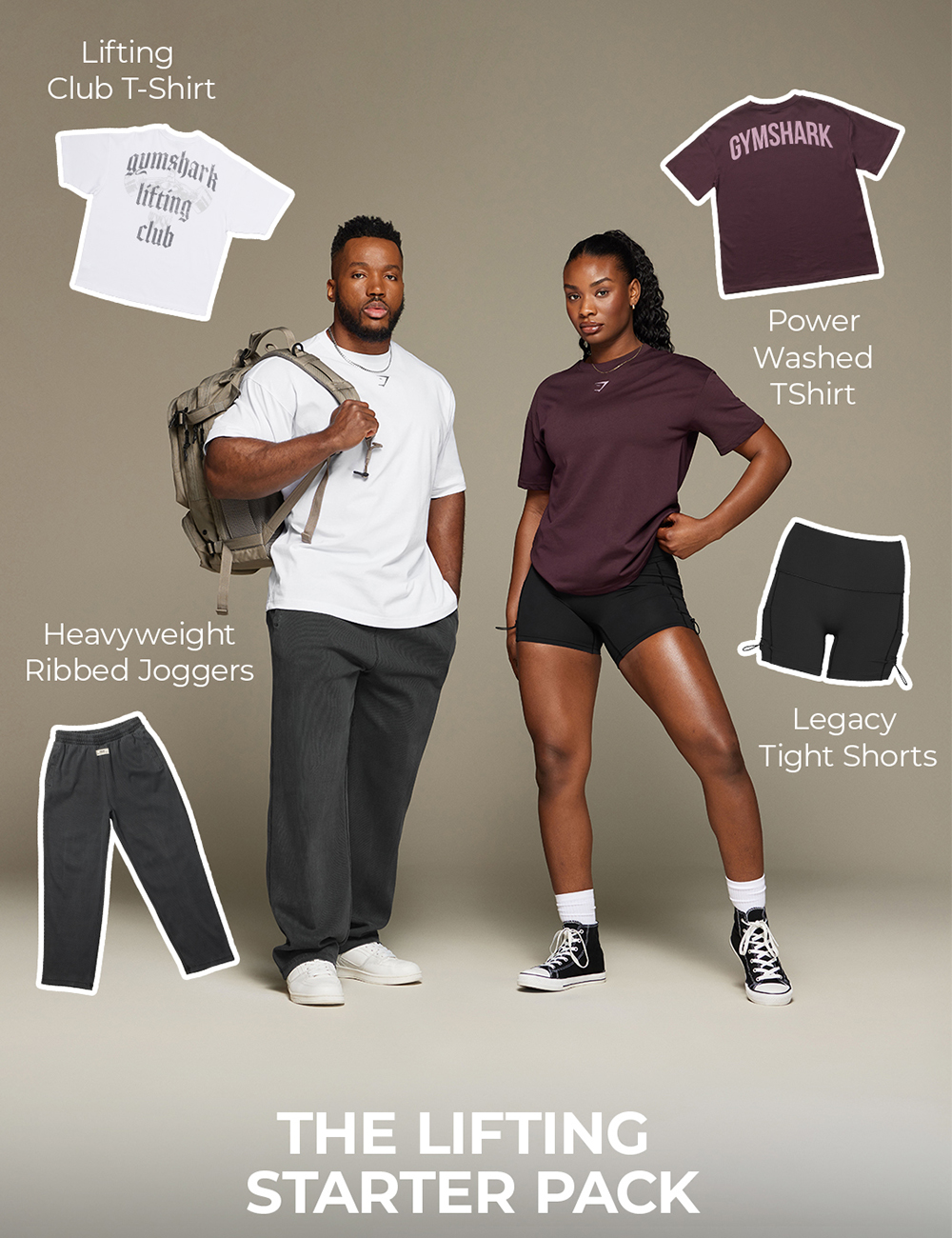
Tip: Mix and match. Buy basics at lower prices and invest in key pieces like shoes or sports bras.
Credit: uk.gymshark.com
Sustainability And Gym Clothes
Fast fashion leads to waste. Here’s how to make your gym wardrobe more eco-friendly:
- Buy less, choose well. Fewer, better items are more sustainable.
- Look for recycled fabrics. Many brands now offer this.
- Donate or recycle old clothes instead of throwing them away.
- Avoid frequent replacements by taking care of your gear.
Non-obvious insight: Some sports stores accept old gym shoes for recycling—even turning them into playground surfaces.
What To Do With Old Gym Clothes
When it’s time to say goodbye to old activewear, don’t toss it. Here are better options:
- Use as cleaning rags for home or car.
- Donate to animal shelters (they often need soft bedding).
- Check for textile recycling programs in your area.
- Repurpose into bags or patches for other clothes.
Credit: uk.gymshark.com
How Many Gym Clothes For Kids And Teens?
Young athletes need special consideration:
- Growth spurts mean more frequent replacements.
- Kids often sweat and get dirty faster.
- For school sports, you may need extra uniforms or team gear.
A good starting point:
- 5-7 tops
- 4-5 bottoms
- 5-7 pairs of socks
- 2-3 sports bras (if needed)
- 2 pairs of shoes (one for indoor, one for outdoor)
Tip: Choose adjustable waistbands and stretchy fabrics for growing kids.
Do You Need Branded Gym Clothes?
Not always. While some brands offer great quality, you can find excellent workout clothes without paying for a logo. Focus on:
- Comfort and fit
- Breathability and stretch
- Durability
If you prefer certain styles or features, it can be worth spending more. Otherwise, try different brands to find what works for you.
For more guidance on choosing activewear, check out this helpful REI Guide to Workout Clothes.
Frequently Asked Questions
How Often Should I Wash My Gym Clothes?
You should wash your gym clothes after every sweaty workout. Even if they don’t smell, sweat and bacteria can build up quickly. For light stretching or yoga, you might wear an item twice if it still feels clean.
Can I Wear Cotton Shirts To The Gym?
Cotton can be comfortable, but it absorbs sweat and dries slowly. For high-intensity workouts, synthetic fabrics like polyester or blends work better because they wick moisture and prevent odor.
How Do I Know When To Replace My Gym Shoes?
Replace gym shoes when the soles wear down, the support feels flat, or you notice pain after workouts. Most shoes last between 300 and 500 miles of running or about six months of regular use.
Is It Okay To Re-wear Gym Clothes Without Washing?
It’s best to wear clean gym clothes each session. Re-wearing sweaty clothes can lead to skin problems and unpleasant odors. Only re-wear if you didn’t sweat much and the item still smells fresh.
Do I Need Different Gym Clothes For Different Sports?
Yes, sometimes. Running, cycling, yoga, and swimming all have unique needs. For example, padded cycling shorts or moisture-wicking leggings can improve comfort and performance in specific sports.
No matter your fitness goals, having the right number of gym clothes makes your routine smoother and healthier. Take the time to build a wardrobe that fits your schedule, budget, and activities. You’ll feel better, perform better, and spend less time worrying about what to wear.
