

How Many Gym Clothes Do You Really Need? Essential Guide
How Many Gym Clothes Do You Really Need? A Complete Guide
Choosing the right number of gym clothes is not as simple as grabbing a few shirts and shorts. Many people struggle with having either too few gym outfits—leading to frequent laundry—or too many, wasting money and space. If you want to build a practical, comfortable, and efficient workout wardrobe, you need a clear plan. This guide will help you decide how many gym clothes are right for you, based on your routine, washing habits, and lifestyle. You’ll also learn how to pick the best gym clothes, avoid common mistakes, and keep your workout gear in good shape.
Why The Right Number Of Gym Clothes Matters
The number of workout outfits you own can impact your motivation and comfort. Owning too few means you might skip workouts because your clothes are dirty. Having too many can clutter your closet and drain your budget. Also, well-chosen gym clothes can help you perform better and feel more confident.
A study from the International Journal of Fashion Design found that comfortable athletic wear increases people's desire to exercise. But comfort is not just about the fabric—it's also about always having clean, ready-to-use clothes. Getting the right number helps you avoid stress and keeps your fitness journey smooth.
Factors That Affect How Many Gym Clothes You Need
There’s no single answer to “how many gym clothes do I need? ” because everyone’s routine and needs are different. Let’s look at the main factors that will guide your decision.
Workout Frequency
How often you exercise is the biggest factor. Someone who goes to the gym once a week needs fewer clothes than someone who works out daily.
- If you train 1–2 times a week, you may only need 2–3 outfits.
- For 3–4 workouts weekly, aim for 4–5 outfits.
- Daily exercisers should consider at least 6–7 complete gym sets.
Type Of Exercise
Different activities require different outfits. For example, yoga needs flexible, soft clothes while running demands moisture-wicking tops and bottoms.
- If you mix activities, you may need specialized gear for each type.
- High-intensity workouts often soak clothes in sweat, so you’ll need more changes.
Laundry Routine
How often you do laundry makes a big difference.
- If you wash clothes every day, you can get by with fewer gym clothes.
- If you do laundry once a week, you’ll need enough to last between washes.
Climate And Season
Weather affects what you wear to the gym. In hot climates, you’ll sweat more and need more changes. In cold weather, you might layer clothes.
- People in humid places often need extra tops and socks.
- Winter gym-goers might need more leggings or outer layers.
Personal Comfort And Hygiene
Some people feel fine re-wearing lightly used clothes, while others want a fresh set every session. Your comfort level with sweat and cleanliness will shape your gym wardrobe.
Storage Space
If you have a small closet, you may need to keep your gym wardrobe small and efficient.
Budget
Buying more clothes costs more money. It’s important to balance quality and quantity.
How Many Of Each Gym Clothing Item Do You Need?
Let’s break down the main gym clothing items and suggest how many of each you should own. These suggestions are for someone who works out 3–5 times a week and does laundry once per week. Adjust up or down based on your routine.
Tops
Workout tops include T-shirts, tank tops, and long-sleeve shirts. Most people sweat more from the upper body, so tops often need frequent changes.
- Recommended: 4–6 tops
If you sweat heavily or do high-intensity workouts, lean toward the higher end. For outdoor activities, include a few long sleeves or lightweight jackets.
Sports Bras (for Women)
Sports bras are essential for support and comfort. They need regular washing for hygiene.
- Recommended: 3–5 sports bras
If you work out daily, 5 is a good number. Rotate to avoid wear and tear.
Bottoms
This category includes shorts, leggings, and sweatpants.
- Recommended: 3–5 bottoms
Include a mix of lengths for different weather or workout types. Leggings are great for yoga or stretching, shorts for cardio, and sweatpants for warm-ups.
Socks
Socks get sweaty and dirty fast. Quality, moisture-wicking socks help prevent blisters and odor.
- Recommended: 5–7 pairs
If you often do double workouts in a day, you may want extra pairs.
Underwear
Some people use regular underwear; others prefer athletic underwear. Fresh underwear helps prevent irritation and infections.
- Recommended: 5–7 pairs
Choose materials that breathe and dry quickly.
Outerwear
Hoodies, jackets, or sweatshirts are useful for warming up or outdoor workouts.
- Recommended: 2–3 outer layers
These don’t need to be washed after every use unless they get very sweaty.
Shoes
You may need different workout shoes for running, lifting, or classes.
- Recommended: 1–3 pairs
One good pair is enough for most, but if you do multiple sports, consider specialized shoes.
Accessories
Items like headbands, hats, and gloves help with sweat or grip.
- Recommended: 2–3 of each accessory you use
For example, two sweatbands mean you always have a clean one ready.
Example Gym Wardrobe For Different Lifestyles
To make things clearer, here are example gym wardrobes for different types of gym-goers. These will help you see what fits your own routine.
The Casual Exerciser (1–2 Times Per Week)
- 2–3 tops
- 2 sports bras (if needed)
- 2 bottoms
- 3 pairs of socks
- 3 pairs of underwear
- 1 outer layer
- 1 pair of shoes
This simple setup covers all basic needs and keeps laundry easy.
The Regular Gym-goer (3–5 Times Per Week)
- 4–6 tops
- 3–5 sports bras
- 3–5 bottoms
- 5–7 pairs of socks
- 5–7 pairs of underwear
- 2 outer layers
- 1–2 pairs of shoes
This fits most people and keeps you ready for any gym day.
The Fitness Enthusiast (daily Or Twice Daily Workouts)
- 7–9 tops
- 5–7 sports bras
- 5–7 bottoms
- 7–9 pairs of socks
- 7–9 pairs of underwear
- 3 outer layers
- 2–3 pairs of shoes
Double workouts, classes, or outdoor training may require even more, but this covers most needs.
Data Table: Gym Clothes By Workout Frequency
To help you decide, here’s a quick reference for how many gym clothes you might need depending on workout days per week.
| Workout Days/Week | Tops | Bottoms | Socks | Sports Bras | Outer Layers |
|---|---|---|---|---|---|
| 1–2 | 2–3 | 2 | 3 | 2 | 1 |
| 3–5 | 4–6 | 3–5 | 5–7 | 3–5 | 2 |
| 6–7 | 7–9 | 5–7 | 7–9 | 5–7 | 3 |
How To Choose The Right Gym Clothes
Having the right quantity is important, but quality matters too. Here’s what to look for when buying gym clothes.
Material
Choose moisture-wicking fabrics like polyester or blends. Avoid 100% cotton for sweaty workouts, as it holds moisture and can cause chafing.
Fit And Comfort
Your clothes should move with you, not restrict you. Try different brands and sizes to find your perfect fit.
Durability
Workout clothes go through a lot of washing and stretching. Choose brands known for lasting quality.
Style And Confidence
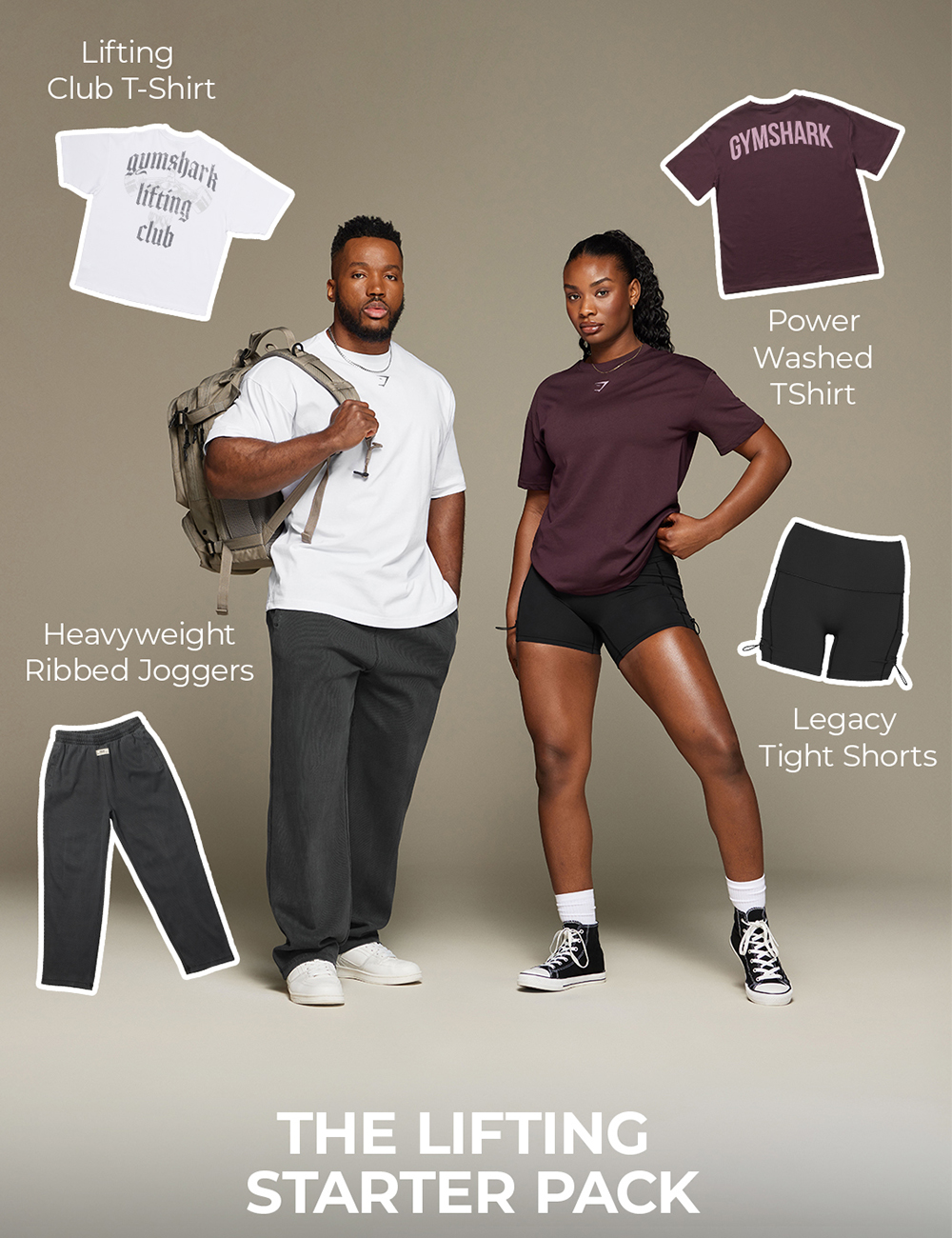
Wearing gym clothes you like can boost your motivation. Pick colors and patterns that make you feel good.
Price Vs. Value
Expensive doesn’t always mean better. Check reviews and test different items to find the best value.
Credit: uk.gymshark.com
Common Mistakes When Building A Gym Wardrobe
Avoid these errors to save money and enjoy your workouts more.
- Buying too many duplicates – Having 10 of the same shirt is wasteful. Choose a variety for flexibility.
- Ignoring laundry schedule – Not matching your wardrobe to your washing routine leads to running out of clothes or overbuying.
- Choosing the wrong fabric – Cotton T-shirts get heavy and uncomfortable when wet.
- Neglecting fit – Ill-fitting clothes can distract you or even cause injury.
- Skipping special gear – If you do yoga, cycling, or swimming, you’ll need the right clothes for each.
Caring For Your Gym Clothes
Proper care keeps your gym clothes fresh and lasting longer. Here are some tips:
- Wash after every use to remove sweat and bacteria.
- Air dry when possible. High heat can damage elastic fibers.
- Avoid fabric softeners—they can block moisture-wicking properties.
- Use a sports detergent if you notice odors building up.
- Turn clothes inside out before washing to protect colors and prints.
When To Replace Gym Clothes
Knowing when to say goodbye to old workout gear is important for comfort and hygiene.
- Replace sports bras every 6–12 months, or when support fades.
- Change out socks and underwear if they lose shape or get holes.
- Swap tops and bottoms when they feel loose, thin, or start to smell even after washing.
- Shoes should be replaced every 300–500 miles of running or when the support wears down.
Table: Signs You Need To Replace Gym Clothes
Here’s a quick look at when it’s time to refresh your wardrobe:
| Clothing Item | Sign to Replace | Typical Lifespan |
|---|---|---|
| Sports Bra | Lost support, stretched out | 6–12 months |
| Socks | Holes, loss of shape | 6–12 months |
| Tops/Bottoms | Odor, thin fabric, loose fit | 1–2 years |
| Shoes | Worn soles, less support | 300–500 miles use |
How To Save Money On Gym Clothes
Gym wear can get expensive. Here’s how to save without sacrificing quality:
- Shop sales and off-seasons. Look for last season’s colors or models.
- Choose basics. Classic colors mix and match well.
- Buy in bulk. Packs of socks or underwear are usually cheaper.
- Skip the “athleisure” trend if you’re on a budget—focus on practical items.
- Check reviews before buying unknown brands.
Special Situations: When You May Need More Gym Clothes
Certain lifestyles or events might mean you need extras:
- Traveling often – Pack extra clothes so you’re not forced to do laundry daily.
- Participating in sports teams – You may need uniforms or extra gear.
- Hot climates or outdoor workouts – Sweat more, need more changes.
- Training for a big event – You’ll probably work out more, needing more sets.
Non-obvious Insights Most Beginners Miss
- Workout clothes can double as casual wear. Many gym tops and leggings are stylish enough for errands or relaxing, so you can use them more often.
- Layering helps reduce the number of clothes needed. With a few versatile pieces, you can adjust to both cold and warm weather without needing extra outfits.
- Good socks prevent injury and discomfort. Many beginners forget socks matter as much as tops or leggings.
- Rotating shoes prolongs their life. Switching between two pairs gives each time to air out and recover shape.
- Investing in quality sports bras is worth it. Support and comfort pay off in the long run, especially for women.
Practical Examples: Balancing Your Gym Wardrobe
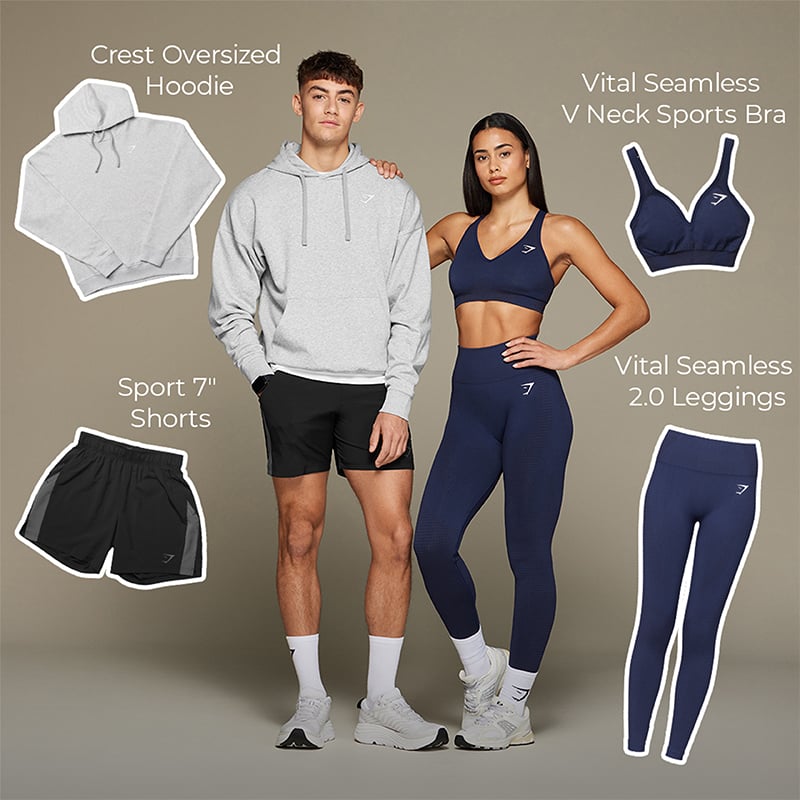
Imagine you do laundry every four days and work out five days a week. You’d want at least 5 tops and 5 bottoms. If your workouts include both running and yoga, you might need 3 running shorts and 2 yoga leggings.
Someone who works out less often or does laundry more often can get by with fewer items.
On the other hand, if you often forget to do laundry, having extra socks and sports bras saves you stress. If your gym bag is small, focus on lightweight, quick-dry materials that wash and dry easily.
Credit: uk.gymshark.com
Case Study: Building A Gym Wardrobe On A Budget
Sam is a college student who wants to start working out four times a week. He does laundry once a week and has a tight budget. Here’s how he builds his gym wardrobe:
- 4 moisture-wicking T-shirts (mix of new and thrifted)
- 2 pairs of shorts, 2 leggings for cold days
- 5 pairs of athletic socks (bought in a bulk pack)
- 5 pairs of quick-dry underwear
- 1 lightweight hoodie for outdoor runs
- 1 good pair of multipurpose gym shoes
Sam spends extra on shoes and socks, knowing they affect comfort and injury risk. He rotates outfits and washes them every week, keeping his wardrobe small but effective.
Table: Budget Vs. Premium Gym Wardrobe
See how a budget plan compares to a premium plan for a regular gym-goer:
| Item | Budget Wardrobe | Premium Wardrobe |
|---|---|---|
| Tops | 4 (basic, mix of sales and thrift) | 6 (branded, high-tech fabric) |
| Bottoms | 3 (generic, basic styles) | 5 (specialized for each sport) |
| Socks | 5 (bulk pack) | 7 (compression, anti-blister) |
| Shoes | 1 (multipurpose) | 2–3 (sport-specific) |
| Sports Bras | 3 (basic) | 5 (high-support, premium brands) |
| Outer Layers | 1 (basic hoodie) | 3 (weather-specific) |
When Less Can Be More
Minimalism is a growing trend, and it works for gym clothes too. With the right choices, you can keep your gym wardrobe small and still be ready for every session. Focus on:
- Quality over quantity
- Versatility (items that work for multiple activities)
- Careful planning (knowing your routine and laundry habits)
This approach saves money, space, and mental energy.
Where To Find More Guidance
Many athletic brands and fitness communities offer advice on choosing gym clothes. For more details on fabric technology and clothing care, check out this REI workout clothing guide.
Credit: inphormnyc.com
Frequently Asked Questions
How Often Should I Wash My Gym Clothes?
You should wash gym clothes after every use, especially items that get sweaty like tops, sports bras, socks, and underwear. This prevents odor and bacteria build-up. Outer layers can be washed less often if they don’t get sweaty.
Can I Wear The Same Gym Outfit More Than Once?
It depends on your sweat level and activity. For light workouts with little sweat, you might re-wear a top or bottom once. However, for hygiene and comfort, it’s best to use a fresh set each time, especially for socks and underwear.
Are Expensive Gym Clothes Worth It?
Price doesn’t always mean better quality. Some affordable brands offer great performance. Look for moisture-wicking, durable fabrics and good fit. Spend more on items that affect comfort or safety, like sports bras and shoes.
How Do I Keep My Gym Clothes From Smelling Bad?
Wash them quickly after use, avoid leaving them in a gym bag, and air-dry when possible. Use sports detergents if odor builds up. Turning clothes inside out before washing also helps.
What Is The Most Important Gym Clothing Item?
The answer depends on your body and workout, but supportive shoes and sports bras (for women) are often the most crucial. They prevent injury and discomfort, affecting your performance and enjoyment.
Building the right gym wardrobe is about balance—enough clothes to keep you comfortable, motivated, and hygienic, but not so many that they take over your space or budget. With these tips and examples, you’re ready to create a gym clothing collection that fits your lifestyle and helps you reach your fitness goals.
