

How Many Gym Clothes Do You Need for Every Workout Routine?
How Many Gym Clothes Do You Need
Choosing the right amount of gym clothes is more important than most people realize. If you have too few, you may run out of clean gear or feel uncomfortable during your workout. If you buy too many, you waste money and space. People often wonder: what’s the perfect number of gym outfits? The answer depends on your workout routine, washing habits, and personal style. In this guide, you’ll discover how to decide exactly how many gym clothes you need, plus tips for building your ideal wardrobe.
Why Your Gym Clothes Count Matters
Gym clothes are not just about looking good. They affect your comfort, hygiene, and motivation. Wearing clean, well-fitting gear can boost your confidence and help you focus. On the other hand, sweaty, stretched-out clothes can distract you or even cause skin problems.
Many beginners make the mistake of buying either too much or too little. Some think one set is enough, while others fill their closet with gear they rarely use. Finding the right balance saves you time, money, and hassle.
Factors That Influence How Many Gym Clothes You Need
Your ideal gym wardrobe depends on several factors. Let’s look at each one closely.
Workout Frequency
The first thing to consider is how often you exercise. If you hit the gym daily, you’ll need more clothes than someone who works out twice a week. Here’s a quick breakdown:
- 1-2 times per week: You can get by with 2-3 sets.
- 3-5 times per week: Aim for 4-6 sets.
- 6+ times per week: Consider 7-10 sets.
Having enough outfits prevents you from reusing dirty gear or doing laundry constantly.
Washing Schedule
How often you wash your gym clothes is a major factor. If you do laundry often, you can manage with fewer pieces. But if you wash once a week, you need enough to last until your next laundry day.
People with busy schedules often forget this detail. For example, if you work out five times a week and wash clothes once, you need five sets. If you wash mid-week, three sets may be enough.
Type Of Exercise
Different workouts require different clothing:
- Yoga/Pilates: Soft, stretchy fabrics. You may sweat less, so clothes can be reused.
- Cardio/HIIT: You sweat more, so you need more frequent changes.
- Weightlifting: You may wear looser clothing or layer up, which impacts your wardrobe.
- Outdoor sports: Weather matters. You need extra layers or rainproof gear.
Consider your main workout type and adjust your wardrobe accordingly.
Climate And Season
Where you live affects your clothing needs. In warm climates, you may need more shorts and tank tops. In cold areas, you need layers and jackets. Some people have separate gym wardrobes for summer and winter.
Personal Hygiene And Skin Sensitivity
If you sweat a lot or have sensitive skin, you should avoid reusing gym clothes. Wearing sweaty gear can cause rashes or odors. For these people, having extra sets is a must.
Style Preferences
Some people like matching outfits or certain colors. If you enjoy variety, you may want more options. Others stick to basics and rotate a few sets. Your style matters—make sure your wardrobe fits your personality.
Credit: kftbrands.com
Essential Gym Clothes And How Many Of Each
Let’s break down the main types of gym clothes and how many you should own. The numbers below are based on average gym-goers who exercise 3-5 times a week and wash clothes once weekly. Adjust these numbers for your routine.
Workout Tops
You need workout tops for every session. Sweat builds up fast, so reusing tops is not ideal.
- Basic recommendation: 4-6 tops
- If you sweat heavily: 6-8 tops
Choose moisture-wicking fabrics to stay comfortable.
Sports Bras (for Women)
A good sports bra is essential. It’s best not to reuse without washing.
- Minimum: 3 bras
- Ideal: 4-6 bras
If you do high-impact workouts, you may want more.
Bottoms: Shorts, Leggings, And Pants
For most people, gym bottoms can be worn twice if you don’t sweat much. Otherwise, change every session.
- Minimum: 3-4 bottoms
- Ideal: 5-7 bottoms
Mix shorts, leggings, and joggers depending on your workout and climate.
Socks
Never reuse gym socks. This can cause blisters or odor.
- Minimum: 5 pairs
- Ideal: 7-10 pairs
Look for athletic socks with good ventilation.
Underwear
Some people use special sports underwear. You’ll need a fresh pair for each workout.
- Minimum: 5 pairs
- Ideal: 7-10 pairs
Outer Layers: Jackets, Hoodies, Pullovers
You don’t need many outer layers unless you work out outdoors or in a cold gym.
- Minimum: 1-2 layers
- Ideal: 3-4 layers
Choose lightweight options for layering.
Accessories: Headbands, Gloves, Towels
Some accessories are optional, but having extras can help.
- Headbands: 2-3
- Gloves: 1-2 pairs (if you lift weights)
- Gym towels: 2-3
Sample Gym Wardrobe: Comparison Table
Here’s a simple comparison of gym wardrobe sizes for different workout frequencies.
| Workout Frequency | Tops | Bottoms | Socks | Sports Bras | Outer Layers |
|---|---|---|---|---|---|
| 1-2 times/week | 2-3 | 2-3 | 3 | 2 | 1 |
| 3-5 times/week | 4-6 | 4-6 | 5-7 | 3-5 | 2-3 |
| 6+ times/week | 7-10 | 7-10 | 7-10 | 6-8 | 3-4 |
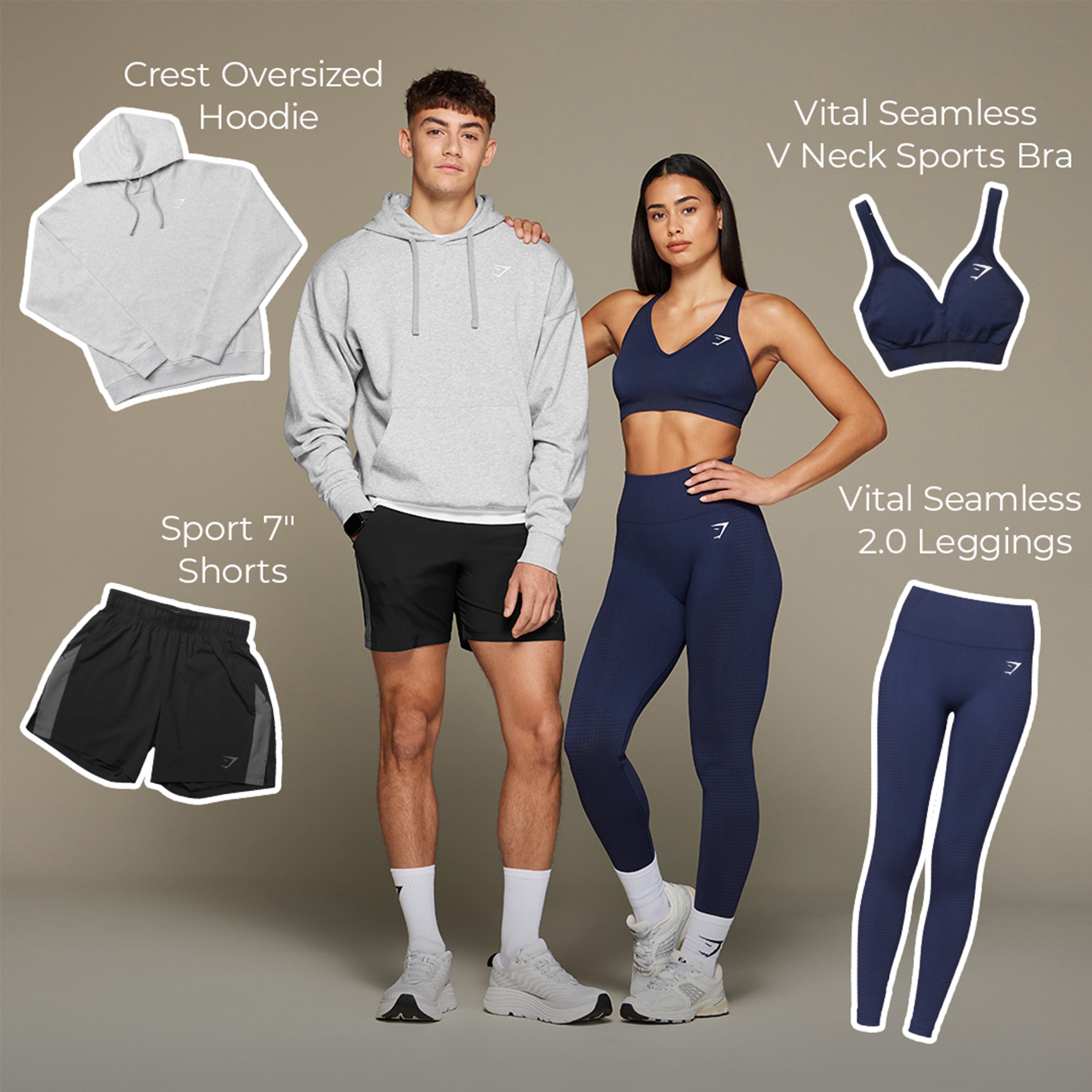
This table helps you estimate the number of gym clothes based on your schedule.
Credit: www.gymshark.com
Choosing Quality Vs Quantity
Should you buy lots of cheap gym clothes, or invest in fewer, high-quality pieces? This is a common question.
Quality Benefits
- Lasts longer
- Feels better
- Reduces odor
- Prevents skin irritation
High-quality fabrics dry faster and keep their shape. You may pay more, but you need to replace them less often.
Quantity Considerations
If you wash less often or sweat a lot, quantity matters. But don’t sacrifice comfort for numbers. Having a few good pieces beats having many poor-quality items.
Comparison Table: Cheap Vs Premium Gym Clothes
Let’s compare cheap and premium gym clothes side-by-side.
| Feature | Cheap Gym Clothes | Premium Gym Clothes |
|---|---|---|
| Price | $10-$20/item | $30-$80/item |
| Durability | Low | High |
| Comfort | Basic | Excellent |
| Odor Control | Poor | Good |
| Moisture Wicking | Limited | Advanced |
Premium gym clothes are a better investment for frequent exercisers.
Mistakes Beginners Make When Buying Gym Clothes
Many people make simple mistakes when building their gym wardrobe. Here are the most common errors—and how to avoid them.
- Buying too many items: It’s easy to get excited and buy every style and color. You only need enough for your weekly routine plus a few extras.
- Not considering laundry habits: If you don’t wash often, you need more sets. Plan your wardrobe around your laundry schedule.
- Ignoring fabric quality: Cheap fabrics may cause discomfort or odors. Spend a little more for materials like polyester or nylon blends.
- Overlooking fit and function: Clothes that are too tight or loose can distract you. Try on different styles and check their stretch and support.
- Skipping accessories: Small items like headbands, gloves, or towels can improve your workout experience.
- Forgetting about weather: If you exercise outdoors, buy appropriate outer layers. Don’t rely only on shorts and tees.
- Buying only one type of outfit: You may need different clothes for cardio, yoga, or lifting. Mix your wardrobe for flexibility.
How To Build Your Gym Wardrobe Step-by-step
Building your gym wardrobe doesn’t need to be overwhelming. Here’s a practical approach:
Step 1: Track Your Workout Routine
Write down how many times you exercise each week and what types of workouts you do. Note if you sweat a lot or need special gear.
Step 2: Plan Your Laundry Days
Decide how often you wash your gym clothes. This is your baseline for how many sets you need.
Step 3: Start With Essentials
Buy basic items first:
- 4-6 tops
- 4-6 bottoms
- 5-7 pairs of socks
- 3-5 sports bras (women)
- 2-3 outer layers
Stick to neutral colors so you can mix and match.
Step 4: Test And Adjust
Wear your clothes for a few weeks. Notice if you run out of clean gear or if any items are uncomfortable. Adjust your wardrobe as needed.
Step 5: Add Accessories
Buy headbands, gloves, towels, and other extras if you need them.
Step 6: Rotate And Replace
Replace worn-out items every 6-12 months. Keep your wardrobe fresh and functional.
Gym Clothes For Different Types Of Workouts
Different workouts demand different clothes. Let’s break down what you need for popular activities.
Cardio Workouts
Cardio makes you sweat more. You need moisture-wicking tops and comfortable bottoms.
- 6-8 tops
- 6-8 bottoms
- 7-10 pairs of socks
Choose light fabrics like polyester or mesh.
Weightlifting
Weightlifting requires flexible, fitted clothes. You may wear sleeveless tops or shorts.
- 4-6 tops
- 4-6 bottoms
- Gloves (optional)
Pick clothes that don’t restrict movement.
Yoga And Pilates
Yoga needs stretchy, soft fabrics. Many people reuse outfits since sweat is less intense.
- 3-5 tops
- 3-5 bottoms
- 2-3 bras
Look for leggings and fitted tees.
Outdoor Sports
Outdoor workouts require weather-proof gear.
- 3-5 tops
- 3-5 bottoms
- 3-4 outer layers
- 2-3 hats or headbands
Water-resistant jackets and breathable fabrics are key.
Tips For Saving Money On Gym Clothes
You don’t need to spend a fortune on gym gear. Here are smart ways to save:
- Shop during sales: Look for deals at sports stores or online outlets.
- Buy in bulk: Many brands offer discounts for buying sets.
- Choose multi-purpose pieces: Pick items you can wear for different workouts.
- Skip trendy designs: Focus on basic colors and styles.
- Take care of your clothes: Wash with cold water and air dry to extend lifespan.
Gym Clothes And Hygiene
Clean gym clothes are vital for hygiene. Wearing dirty gear can cause skin problems or infections. Here are some hygiene tips:
- Wash after every workout: Don’t reuse sweaty clothes.
- Use a separate laundry basket: Keep gym gear apart from regular clothes.
- Air dry when possible: This prevents bacteria buildup.
- Choose odor-resistant fabrics: Materials like bamboo or polyester help.
Gym Clothes And Motivation
Your gym wardrobe can affect your motivation. Wearing fresh, comfortable clothes makes you more likely to stick to your routine. Some people find that buying new gear inspires them to exercise more.
If you feel bored with your wardrobe, add a few new pieces or colors. But don’t buy too much—focus on quality and fit.
How Often Should You Replace Gym Clothes?
Gym clothes wear out faster than regular clothes. Sweat, friction, and frequent washing break down fabrics. Here’s how often you should replace different items:
- Tops and bottoms: Every 6-12 months
- Sports bras: Every 6 months (especially for high-impact workouts)
- Socks and underwear: Every 6 months
- Outer layers: Every 1-2 years
Watch for signs of wear like stretched fabric, fading, or persistent odor.
Practical Insights Most Beginners Miss
Many gym-goers overlook these points:
- You don’t need duplicates of every item. A few outer layers or accessories are enough.
- Mix-and-match saves space and money. Neutral colors and basic styles let you create multiple outfits from fewer pieces.
- Gym clothes can be used for other sports. You don’t need separate wardrobes for running, yoga, or cycling unless the activity is highly specialized.
Gym Clothes For Travel And On-the-go
If you travel often or use the gym at work, plan your wardrobe carefully. Choose lightweight, wrinkle-resistant pieces. Pack 2-3 sets and wash them at your destination. Compression bags help save space.
Credit: inphormnyc.com
Environmental Impact Of Gym Clothes
Buying too many gym clothes increases waste. Most athletic fabrics are synthetic, which can harm the environment. Try to:
- Buy quality pieces that last longer
- Donate old clothes instead of throwing them away
- Choose brands that use recycled materials
For more information on sustainable gym gear, check this Wirecutter guide.
Data Table: Average Gym Wardrobe Survey
A recent survey of gym-goers found these averages:
| Item | Average Owned | Recommended |
|---|---|---|
| Tops | 5 | 4-6 |
| Bottoms | 4 | 4-6 |
| Socks | 8 | 5-7 |
| Sports Bras | 3 | 3-5 |
| Outer Layers | 2 | 2-3 |
Most people own close to the recommended number, but some overbuy socks or underbuy bras.
Frequently Asked Questions
How Many Gym Outfits Should I Own If I Work Out Daily?
If you work out every day and wash your clothes once a week, you should have at least seven sets (tops, bottoms, socks, sports bras). Having a couple of extras is helpful in case you miss laundry day or need a backup.
Is It Okay To Reuse Gym Clothes Without Washing?
It’s not recommended, especially for tops, bras, socks, and underwear. Sweat can cause bacteria buildup and odor. Bottoms may be reused once if you don’t sweat much, but clean gear is best for hygiene.
What’s The Best Fabric For Gym Clothes?
Moisture-wicking materials like polyester, nylon, and bamboo are ideal. They keep you dry, reduce odor, and last longer. Cotton absorbs sweat and takes longer to dry, so it’s less suitable for intense workouts.
How Do I Save Money When Buying Gym Clothes?
Shop during sales, buy multi-purpose items, and avoid trendy designs. Take care of your clothes by washing them properly and air drying. Premium pieces last longer, so sometimes spending more saves money over time.
How Do I Know When To Replace Gym Clothes?
Replace gym clothes when they become stretched, faded, or develop persistent odor. Sports bras and socks wear out fastest. Most items need replacing every 6-12 months, depending on usage and washing.
Building the right gym wardrobe is a balance of comfort, hygiene, and practicality. Choose the number of clothes based on your routine and washing habits. Focus on quality and fit, not just quantity. With the right pieces, you’ll feel motivated and ready for any workout.
Remember, less can be more—especially if you pick the best gym clothes for your needs.
