

How Many Gym Clothes Do I Need for an Effective Workout Routine?
How Many Gym Clothes Do I Need
Stepping into a fitness journey brings many questions, but one of the most practical is: How many gym clothes do I need? Maybe you’ve just joined a gym, or perhaps you’re starting to exercise at home. At first, it seems simple—just grab a shirt and shorts. But after a week of sweaty workouts, laundry piles, and forgotten socks, you realize it’s not so easy. The right number of gym outfits saves time, keeps you comfortable, and helps you stick to your routine. This guide explains everything you need to know, with expert tips, real-life examples, and honest advice to help you build a gym wardrobe that fits your life.
Why The Right Number Of Gym Clothes Matters
Having the right amount of gym clothes isn’t just about fashion or looking good. It’s about hygiene, motivation, and practicality.
- Hygiene: Wearing clean clothes every workout helps prevent skin problems and odor.
- Motivation: Fresh, comfortable clothes can boost your confidence and make you more likely to show up.
- Practicality: The right number of outfits means less stress about laundry or running out of clothes.
If you have too few, you might skip workouts or keep re-wearing sweaty gear. Too many, and your closet overflows with unused items. Striking the right balance is key.
Factors That Decide How Many Gym Clothes You Need
The right answer is different for everyone. Here are the main factors to consider:
1. Workout Frequency
The more days you exercise each week, the more clothes you’ll need. If you train daily, you’ll need more tops, bottoms, and socks than someone who works out twice a week.
2. Type Of Exercise
Certain activities are sweatier or tougher on clothing.
- Cardio (running, cycling): Usually sweat more, so you need more tops and socks.
- Strength training: May not sweat as much, so some items can be reused.
- Yoga or Pilates: Clothes stay cleaner, but you want flexible, fresh gear.
3. Laundry Habits
If you do laundry often, you can manage with fewer items. If you prefer weekly laundry, you need more.
4. Climate And Season
In hot weather, you’ll sweat more and may need to change clothes more often. Winter may require layers, meaning you need extra items like hoodies or long-sleeve shirts.
5. Personal Preferences
Some people are fine reusing lightly worn shirts; others want everything fresh every time. Be honest with yourself about your comfort and standards.
6. Gym Or Home Workouts
If you work out at home, you might be more relaxed about repeating outfits. If you go to a gym, you may want more variety.
Insight: Many beginners forget to count socks and sports bras (for women). These need to be changed just as often, if not more.
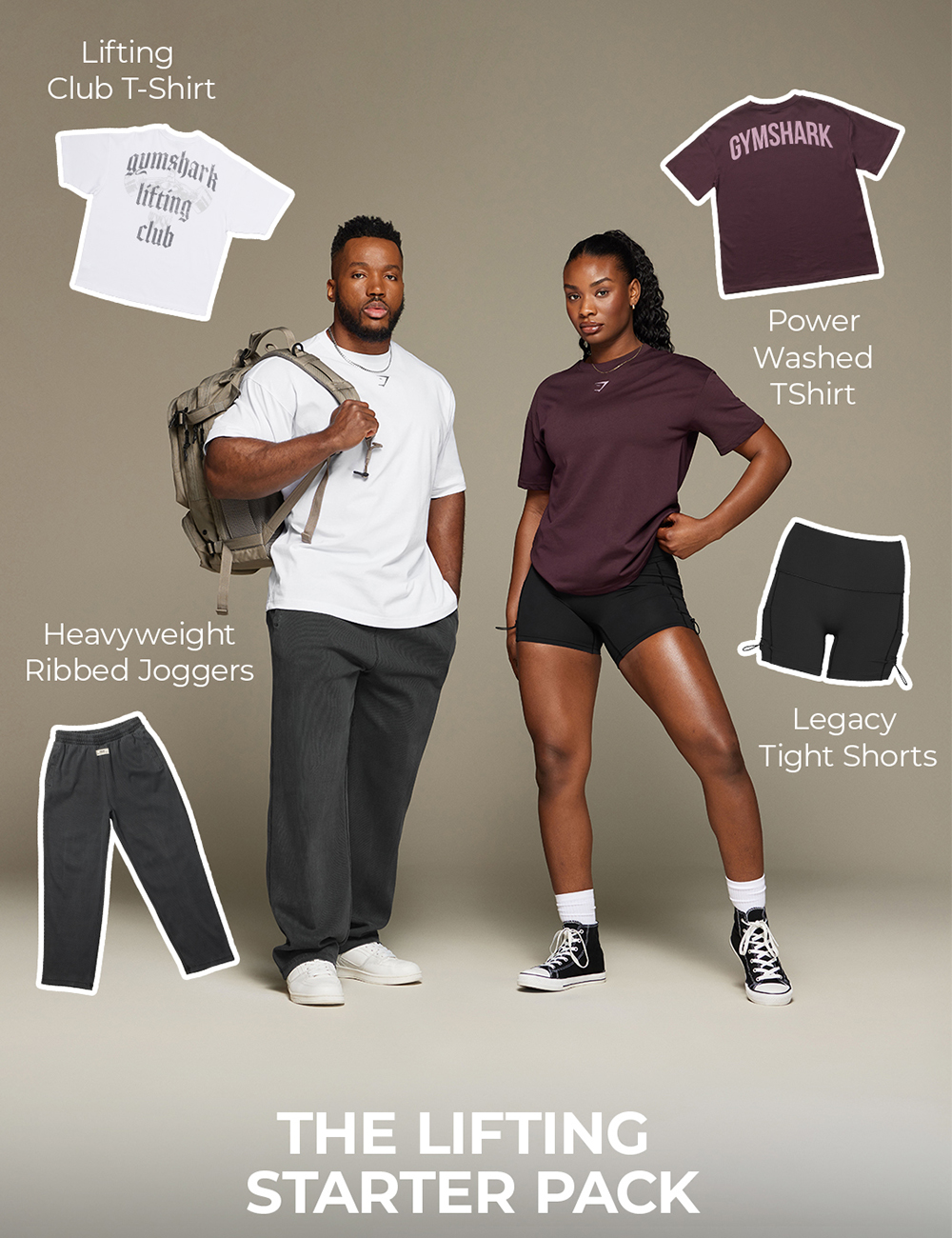
Credit: www.gymshark.com
The Essential Gym Wardrobe: What You Really Need
Let’s break down the basic items everyone should consider:
Tops
- T-shirts or Tank Tops: Breathable, sweat-wicking, comfortable.
- Long-Sleeve Shirts: For cooler weather or outdoor workouts.
Bottoms
- Shorts: Good for most activities.
- Leggings or Tights: Ideal for flexibility and comfort, especially in yoga, pilates, or colder weather.
- Sweatpants or Joggers: For warm-up, cool-down, or outdoor training.
Underwear
- Sports Bras (for women): Essential for support and comfort.
- Athletic Underwear: Moisture-wicking, seamless styles prevent chafing.
Socks
Sweat-wicking, cushioned socks are important for foot health.
Outerwear
- Hoodies or Jackets: For warming up or winter training.
- Windbreaker or Rain Jacket: If you exercise outdoors.
Accessories
- Headbands or Caps: Keep sweat and hair out of your face.
- Gym Bag: To carry your gear.
- Towels: For wiping sweat or showering after your workout.
Suggested Quantities: A Practical Guide
So, how many of each do you actually need? Here’s a practical starting point for someone who works out 3–5 times per week:
| Item | Recommended Minimum | For Daily Workouts | Notes |
|---|---|---|---|
| Tops (T-shirt/Tank) | 3–5 | 5–7 | More if you sweat heavily or do laundry less often |
| Bottoms (Shorts/Leggings) | 2–4 | 4–6 | Leggings need more frequent washing |
| Sports Bras | 3–5 | 5–7 | Should be changed every session |
| Socks | 4–6 | 7+ | Change every workout for hygiene |
| Hoodie/Jacket | 1–2 | 2 | Rotate for washing |
| Gym Towel | 2 | 3 | Wash after each use |
Tip: If you sweat a lot or have sensitive skin, err on the side of more—especially for underwear and socks.
Gym Clothes For Different Workout Schedules
Your workout routine shapes your wardrobe. Let’s look at common schedules:
If You Work Out Twice A Week
You can manage with:
- 2–3 tops
- 2 bottoms
- 2–3 sports bras (for women)
- 3–4 pairs of socks
Laundry once a week is enough. This is the bare minimum.
If You Work Out 3–5 Times A Week
You’ll need:
- 3–5 tops
- 3–4 bottoms
- 4–5 sports bras
- 5–6 pairs of socks
You might still do laundry weekly, but you won’t run out.
If You Work Out Daily
Aim for:
- 6–7 tops
- 5–6 bottoms
- 6–7 sports bras
- 7+ pairs of socks
This way, you can always wear fresh clothes, even if laundry waits until the weekend.
Insight: Many forget that sweat-wicking fabrics can hold odor after a few uses. Having enough clothes helps you avoid wearing smelly gear.
How Often Should You Wash Gym Clothes?
Hygiene comes first: Always wash clothes after each sweaty session. Sweat, bacteria, and dead skin cells build up, causing odor and possible skin irritation.
- Tops, bottoms, underwear, socks: Wash after each use.
- Outerwear: Wash after 2–3 uses unless soaked with sweat.
If you only have a couple of gym outfits, you’ll be doing laundry frequently—or wearing dirty clothes. If you have more, you can wash everything together once or twice a week.
Common Mistakes When Choosing Gym Clothes
It’s easy to make mistakes when building your gym wardrobe. Here are some pitfalls to avoid:
- Buying Too Many at Once
- Start with the basics. Only add more when you see what you actually use.
- Ignoring Fabric Quality
- Cheap cotton holds sweat and odor. Invest in moisture-wicking, quick-dry fabrics for tops, bottoms, and socks.
- Forgetting About Underwear and Socks
- These need frequent washing. Buy a few extra pairs.
- Not Considering Your Workout Type
- Runners may need more tops; yoga fans need flexible leggings.
- Skipping on Support
- Women need enough sports bras. Don’t try to stretch one for multiple days.
- Neglecting Accessories
- Not having a gym towel, headband, or gym bag can make workouts less comfortable.
- Thinking Quantity Over Quality
- A few good-quality pieces last longer and perform better than a drawer full of cheap clothes.
Practical Tip: Try buying one new item at a time and see how it fits your routine. This stops you from wasting money.
What Makes A Good Gym Outfit?
Not all clothes are equal. Here’s what to look for:
- Moisture-Wicking Fabric: Keeps you dry and comfortable.
- Stretch and Flexibility: Allows full range of motion.
- Proper Fit: Not too tight, not too loose.
- Durability: Withstands frequent washing and tough workouts.
- Odor Resistance: Some fabrics are treated to prevent odor build-up.
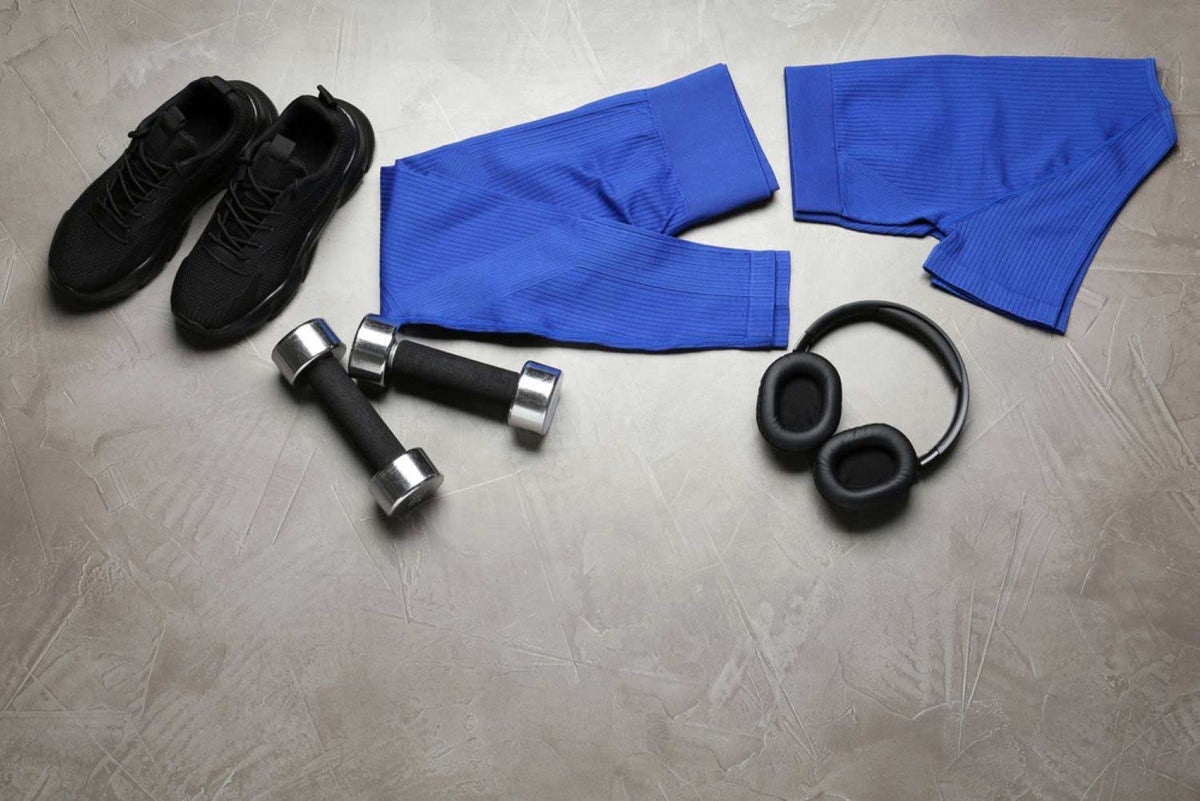
Look for brands that specialize in athletic wear. You don’t need to buy the most expensive, but the cheapest is rarely the best.
Credit: inphormnyc.com
Examples: Gym Wardrobes For Different Lifestyles
Student On A Budget
- 3–4 tops
- 2 bottoms
- 3 sports bras
- 4–5 socks
- 1 hoodie
- 1 gym bag
Does laundry once a week. Repeats outfits but stays hygienic.
Busy Professional
- 5–6 tops
- 4–5 bottoms
- 5 sports bras
- 6–7 socks
- 2 hoodies/jackets
- 2 gym towels
Prefers to do laundry less often, needs enough gear for after-work sessions.
Outdoor Enthusiast
- 5 moisture-wicking tops
- 4 shorts/leggings
- 2–3 long-sleeve shirts
- 2 jackets (one rainproof)
- 6–7 socks
- 2 hats or caps
Needs extra layers for changing weather and backup for dirty/rained-on clothes.
Non-obvious tip: If you work out outdoors, keep a spare set in your car or bag in case weather changes or you get wet.
Seasonal Changes And Gym Clothing
Your wardrobe might need to grow in winter or summer.
Warm Weather
- More lightweight, breathable tops
- Extra socks (for sweaty feet)
- Cap or headband
Cold Weather
- Long sleeves, thermal leggings
- Extra hoodie or jacket
- Gloves and hats if training outside
Pro insight: Layering is key. You don’t need to double your wardrobe—just add a few versatile pieces.
Gym Clothes For Women: Special Considerations
Women’s gym clothing needs special attention, especially with sports bras and leggings.
- Sports bras: Must be washed after each wear. More is better, especially for intense workouts.
- Leggings: Often worn for all activities. More pairs may be needed if you do multiple classes per week.
- Tops: Loose or fitted, based on comfort and activity.
Women may also want variety for style, but function comes first.
Gym Clothes For Men: What To Focus On
Men’s basics are simpler, but still important.
- Tops: T-shirts or tanks, quick-dry preferred.
- Shorts: With pockets for convenience.
- Compression shorts: Optional for extra support.
- Socks: Change every session.
Men might need fewer style options, but should still have enough for clean, fresh outfits every workout.
Should You Rewear Gym Clothes?
It’s tempting to wear that shirt or shorts twice if they don’t seem dirty. Here’s what to consider:
- If you sweat a lot: Always change.
- If it’s a light session with little sweat: Air out, but don’t rewear more than once.
- Underwear and socks: Always clean, every session.
Wearing dirty gym clothes increases the risk of skin infections and body odor. It’s not worth the risk.
Upgrading And Rotating Your Gym Wardrobe
Gym clothes wear out faster than regular clothes. Check for:
- Stretch loss in leggings or bras
- Fading or thinning fabric
- Lingering odor after washing
Replace items when they stop performing. Rotate your wardrobe by moving older pieces to backup or at-home use, and bring in new items for main workouts.
Tip: Buy new socks and underwear every few months. These make a bigger difference than most people realize.
Budgeting For Gym Clothes
You don’t need to spend a fortune. Here’s how to be smart:
- Prioritize essentials: Start with enough for your workout schedule.
- Invest in quality for key items: Good bras, leggings, and socks are worth it.
- Look for sales or outlet stores: Athletic brands often discount last season’s styles.
- Mix and match: Choose colors and styles that work together.
If your budget is tight, build your wardrobe slowly. Quality beats quantity.
Caring For Your Gym Clothes
Make your clothes last longer with good habits:
- Wash immediately after use to prevent odor and bacteria build-up.
- Avoid fabric softener: It can damage moisture-wicking fabric.
- Air dry instead of using a hot dryer.
- Turn clothes inside out to protect prints and fabrics.
Extra tip: Use a sports detergent for deep cleaning. This helps remove sweat and odor.
When To Add More Clothes
You might need to increase your wardrobe if:
- You start working out more often.
- You join different classes needing different gear (e.g., swimming, yoga, HIIT).
- Your routine changes with the seasons.
Listen to your body and schedule. Add new pieces when you feel you’re always out of clean gear.
Why Quality Beats Quantity
It’s better to have a few reliable, comfortable pieces than a pile of cheap gear. Good gym clothes:
- Last longer
- Feel better
- Keep you cooler and drier
Real-life example: Many people buy cheap packs of socks, only to replace them monthly. One or two pairs of high-quality athletic socks can last for years and prevent blisters.

Credit: kftbrands.com
Comparing Gym Clothes: Cheap Vs. Premium
Here’s a quick look at what you get with budget vs. higher-end gym clothes.
| Feature | Budget Gear | Premium Gear |
|---|---|---|
| Fabric Quality | Basic, can hold sweat | Advanced, moisture-wicking |
| Durability | Wears out faster | Lasts longer |
| Fit & Comfort | Standard sizing | Better fit, more options |
| Odor Control | Limited | Often treated for odor |
| Cost | Lower upfront | Higher upfront, cheaper over time |
Takeaway: You don’t need all premium clothes, but for items that touch your skin, quality matters.
Eco-friendly Gym Wardrobe Tips
If you care about the environment, consider these points:
- Choose brands with sustainable materials like recycled polyester or organic cotton.
- Buy only what you need to reduce waste.
- Donate old but usable gym clothes to charity.
- Wash full loads to save water and energy.
For more on eco-friendly choices, see the National Geographic guide to sustainable fashion.
Summary: Finding Your Perfect Number
You don’t need a closet full of gym clothes, but you should have enough for your routine and hygiene needs. Most people are comfortable with:
- 3–7 tops
- 2–6 bottoms
- 4–7 sports bras (for women)
- 5–7 pairs of socks
Adjust up or down based on how much you sweat, how often you do laundry, and your workout schedule. Focus on quality and comfort.
Building the right gym wardrobe is about supporting your fitness journey, not impressing others. Start with the basics, add as needed, and you’ll always be ready for your next workout.
Frequently Asked Questions
How Many Gym Outfits Should I Have If I Work Out Five Days A Week?
Aim for at least five tops, five bottoms, and five pairs of socks. This lets you wear fresh clothes every session and only do laundry once a week. If you sweat heavily or want more variety, add an extra set or two.
Can I Wear The Same Gym Clothes For Multiple Workouts?
It’s not recommended, especially for socks, underwear, and sports bras. If you don’t sweat much and only do light activity, you might rewear a top or shorts once, but fresh clothes are best for hygiene.
Do I Need Special Gym Clothes, Or Can I Use Regular T-shirts?
You can use regular T-shirts, but moisture-wicking, athletic fabrics are better. They dry faster, feel cooler, and prevent odor. Invest in a few good-quality athletic tops for the best experience.
How Often Should I Replace My Gym Clothes?
Replace items when they lose stretch, smell even after washing, or show signs of wear (holes, fading). For most people, this means replacing socks and underwear every few months, and tops or bottoms every 6–12 months, depending on use.
What’s The Biggest Mistake People Make When Buying Gym Clothes?
The most common mistake is buying too many cheap items instead of a few good-quality pieces. Poor-quality clothes wear out quickly and can make workouts uncomfortable. Start with the basics and upgrade as needed.
